


For more than 25 years, Bonnie Parrish carried a goal she had yet to accomplish: earning her bachelor’s degree. Despite building a successful career in financial services and technology, advancing into senior leadership, and balancing the responsibilities of work and family, completing her degree remained something she wanted to do for herself.
Now, Parrish is turning that long-held goal into reality at North Carolina Wesleyan University, where she is pursuing a Bachelor of Science in Organizational Leadership.
“I’m proud of the career I’ve built, but not having my degree was always something I felt was missing,” Parrish said.
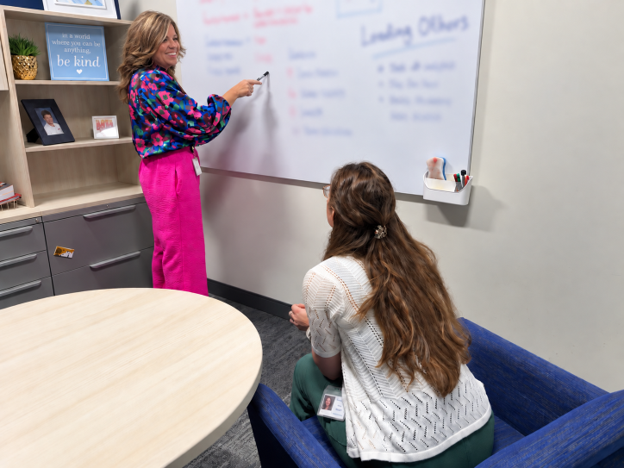
With 27 years of experience in financial services, Parrish built her career in technology through hard work, professional opportunities, and the support of people who believed in her potential. Her journey took her from starting as a bank teller to becoming a senior vice president in technology, demonstrating the value of experience, relationships, and leadership.
But even with those professional accomplishments, one personal milestone remained unfinished.
Turning “Someday” Into Now
The opportunity to return to school came when Parrish enrolled in NCWU’s Executive Leadership Certification program to strengthen her leadership skills. During the program, she spoke with her advisor, Katherine Hensley, about her desire to earn a degree and the feeling of being among professional peers who had completed theirs.
Hensley encouraged her to reconsider what was possible and helped her recognize that coursework she had already completed for the certification applied toward the Organizational Leadership degree requirements.
“She told me, ‘If you truly want to obtain your degree, it is possible,’ and showed me how I could make it happen,” Parrish said.
Realizing she had already made progress toward the degree helped Parrish see a path forward. After years of postponing the goal, she decided it was time to take the next step.
“So, I guess the short answer is that I finally realized that ‘someday’ could actually be now,” she said. “After putting it off for more than 25 years, I decided it was time to stop looking at my degree as something that was out of reach and finally finish what I started.”
Balancing Career, Family and Education
Returning to college as an adult brought a new set of challenges. With a demanding career, family responsibilities, and the everyday commitments of life, Parrish had to find time for assignments and studying wherever she could.
There were late nights, weekends, and even middle-of-the-night study sessions. At times, balancing professional deadlines with academic responsibilities left her wondering how she would manage it all.
Yet being an adult learner also gave her an advantage. Years of professional and leadership experience allowed her to connect classroom concepts with situations she had encountered throughout her career.
“I came back with years of real-world and leadership experience, so I was able to connect what I was learning in class to situations I had actually experienced,” she said.
Parrish credits her husband and her faith with helping her persevere throughout the journey. Her husband provided encouragement and support at home, giving her the time and space she needed to focus on her education. She also credits God’s grace with giving her strength during stressful moments.
“There’s no way I could have done this without my husband and God’s grace,” she said.
Her experience reflects an important reality for adult learners: returning to school requires commitment and sacrifice, but the knowledge and experience gained outside the classroom can be just as valuable as what is learned within it.
A Degree With Personal Meaning
For Parrish, earning her degree is about more than professional advancement. Although she has built a successful career without a bachelor’s degree, completing her education represents the fulfillment of a personal goal she has carried for decades.
“I feel blessed to have built a career that took me from starting as a teller to becoming a senior vice president in technology without a bachelor’s degree, and I know I earned what I’ve accomplished along the way,” she said.
“Completing it has given me the satisfaction of finally accomplishing a goal I had carried with me for more than 25 years.”
The experience has also reminded her that learning and personal development do not have to stop at a certain age or career stage. She hopes to continue growing as a technology leader while dedicating more time to developing other leaders.
She has even begun considering graduate school, a possibility she might not have imagined before returning to college.
“More than anything, this experience has reminded me that growth doesn’t have an expiration date,” Parrish said. “At this stage of my career and life, I’m still learning, still growing, and still discovering what I’m capable of.”
Her Advice to Other Adult Learners
For adults who have considered returning to college but worry that too much time has passed, Parrish understands the hesitation. She spent years telling herself that earning her degree could wait.
Her advice is straightforward: stop assuming it is too late.
She acknowledges that returning to school is not always easy. Adult learners may need to rearrange priorities, sacrifice free time, and balance assignments with work and family commitments. But she encourages others not to underestimate the knowledge and experience they already bring to the classroom.
“You’ve already lived, worked, succeeded, failed, and learned a lot along the way, and all of that comes with you into the classroom,” she said.
“It may not happen exactly the way you pictured it years ago, but that doesn’t mean it can’t happen. Give yourself a chance. Be willing to make some sacrifices, stay committed, and keep going even when it gets hard. You might be surprised by what you’re able to accomplish.”
Through its Online programs, North Carolina Wesleyan University provides educational pathways for students balancing their studies with professional and personal responsibilities. Parrish’s journey illustrates how returning to college can be about more than earning a credential. It can also mean revisiting a long-held dream, recognizing what is possible, and making the decision to move forward.
For Parrish, the goal that once seemed perpetually out of reach is finally within view. And as she looks toward what comes next, she carries a lesson that extends well beyond the classroom: it is never too late to keep growing.
NCWU MPH Student: Theory to Practice
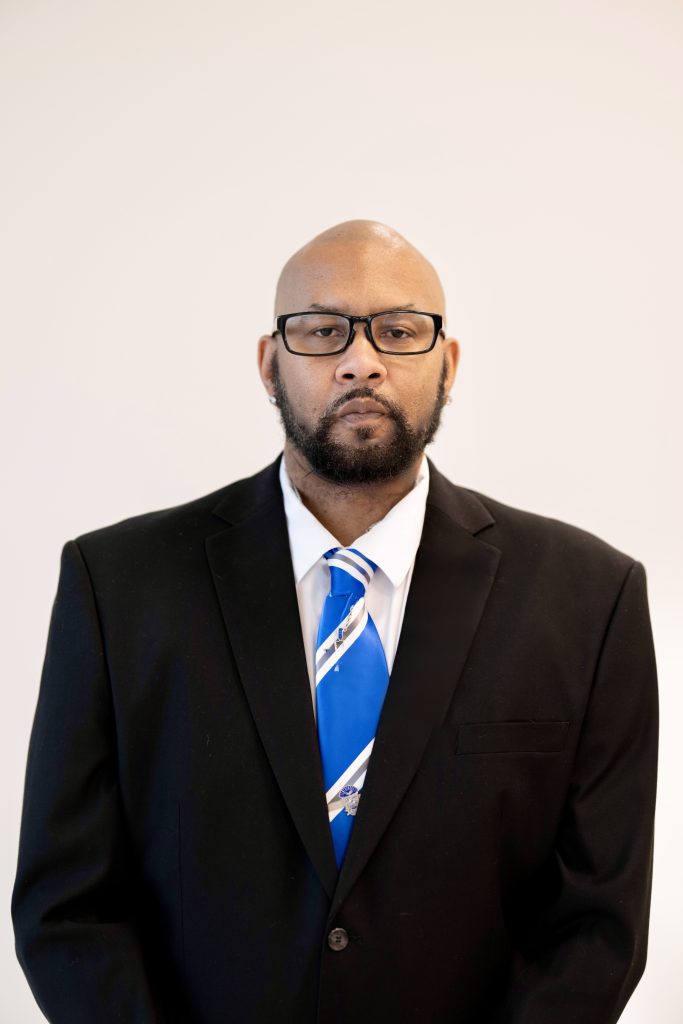
For Allan Sessoms, pursuing a Master of Public Health at North Carolina Wesleyan University is about more than earning another degree. It is about preparing for the work he hopes to do in the communities he cares about.
A Bertie County native and longtime professional with more than 20 years of experience in leadership, operations and problem-solving, Sessoms returned to the classroom with a clear purpose: to build the knowledge and skills needed to eventually establish a nonprofit focused on HIV/AIDS education, advocacy and resource navigation throughout Eastern North Carolina.
“I wasn’t pursuing an MPH just to add letters after my name,” Sessoms said. “I wanted to better understand the challenges facing the communities I care about and gain the tools to become part of the solution.”
Connecting the Classroom to the Community
Sessoms chose NC Wesleyan’s MPH program in part because it allowed him to continue working full-time while pursuing his degree. The program’s Social Epidemiology concentration also aligned with his interest in understanding the social and environmental factors that influence health outcomes.
That connection between classroom learning and real-world challenges has become one of the most meaningful parts of his experience.
During a summer internship, Sessoms worked directly with community members, conducted surveys, identified community needs and developed resources designed to address those needs. The experience allowed him to apply concepts from the classroom, including community engagement, health disparities, social determinants of health and public health planning, to work in the community.
“The internship helped me connect theory to practice,” he said. “It showed me how public health is not just about collecting data but about listening to communities, understanding their challenges, and developing solutions that are meaningful and sustainable.”
The experience has also changed the way Sessoms looks at public health challenges.
Rather than focusing only on the immediate problem, he has learned to examine the factors behind it, including transportation, housing, education, income, employment opportunities and access to resources.
“The program helped me move from looking at individual problems to looking at systems, root causes, and long-term solutions,” Sessoms said.
A Purpose Beyond the Degree
For Sessoms, that perspective is especially important as he works toward his long-term goal of creating a nonprofit focused on HIV/AIDS education, advocacy and resource navigation.
His passion for that work is personal. Living with HIV has given Sessoms firsthand insight into the challenges people can face when navigating healthcare systems, finding support and accessing accurate information and resources.
He hopes to use his public health education, professional experience and community connections to help others navigate those challenges.
“The goal is to help people access information, find support, and know that they don’t have to navigate their journey alone,” he said.
Sessoms also plans to pursue a Doctor of Public Health degree, continuing to build his knowledge and leadership abilities as he works toward making a lasting impact throughout Eastern North Carolina.
It’s Never Too Late to Keep Learning
Returning to school after building a career has given Sessoms a new perspective on lifelong learning.
He credits his NC Wesleyan professors and classmates as some of the most valuable parts of his experience. His cohort has brought together people with different backgrounds and perspectives, while his professors have challenged him to look beyond surface-level problems and consider the broader factors influencing health outcomes.
As a working professional balancing school and other responsibilities, Sessoms knows pursuing a graduate degree requires commitment. But he also believes waiting for the “perfect” time can mean waiting forever.
“Growth often happens in the middle of the chaos, not after it,” he said.
For Sessoms, the journey has reinforced a perspective he plans to carry throughout his career and one that perhaps best captures what he hopes to gain from his NC Wesleyan education.
NC Wesleyan Correctional Institutions Class Welcomes Guest Speaker from Nash Correctional Institution
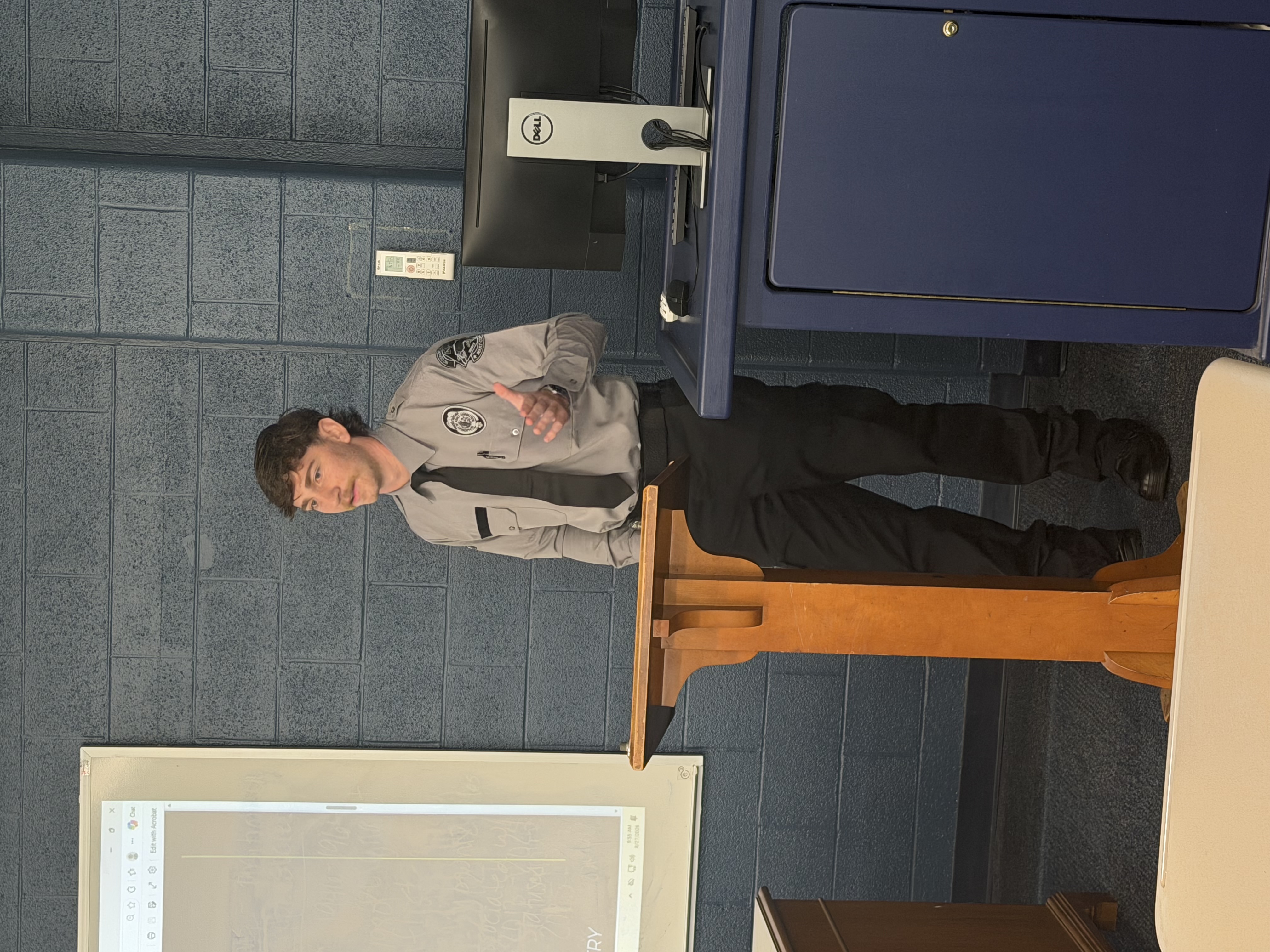
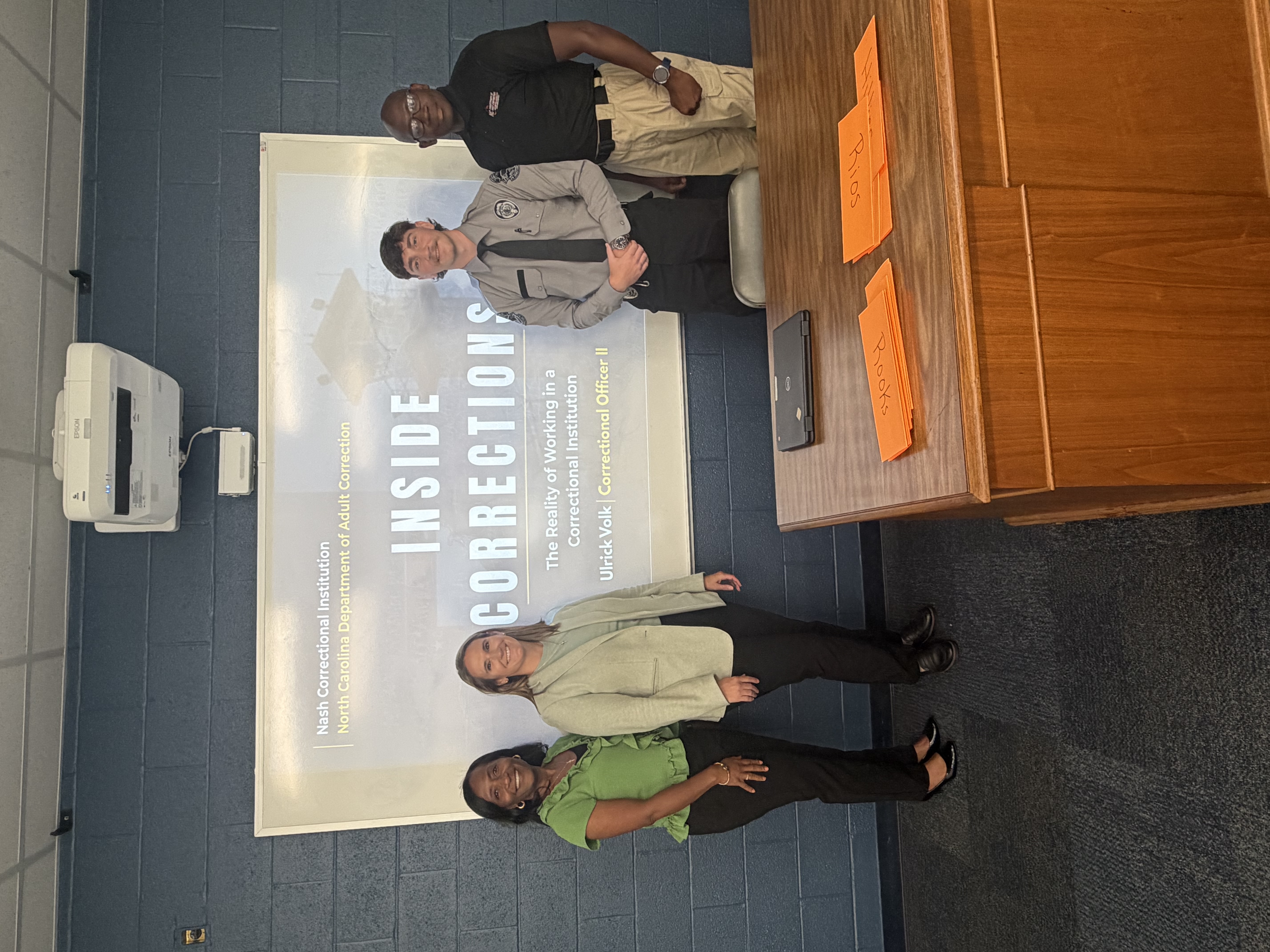
Students in North Carolina Wesleyan University’s Correctional Institutions class received an inside look at the realities of working in corrections when current NCWU psychology student and newly appointed Correctional Officer Ulrick Volk visited the class as a guest speaker.
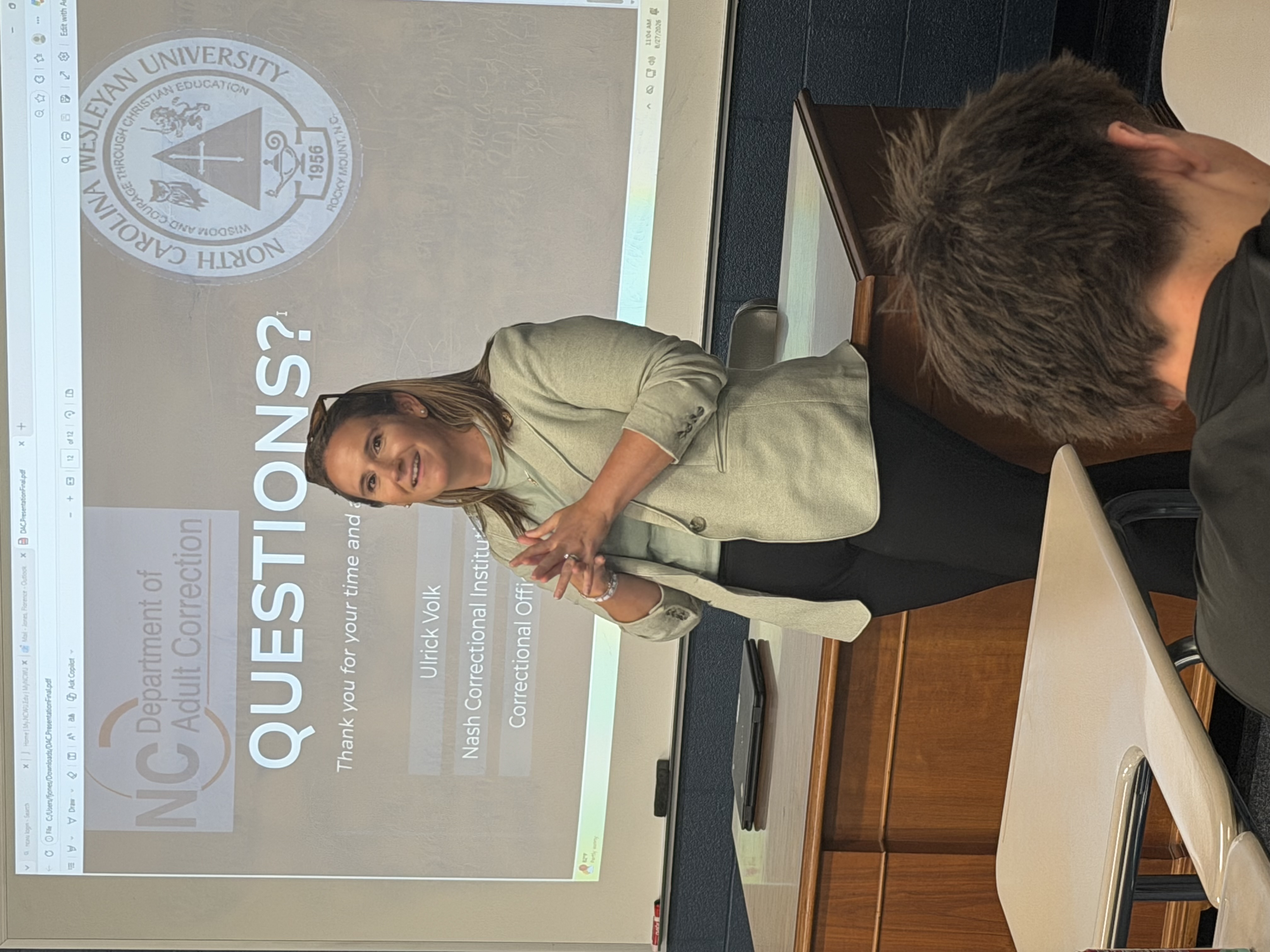
Officer Volk, a former student of Professor Florence R. Jones, shared his experiences transitioning from college student to correctional officer at Nash Correctional Institution. He was escorted by Warden Talena Lee, who also spoke with students about careers, professional advancement, and opportunities within corrections.
Dressed in his professionally pressed correctional officer uniform, Officer Volk presented “Inside Corrections: The Reality of Working in a Correctional Institution.” His presentation covered a variety of topics, including why he chose corrections, his expectations versus the realities of the profession, the role and responsibilities of a correctional officer, direct supervision, de-escalation, prevention and response, contraband prevention, and lessons he has learned since entering the field.
About Officer Volk
Officer Volk’s journey into corrections began in April 2026, near the end of the Spring semester, when he contacted Professor Jones to express his interest in pursuing a career in corrections. Recognizing his potential and commitment, Professor Jones contacted Warden Lee, who assisted in supporting his transition into the profession.
Officer Volk went on to attend Correctional Officer Basic Training, where he distinguished himself among his peers. He graduated at the top of his class in firearms training, placed second on the final examination, and was selected to serve as the class speaker at graduation.
His presentation generated considerable interest and discussion among the students. Class members asked thoughtful questions about his fears and experiences, daily job responsibilities, balancing college with full-time employment, safety, and the challenges of working in a correctional environment. His professional and candid responses provided students with a realistic perspective on the profession and sparked interest in corrections as a potential career path for several students.
Warden Lee also engaged with the class, sharing her own experiences in corrections, discussing career advancement and promotional opportunities, and providing students with additional information about Nash Correctional Institution. Students eagerly took advantage of the opportunity to ask questions and learn from her extensive experience as a correctional leader.
Mr. Lance Woodard also accompanied Officer Volk and Warden Lee. Warden Lee introduced him and provided students with additional insight into his background and experience in corrections, as well as his professional access and connection to Nash Correctional Institution.
Criminal Justice at NCWU
The visit provided students with an invaluable opportunity to connect classroom instruction with real-world correctional experiences. Rather than simply learning about corrections from a textbook, students were able to hear directly from professionals working within the field and gain a better understanding of the responsibilities, challenges, opportunities, and rewards associated with a career in corrections.
On behalf of Dr. Gail Marsal, Associate Professor and Program Coordinator for Criminal Justice; Professor Florence R. Jones; and North Carolina Wesleyan University, we extend our sincere appreciation to Officer Ulrick Volk, Warden Talena Lee, and Mr. Lance Woodard for taking the time to visit the Correctional Institutions class and share their knowledge, experiences, and professional insight with our students.
Their willingness to invest in the next generation of criminal justice professionals made this an educational and memorable experience for the class.
NC Wesleyan Emphasizes Access and Opportunity in Higher Ed
North Carolina Wesleyan University is adapting to an increasingly unpredictable higher education landscape by expanding flexible learning pathways for a diverse student population. As a federally designated Minority-Serving Institution, NCWU serves a very diverse student body that includes African-american, first-generation, adult, international, and rural students. Across campus and in the classroom, Wesleyan continues to provide college access and opportunity that is practical for our students.
In a recent interview with WUNC, President Evan Duff highlighted the importance of meeting students where they are through programs designed for working adults, community college transfers, and traditional undergraduates. Despite enrollment pressures facing many private colleges, Wesleyan is focused on creating multiple pathways to success while continuing its mission of serving economically disadvantaged communities across eastern and central North Carolina. READ ARTICLE >
NCWU Named to PTK’s 2026 Transfer Honor Roll
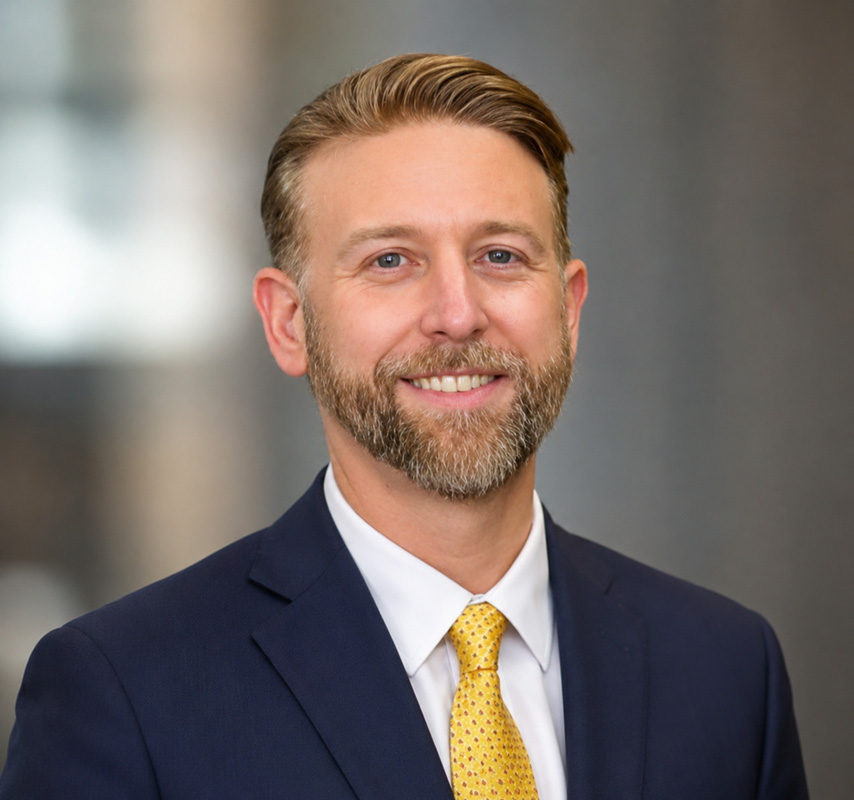
North Carolina Wesleyan University (NCWU) has been named to the 2026 Pi Theta Kappa (PTK) Transfer Honor Roll, placing the University among just 275 four-year colleges and universities nationwide recognized for excellence in serving community college transfer students.
The Transfer Honor Roll recognizes institutions that have demonstrated exceptional success in helping transfer students earn bachelor’s degrees through strong academic pathways, student support services, financial assistance, and campus engagement.
Why This Matters for Bishops
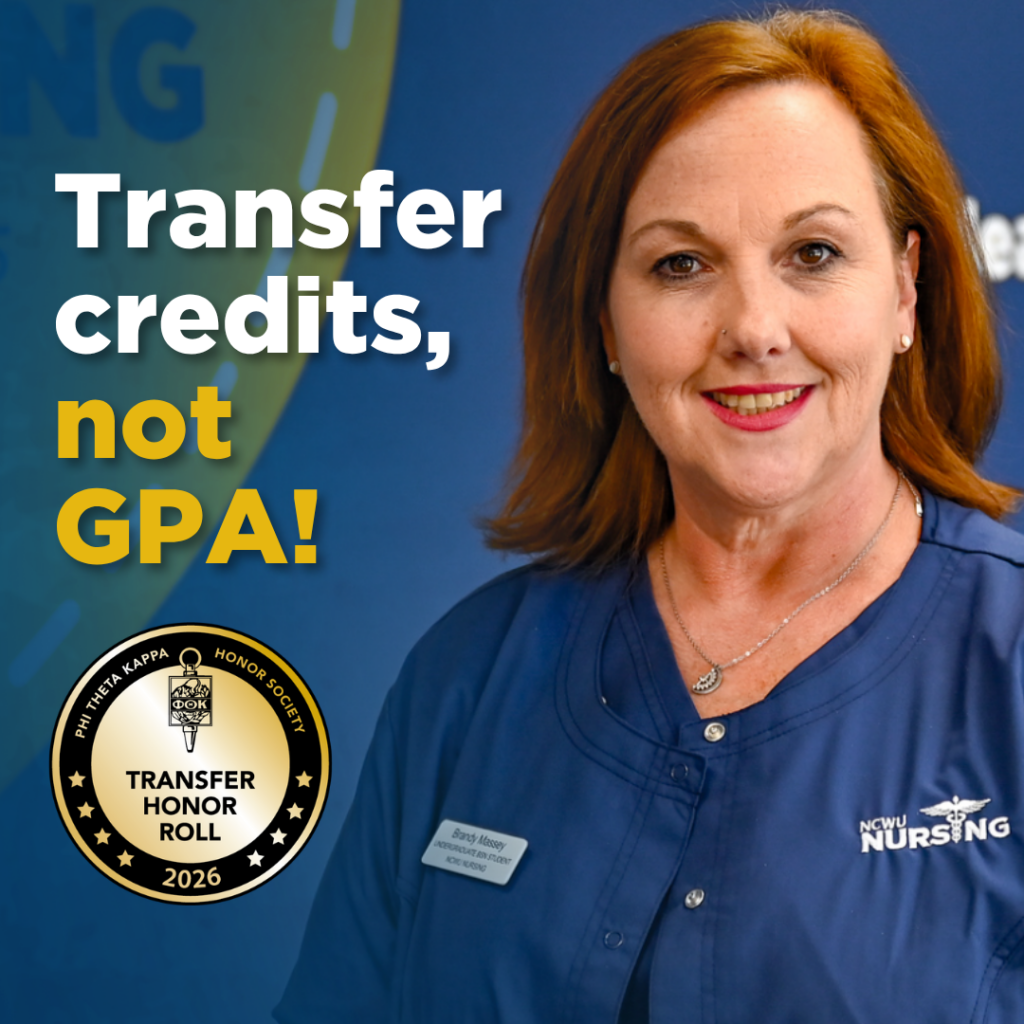
At NC Wesleyan, transfer students are more than just a growing population; they are a priority. The university has intentionally designed flexible transfer pathways that help students maximize previously earned credits and complete their degrees efficiently.
One of NCWU’s most distinctive transfer initiatives is its 75-hour transfer pathway, which allows eligible students to transfer up to 75 credit hours towards a bachelor’s degree. The pathway is designed to accommodate students from nearly every educational background, making it easier than ever for those who have attended community colleges or other institutions to continue their education without losing momentum.
In addition to traditional college coursework, NNCWU recognizes the value of learning that takes place beyond the classroom. The university awards academic credit for eligible professional licenses, certificates, military training, and other approved prior learning experiences, helping students receive credit for the knowledge and skills they have already earned through their careers.
“At NC Wesleyan, we understand that every transfer student’s journey is unique,” said Katie Farrell, Interim Dean of Enrollment. “Whether a student is transferring from a community college, another university, or returning to finish a degree after gaining professional experience, our goal is to remove barriers and create a clear pathway to graduation. This national recognition reflects our commitment to meeting students where they are and helping them reach where they want to be.”
Phi Theta Kappa evaluates institutions across five key areas that contribute to transfer student success:
- Transfer student success outcomes
- Credit mobility and degree applicability
- Financial support for transfer students
- Recruitment and admission practices
- Campus engagement and student support
Rather than measuring a single outcome, the Honor Roll recognizes colleges and universities that have intentionally created policies and practices that help transfer students thrive from admission through graduation.
“The recognition is about much more than transfer agreements,” said Dr. Lynn Tincher-Ladner, President and CEO of Phi Theta Kappa. “Successful transfer happens when institutions intentionally design policies, practices, and campus cultures that help students thrive when they arrive. These colleges have demonstrated that transfer student success is not accidental. It is strategic priority.”
NCWU’s personalized advising, small class size, flexible course delivery, and career-focused academic programs ensure that transfer students receive individualized support throughout their educational journey. Combined with generous transfer credit evaluations and recognition of prior learning, the university continues to make earning a bachelor’s degree more accessible for students from all backgrounds.
Students interested in transferring to North Carolina Wesleyan University can learn more about transfer pathways, credit evaluations, scholarships, and academic programs by visiting https://ncwu.edu/academics/adult-professional-studies/adult-transfer-students/ or contacting the Office of Admissions.
About North Carolina Wesleyan University
North Carolina Wesleyan University (NCWU) is a small, private Methodist-affiliated institution with a liberal arts-based core curriculum that prepares students for professional advancement, life-long learning and responsible participation in their comma unities. NCWU offers liberal arts, professional and graduate degree programs for traditional, transfer and working-adult students.
NCWU offers a best-in-class value and a personally tailored private higher education experience. We invest in each and every student we accept by providing individualized awards, scholarships and grants. Wesleyan is YOUR hometown University that is Personal. Practical, and Purpose-Driven. With students from all over the United States and more than 40 different countries, the University has immense cultural diversity. In addition to its educational mission, NCWU serves as a vital economic engine for the region, contributing over $209 million to the local economy.
To learn more, visit ncwu.edu and follow on Facebook, LinkedIn, TikTok and Instagram.
About Phi Theta Kappa
Phi Theta Kappa Honor Society recognizes the academic achievement of students at associate degree-granting colleges and helps them grow as scholars and leaders. Recognized by the American Association of Community Colleges as the official honor society for two-year colleges, PTK also serves as the nation’s largest honor society in higher education, with more than 4.5 million members and nearly 1,200 chapters in 11 countries, including approximately 220,000 active members in colleges today. Through scholarships, leadership development, and transfer and career pathways, PTK helps students turn their potential into opportunity. Learn more at ptk.org.
NC Wesleyan Teacher Education Program Maintains 100% edTPA Pass Rate
North Carolina Wesleyan University (NCWU) is proud to announce that its Teacher Education program has once again achieved a 100% pass rate on the edTPA portfolio assessment, a nationally scored and required evaluation used by accredited teacher preparation programs across the country.
A total of 13 NCWU students have successfully submitted and passed the edTPA since the North Carolina Department of Public Instruction required that the item be used as the singular portfolio option for accredited Teacher Education programs beginning Fall 2025. Most recently, three additional students received passing scores, including one traditional student and two Adult and Professional Study (APS) students.
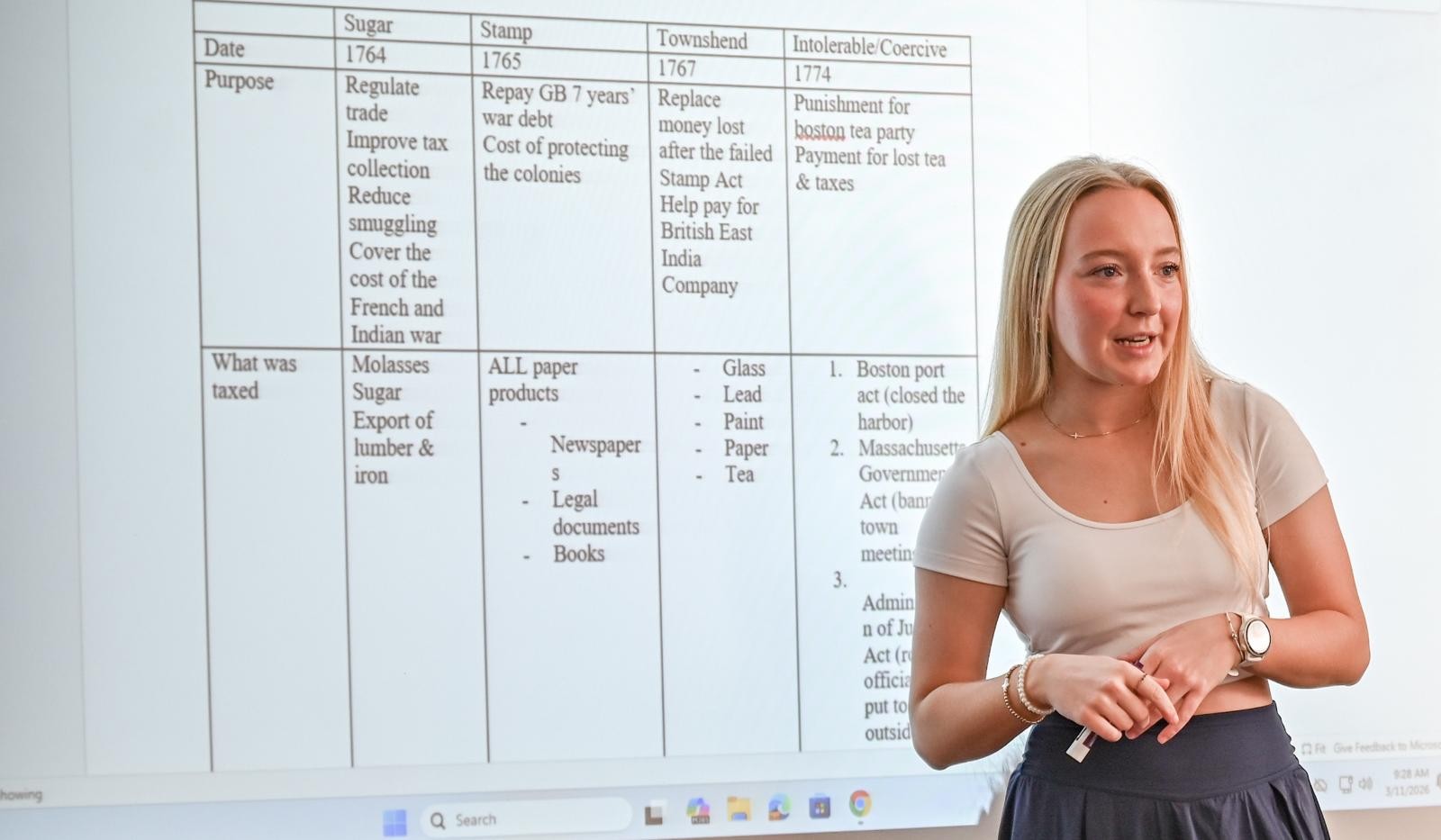
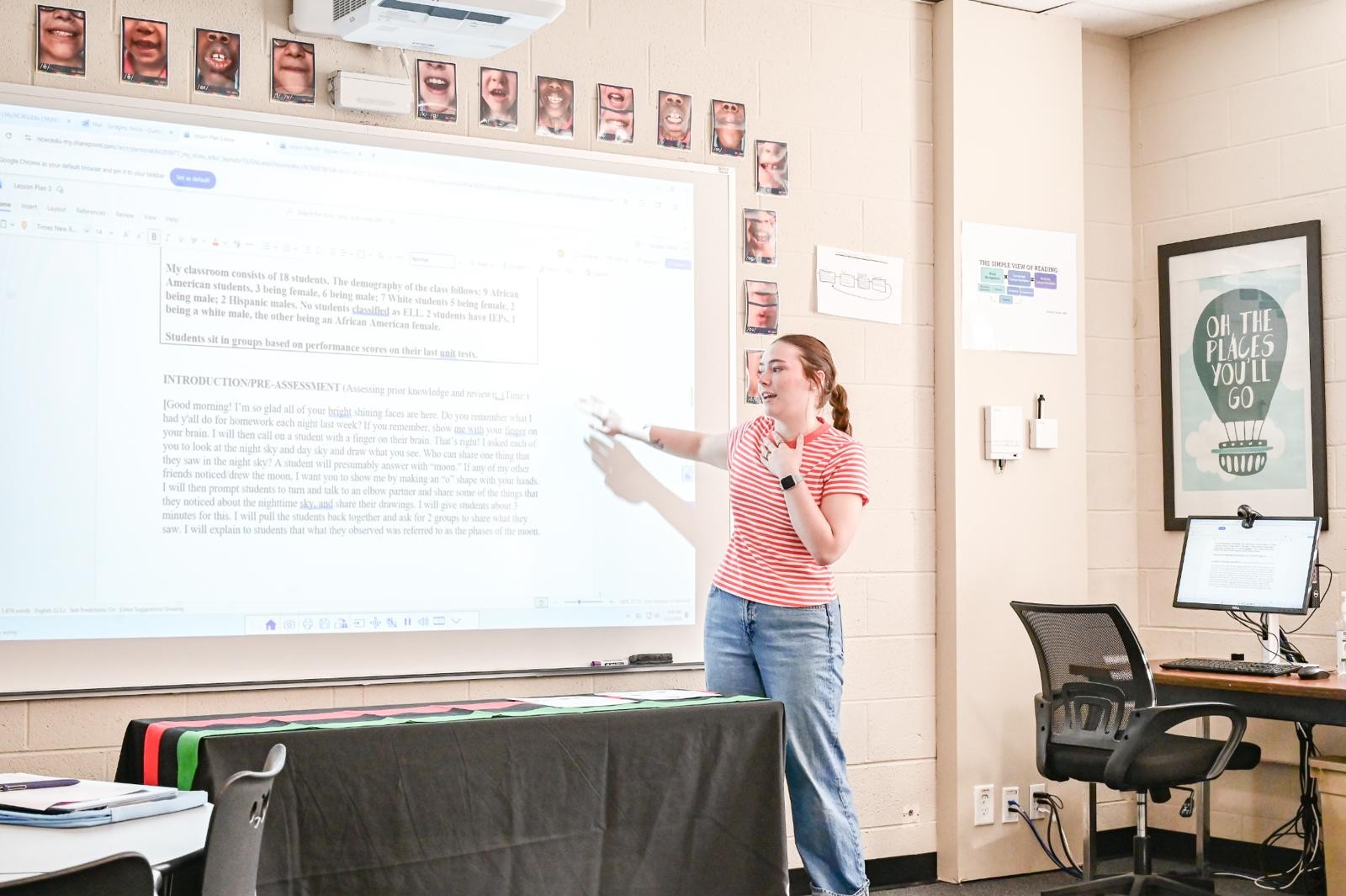
Quotes from NCWU Faculty & Staff
“This is a tremendous accomplishment for our students and our faculty,” said Kelvin L. Spragley, Ph.D., Associate Professor of Education and Director of Teacher Education. “The edTPA is a rigorous assessment that requires significant preparation, support, and dedication. To maintain a 100% pass rate reflects the strength of our program and the commitment of our instructors to student success.”
Spragley also recognized the work of the program’s faculty, specifically highlighting Dr. Hart and Dr. Collins for their leadership and support of students throughout the semester in EDU 415.
“The guidance and encouragement provided in EDU 415 played an essential role in helping our teacher candidates complete this important milestone as they finalize their North Carolina teaching licenses,” Spragley said. “And it’s important to note teachers are licensed, not certified.”
Dr. Joseph H. Lane, Jr., Provost and Senior Vice President for Academic Affairs, praised the Teacher Education program for its continued success and commitment to preparing highly qualified educators.
“Maintaining a 100% pass rate on a nationally scored assessment like the edTPA is a remarkable achievement,” Lane said. “It reflects the academic excellence of our Teacher Education program and the dedication of our faculty to ensuring that NC Wesleyan graduates are fully prepared to serve and lead in today’s classrooms. We are incredibly proud of our students and the faculty members who support them.”
The Student Experience
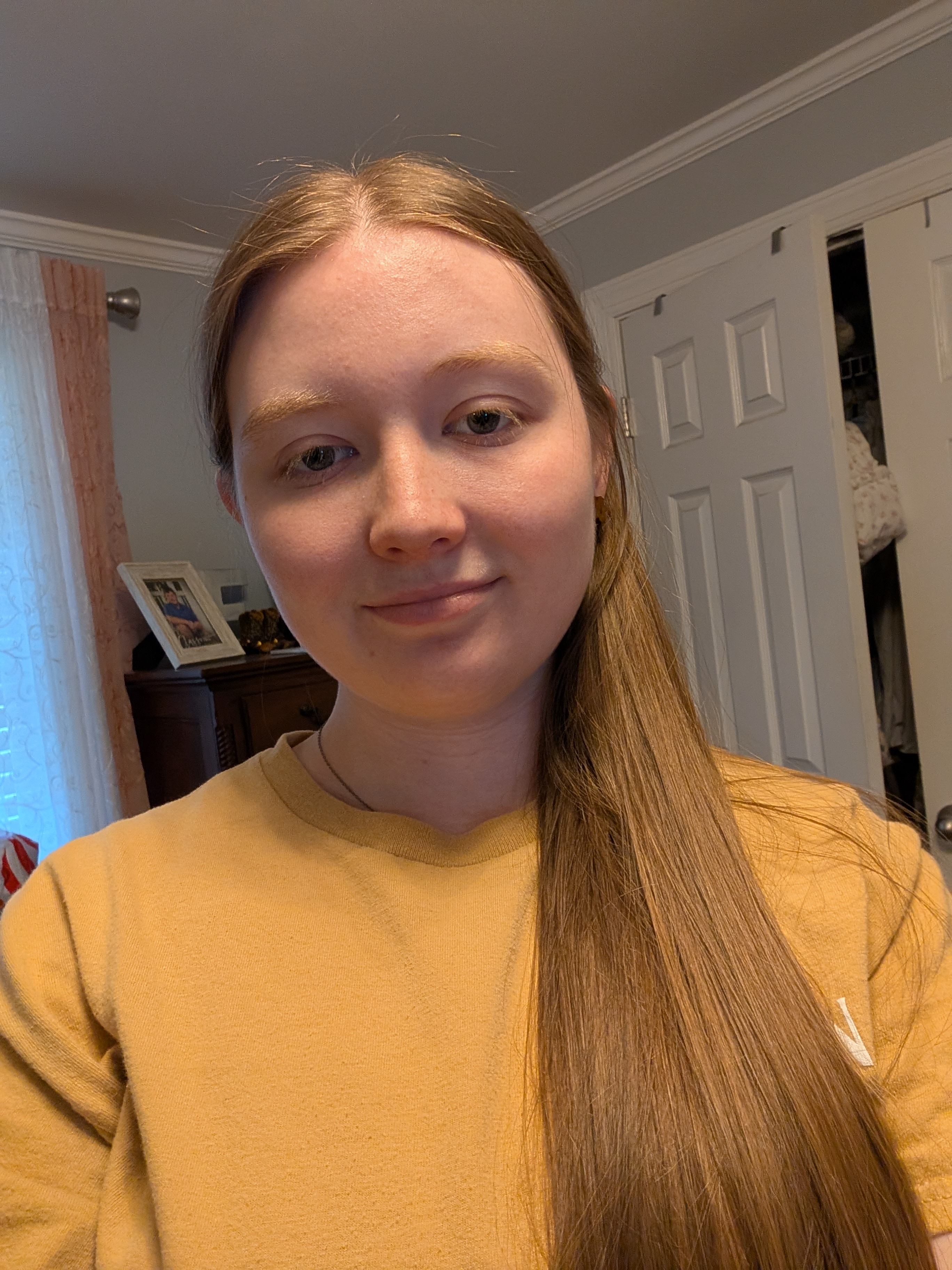
One of the students who recently passed the edTPA is Emily Mason, an Elementary Education major in the Fall 2026 graduating class. Mason said the process strengthened her ability to create meaningful lessons that support every learner.
“The edTPA experience taught me about the importance of planning your lessons and using knowledge of students to create the best possible lessons so that every student can learn,” Mason said. “It taught me to look at my students and figure out how to plan my lessons to fit and meet all my students’ needs.”
Mason added that completing the portfolio is an exciting step toward her future career in education.
“Completing this licensure requirement makes me feel excited for what’s to come in my student teaching and beyond,” she said. “It also allows me to breathe a bit easier. I feel a lot more relaxed and prepared for what is to come.”
As she looks ahead, Mason said her goal is to create a classroom environment where students feel supported emotionally and academically.
“I want to make sure that every student who walks in my room feels heard and understood,” she said. “I want to make sure to meet my students where they are emotionally and academically.”
Mason also offered encouragement to future teacher candidates preparing for the edTPA.
“Take your time and manage your time,” she said. “Look at your handbooks and listen to the feedback provided by your professor. Most of all—you’ve got this!”
Why it matters…
Maintaining state and regional accreditation standards, while also preparing students to succeed on licensure assessments such as edTPA, requires extensive faculty effort and resources. Spragley emphasized that achieving these results within a small liberal arts institution makes the accomplishment even more significant.
“To maintain high pass rates on licensure tests and performance portfolios as a small program within a small liberal arts university is a juggernaut of a task,” he said. “While we may not have the resources that many larger institutions possess, we continue to meet the challenge and achieve exceptional outcomes.”
NCWU’s Teacher Education program continues to prepare future educators through rigorous coursework, hands-on field experiences, and strong faculty mentorship ensuring graduates are equipped to lead and succeed in today’s classrooms.
NCWU Celebrates 2026 Commencement
North Carolina Wesleyan University (NCWU) celebrated the accomplishments of more than 360 graduates during its annual Commencement Ceremony on Saturday, May 2, 2026, at the Rocky Mount Event Center. The ceremony marked the University’s 86th graduating class and welcomed more than 2,000 attendees, including graduates, faculty, platform party members, and guests.
The ceremony opened with an invocation by University Chaplain Rev. Edwin Ferguson, followed by a performance of the national anthem by NCWU alumna Latisha Scott ’06.
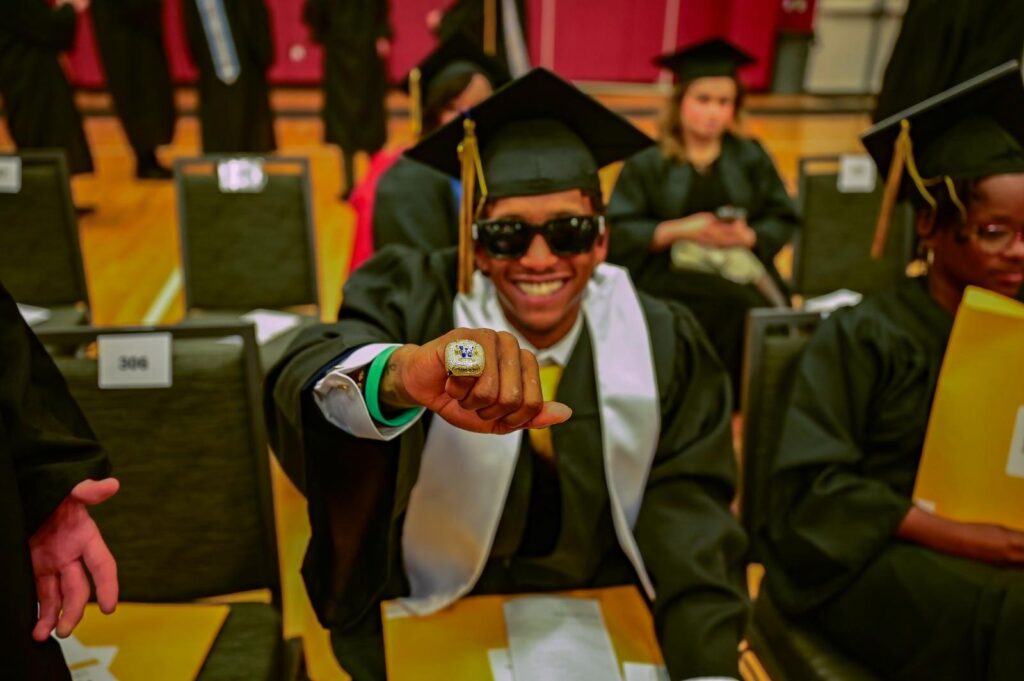
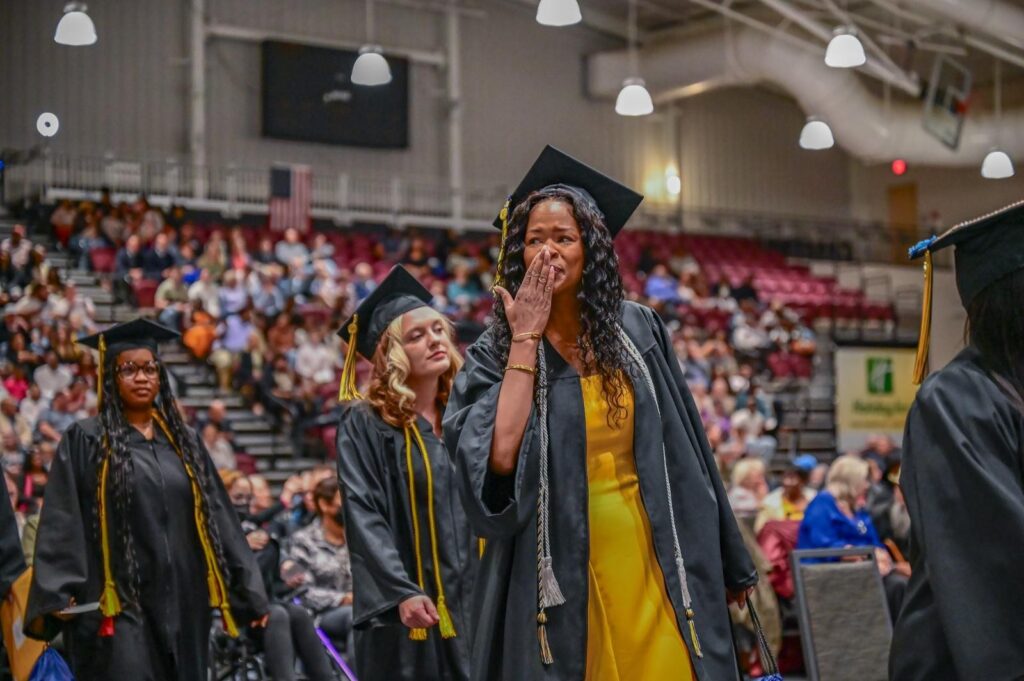
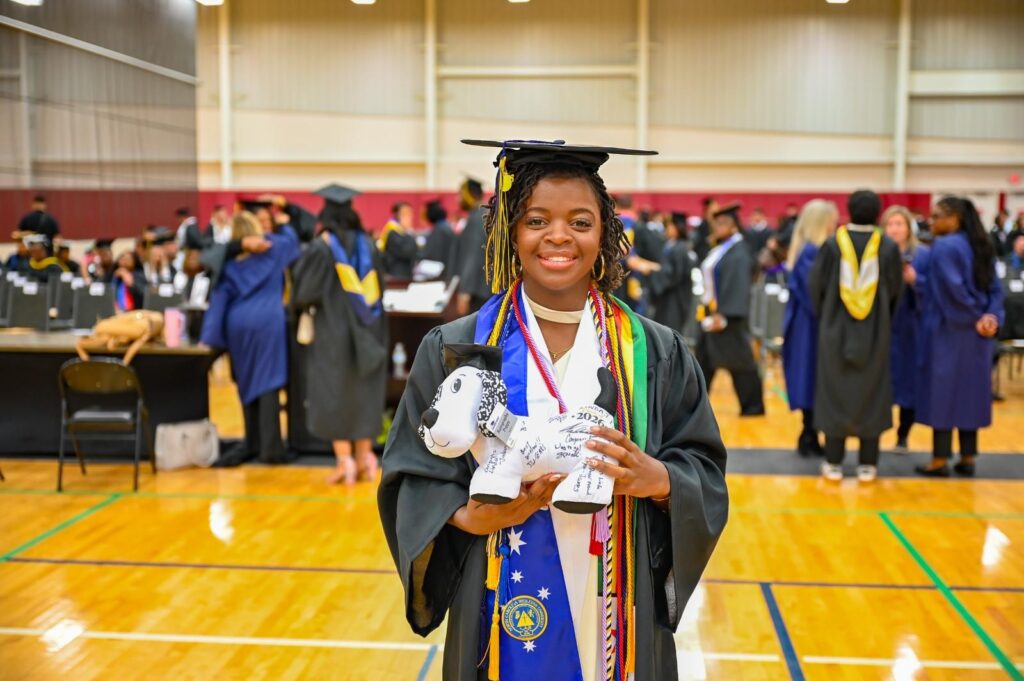
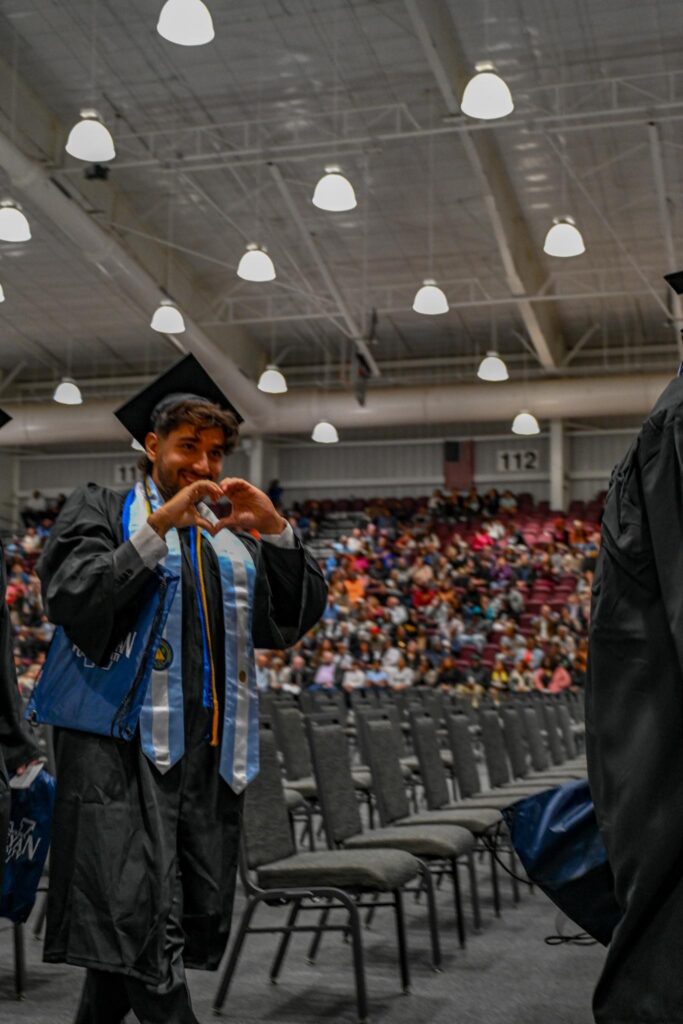
NCWU President Dr. Evan D. Duff welcomed graduates and guests, congratulating the Class of 2026 and emphasizing the University’s commitment to preparing students for meaningful lives of leadership and service.
“Your degree is provided by an institution which seeks not only to dispense knowledge and develop the habits for lifelong learning, but also expects its graduates to be responsible citizens, contributors to the common good and individuals who care about others,” Duff said. “As we celebrate together, we acknowledge the obligations all of us have to help bring about a better world.”
Keynote Address
The Commencement address was delivered by Jessica Daniels Harrison ’10, a proud NCWU alumna and public servant currently serving as Mayor of the Town of Zebulon. Harrison made history as the first woman elected mayor of Zebulon. She was appointed to the town’s Board of Commissioners in February 2022, elected as a commissioner in November 2023, and later elected mayor in November 2025.
Harrison encouraged graduates to recognize their accomplishments and the perseverance that brought them to Commencement Day.
“Today is a day of celebration. A day of reflection. And a day of crossing over,” Harrison said. “Graduates—today, you didn’t just complete a program… you proved something to yourself. And I stand here not just as your commencement speaker… but as someone who once sat exactly where you are.”
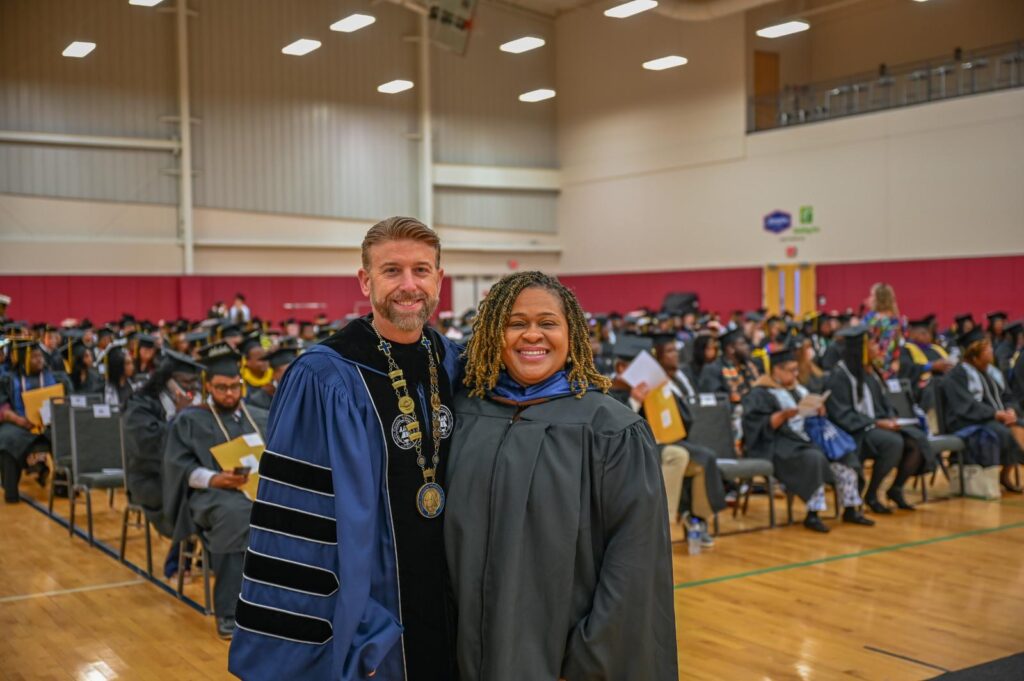
Harrison challenged graduates to become “catalysts” for change, reminding them that success is strengthened through community and connection. She urged the Class of 2026 to advocate for others, reach back to support those following behind them, and remain connected to their purpose and their NCWU community.
Awards & Honors
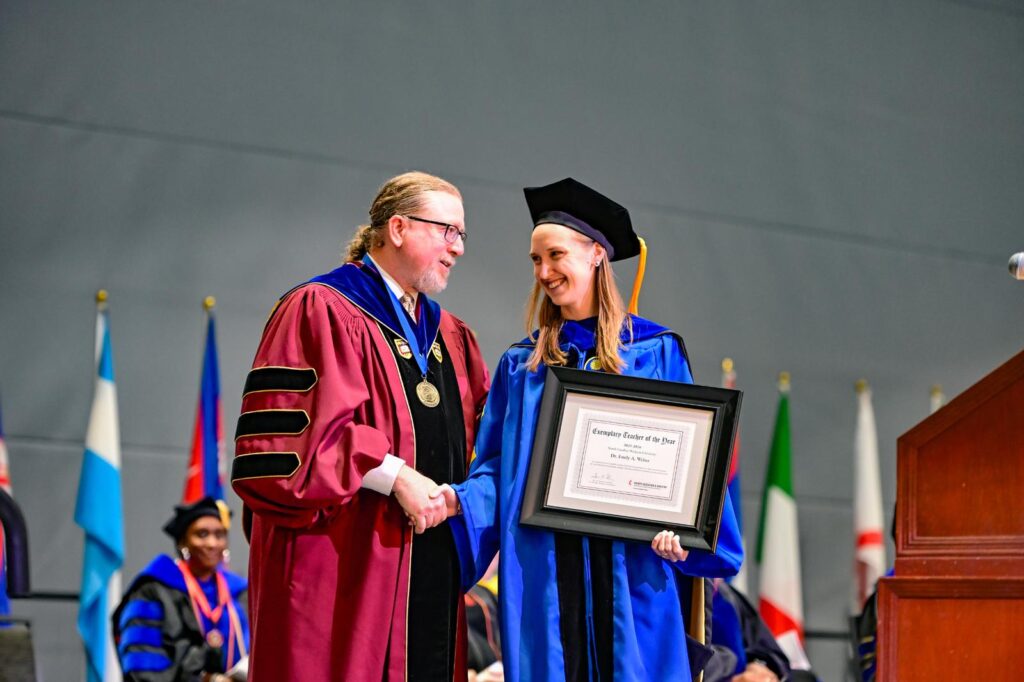
Following the keynote address, Provost and Senior Vice President of Academic Affairs Dr. Joe Lane presented the Exemplary Teacher Award to Dr. Emily Weber, Associate Professor of Biology, recognizing outstanding commitment to student learning, civility, value-centered education, and service to both students and the broader community.
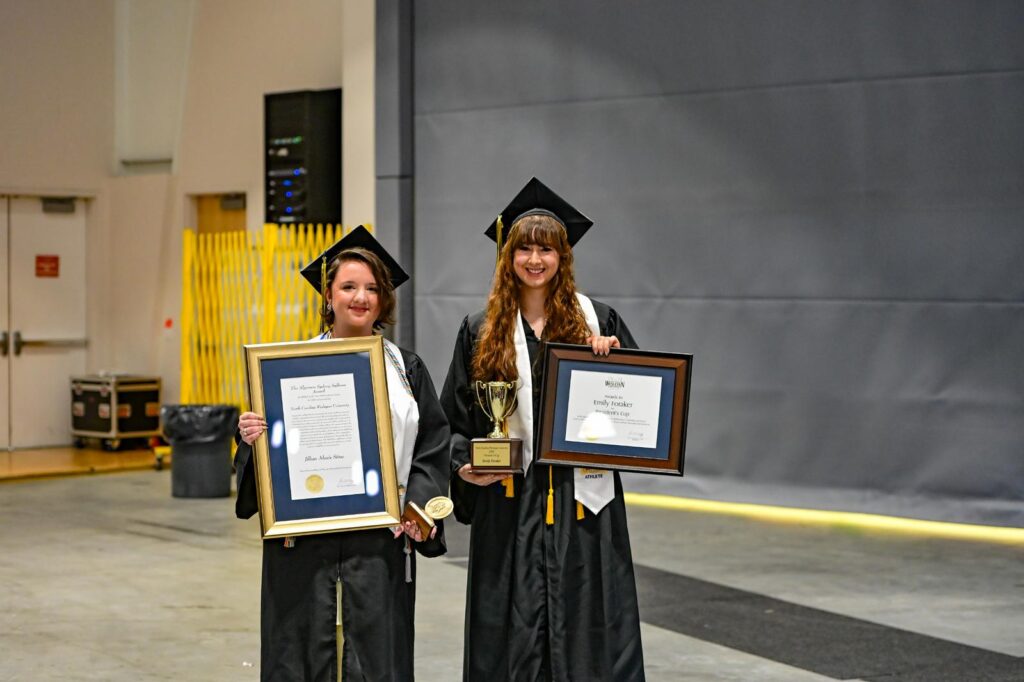
Several student honors were also presented during the ceremony. Jillian Alexis Stone received the Algernon Sydney Sullivan Award, which recognizes a graduating senior who exemplifies strong character, leadership, service, and commitment to spiritual values.
The President’s Cup Award was presented to Emily Foraker, honoring a senior who demonstrates the highest standards of academic achievement and the qualities considered most desirable in a graduate of North Carolina Wesleyan University.
Upon recommendation of the Honorary Degree Committee and approval of the NCWU Board of Trustees, Harrison was also awarded an Honorary Doctor of Humanities degree in recognition of her leadership and service.
The ceremony included a special tribute honoring Joshua Gregory Moore, who passed away on April 9, 2022. Moore was posthumously awarded a Bachelor of Science degree in Communication Information Systems. University officials recognized his resilience, compassion, and servant leadership, honoring his memory and the impact he made on those around him.
For those unable to attend in person, the event was livestreamed and recorded. The full Commencement ceremony is available for viewing at ncwu.edu.
Photos from commencement can be found here: https://gradphotos.ncwc.edu/.
OnlineMasters.com Ranks North Carolina Wesleyan University Among Best in the U.S.
OnlineMasters.com, a trusted resource for accredited online graduate education, has recognized North Carolina Wesleyan University (NCWU) in its annual rankings, naming the University among the Best Online Master’s in Criminal Justice Programs for 2026.
This distinction reflects NCWU’s commitment to delivering high-quality, career-focused graduate education, particularly for adult learners balancing work, family, and personal responsibilities while pursuing advanced degrees.
Unlike traditional ranking systems, OnlineMasters.com uses a data-driven methodology designed to provide prospective graduate students with practical insights into academic quality, affordability, graduation outcomes, and student support. Institutions are evaluated using a proprietary scoring model that incorporates national data sources such as the U.S. Department of Education, College Scorecard, NCES College Navigator, the Bureau of Labor Statistics, College Board, and institutional disclosures, as well as benchmarking indicators from organizations including U.S. News & World Report.
NCWU’s Criminal Justice program stands out for its accessibility, flexibility, and emphasis on real-world preparation. The program is designed with the adult learner in mind, providing a supportive, engaging online environment that allows students to advance professionally while continuing to meet the demands of everyday life.
“At North Carolina Wesleyan, we understand that many of our graduate students are working professionals already serving in their communities,” said Katie Farrell, Dean of Adult & Professional Studies. “Our online programs are built to meet students where they are, providing flexibility, individualized support, and coursework that directly connects to career advancement in the criminal justice field.”
NCWU’s Master of Criminal Justice program equips students with advanced knowledge in criminal justice leadership, policy, ethics, and contemporary challenges in law enforcement and public safety. Graduates leave the program prepared to pursue higher-level roles in corrections, law enforcement administration, investigative services, homeland security, and other related fields.
“Our goal is to ensure students are not only earning a degree, but also gaining the confidence and expertise needed to take the next step in their careers,” said Dr. Gail Marsal, Associate Professor of Criminal Justice and Program Coordinator. “This program supports students as they transition into leadership roles and expand their impact within the criminal justice system.”
OnlineMasters.com’s rankings are focused exclusively on accredited, nonprofit institutions offering online and hybrid master’s programs. Each school is assigned an Online Master’s Score ranging from 0 to 100, measuring overall performance across the criteria most predictive of graduate student success.
NCWU’s recognition in the 2026 rankings reinforces the University’s growing reputation for providing adult learners with innovative graduate opportunities that lead to meaningful career outcomes.
To view the complete ranking, visit:
https://www.onlinemasters.com/best-degree-programs/criminal-justice/
About North Carolina Wesleyan University
North Carolina Wesleyan University (NCWU) is a small, private Methodist-affiliated institution with a liberal arts-based core curriculum that prepares students for professional advancement, life-long learning and responsible participation in their communities. NCWU offers liberal arts, professional and graduate degree programs for traditional, transfer and working-adult students.
NCWU offers a best-in-class value and a personally tailored private higher education experience. We invest in each and every student we accept by providing individualized awards, scholarships and grants. Wesleyan is YOUR hometown University that is Personal. Practical, and Purpose-Driven. With students from all over the United States and more than 40 different countries, the University has immense cultural diversity. In addition to its educational mission, NCWU serves as a vital economic engine for the region, contributing over $209 million to the local economy.
To learn more, visit ncwu.edu and follow on Facebook, LinkedIn, TikTok and Instagram.
About ONLINEMASTERS.COM
OnlineMasters.com is an independent higher education research platform dedicated to helping students identify high-quality online master’s programs. Led by a team of data analysts and higher education researchers, the organization operates separately from editorial and marketing functions to preserve objectivity and methodological integrity.
Using verified federal education data, aggregated third-party rankings including U.S. News & World Report, and labor market research from the Bureau of Labor Statistics, OnlineMasters.com produces transparent, research-driven rankings that evaluate academic quality, affordability, return on investment, and student support. Its mission is to provide clear, unbiased insights that empower prospective graduate students to make confident, informed decisions about advanced education.
To learn more, visit https://www.onlinemasters.com.
University Celebrates 2026 Honors Convocation
Rocky Mount, NC – April 2, 2026 – North Carolina Wesleyan University proudly hosted its annual Honors Convocation, celebrating the exceptional achievements of its students. The event, held at the Dunn Center for the Performing Arts, recognized students who have demonstrated outstanding leadership, academic excellence, community service, and contributions to the university.
The ceremony included the presentation of various awards from each school within the university:
- School of Math and Sciences: Awards for outstanding achievements in disciplines such as Biology, Chemistry, Environmental Science, and Mathematics.
- School of Business & Professional Studies: Recognized excellence in fields like Accounting, Marketing, Computer Information Systems, and Organizational and Sports Administration.
- School of Education and Social Sciences : Honored students who have demonstrated exceptional dedication and skill in teaching, educational leadership, History, Political Science, Psychology and Criminal Justice.
- School of Health Sciences: Recognized excellence in fields like Exercise Science, Nursing, Public Health, Sports Science and more.
- School of Humanities: Awards for outstanding achievements in disciplines such as Writing, Religious Studies, English and more.
Students were selected for these prestigious honors by a panel of faculty and staff, based on their leadership, academic achievement, community service, contributions to the university, and good citizenship. There is no doubt that these students will go on to accomplish great things.
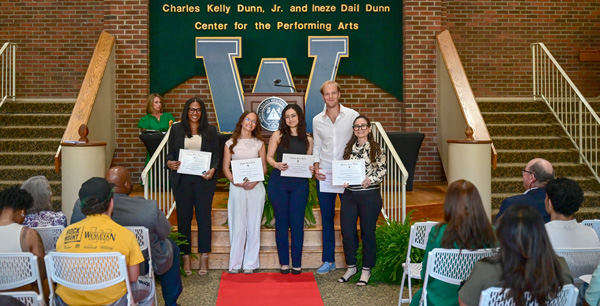
Provost Dr. Joe Lane expressed his pride in the students’ accomplishments, stating, “Our awardees and honor society members have displayed outstanding contributions both inside and outside the classroom. Their dedication and hard work are truly commendable, and we are confident that they will continue to excel in their future endeavors.”
North Carolina Wesleyan University remains committed to fostering an environment of academic excellence and leadership, and the Honors Convocation is a testament to the university’s dedication to recognizing and celebrating student achievements.
When you see these students, please take a moment to congratulate them.
To view entire 2026 honors list and photos from event, visit ncwu.edu/academics/academic-honors
NC Wesleyan Student Turns Pain into Purpose Through Published Memoir
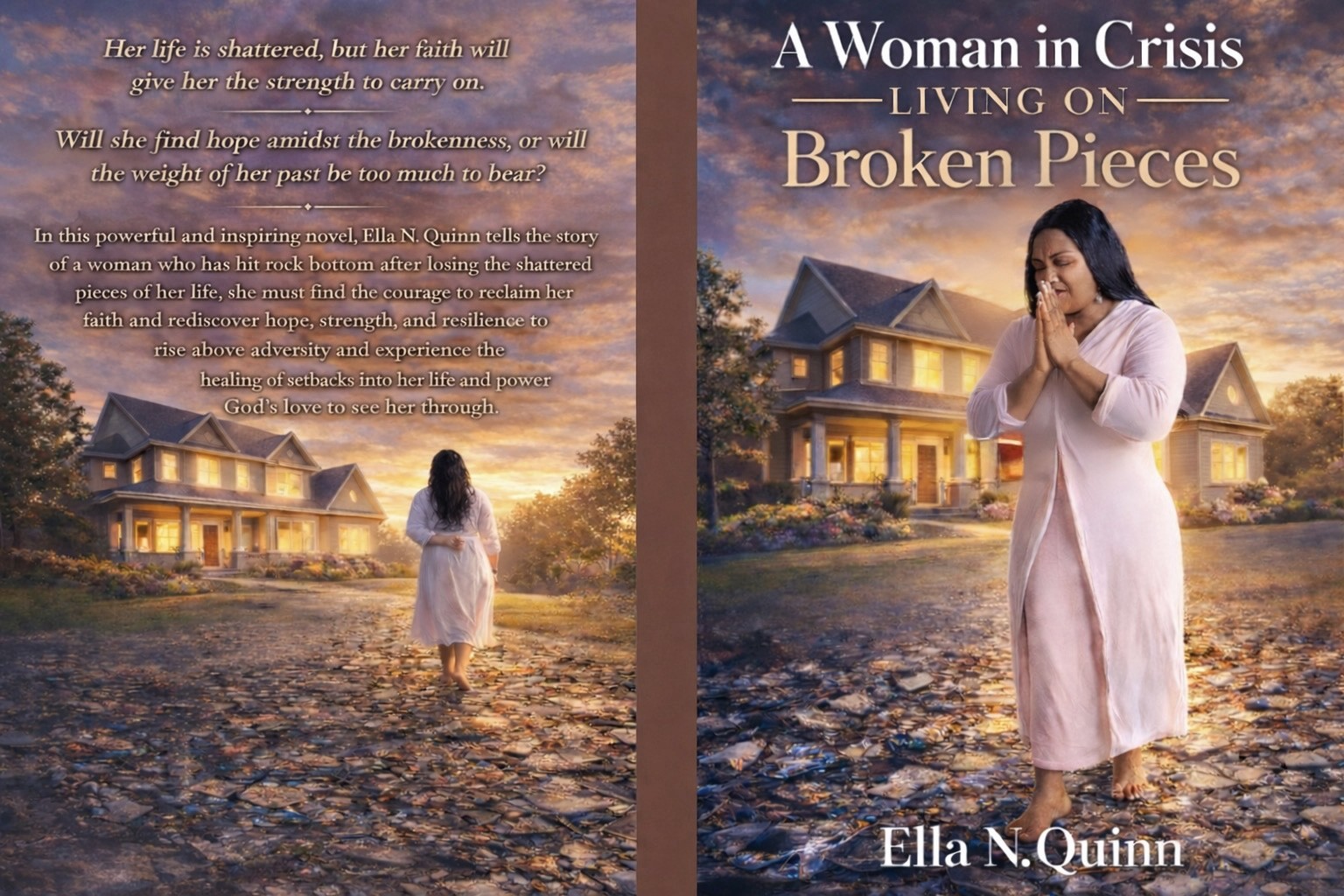
North Carolina Wesleyan University student Ella Quinn, currently pursuing a degree in Business Administration, is using her voice to inspire others through her newly released book, A Woman in Crisis Living on Broken Pieces.
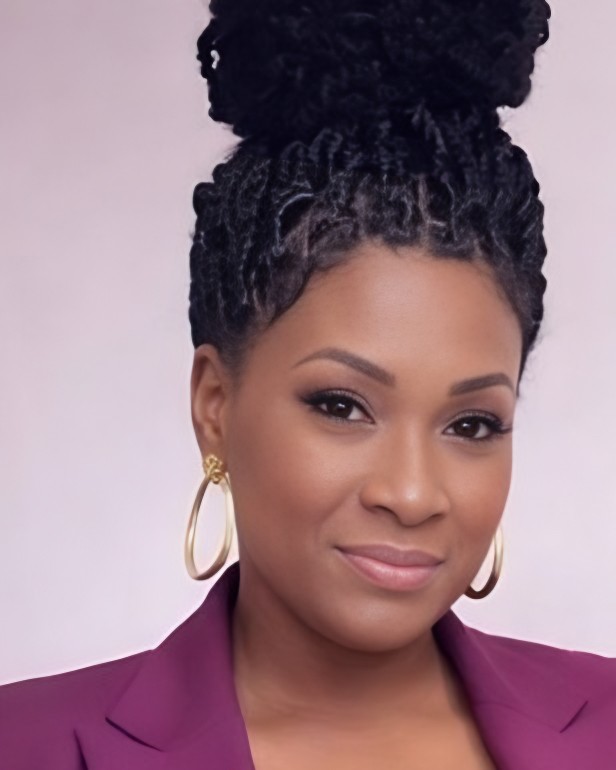
Inspired by personal life experiences, including navigating an abusive relationship, Quinn says she felt called to share her story as a message of hope for others facing hardship.
“This book came from my personal life experiences,” Quinn shared. “I felt led to share my story to bring hope, healing, and encouragement to others who may be in this situation and think there is no way out, feel broken, and/or overlooked.”
Quinn described the writing process as both emotional and healing, requiring her to revisit painful moments while also reflecting on how far she has come.
“The writing process was both emotional and healing,” she said. “It required me to revisit painful moments, but it also allowed me to see how far God has brought me.”
In addition to writing the book, Quinn also learned the publishing process firsthand—taking on formatting, designing her own cover, and navigating distribution. She credits the experience with strengthening her confidence not only as an author, but as an entrepreneur. Quinn said the moment she realized she wanted to become an author was when she understood her story had purpose beyond herself.
“I realized I wanted to become an author when I understood that my story was not just for me; it was meant to help others,” she said.
Through her book, Quinn hopes readers recognize that healing is possible—even in the most difficult circumstances.
“I want readers to know that no matter how broken their situation may seem, they are not beyond restoration,” she said. “There is healing, there is purpose, and there is still life after crisis.”
Quinn also shared how her experience at NC Wesleyan has supported her growth as she balances academics and personal goals.
“My time at NCWU has strengthened my leadership skills, discipline, and confidence,” she said. “The program has helped me grow both personally and professionally, giving me the structure and encouragement needed to pursue my goals, including becoming a published author.”
For students who may dream of writing or publishing a book, Quinn encourages them to begin now rather than waiting for the “perfect moment.”
“Start writing and don’t wait,” she said. “Your story matters, and someone needs to hear what you have to say. Stay consistent, be willing to learn the process step-by-step, and believe in your voice.”
Quinn says her greatest accomplishment is having the courage to share her truth.
“This book represents healing, strength, and obedience to what I believe God placed in my heart to do,” she said.
Her book, A Woman in Crisis Living on Broken Pieces, is available for purchase on Amazon and through her website at ellanquinnauthor.com.
Looking ahead, Quinn plans to continue growing her author brand, “Her Voice His Glory,” while expanding her speaking and ministry platform. She is also preparing future writing projects, including a workbook and a new book titled Your Brokenness Was Necessary.
