


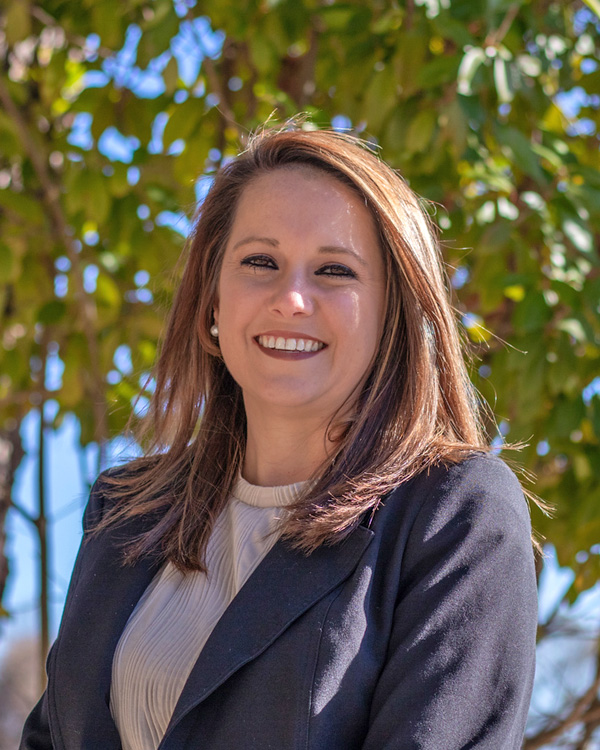
For more than 25 years, Bonnie Parrish carried a goal she had yet to accomplish: earning her bachelor’s degree. Despite building a successful career in financial services and technology, advancing into senior leadership, and balancing the responsibilities of work and family, completing her degree remained something she wanted to do for herself.
Now, Parrish is turning that long-held goal into reality at North Carolina Wesleyan University, where she is pursuing a Bachelor of Science in Organizational Leadership.
“I’m proud of the career I’ve built, but not having my degree was always something I felt was missing,” Parrish said.
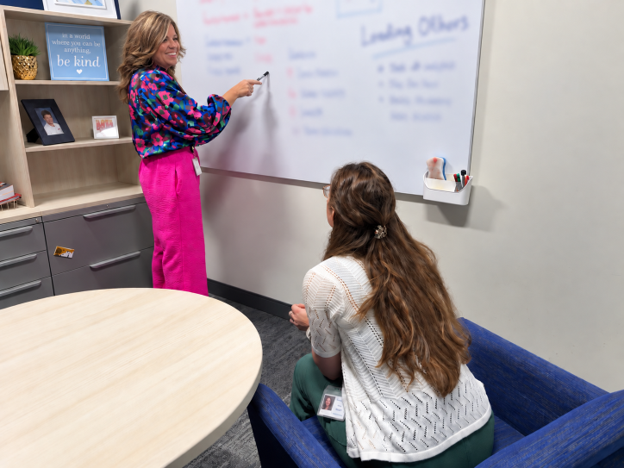
With 27 years of experience in financial services, Parrish built her career in technology through hard work, professional opportunities, and the support of people who believed in her potential. Her journey took her from starting as a bank teller to becoming a senior vice president in technology, demonstrating the value of experience, relationships, and leadership.
But even with those professional accomplishments, one personal milestone remained unfinished.
Turning “Someday” Into Now
The opportunity to return to school came when Parrish enrolled in NCWU’s Executive Leadership Certification program to strengthen her leadership skills. During the program, she spoke with her advisor, Katherine Hensley, about her desire to earn a degree and the feeling of being among professional peers who had completed theirs.
Hensley encouraged her to reconsider what was possible and helped her recognize that coursework she had already completed for the certification applied toward the Organizational Leadership degree requirements.
“She told me, ‘If you truly want to obtain your degree, it is possible,’ and showed me how I could make it happen,” Parrish said.
Realizing she had already made progress toward the degree helped Parrish see a path forward. After years of postponing the goal, she decided it was time to take the next step.
“So, I guess the short answer is that I finally realized that ‘someday’ could actually be now,” she said. “After putting it off for more than 25 years, I decided it was time to stop looking at my degree as something that was out of reach and finally finish what I started.”
Balancing Career, Family and Education
Returning to college as an adult brought a new set of challenges. With a demanding career, family responsibilities, and the everyday commitments of life, Parrish had to find time for assignments and studying wherever she could.
There were late nights, weekends, and even middle-of-the-night study sessions. At times, balancing professional deadlines with academic responsibilities left her wondering how she would manage it all.
Yet being an adult learner also gave her an advantage. Years of professional and leadership experience allowed her to connect classroom concepts with situations she had encountered throughout her career.
“I came back with years of real-world and leadership experience, so I was able to connect what I was learning in class to situations I had actually experienced,” she said.
Parrish credits her husband and her faith with helping her persevere throughout the journey. Her husband provided encouragement and support at home, giving her the time and space she needed to focus on her education. She also credits God’s grace with giving her strength during stressful moments.
“There’s no way I could have done this without my husband and God’s grace,” she said.
Her experience reflects an important reality for adult learners: returning to school requires commitment and sacrifice, but the knowledge and experience gained outside the classroom can be just as valuable as what is learned within it.
A Degree With Personal Meaning
For Parrish, earning her degree is about more than professional advancement. Although she has built a successful career without a bachelor’s degree, completing her education represents the fulfillment of a personal goal she has carried for decades.
“I feel blessed to have built a career that took me from starting as a teller to becoming a senior vice president in technology without a bachelor’s degree, and I know I earned what I’ve accomplished along the way,” she said.
“Completing it has given me the satisfaction of finally accomplishing a goal I had carried with me for more than 25 years.”
The experience has also reminded her that learning and personal development do not have to stop at a certain age or career stage. She hopes to continue growing as a technology leader while dedicating more time to developing other leaders.
She has even begun considering graduate school, a possibility she might not have imagined before returning to college.
“More than anything, this experience has reminded me that growth doesn’t have an expiration date,” Parrish said. “At this stage of my career and life, I’m still learning, still growing, and still discovering what I’m capable of.”
Her Advice to Other Adult Learners
For adults who have considered returning to college but worry that too much time has passed, Parrish understands the hesitation. She spent years telling herself that earning her degree could wait.
Her advice is straightforward: stop assuming it is too late.
She acknowledges that returning to school is not always easy. Adult learners may need to rearrange priorities, sacrifice free time, and balance assignments with work and family commitments. But she encourages others not to underestimate the knowledge and experience they already bring to the classroom.
“You’ve already lived, worked, succeeded, failed, and learned a lot along the way, and all of that comes with you into the classroom,” she said.
“It may not happen exactly the way you pictured it years ago, but that doesn’t mean it can’t happen. Give yourself a chance. Be willing to make some sacrifices, stay committed, and keep going even when it gets hard. You might be surprised by what you’re able to accomplish.”
Through its Online programs, North Carolina Wesleyan University provides educational pathways for students balancing their studies with professional and personal responsibilities. Parrish’s journey illustrates how returning to college can be about more than earning a credential. It can also mean revisiting a long-held dream, recognizing what is possible, and making the decision to move forward.
For Parrish, the goal that once seemed perpetually out of reach is finally within view. And as she looks toward what comes next, she carries a lesson that extends well beyond the classroom: it is never too late to keep growing.
NC Wesleyan Criminal Justice Students Work Alongside SBI on Active Cold Case
At North Carolina Wesleyan University, criminal justice students are getting an opportunity that goes far beyond the classroom: working directly with an actual cold case provided by the North Carolina State Bureau of Investigation (SBI).
Dr. Jay Fortenberry, Assistant Professor of Criminal Justice, leads the course, which is offered each fall and is limited to 15 students to provide an in-depth, hands-on experience.
How the Class Works
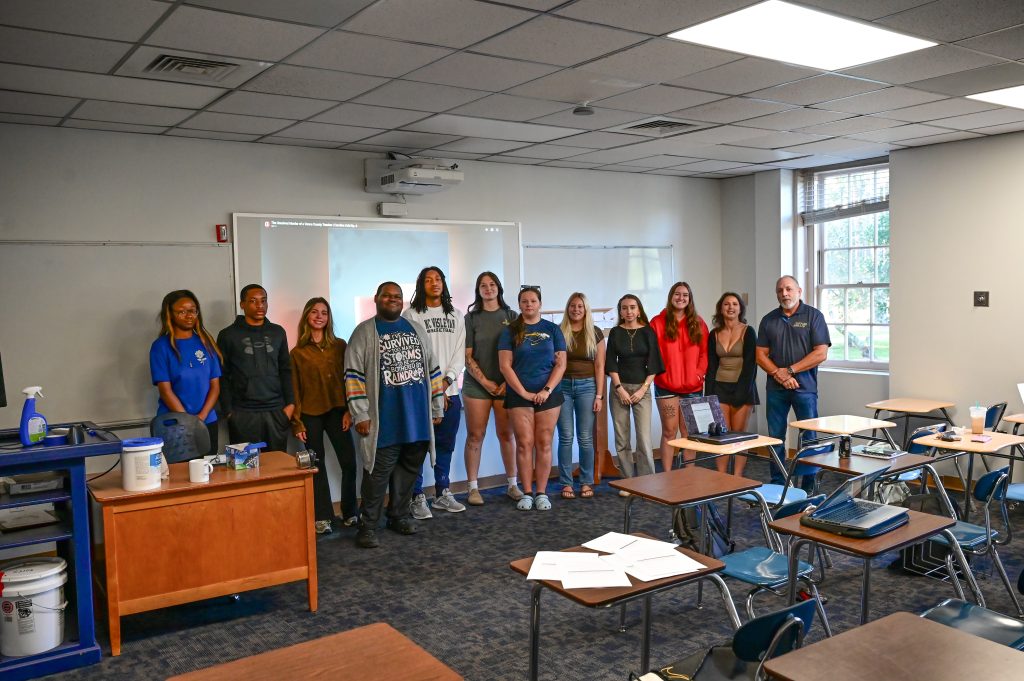
Students work with the SBI’s Cold Case Unit and the originating local agency throughout the semester. After signing confidentiality agreements, students receive access to case reports and documentation. The current case includes more than 1,500 pages of investigative material, including interviews, crime scene photographs and laboratory reports.
Each student is assigned different sections of the investigation and works to identify potential leads. As a class, students then come together to analyze the information, brainstorm investigative possibilities and develop recommendations.
At the conclusion of the course, students present their findings and recommendations to the SBI and local agencies, with the hope that their work can contribute to the successful clearance of the case.
Exclusive Experience
“This course gives our students the opportunity to apply what they are learning in a very real-world setting,” Fortenberry said. “They are working with actual investigative materials, collaborating as a team and seeing how the different pieces of an investigation come together.”
This is the third time NC Wesleyan has offered the course, and Fortenberry plans to continue offering it every fall.
The course is currently offered exclusively in a traditional, face-to-face format because of the confidential nature of the case materials. The limited enrollment also allows students to engage closely with the investigation and with one another throughout the semester.
For NC Wesleyan students, the experience offers a unique look at what it means to put criminal justice knowledge into practice, while potentially making a meaningful contribution to an ongoing investigation.
NCWU MPH Student: Theory to Practice
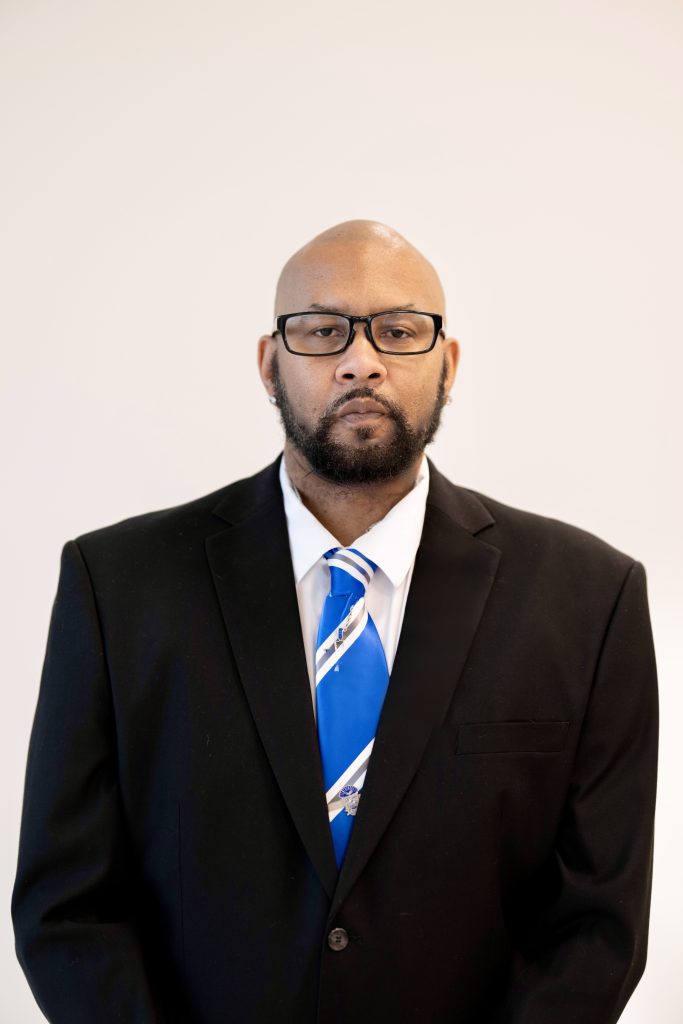
For Allan Sessoms, pursuing a Master of Public Health at North Carolina Wesleyan University is about more than earning another degree. It is about preparing for the work he hopes to do in the communities he cares about.
A Bertie County native and longtime professional with more than 20 years of experience in leadership, operations and problem-solving, Sessoms returned to the classroom with a clear purpose: to build the knowledge and skills needed to eventually establish a nonprofit focused on HIV/AIDS education, advocacy and resource navigation throughout Eastern North Carolina.
“I wasn’t pursuing an MPH just to add letters after my name,” Sessoms said. “I wanted to better understand the challenges facing the communities I care about and gain the tools to become part of the solution.”
Connecting the Classroom to the Community
Sessoms chose NC Wesleyan’s MPH program in part because it allowed him to continue working full-time while pursuing his degree. The program’s Social Epidemiology concentration also aligned with his interest in understanding the social and environmental factors that influence health outcomes.
That connection between classroom learning and real-world challenges has become one of the most meaningful parts of his experience.
During a summer internship, Sessoms worked directly with community members, conducted surveys, identified community needs and developed resources designed to address those needs. The experience allowed him to apply concepts from the classroom, including community engagement, health disparities, social determinants of health and public health planning, to work in the community.
“The internship helped me connect theory to practice,” he said. “It showed me how public health is not just about collecting data but about listening to communities, understanding their challenges, and developing solutions that are meaningful and sustainable.”
The experience has also changed the way Sessoms looks at public health challenges.
Rather than focusing only on the immediate problem, he has learned to examine the factors behind it, including transportation, housing, education, income, employment opportunities and access to resources.
“The program helped me move from looking at individual problems to looking at systems, root causes, and long-term solutions,” Sessoms said.
A Purpose Beyond the Degree
For Sessoms, that perspective is especially important as he works toward his long-term goal of creating a nonprofit focused on HIV/AIDS education, advocacy and resource navigation.
His passion for that work is personal. Living with HIV has given Sessoms firsthand insight into the challenges people can face when navigating healthcare systems, finding support and accessing accurate information and resources.
He hopes to use his public health education, professional experience and community connections to help others navigate those challenges.
“The goal is to help people access information, find support, and know that they don’t have to navigate their journey alone,” he said.
Sessoms also plans to pursue a Doctor of Public Health degree, continuing to build his knowledge and leadership abilities as he works toward making a lasting impact throughout Eastern North Carolina.
It’s Never Too Late to Keep Learning
Returning to school after building a career has given Sessoms a new perspective on lifelong learning.
He credits his NC Wesleyan professors and classmates as some of the most valuable parts of his experience. His cohort has brought together people with different backgrounds and perspectives, while his professors have challenged him to look beyond surface-level problems and consider the broader factors influencing health outcomes.
As a working professional balancing school and other responsibilities, Sessoms knows pursuing a graduate degree requires commitment. But he also believes waiting for the “perfect” time can mean waiting forever.
“Growth often happens in the middle of the chaos, not after it,” he said.
For Sessoms, the journey has reinforced a perspective he plans to carry throughout his career and one that perhaps best captures what he hopes to gain from his NC Wesleyan education.
NCWU Awarded $2.9 Million Federal Grant to Launch COMPASS Student Success Center
North Carolina Wesleyan University (NCWU) has been awarded a four-year, $2.9 million Title III Strengthening Institutions Program (SIP) grant from the U.S. Departments of Education and Labor to support a comprehensive student success initiative known as COMPASS (Career and Opportunity Mentorship for Personal, Academic, and Student Success).
The federal grant will enable NCWU to expand student support services, strengthen retention and graduation outcomes, enhance career readiness programs, modernize technology infrastructure, and create innovative approaches to student success through the establishment of the new student support services hub featuring the COMPASS Center.
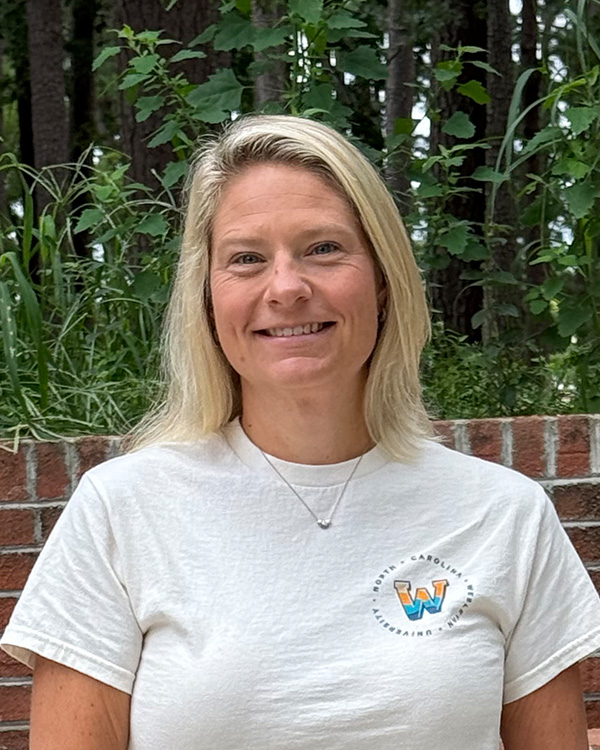
“This award represents a tremendous investment in our students and our future,” said Dr. Anne Aichele, Director of the COMPASS Center. “The COMPASS Center will create a more connected and comprehensive support system that helps students navigate their personal and academic journey, identify meaningful career pathways, and develop the skills necessary to thrive after graduation.”
The COMPASS Center will serve as a centralized hub where students can access academic advising, tutoring, mentoring, accessibility services, career development resources, academic coaching, and retention support in one location. The project is designed to strengthen institutional capacity while improving outcomes for first-generation, low-income, and academically at-risk students.
Major project initiatives include:
- Renovating library space to create the COMPASS Center.
- Expanding first-year transition and orientation programming.
- Increasing peer mentoring and student engagement opportunities.
- Enhancing career coaching, experiential learning, and employer partnerships.
- Implementing advanced student success technologies and analytics tools.
- Providing faculty and staff professional development in student success and Life Design practices.
- Advancing artificial intelligence literacy and AI-enhanced student support services.
The project also aligns with national priorities related to innovation and emerging technologies in higher education. Through faculty, staff, and student development programs, NCWU will promote responsible and effective use of artificial intelligence while preparing graduates for a rapidly evolving workforce.
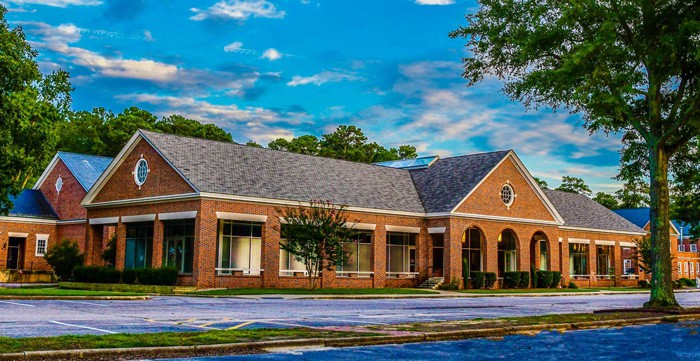
The initiative builds upon NCWU’s longstanding commitment to personalized education and student-centered learning. By integrating support services, strengthening academic and career planning, and leveraging technology to improve student outcomes, the University aims to create a sustainable framework for student success that will continue well beyond the grant period.
Funding for the project begins October 1, 2026, and continues through September 2031. The first year of funding totals approximately $1.66 million and will support renovation, technology modernization, staffing, professional development, and implementation of student success initiatives.
NC Wesleyan Earns Top 50 Ranking Among Private Universities in the South
North Carolina Wesleyan University has earned a spot among the Top 50 private universities in the South in the latest U.S. News & World Report Best Colleges rankings, ranking No. 6 among private universities in North Carolina in the Regional Universities South category.
The recognition is especially significant as NC Wesleyan enters the Regional Universities South category for the first time. The University’s growing number of graduate programs moved NCWU into a larger and more competitive classification, where it is now evaluated alongside universities with broader graduate-level offerings.
NC Wesleyan was also recognized as a Top 5 university in North Carolina for Social Mobility, reflecting the University’s impact in helping students from a wide range of backgrounds access and complete higher education.
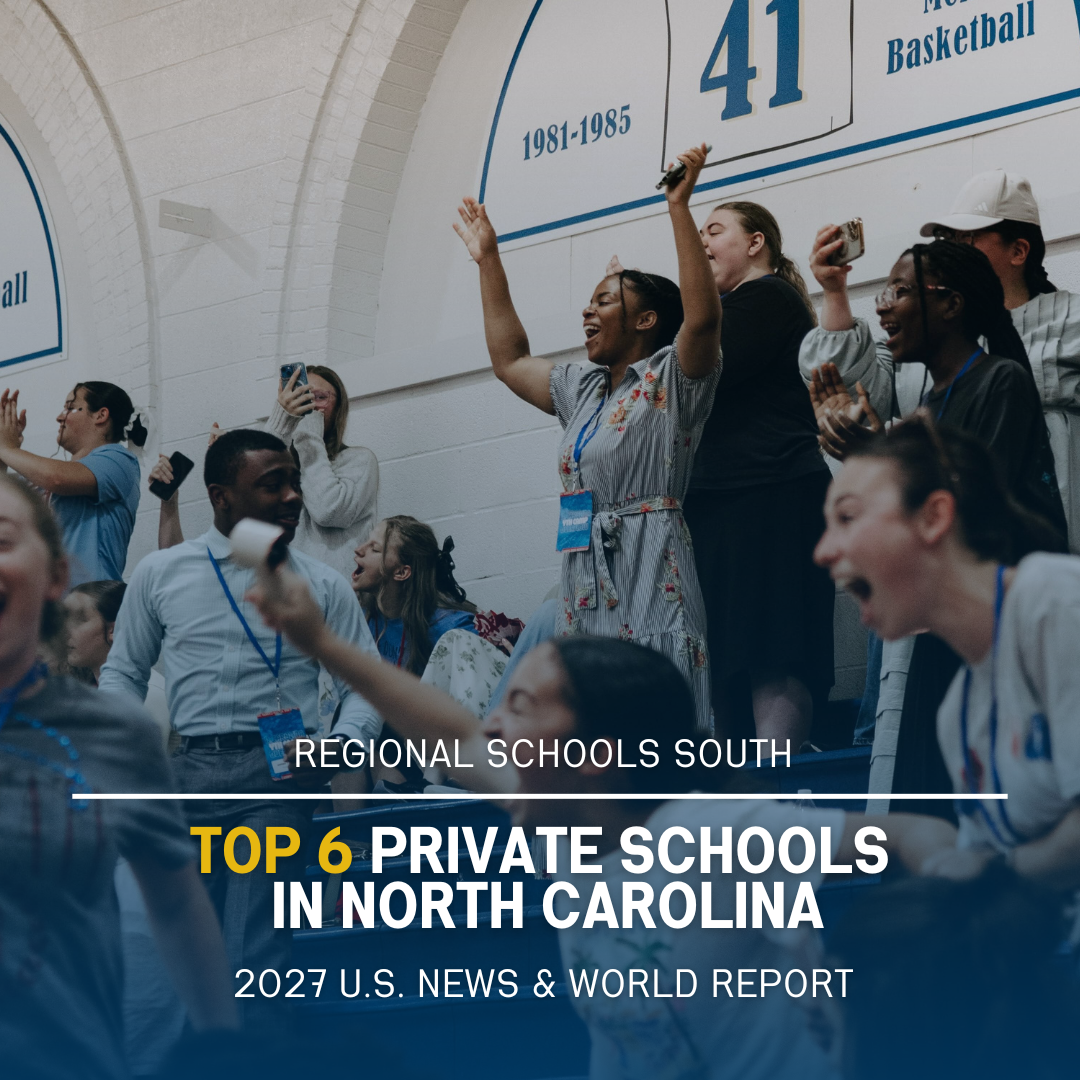
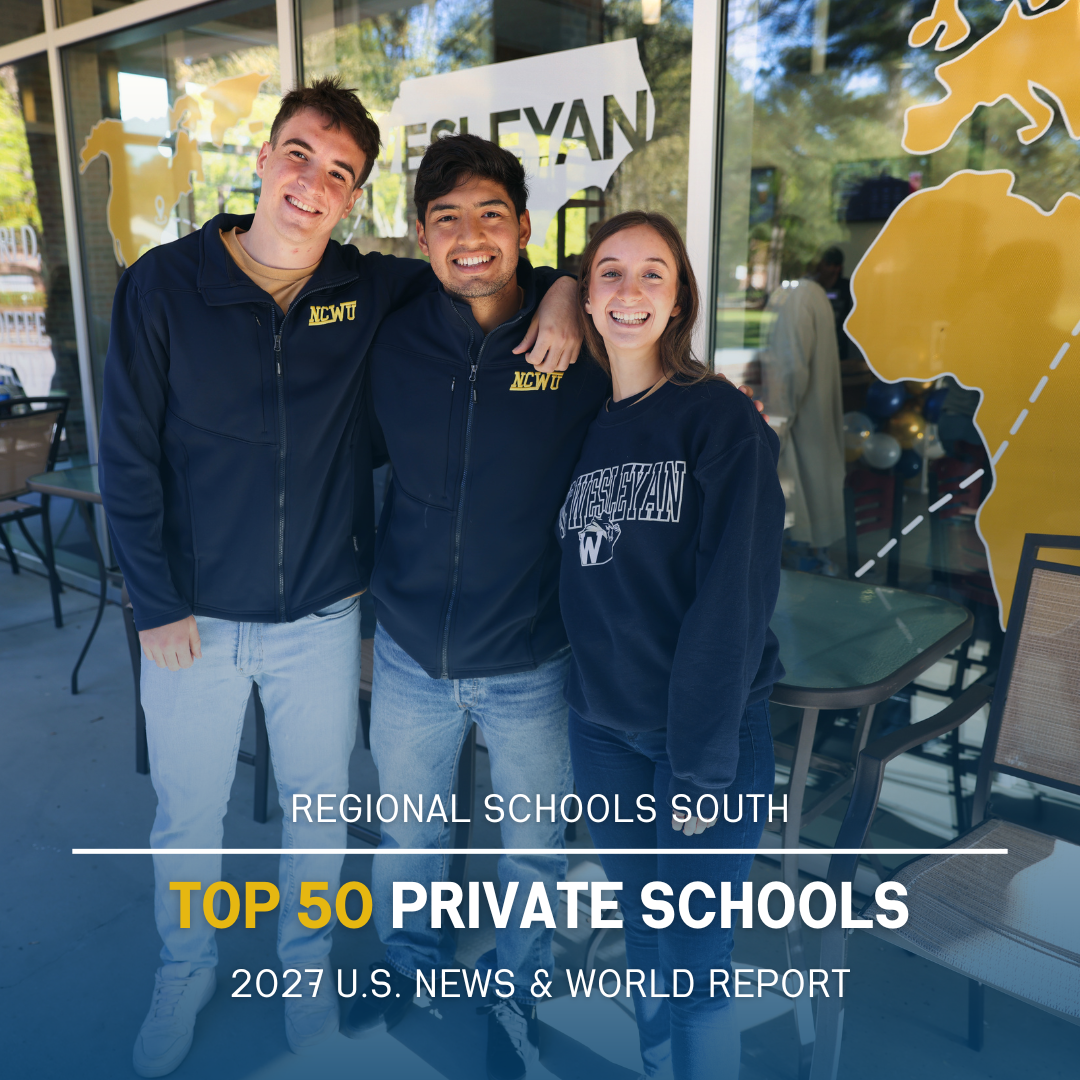
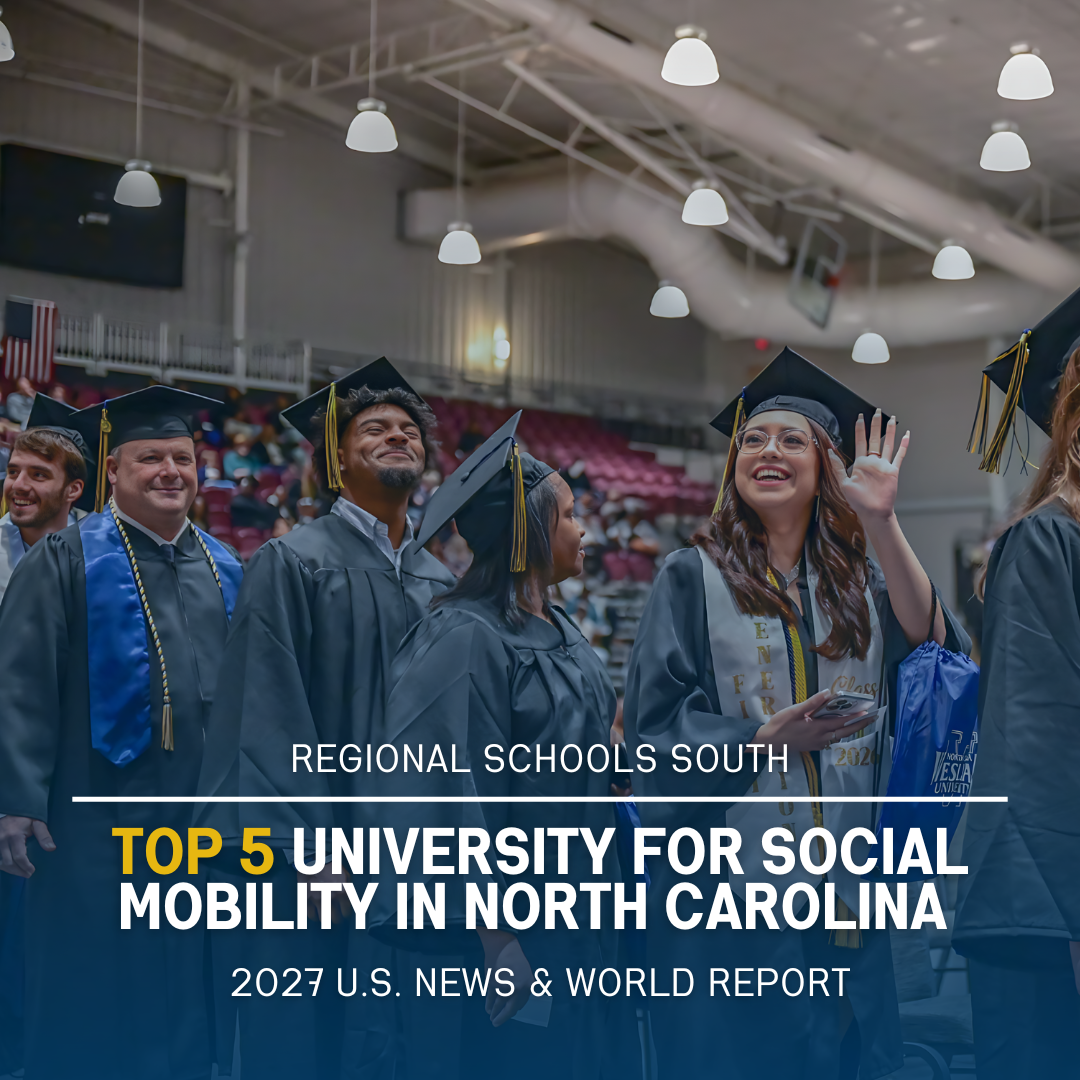
“These rankings reflect the growth of North Carolina Wesleyan while affirming what has always been central to our mission, creating opportunities for students to achieve their goals,” said NCWU President Dr. Evan D. Duff. “We are proud to be recognized among the leading private universities in the South and especially proud of the impact our students and graduates continue to make.”
The latest recognition builds on NC Wesleyan’s continued momentum in academic growth, student outcomes and national recognition as the University approaches its 70th anniversary.
CIS 210 Students Bring Computer Hardware Concepts to Life
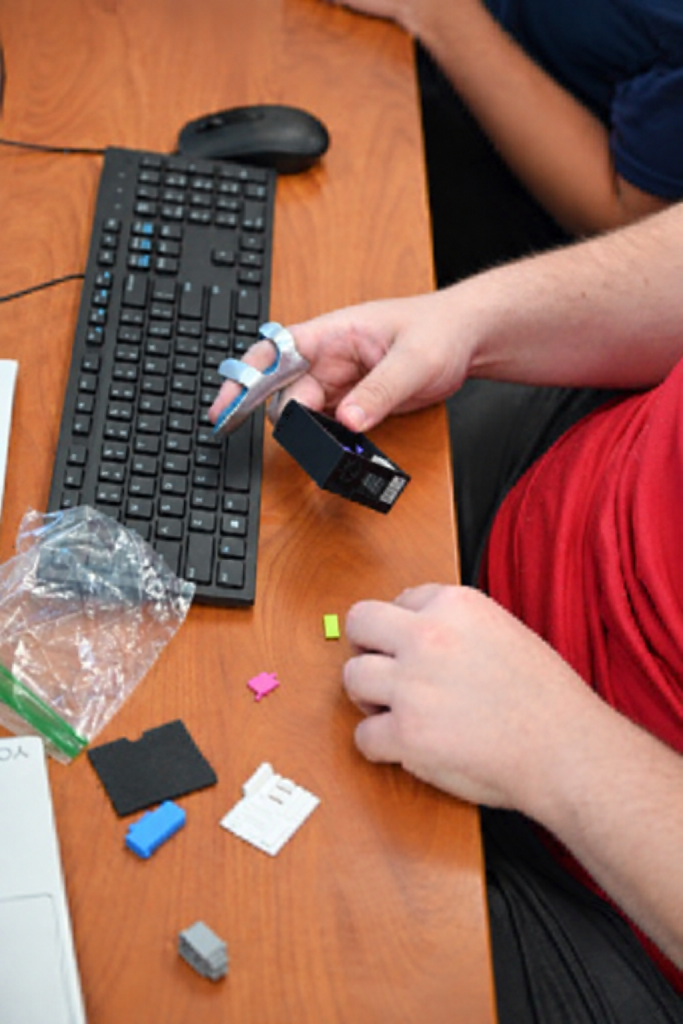
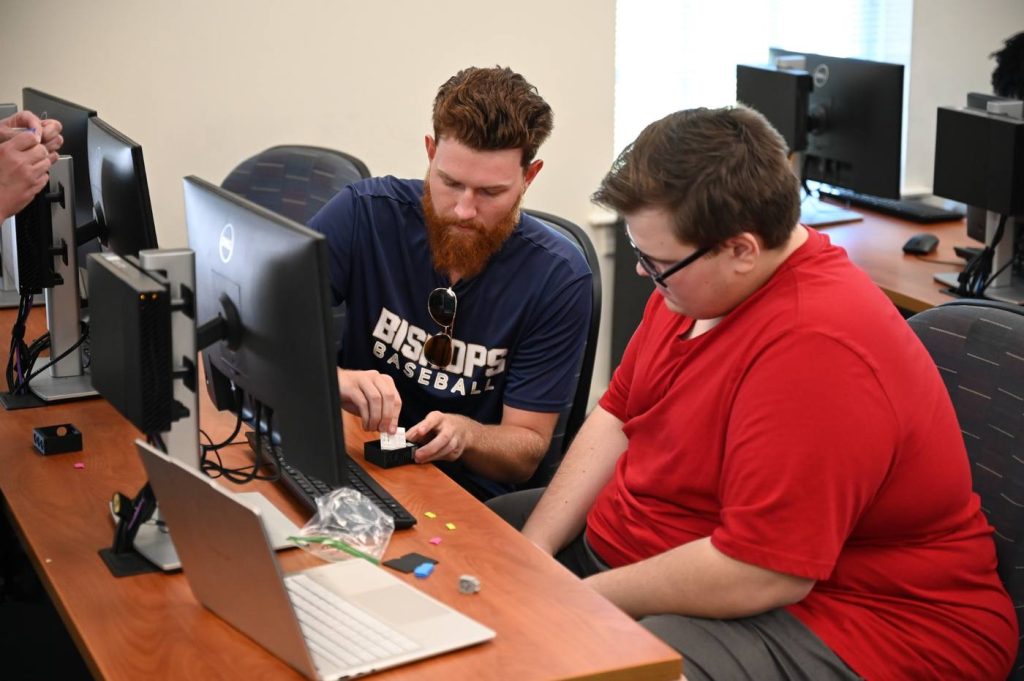
Students in NC Wesleyan University’s Computer Information Systems (CIS210) course recently took a hands-on approach to learning computer hardware by assembling miniature, 3D-printed desktop computer models.
The activity gave students the opportunity to move beyond diagrams and terminology and physically explore how major computer components—including the motherboard, memory, storage, graphics card, cooling system and power supply—fit together within a computer.
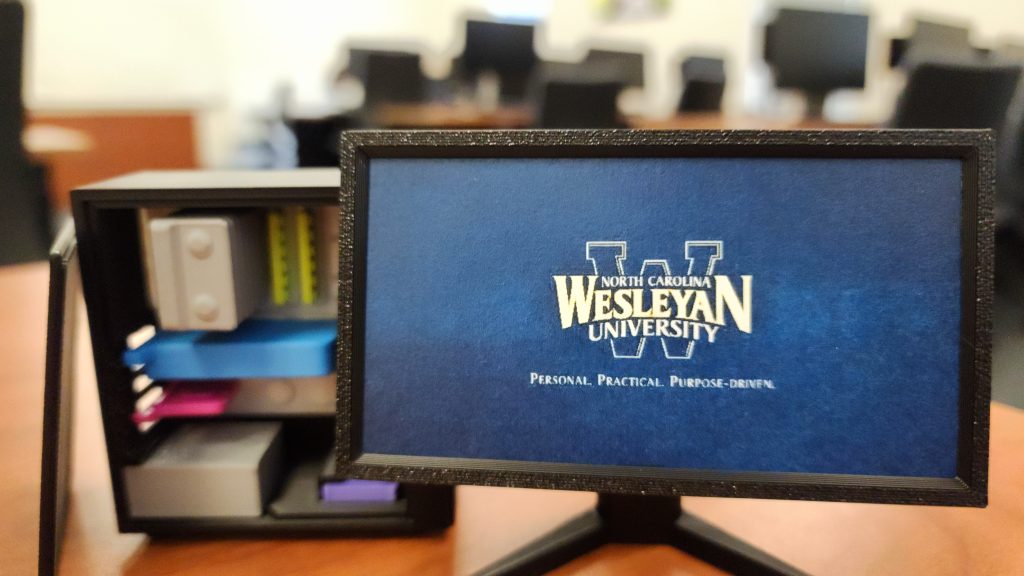
Designed as a low-risk introduction to computer assembly, the project allowed students to manipulate and assemble components without the complexities of working with full-size hardware. The hands-on experience supported tactile learning while encouraging curiosity, discussion and peer collaboration.
Beyond reinforcing technical concepts, the project helped students build confidence as they prepare to work with actual computer hardware. Students also received their miniature computers as keepsakes they can display, reassemble or use to share what they learned with friends and family.
The project is one example of how experiential learning in the classroom can make technical concepts more approachable, engaging and memorable.
NC Wesleyan Celebrates First Graduating Cohort of Applied Reproductive Biology Program with Strong Career Placement
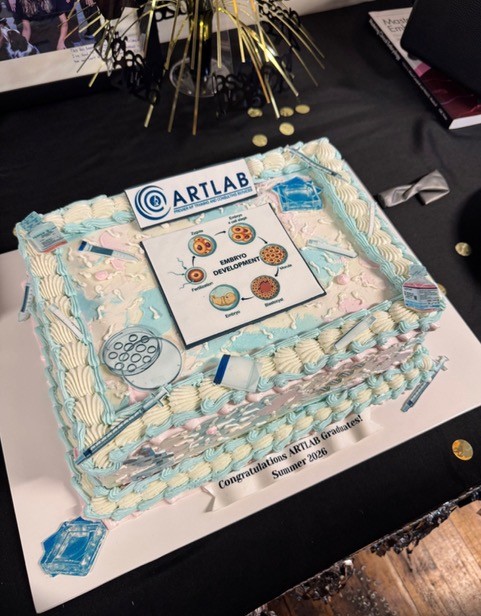
North Carolina Wesleyan University is celebrating a milestone in its growing academic offerings and its commitment to workforce development with the completion of its inaugural Applied Reproductive Biology Laboratory (ARTLAB) cohort.
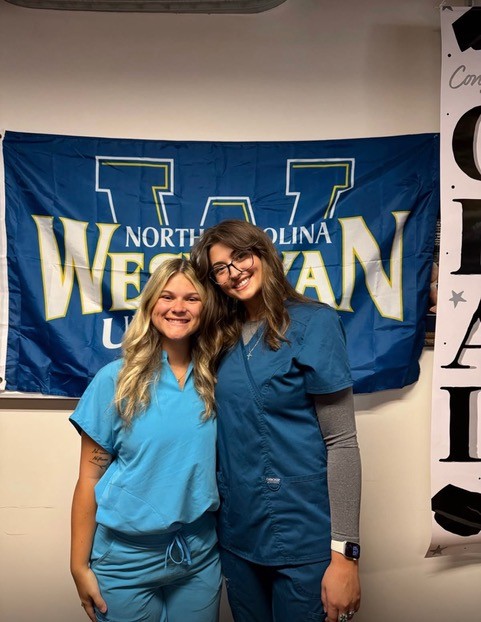
The first cohort of 11 students has completed NC Wesleyan’s Applied Reproductive Biology certificate program, designed to prepare students for careers in the rapidly growing field of assisted reproductive technology and in vitro fertilization (IVF) laboratory science.
And the results are already translating into careers.
Of the 11 students in the inaugural cohort, seven have confirmed job offers in the field, while the remaining four are currently in various stages of the interview process. Based on the progress of those students, the program projects 100% employment placement within the next month.
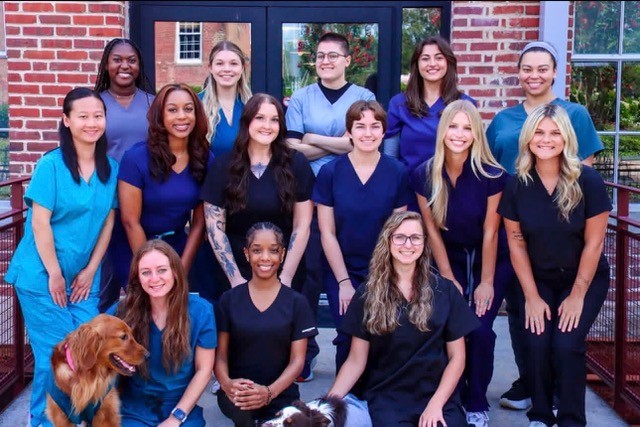
For NC Wesleyan, that early success represents more than the completion of a first class. It demonstrates the potential of ARTLAB to connect specialized education directly to workforce demand while creating new career opportunities for students and contributing to economic development in a growing industry.
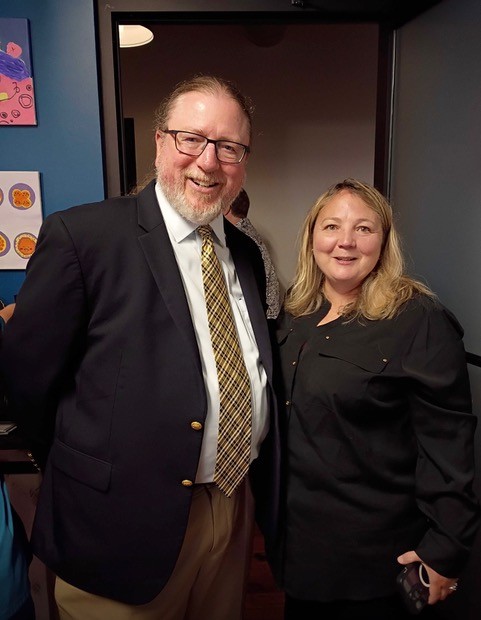
“This is the first class — the first of many — to complete the nation’s finest training for positions in IVF labs across the nation under the auspices of North Carolina Wesleyan,” said Dr. Joe Lane, Provost and Senior Vice President for Academic Affairs at NC Wesleyan University. “We look forward to working with Dr. Schenkman and her colleagues to continue growing this program and to launching new programs in related fields.”
The Applied Reproductive Biology certificate is an accelerated, specialized program that provides students with hands-on training and academic preparation aligned with the needs of assisted reproductive technology laboratories. Students are prepared to pursue opportunities within IVF laboratories and related reproductive science settings.
The program was developed under the leadership of Dr. Eva Schenkman and her colleagues, whose expertise has helped establish NC Wesleyan as an emerging destination for specialized training in reproductive biology.
The inaugural cohort’s career outcomes underscore the value of that industry-focused approach.
Building a Workforce for a Growing Industry
The demand for professionals trained in assisted reproductive technology continues to create opportunities for individuals interested in laboratory science and reproductive health. NC Wesleyan’s ARTLAB program is designed to help meet that demand by providing focused training for students seeking a pathway into this specialized field.
For the University, the program also represents a broader commitment to creating educational opportunities that have a direct impact beyond the classroom.
Students gain specialized skills. Employers gain access to trained talent. And communities benefit when graduates are able to transition into meaningful careers.
The inaugural cohort provides an early example of that workforce-development model in action.
With seven students already holding confirmed positions and the remaining four actively interviewing, the first ARTLAB cohort is poised to achieve a 100% placement rate shortly after completing the program.
Applications Open for 2027 Cohorts
With the success of its first cohort, NC Wesleyan is preparing to welcome the next group of students interested in entering the field of applied reproductive biology.
Applications are now being accepted for two 2027 cohorts:
- Spring 2027 Cohort: January 18 – March 26, 2027
- Summer 2027 Cohort: May 24 – July 30, 2027
The University encourages individuals interested in pursuing careers in IVF laboratory science and applied reproductive biology to learn more about the program and apply for an upcoming cohort.
The first cohort may have been the beginning, but NC Wesleyan sees it as just that, the beginning.
As the University continues to expand its offerings in applied reproductive biology and related fields, ARTLAB is positioned to become an important part of NC Wesleyan’s commitment to innovative education, career preparation and workforce development.
To learn more about NC Wesleyan’s Applied Reproductive Biology program or apply for an upcoming cohort, visit ncwu.edu.
NC Wesleyan and Rocky Mount Academy Establish Partnership to Expand Teacher Education Experiences
North Carolina Wesleyan University (NCWU) and Rocky Mount Academy (RMA) have entered into a new partnership that will provide NC Wesleyan teacher education students with expanded opportunities to gain hands-on experience in a private-school setting.
Through the agreement, NC Wesleyan students pursuing teacher education will have opportunities to participate in field placements, practicums and student teaching experiences at Rocky Mount Academy. Students may also engage in classroom observations, tutoring, mini-lessons and other educational activities alongside experienced educators.
The partnership represents a new dimension of experiential learning for NC Wesleyan’s Teacher Education Program. The university has previously established formal partnerships with traditional public-school systems and public charter schools, but this agreement marks an opportunity for teacher candidates to gain experience within a private-school environment.
“This MOU represents a creative and important partnership for both NC Wesleyan and Rocky Mount Academy that will allow our candidates for teacher education to gain valuable experience in the RMA classrooms and activities while strengthening our relationship to RMA,” said Dr. Joe Lane, Provost and Senior Vice President for Academic Affairs at NC Wesleyan University. “We look forward to strengthening these institutional connections as well as the many opportunities for our students to gain valuable experiences with RMA students and classes.”
Accreditation Specific
The agreement also provides NC Wesleyan students with the opportunity to learn from fully licensed teachers while experiencing the distinct instructional environment of a private school.
“While our program accreditation with the North Carolina State Board of Education and our national accreditation agency, AAQEP, both require official agreements with school systems and schools for pre-service teachers to gain experience, this one is different,” said Dr. Kelvin Spragley, Director of Teacher Education and Chief Diversity Officer at NC Wesleyan University.
“This agreement is with a private school, which provides a great opportunity since we do have graduates who will decide to teach at private, and not public, institutions upon graduation.”
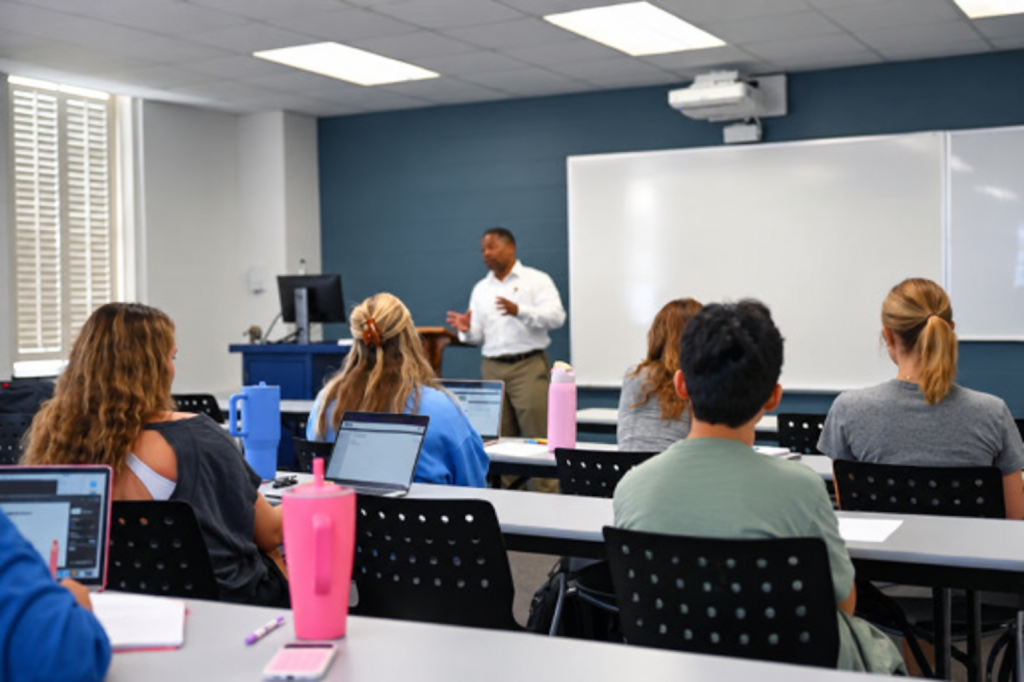
Under the agreement, NC Wesleyan teacher education students will be able to complete placement activities at Rocky Mount Academy while gaining experience through activities such as tutoring students, observing teachers and teaching mini-lessons. The agreement also establishes expectations for cooperating teachers, student teachers and college supervisors throughout the placement experience.
Meet Lily Taylor
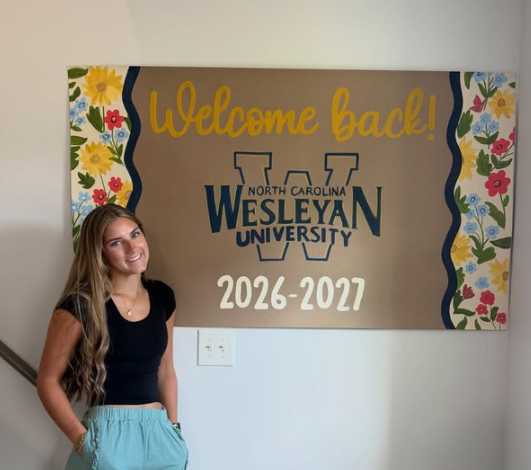
Lily Taylor, NCWU rising junior, is a Special Education major who is currently taking prerequisite Teacher Education courses prior to formally applying for entry into the program. She will be the first to participate in this opportunity.
April Whitehead, Director of Exceptional Children at RMA, shares “Rocky Mount Academy is excited to partner with North Carolina Wesleyan University to help enhance the educational experiences of future educators. We are thrilled to welcome Lily to RMA and provide her with the opportunity to apply the knowledge and skills she has gained through her coursework in a real classroom setting.
We are excited to watch Lily grow as an educator, build meaningful relationships with our students, and gain valuable hands-on experience. We are honored to have Lily learn alongside some of the best educators in the business and become part of the RMA community. We look forward to supporting her as she continues to develop the skills, confidence, and passion needed to make a difference in the lives of her future students.”
Program Distinction
For NC Wesleyan, the partnership adds another important perspective to the preparation of future educators.
“During my five-year stint at NC Wesleyan, we have only partnered with traditional public-school systems and public charter schools,” Spragley said. “This MOU provides an opportunity for our Teacher Education students to gain valuable experience in a high-quality private school. As a result, our students will be able to concretely compare and contrast their respective experiences between a traditional public, public charter and private school. To say I am excited is an understatement.”
The partnership reflects a shared commitment to connecting future educators with authentic classroom experiences while building stronger relationships between NC Wesleyan and the Rocky Mount community.
For NC Wesleyan students, the experience will offer an opportunity to broaden their understanding of the educational landscape and explore the different environments in which they may ultimately build their teaching careers.
NC Wesleyan Correctional Institutions Class Welcomes Guest Speaker from Nash Correctional Institution
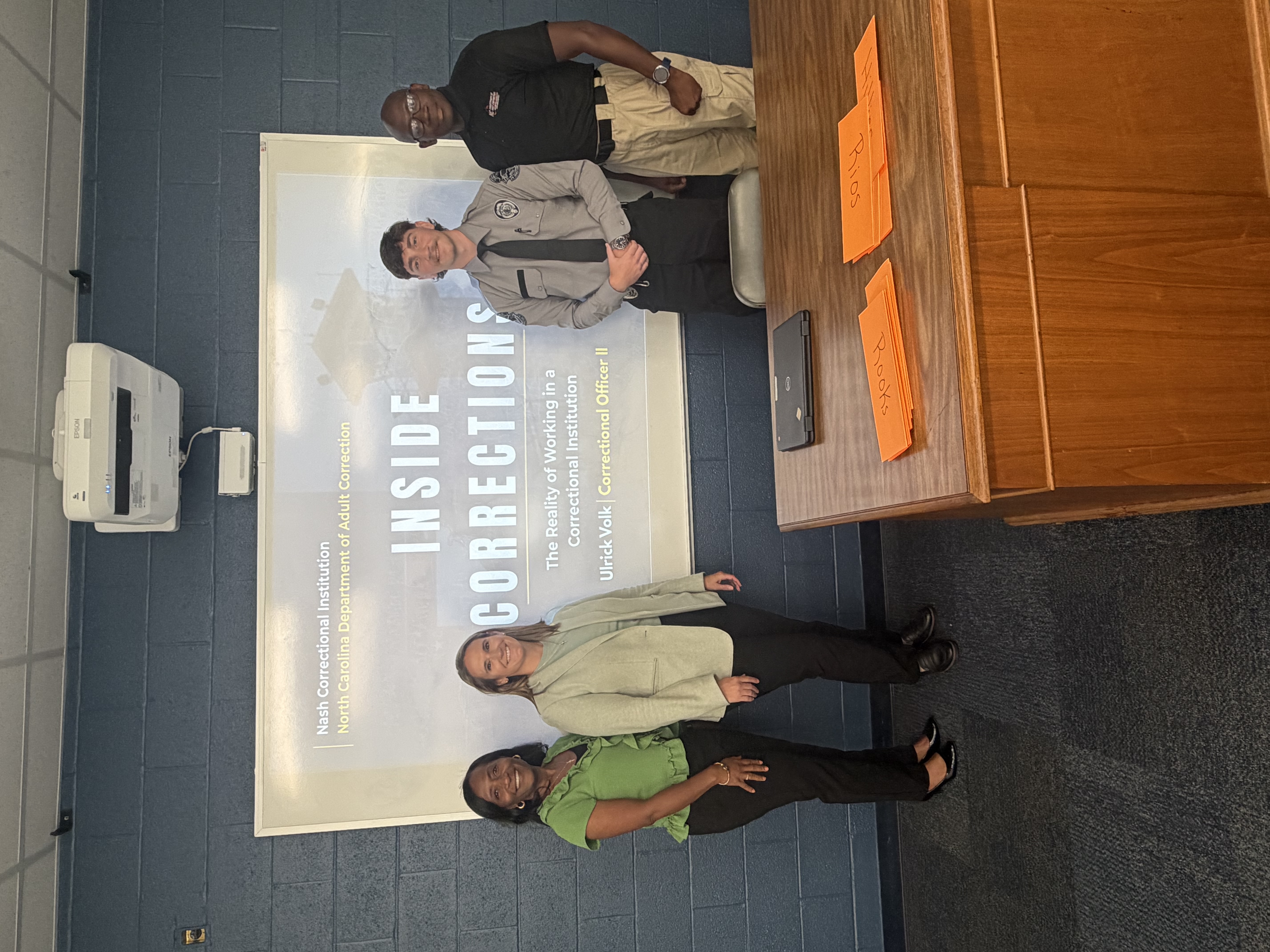
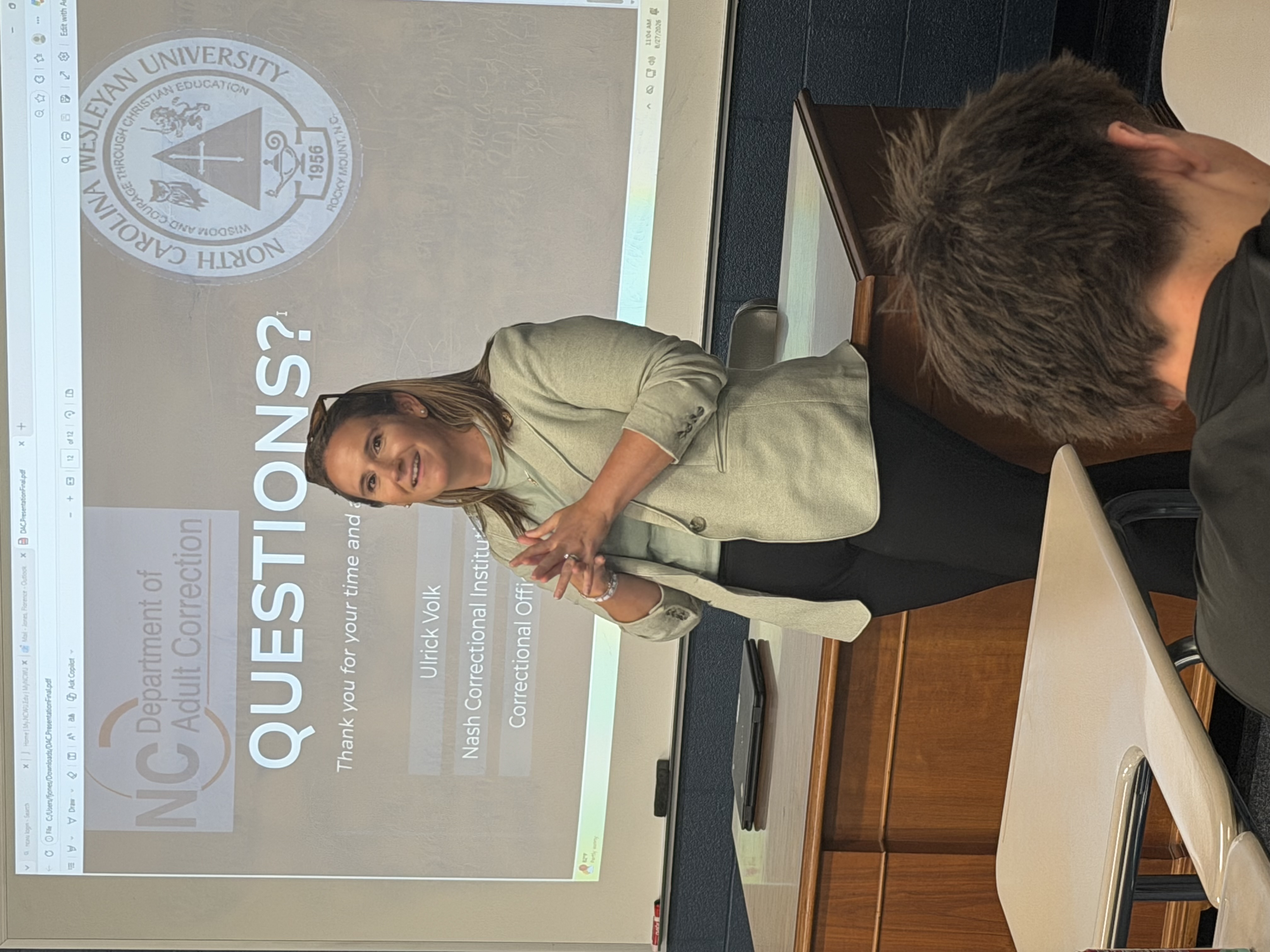
Students in North Carolina Wesleyan University’s Correctional Institutions class received an inside look at the realities of working in corrections when current NCWU psychology student and newly appointed Correctional Officer Ulrick Volk visited the class as a guest speaker.
Officer Volk, a former student of Professor Florence R. Jones, shared his experiences transitioning from college student to correctional officer at Nash Correctional Institution. He was escorted by Warden Talena Lee, who also spoke with students about careers, professional advancement, and opportunities within corrections.
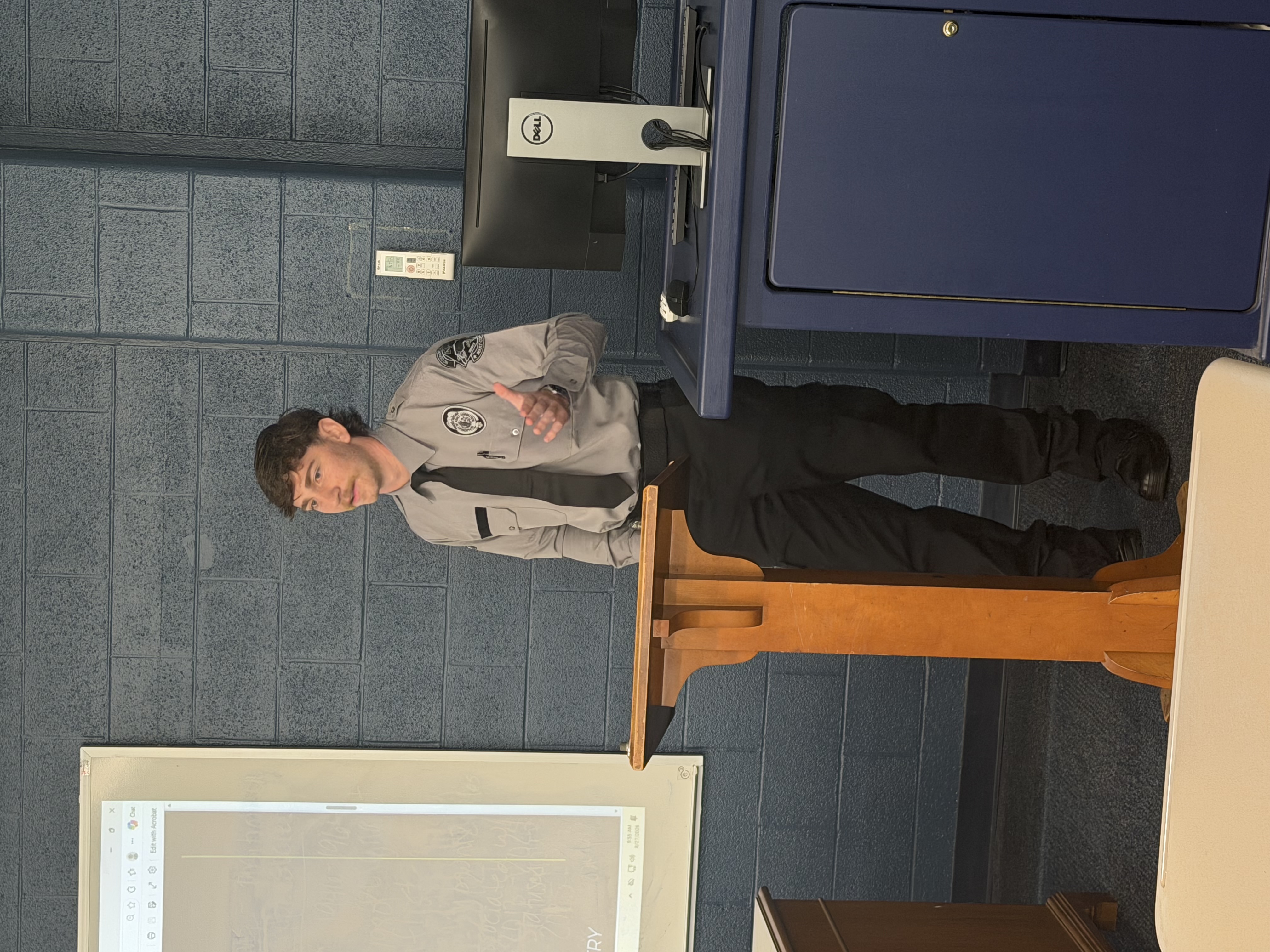
Dressed in his professionally pressed correctional officer uniform, Officer Volk presented “Inside Corrections: The Reality of Working in a Correctional Institution.” His presentation covered a variety of topics, including why he chose corrections, his expectations versus the realities of the profession, the role and responsibilities of a correctional officer, direct supervision, de-escalation, prevention and response, contraband prevention, and lessons he has learned since entering the field.
About Officer Volk
Officer Volk’s journey into corrections began in April 2026, near the end of the Spring semester, when he contacted Professor Jones to express his interest in pursuing a career in corrections. Recognizing his potential and commitment, Professor Jones contacted Warden Lee, who assisted in supporting his transition into the profession.
Officer Volk went on to attend Correctional Officer Basic Training, where he distinguished himself among his peers. He graduated at the top of his class in firearms training, placed second on the final examination, and was selected to serve as the class speaker at graduation.
His presentation generated considerable interest and discussion among the students. Class members asked thoughtful questions about his fears and experiences, daily job responsibilities, balancing college with full-time employment, safety, and the challenges of working in a correctional environment. His professional and candid responses provided students with a realistic perspective on the profession and sparked interest in corrections as a potential career path for several students.
Warden Lee also engaged with the class, sharing her own experiences in corrections, discussing career advancement and promotional opportunities, and providing students with additional information about Nash Correctional Institution. Students eagerly took advantage of the opportunity to ask questions and learn from her extensive experience as a correctional leader.
Mr. Lance Woodard also accompanied Officer Volk and Warden Lee. Warden Lee introduced him and provided students with additional insight into his background and experience in corrections, as well as his professional access and connection to Nash Correctional Institution.
Criminal Justice at NCWU
The visit provided students with an invaluable opportunity to connect classroom instruction with real-world correctional experiences. Rather than simply learning about corrections from a textbook, students were able to hear directly from professionals working within the field and gain a better understanding of the responsibilities, challenges, opportunities, and rewards associated with a career in corrections.
On behalf of Dr. Gail Marsal, Associate Professor and Program Coordinator for Criminal Justice; Professor Florence R. Jones; and North Carolina Wesleyan University, we extend our sincere appreciation to Officer Ulrick Volk, Warden Talena Lee, and Mr. Lance Woodard for taking the time to visit the Correctional Institutions class and share their knowledge, experiences, and professional insight with our students.
Their willingness to invest in the next generation of criminal justice professionals made this an educational and memorable experience for the class.
NC Wesleyan Offers Nursing Students a Path Forward Amid Regional Program Changes
As nursing students across Eastern North Carolina navigate changes in regional nursing education, North Carolina Wesleyan University is highlighting both the strength of its growing nursing programs and the impact its graduates are making throughout the region.
Great 100 Nurses
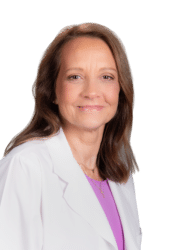
One example is NC Wesleyan University alumna Celina Hawkins ‘24, BSN, RN, who has been named one of the Great 100 Nurses of North Carolina for 2026.
Hawkins, who serves as Education Coordinator at ECU Health Edgecombe Hospital, was selected among 100 nurses statewide recognized for their professional excellence, dedication to the nursing profession and contributions to their communities.
The Great 100 Nurses of North Carolina has recognized nurses across the state since 1989. Each year, thousands of nominations are submitted by patients, healthcare professionals, friends and family members, with 100 nurses ultimately selected for the honor.
Hawkins began her nursing education at Edgecombe Community College, earning her associate degree in nursing before continuing her education at North Carolina Wesleyan University, where she earned her Bachelor of Science in Nursing. Our RN to BSN program for registered nurses can be completed 100% online and has one of the lowest tuition rates in the state.
She has spent 14 years with ECU Health, beginning her career in the Surgical Unit at ECU Health Edgecombe Hospital before moving into nursing education. In her current role, Hawkins supports professional development, clinical excellence and lifelong learning among nursing staff.
Her recognition comes at a time when prospective and current nursing students throughout the region may be reassessing their educational options following recent changes to regional nursing programs.
NC Wesleyan’s Accredited Nursing Programs
North Carolina Wesleyan is prepared to help students explore their next steps.
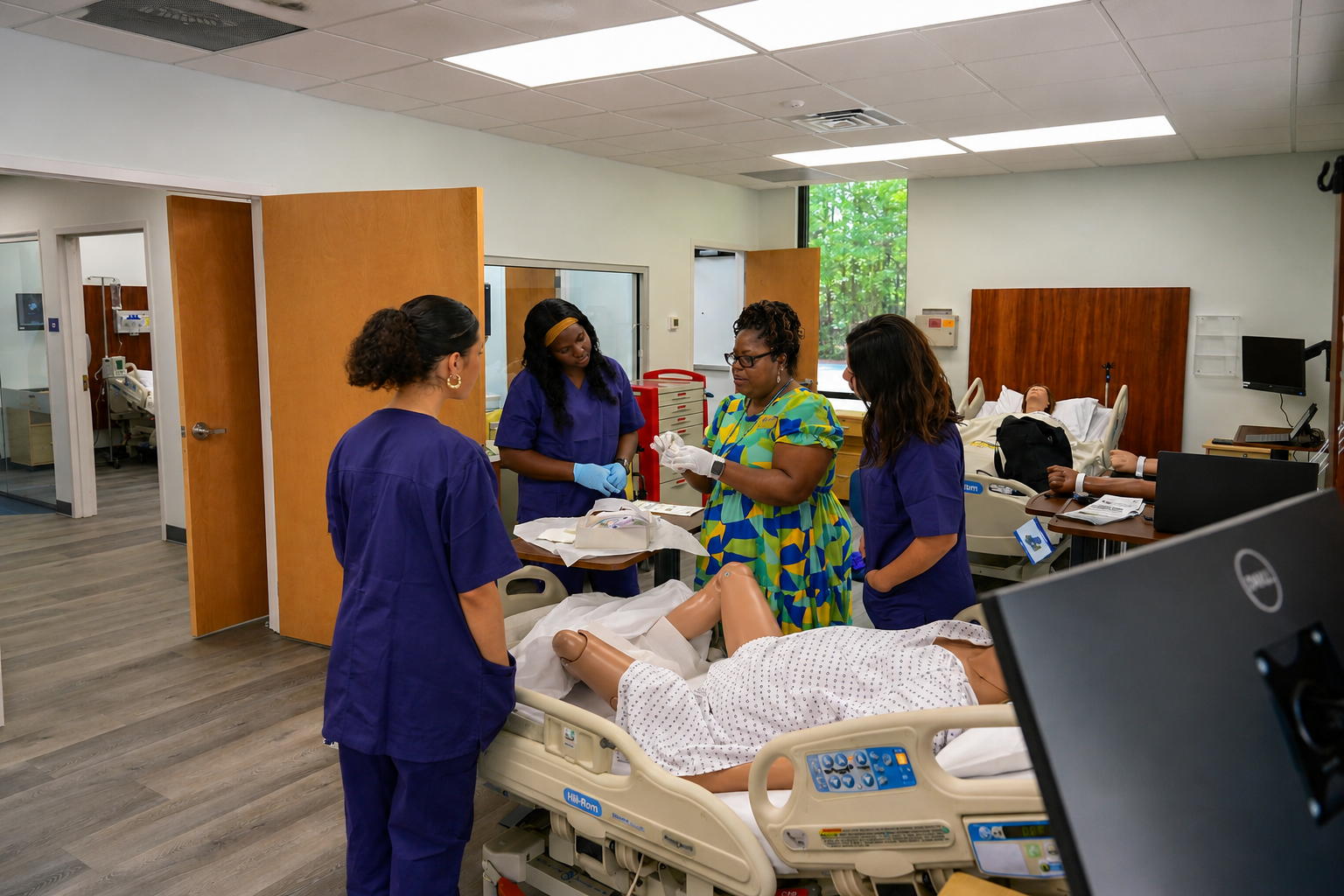
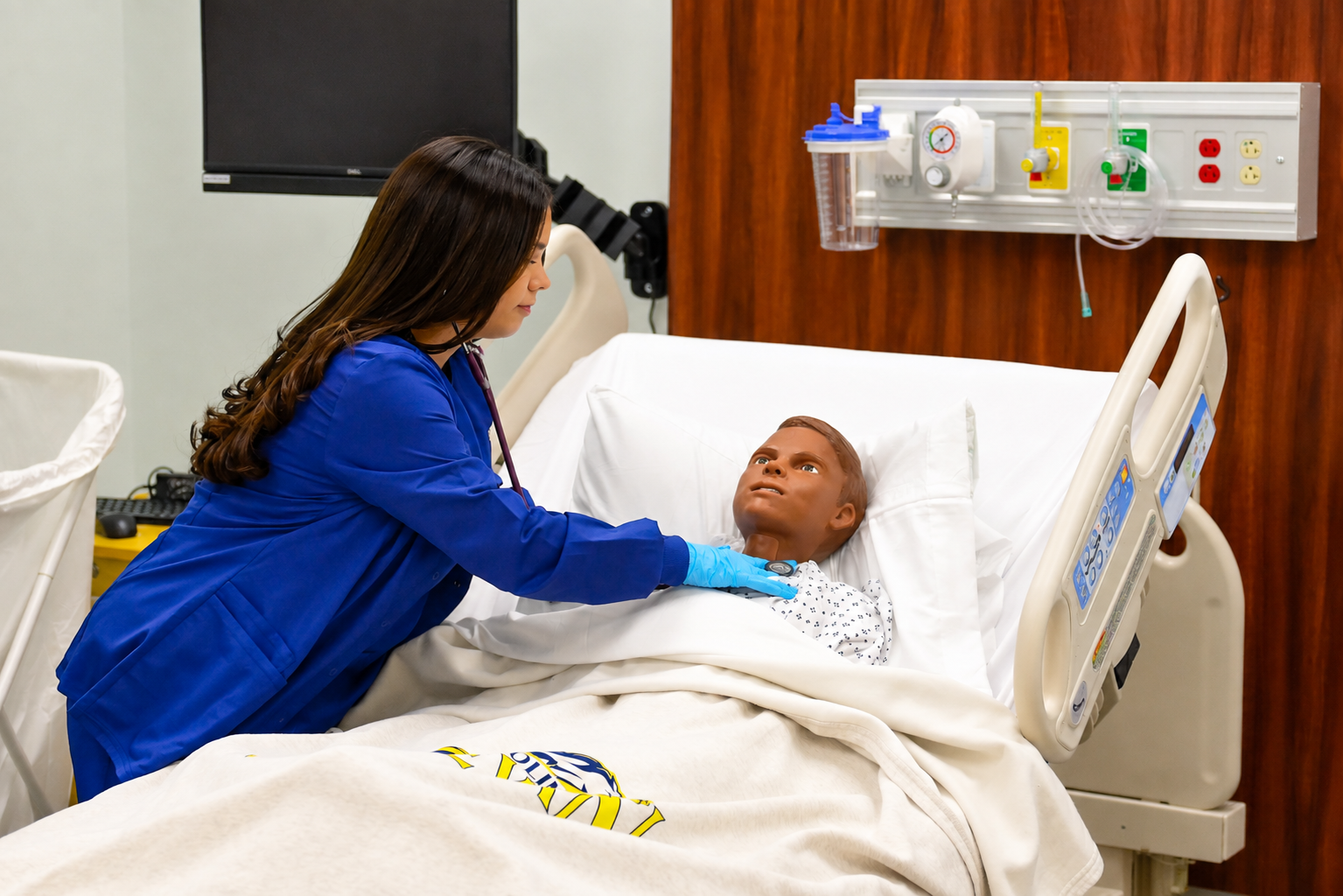
The university offers a growing prelicensure Bachelor of Science in Nursing program, along with an established RN-to-BSN program for registered nurses seeking to complete their bachelor’s degree. NC Wesleyan’s RN-to-BSN program is accredited by the Commission on Collegiate Nursing Education.
“We want students pursuing nursing to know that there are options available to them,” said Dr. Crystal Ostheim, Director of Nursing Programs and Initiatives. “Our goal is to provide students with a strong educational foundation and the support they need to build successful careers in nursing and make a difference in their communities.”
NC Wesleyan recently welcomed 29 students into its prelicensure BSN program, marking another milestone in the university’s growing commitment to nursing education.
For students who are reconsidering their nursing education plans, NC Wesleyan encourages prospective students to connect with its admissions and nursing teams to discuss their individual circumstances, academic backgrounds and potential pathways.
“Every student’s situation is different,” said Dr. Ostheim. “We’re here to listen, answer questions and help students understand what their options may be.”
Hawkins’ recognition as one of North Carolina’s Great 100 Nurses provides a powerful example of where a Wesleyan nursing education can lead. From earning her BSN at NC Wesleyan to becoming a nursing educator and now being recognized among the state’s Great 100 Nurses, Hawkins continues to make an impact on the healthcare profession and the communities she serves.
For students considering nursing or exploring a change in their educational plans, NC Wesleyan is ready to help them take the next step.
Our Fall 2027 BSN Nursing Program Application will OPEN on September 15, 2026 in order to accommodate the growing demand for our nursing program. APPLY first using our Traditional Admissions process.
NOTE: The Nursing Program (BSN) application is for students who have met all requirements and desire to apply to the Nursing program. Students MUST apply to Traditional admissions first and then be accepted to NC Wesleyan BEFORE they complete the BSN Application.
