



From the elementary classroom to community health initiatives, Kailyn St. John is discovering how a Master of Public Health can open doors to meaningful work while making a difference in the lives of others.
When Kailyn St. John decided to pursue her Master of Public Health (MPH), she knew she wanted to build on her interest in health and wellness. What she didn’t know was just how many ways public health would connect to her everyday life.
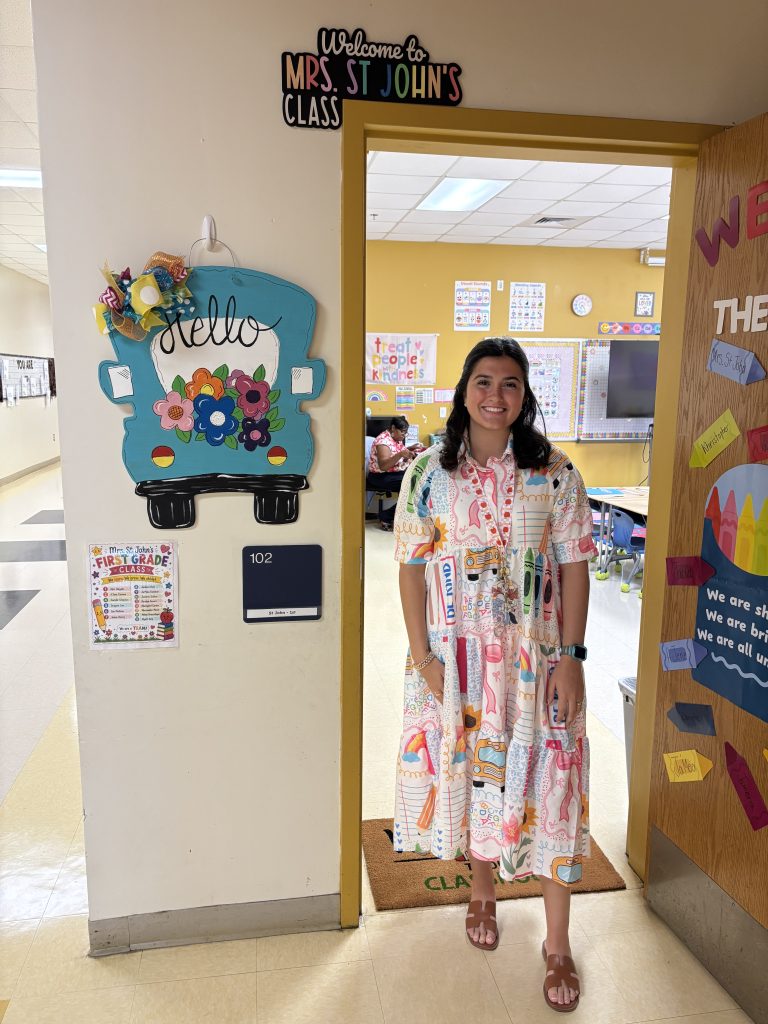
Originally from Hinsdale, New Hampshire, St. John graduated from Keene State College in May 2025 with a bachelor’s degree in Health Sciences before beginning her graduate studies at North Carolina Wesleyan University. Today, she balances several responsibilities: working as a first-grade teacher in Kinston, serving as a graduate assistant for NC Wesleyan’s MPH program, and completing a public health internship with Carteret County Health and Human Services.
It’s a full schedule, but St. John is working toward a goal that matters to her: helping people and communities live healthier lives.
“I would never say that it is easy, but it is possible,” St. John said of balancing graduate school with a busy life. “If earning the degree is something that is truly important to you, being busy does not automatically mean you cannot do it.”
Connecting the Classroom to Community Health
St. John chose NC Wesleyan’s MPH program in part because of its flexibility and its concentration in Physical Activity and Health, an area that first captured her interest during her undergraduate studies.
The online format allowed her to continue her education while gaining professional experience. Just as importantly, she found a program where she could build meaningful relationships with professors and classmates, even from a distance.
“I never expected to feel as connected as I do to an online graduate program, but NC Wesleyan has given me that experience,” she said.
Through her studies, St. John has also discovered that public health extends far beyond hospitals and healthcare facilities. In her first-grade classroom, she sees how nutrition, physical activity, emotional well-being, access to resources, and family circumstances can affect a child’s ability to learn and thrive.
Her internship provides another perspective, allowing her to gain hands-on experience with community health initiatives, health promotion, outreach, and connecting people with programs and resources.
Together, these experiences have changed the way she thinks about health.
Rather than focusing only on individual choices, St. John has learned to consider the circumstances surrounding them, including access to healthcare, transportation, income, healthy food, and opportunities for physical activity.
That broader perspective is one she plans to carry throughout her career.
A Degree That Opens More Than One Door
For St. John, one of the most valuable parts of earning an MPH is discovering how many directions a career in public health can take.
Her interests include children’s health, health education, chronic disease prevention, and improving access to health resources. After graduating in December 2026, she hopes to continue building her experience and explore opportunities to develop programs that improve health outcomes, particularly for children, families, and underserved communities.
She is also considering pursuing a doctoral degree in the future.
Her journey is a reminder that students do not need to have every step of their careers mapped out before beginning graduate school. Sometimes, the experience itself helps reveal new interests and possibilities.
“I certainly did not!” St. John said when asked what she would tell someone who feels they need to have their entire career figured out before pursuing an MPH.
Instead, she encourages prospective students to remain open to new opportunities and the different ways they can make a difference.
Your Next Step Starts Here
For anyone considering graduate school but wondering whether they have the time, St. John understands the hesitation. Between teaching, coursework, her graduate assistantship, an internship, and everyday responsibilities, she knows firsthand that balancing everything takes planning, prioritization, and persistence.
Her advice? Take things one week at a time, remember why you started, and don’t let a busy schedule automatically convince you that graduate school is out of reach.
An MPH can build on your existing experience while helping you explore new career opportunities and develop the knowledge to make a difference in your community.
Ready to take the next step toward your future? Explore North Carolina Wesleyan University’s Master of Public Health program and discover how flexible online graduate study can help you turn your passion for helping others into meaningful opportunities.
Ensuring Opportunity Never Pauses: The Power of Philanthropy
Across higher education, recent federal developments have prompted important conversations—particularly among Minority Serving Institutions (MSIs). New guidance and decisions from the U.S. Department of Justice and the Department of Education signal changes to how certain discretionary federal grant programs will operate moving forward. Many of these programs have historically provided mission-critical support to both MSIs and the students they serve.
For many colleges and universities, these shifts raise understandable questions. Federal funding has long played a role in helping institutions expand access, support students through challenges, and respond to workforce needs. When the funding landscape changes, institutions must take a step back and thoughtfully consider what comes next.
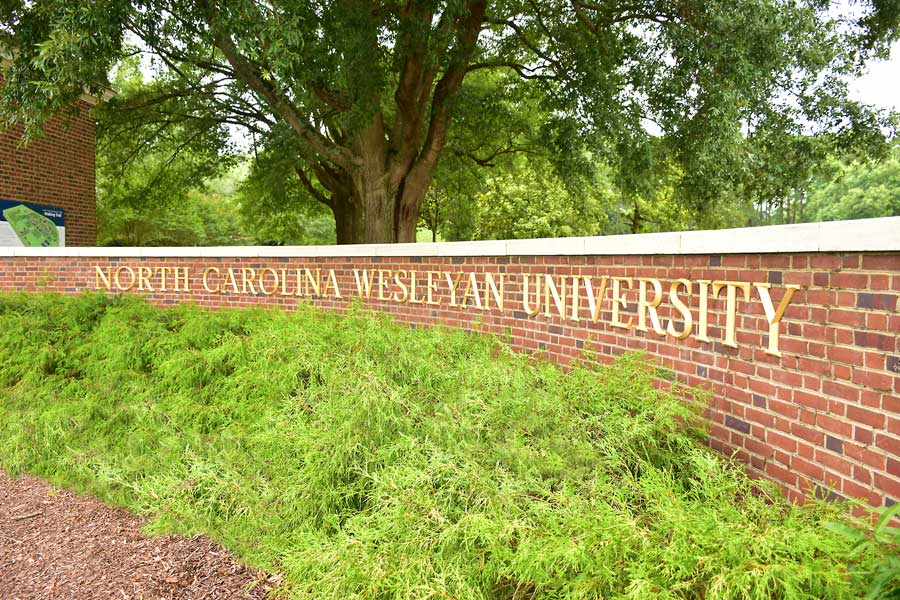
For North Carolina Wesleyan University, a proud Minority Serving Institution, this moment reinforces the importance of planning ahead, diversifying support, and strengthening partnerships that ensure long-term stability for our students and our mission.
“Higher education is constantly evolving, and moments like this remind us that adaptability and community support are essential,” said Dr. Evan D. Duff, President of North Carolina Wesleyan University. “Our responsibility is to continue serving students with excellence, regardless of shifts in the external environment.”
Understanding the Broader Context
Two recent federal actions have contributed to growing discussion within the MSI community:
One involves increased federal scrutiny of certain programs that previously provided targeted support to Minority Serving Institutions. These changes leave many institutions facing questions about the future funding availability and compliance requirements. Another includes the Department of Education’s decision to discontinue specific discretionary grant programs tied to MSI designation.
While these decisions are rooted in legal and regulatory considerations, their ripple effects are being felt across higher education. Institutions that serve large numbers of first-generation students, adult learners, Pell Grant recipients, and students from rural or economically challenged regions must now plan amid greater uncertainty.
As leaders across the country reflect on these changes, a common question emerges: How do institutions continue to deliver opportunity and access when traditional funding streams become less predictable?
What This Means for Minority Serving Institutions
Minority Serving Institutions play a critical role in the higher education ecosystem. They often serve students with significant potential and determination, many of whom balance academics with work, family responsibilities, and financial constraints. Federal support has historically helped MSIs:
- Reduce financial barriers for first-generation students and students from economically challenged households
- Build and sustain academic programs
- Provide tutoring, mentoring, and career readiness resources
- Strengthen workforce pipelines in education, healthcare, business, and public service
When funding becomes less certain, institutions must work harder to preserve these supports. Program growth may slow, student services can feel stretched, and workforce pathways that communities rely on may face added pressure.
At the same time, institutions like NC Wesleyan remain deeply committed to innovation, student success, and regional impact even as they navigate these challenges.
NC Wesleyan’s Ongoing Commitment
North Carolina Wesleyan University has long focused on providing a personalized, practical, and purpose-driven education, particularly for students from central and eastern North Carolina. As an MSI, the University places student potential at the center of everything it does, preparing graduates not only for careers but for lives of leadership and service.
“Our students come to us with ambition, resilience, and a desire to make a difference,” said Dr. Joseph Lane, Provost and Senior Vice President for Academic Affairs. “Our role is to meet them where they are, support their growth, and ensure they have access to the resources needed to succeed.”
Maintaining this level of support in a shifting funding environment calls for new approaches, thoughtful stewardship, and strong relationships beyond federal sources.
Why Private Support Matters More Than Ever
Private philanthropy, whether from individuals, foundations, corporations, or community partners, has always been an important part of NC Wesleyan’s story. Today, it plays an even more critical role.
Private support helps the University:
- Provide emergency and retention funding when students face unexpected challenges
- Create new academic programs and realign existing programs with evolving workforce needs and expectations
- Offer scholarships that reduce financial strain and increase access
- Strengthen career preparation, advising, and student success initiatives
Simply put, philanthropy helps ensure that opportunity does not pause when circumstances change.
In recent years, private philanthropy has played a stabilizing role for many institutions navigating change. Philanthropists such as MacKenzie Scott, who has made significant unrestricted gifts to colleges and universities across North Carolina and beyond, and Bloomberg Philanthropies, which has invested nationally in strengthening nursing and healthcare education, illustrate how private support can reinforce institutional capacity. Similarly, historic gifts like the more than $370 million pledged to Cornell University to endow and name its College of Engineering show how visionary donors can expand research, teaching, and student opportunity at scale across the higher education landscape.
Where Philanthropy Makes a Difference
Support for NC Wesleyan can take many forms, each with meaningful impact:
- Scholarships and endowed funds for first-generation students, adult learners, and career changers
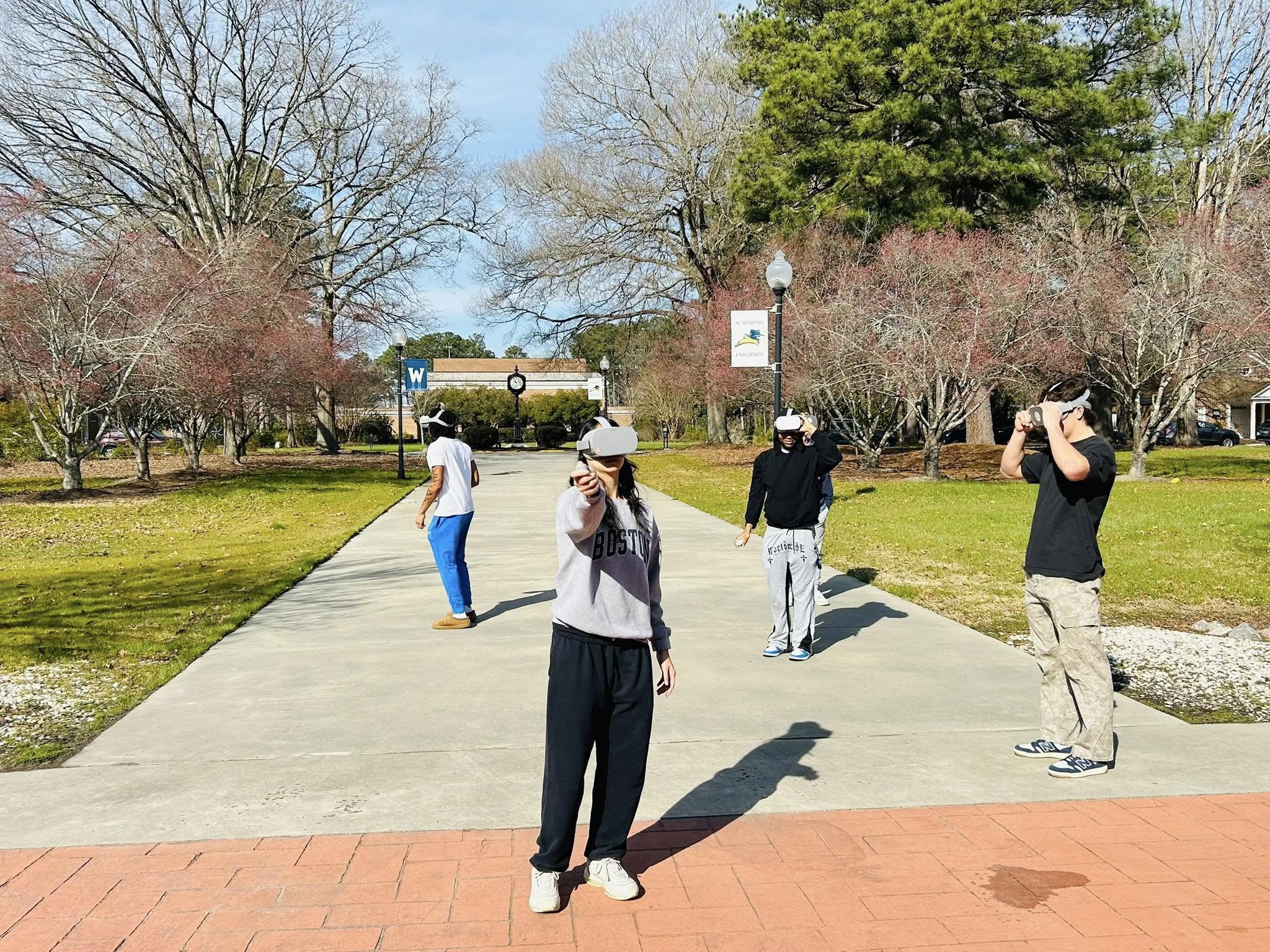
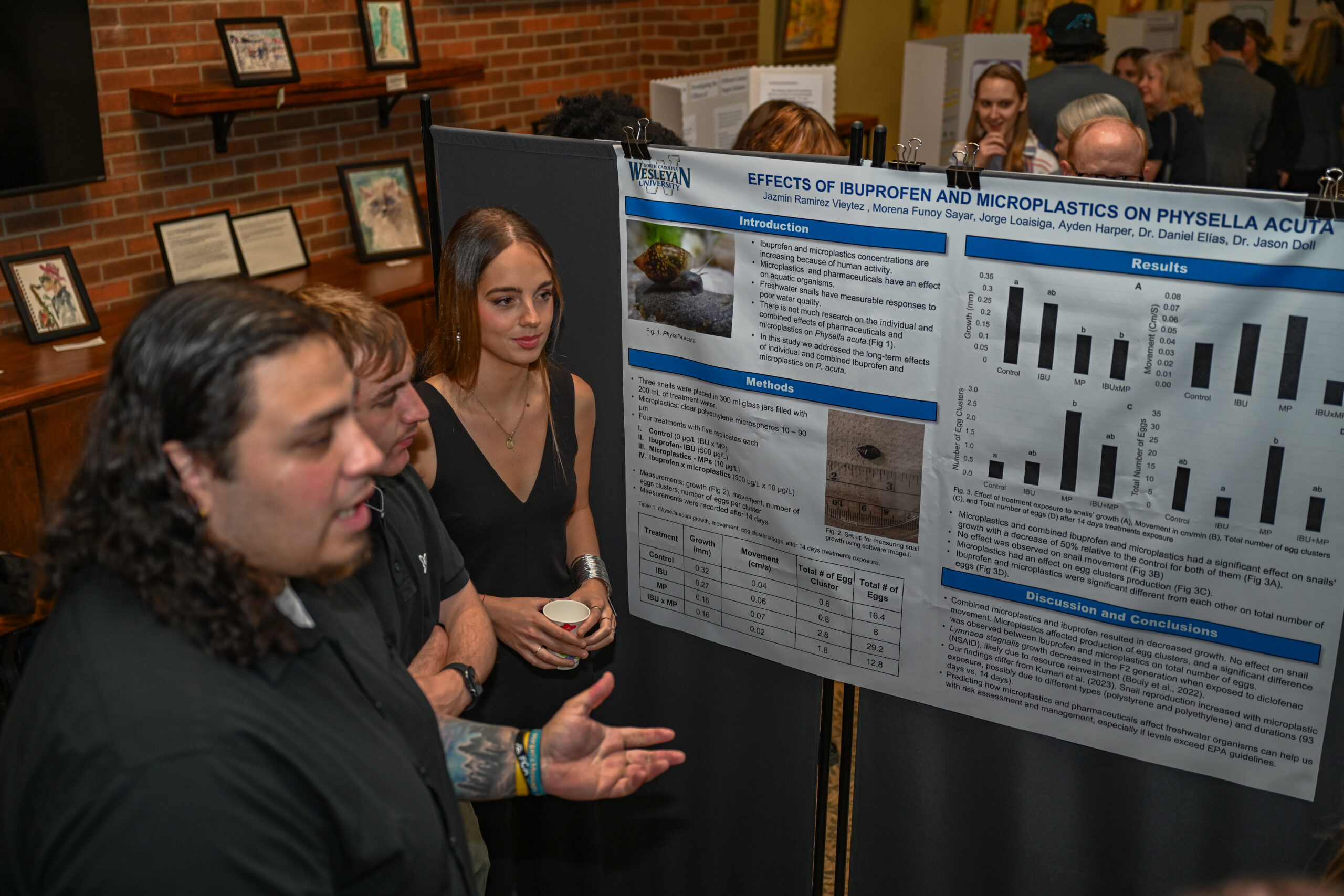
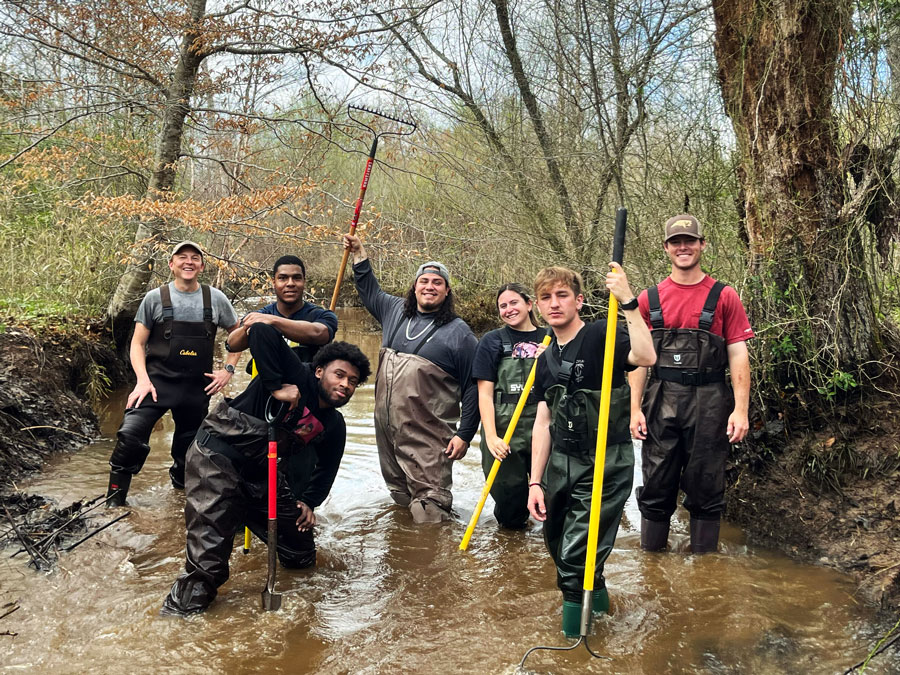
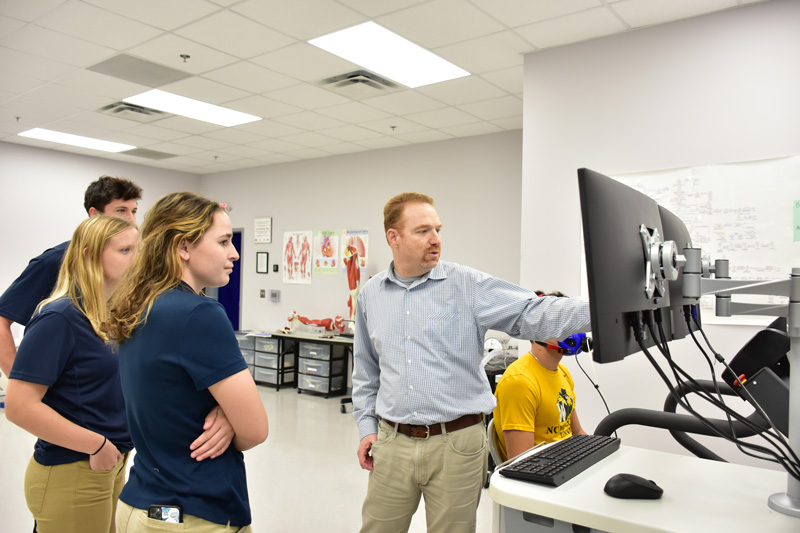
- Program innovation that opens new academic pathways and created opportunities for hands-on learning
- Student success initiatives including enhanced advising, mentorship programs, internships, and practica to foster career readiness
- Community partnerships that strengthen regional education, healthcare, and workforce development
These investments don’t just support individual students, they strengthen families, employers, and communities throughout the region.
Looking Ahead, Together
Federal policy changes serve as a reminder that higher education thrives best when it is supported by a broad and engaged community. For NC Wesleyan, this moment is both a challenge and an opportunity: a chance to deepen partnerships, invite new voices into the conversation, and ensure the University remains strong for generations to come.
“Our mission has always been about opening doors,” Tammy Robinson, Director of Donor Engagement, shared. “With the support of our partners and supporters, we will continue to do just that, creating pathways to success for students and strengthening the communities we serve.”
NC Wesleyan’s students are ready to lead. With stability, opportunity, and shared investment, they will continue to do so—across North Carolina and beyond.
