


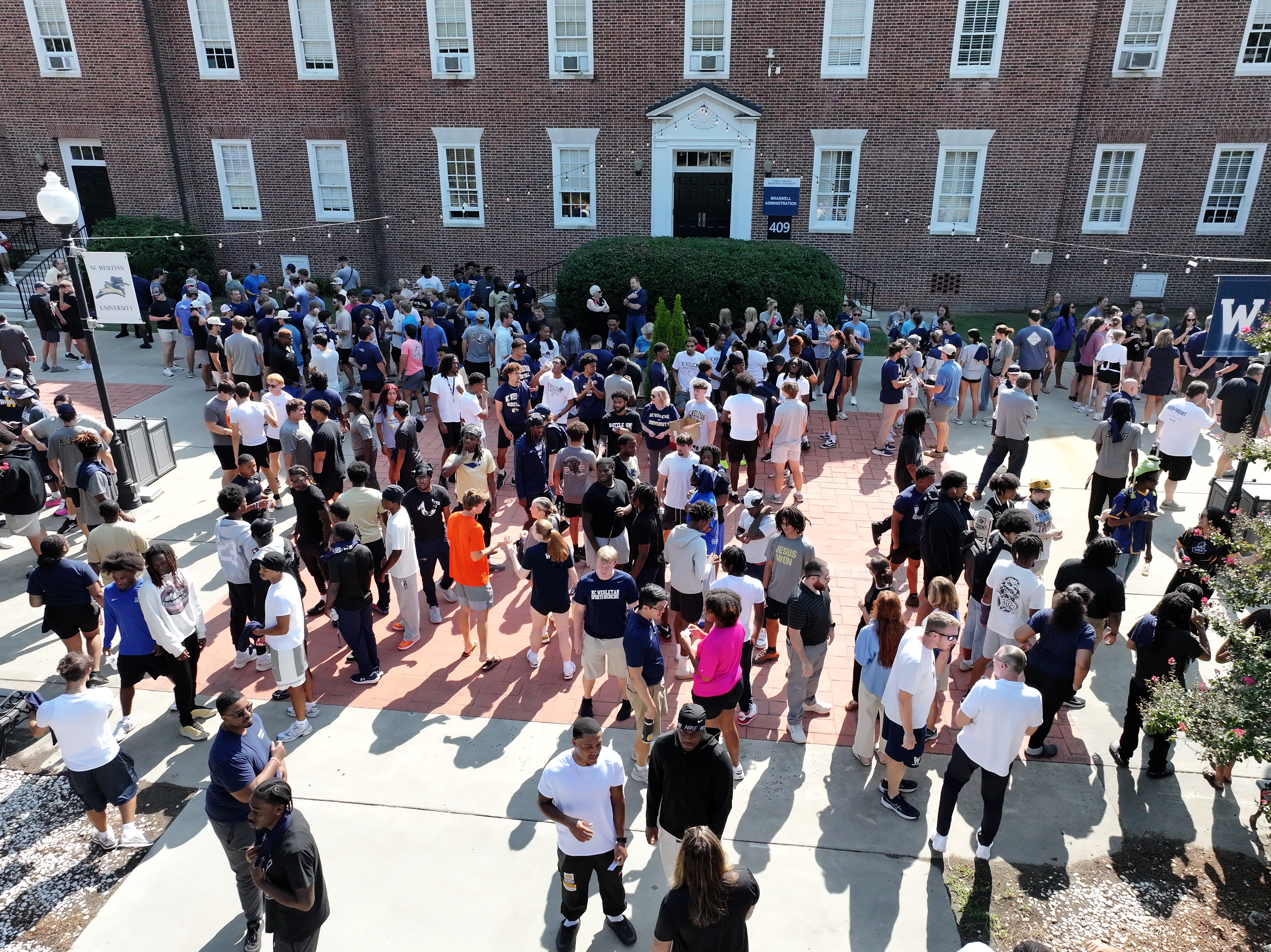
What happens when a university clears the academic calendar for a day and asks students to step away from their usual routines? At North Carolina Wesleyan University, the answer is Community Day.
NCWU recently hosted its first Community Day of the academic year, giving students a break from classes and athletic practices while providing opportunities to connect with professors, explore career opportunities, participate in campus activities and take care of the “Bishop Business” that can be difficult to fit into a busy college schedule.
The university will host three Community Days during the fall semester and six throughout the academic year. While classes and practices are paused during the day, students are required to participate in one of numerous activities designed to promote connection, personal growth and engagement.
What is Community Day?
“Community Day is intentional time for our students to step away from the demands of their normal schedules and invest in themselves and their Wesleyan community,” said Dr. Joe Lane, Provost and Senior Vice President for Academic Affairs. “We want students to have the opportunity to connect with a professor, explore a career path, meet a mentor, try something new or simply take a breath. All of those experiences are important to a student’s success.”
The inaugural Community Day offered approximately 15 activities across campus, ranging from professional development and academic support to recreation and campus traditions.
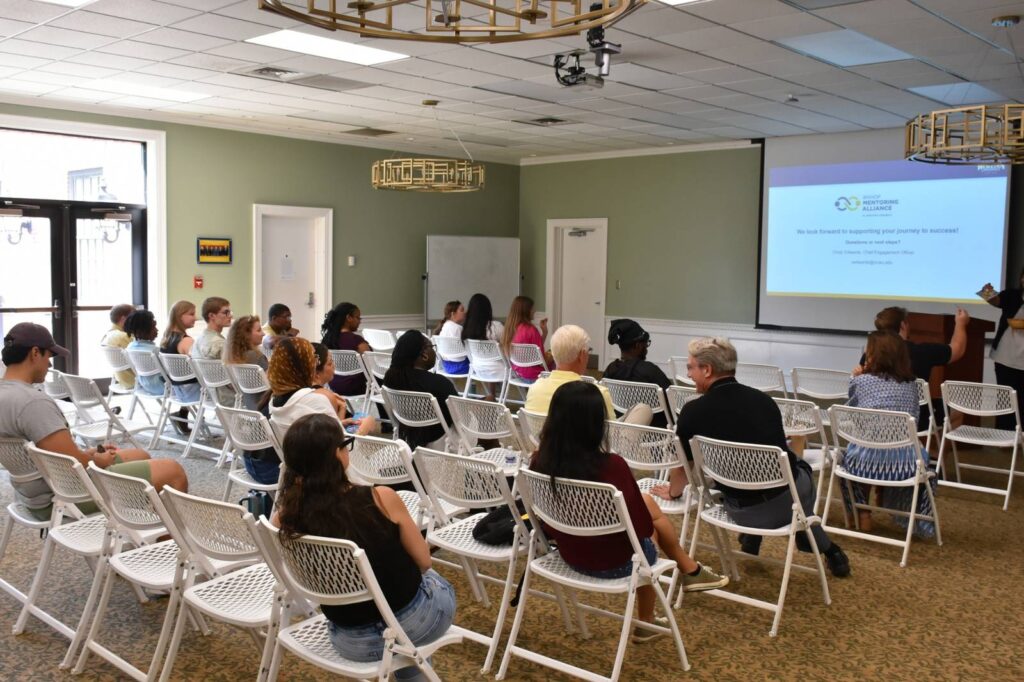
Students could meet one-on-one with professors and Student Support staff, attend an intern and job fair hosted with STEP, connect with local professionals through the Bishop Mentoring Alliance, or participate in the Community Day Chapel Service. Other activities included a campus CommUNITY Walk, brunch at the Blue & Gold Café, a billiards tournament, disc golf tournament, Gateway Getaway featuring games and crafts, and a Bishop Gaming Association Game Day with mini esports competitions.
The day also provided student-athletes with an opportunity to participate in campus activities that can sometimes conflict with athletic schedules.
Wes Quest
Beyond creating a day of connection and engagement, Community Day is tied to WesQuest, NCWU’s co-curricular development initiative. Students earn points through the Suitable App by participating in activities, allowing them to track experiences and learning outcomes throughout their college careers.
WesQuest is designed to help students intentionally build the skills employers seek and document their development outside the classroom. Beginning with their freshman year, students can build a co-curricular record that showcases the experiences, competencies and connections they develop at Wesleyan.
“College is about more than what happens in a classroom,” Lane said. “Community Day gives us another way to make sure our students are taking advantage of the people, programs and opportunities around them while building experiences that will serve them well after graduation.”
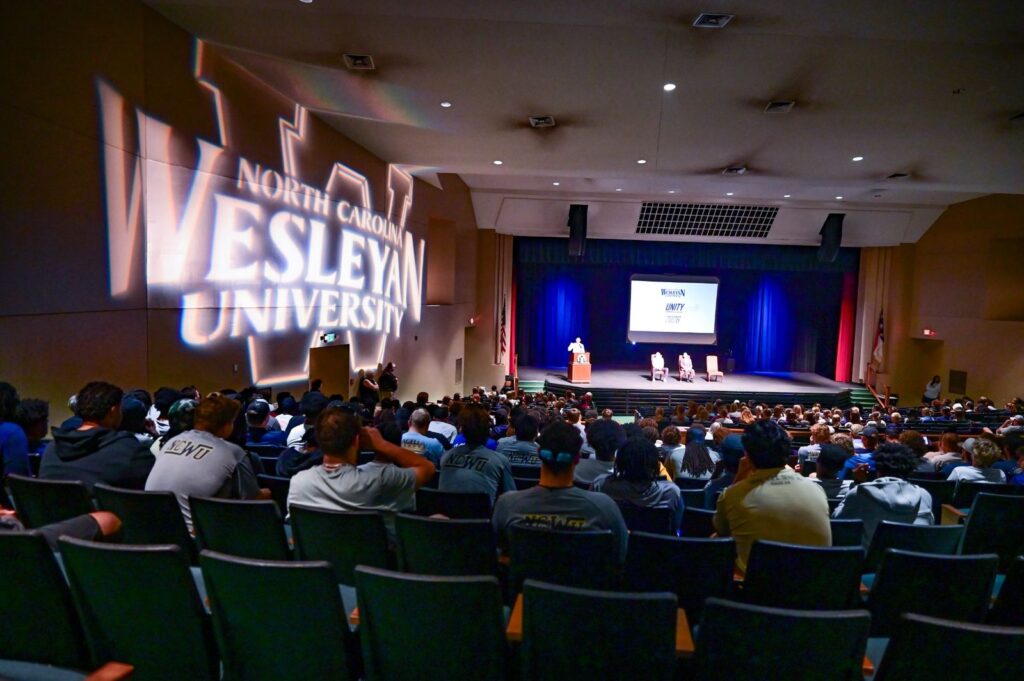
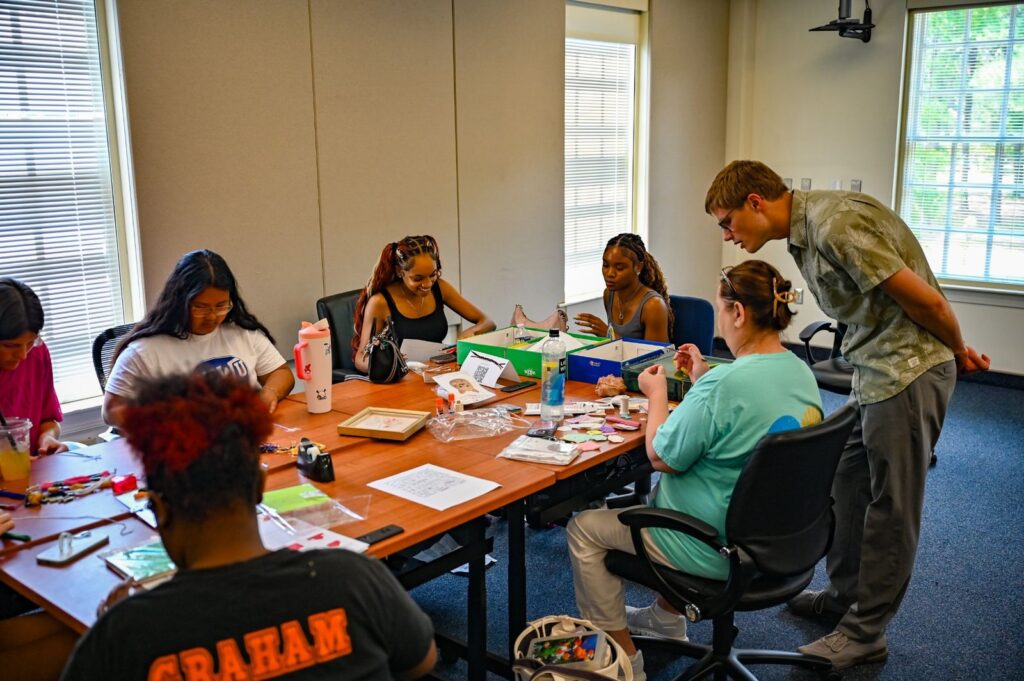
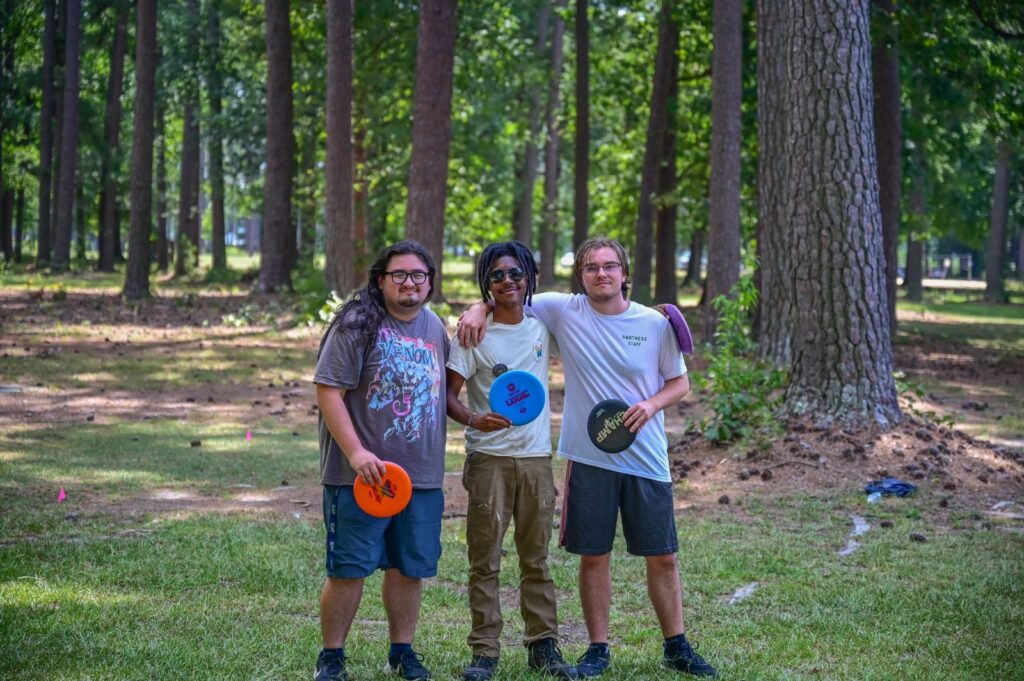
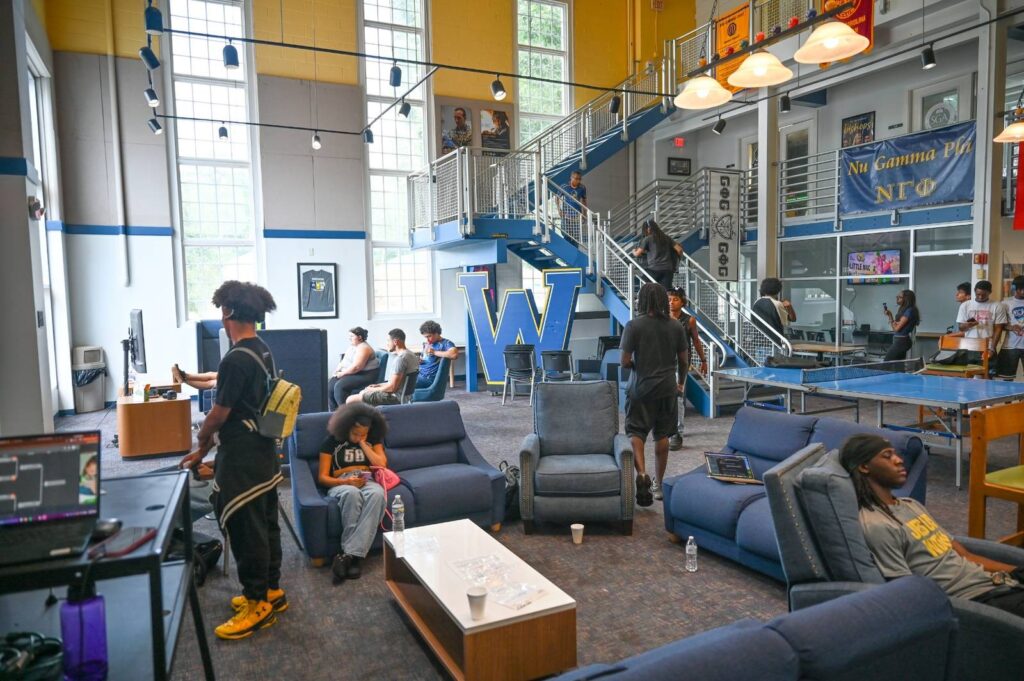
Community Days are planned by a committee of NCWU faculty and staff dedicated to strengthening the Bishop community and creating meaningful opportunities for students to connect with one another and the university.
NCWU’s next Community Day will take place Wednesday, Oct. 21, with additional and new activities planned for students.
Photos from Community Day can be viewed, downloaded for free, and shared by visiting https://photos.ncwc.edu/.
Teacher Education Wesleyan Experience
North Carolina Wesleyan University (NCWU) continues to prepare the next generation of educators through its dedicated Teacher Education program, where students gain the knowledge, mentorship, and real-world experience needed to make an impact in the classroom.
Recently, two pre-service teachers in the program — Kathlene “Brooke” Rose and Kayden Comerford — shared their experiences studying Elementary Education at Wesleyan and reflected on how the University is helping prepare them for their future careers as licensed teachers.
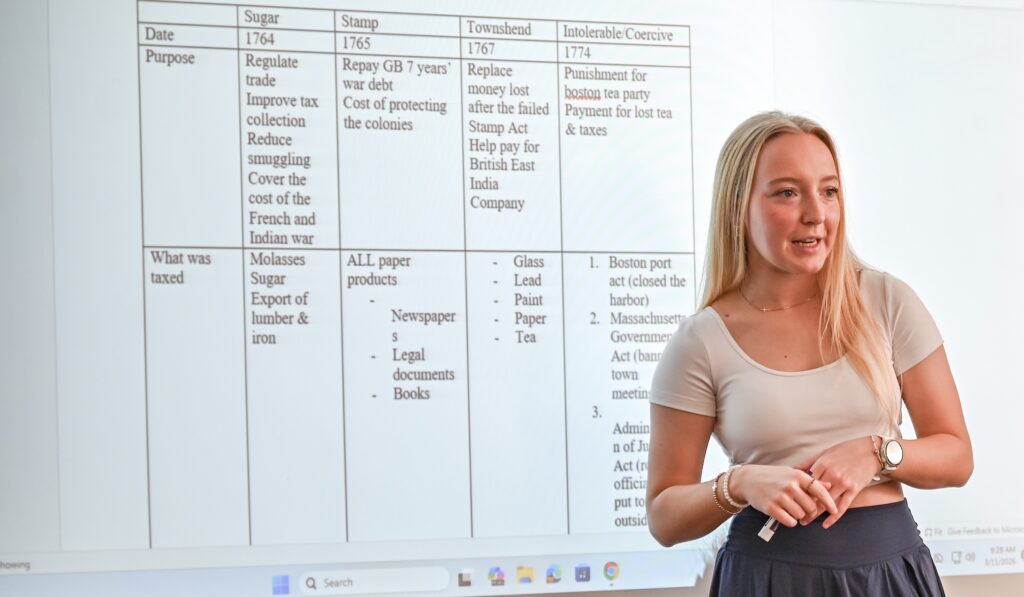
Rose, a native of Nash County who recently transferred from East Carolina University, says she quickly found a sense of belonging on campus.
“Wesleyan feels like home,” Rose shared. “There is nowhere I would rather be as I learn to become a practicing licensed teacher.”
Comerford, who is originally from Apex, North Carolina and previously lived in Loudoun County, Virginia, emphasized the supportive learning environment that defines the Wesleyan community.
“Wesleyan is a tightknit community where I feel that all parties want the other to succeed,” said Comerford.
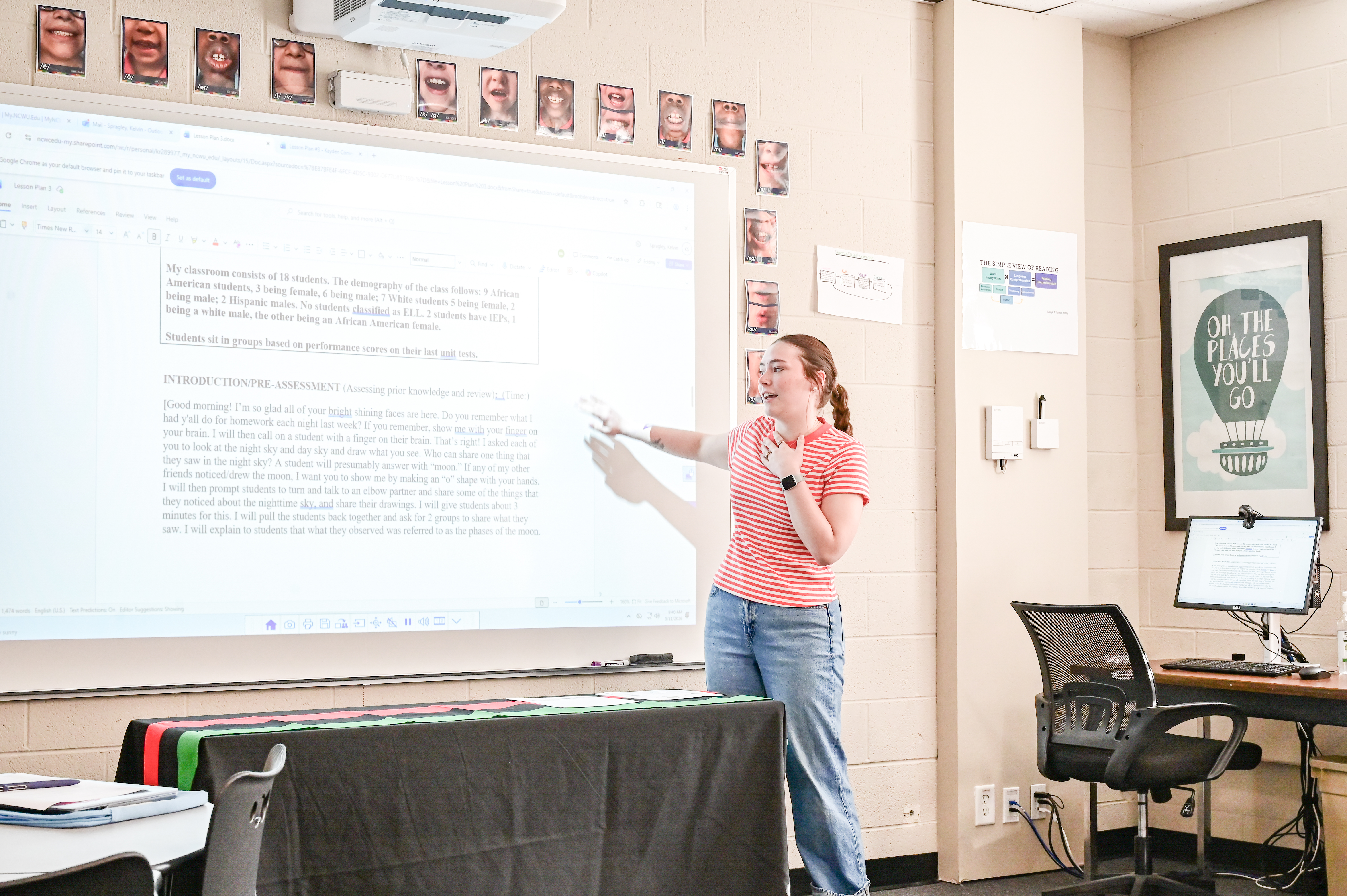
According to Dr. Kelvin Spragley, Director of Teacher Education at NCWU, the program is designed to equip students with both the academic foundation and hands-on classroom experience needed to succeed as educators.
“Preparing effective teachers requires more than coursework,” said Spragley. “Our students engage in meaningful field experiences and mentorship opportunities that allow them to build confidence, develop instructional skills, and understand the real needs of today’s classrooms.”
Wesleyan’s Teacher Education program prepares students for licensure in elementary education while emphasizing leadership, service, and community engagement. Through close faculty mentorship and partnerships with local schools, students graduate ready to step into classrooms and make a difference in the lives of their students.
As future educators like Rose and Comerford continue their journeys, Wesleyan remains committed to supporting students who feel called to teach and inspire the next generation.
Ensuring Opportunity Never Pauses: The Power of Philanthropy
Across higher education, recent federal developments have prompted important conversations—particularly among Minority Serving Institutions (MSIs). New guidance and decisions from the U.S. Department of Justice and the Department of Education signal changes to how certain discretionary federal grant programs will operate moving forward. Many of these programs have historically provided mission-critical support to both MSIs and the students they serve.
For many colleges and universities, these shifts raise understandable questions. Federal funding has long played a role in helping institutions expand access, support students through challenges, and respond to workforce needs. When the funding landscape changes, institutions must take a step back and thoughtfully consider what comes next.
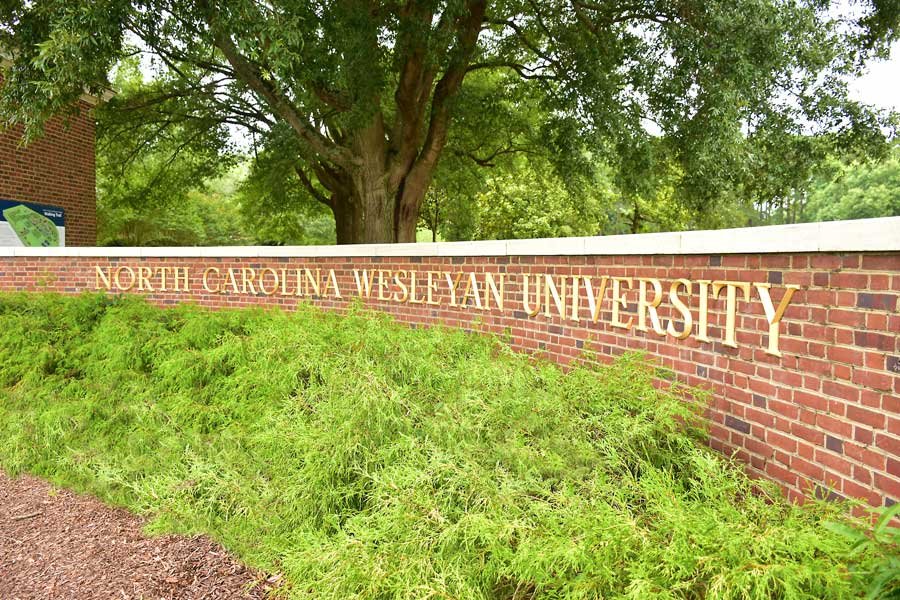
For North Carolina Wesleyan University, a proud Minority Serving Institution, this moment reinforces the importance of planning ahead, diversifying support, and strengthening partnerships that ensure long-term stability for our students and our mission.
“Higher education is constantly evolving, and moments like this remind us that adaptability and community support are essential,” said Dr. Evan D. Duff, President of North Carolina Wesleyan University. “Our responsibility is to continue serving students with excellence, regardless of shifts in the external environment.”
Understanding the Broader Context
Two recent federal actions have contributed to growing discussion within the MSI community:
One involves increased federal scrutiny of certain programs that previously provided targeted support to Minority Serving Institutions. These changes leave many institutions facing questions about the future funding availability and compliance requirements. Another includes the Department of Education’s decision to discontinue specific discretionary grant programs tied to MSI designation.
While these decisions are rooted in legal and regulatory considerations, their ripple effects are being felt across higher education. Institutions that serve large numbers of first-generation students, adult learners, Pell Grant recipients, and students from rural or economically challenged regions must now plan amid greater uncertainty.
As leaders across the country reflect on these changes, a common question emerges: How do institutions continue to deliver opportunity and access when traditional funding streams become less predictable?
What This Means for Minority Serving Institutions
Minority Serving Institutions play a critical role in the higher education ecosystem. They often serve students with significant potential and determination, many of whom balance academics with work, family responsibilities, and financial constraints. Federal support has historically helped MSIs:
- Reduce financial barriers for first-generation students and students from economically challenged households
- Build and sustain academic programs
- Provide tutoring, mentoring, and career readiness resources
- Strengthen workforce pipelines in education, healthcare, business, and public service
When funding becomes less certain, institutions must work harder to preserve these supports. Program growth may slow, student services can feel stretched, and workforce pathways that communities rely on may face added pressure.
At the same time, institutions like NC Wesleyan remain deeply committed to innovation, student success, and regional impact even as they navigate these challenges.
NC Wesleyan’s Ongoing Commitment
North Carolina Wesleyan University has long focused on providing a personalized, practical, and purpose-driven education, particularly for students from central and eastern North Carolina. As an MSI, the University places student potential at the center of everything it does, preparing graduates not only for careers but for lives of leadership and service.
“Our students come to us with ambition, resilience, and a desire to make a difference,” said Dr. Joseph Lane, Provost and Senior Vice President for Academic Affairs. “Our role is to meet them where they are, support their growth, and ensure they have access to the resources needed to succeed.”
Maintaining this level of support in a shifting funding environment calls for new approaches, thoughtful stewardship, and strong relationships beyond federal sources.
Why Private Support Matters More Than Ever
Private philanthropy, whether from individuals, foundations, corporations, or community partners, has always been an important part of NC Wesleyan’s story. Today, it plays an even more critical role.
Private support helps the University:
- Provide emergency and retention funding when students face unexpected challenges
- Create new academic programs and realign existing programs with evolving workforce needs and expectations
- Offer scholarships that reduce financial strain and increase access
- Strengthen career preparation, advising, and student success initiatives
Simply put, philanthropy helps ensure that opportunity does not pause when circumstances change.
In recent years, private philanthropy has played a stabilizing role for many institutions navigating change. Philanthropists such as MacKenzie Scott, who has made significant unrestricted gifts to colleges and universities across North Carolina and beyond, and Bloomberg Philanthropies, which has invested nationally in strengthening nursing and healthcare education, illustrate how private support can reinforce institutional capacity. Similarly, historic gifts like the more than $370 million pledged to Cornell University to endow and name its College of Engineering show how visionary donors can expand research, teaching, and student opportunity at scale across the higher education landscape.
Where Philanthropy Makes a Difference
Support for NC Wesleyan can take many forms, each with meaningful impact:
- Scholarships and endowed funds for first-generation students, adult learners, and career changers
- Program innovation that opens new academic pathways and created opportunities for hands-on learning
- Student success initiatives including enhanced advising, mentorship programs, internships, and practica to foster career readiness
- Community partnerships that strengthen regional education, healthcare, and workforce development
These investments don’t just support individual students, they strengthen families, employers, and communities throughout the region.
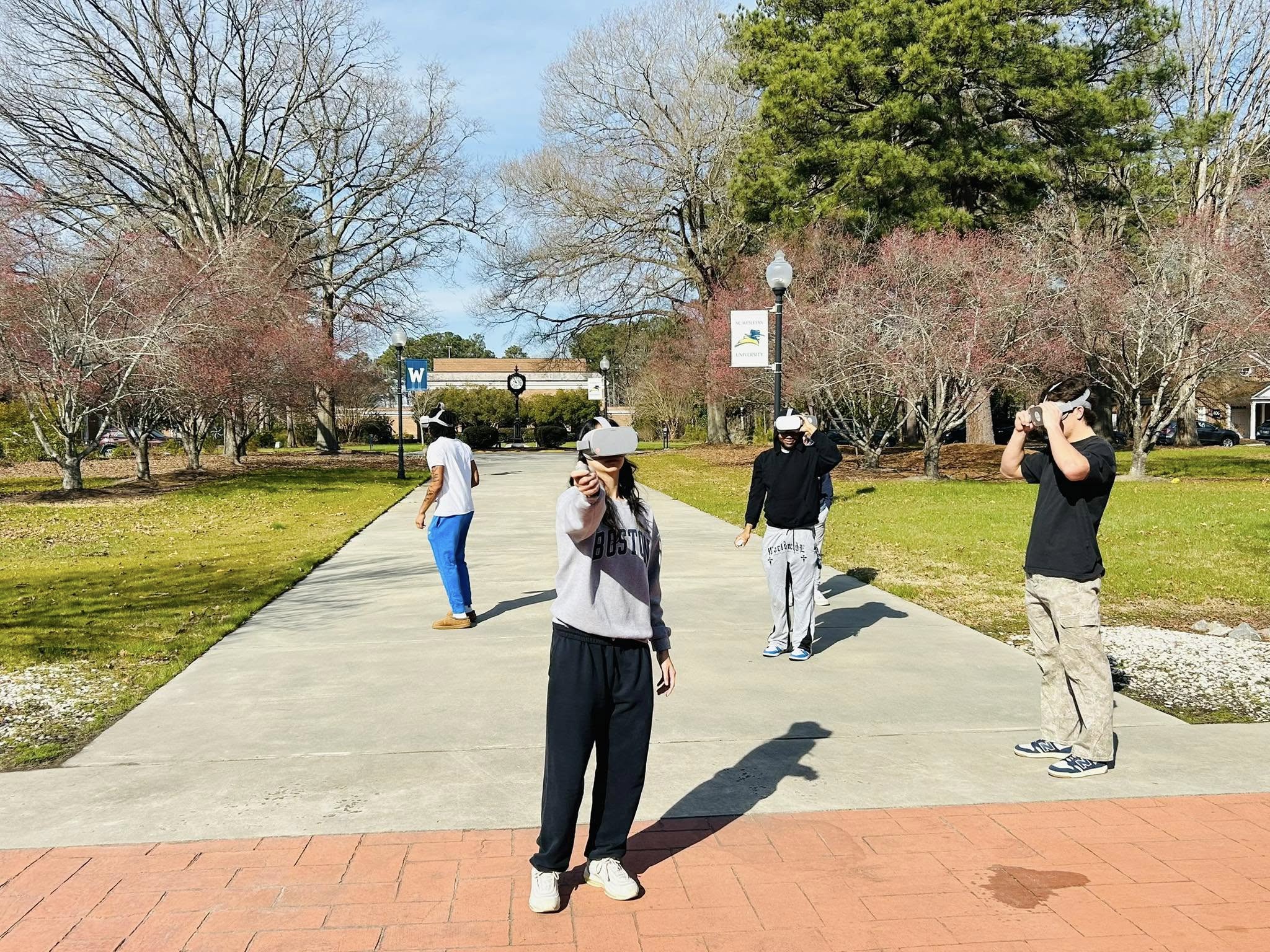
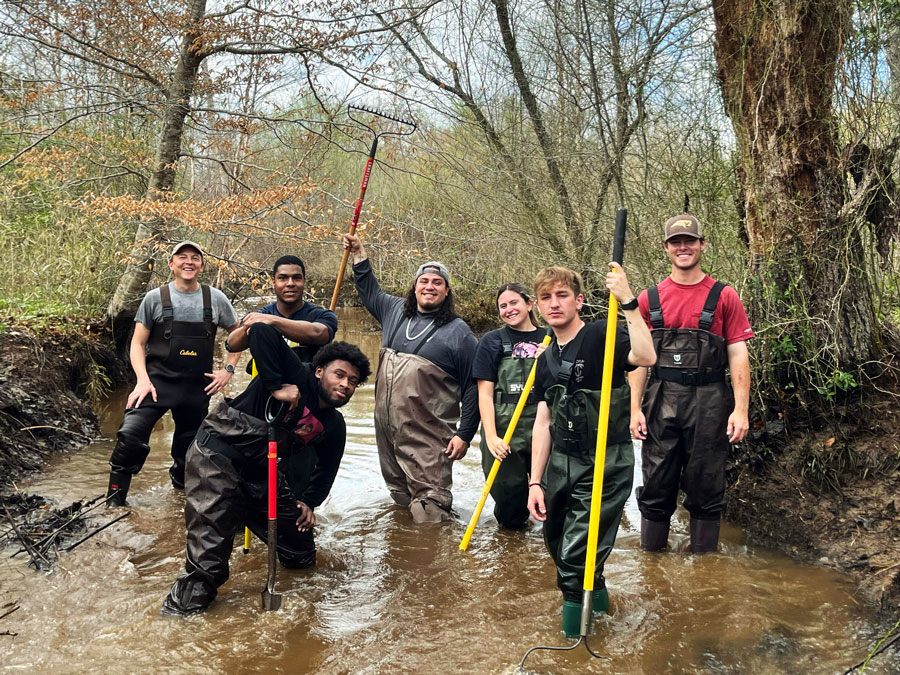
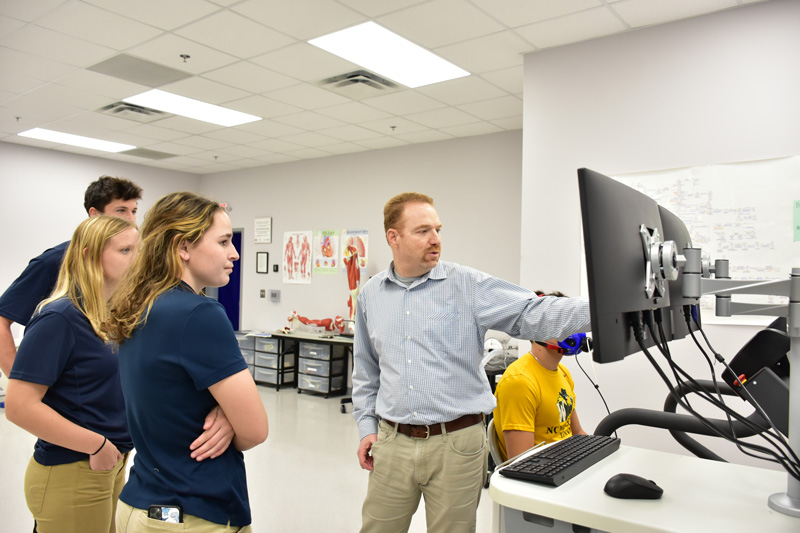
Looking Ahead, Together
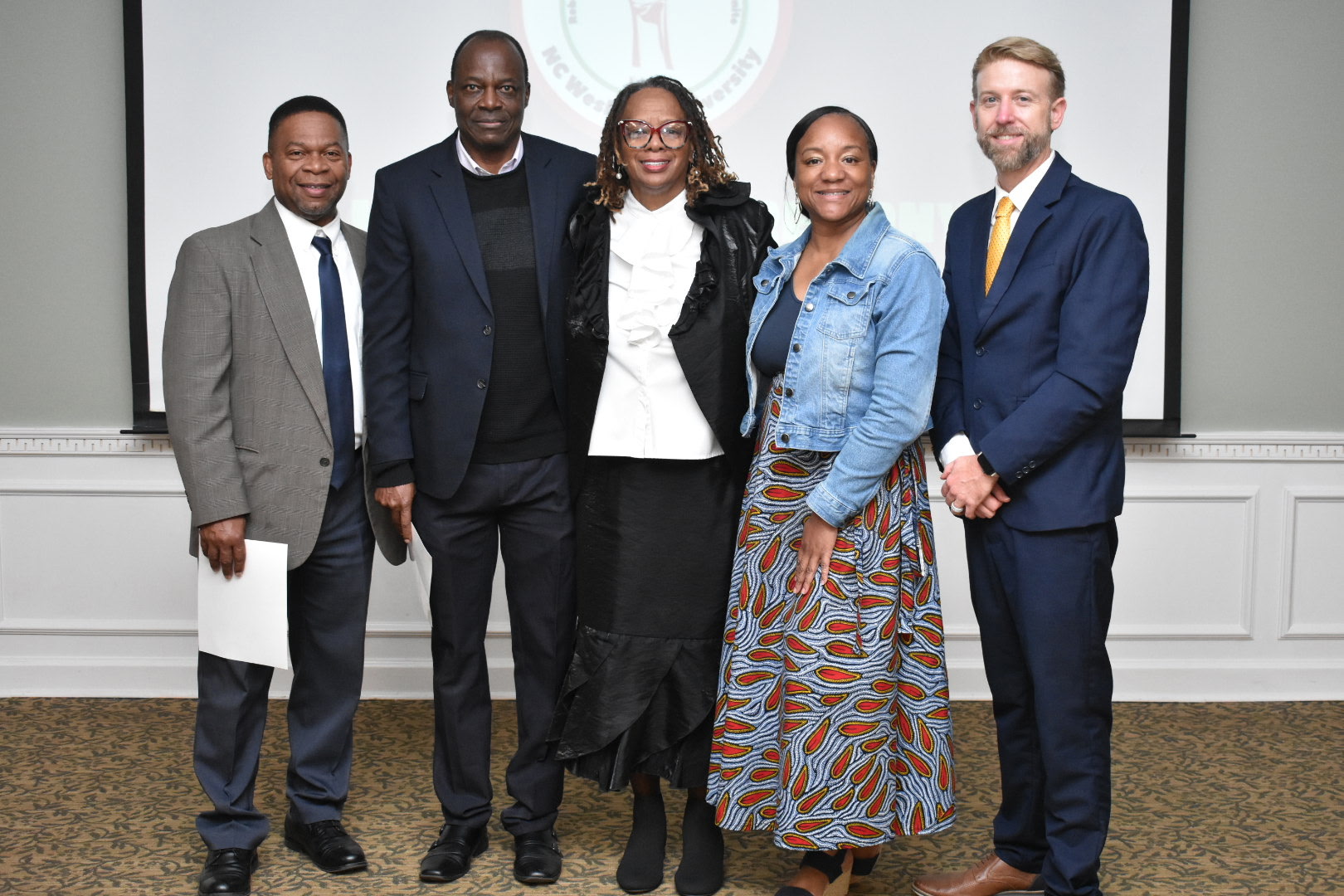
Federal policy changes serve as a reminder that higher education thrives best when it is supported by a broad and engaged community. For NC Wesleyan, this moment is both a challenge and an opportunity: a chance to deepen partnerships, invite new voices into the conversation, and ensure the University remains strong for generations to come.
“Our mission has always been about opening doors,” Tammy Robinson, Director of Donor Engagement, shared. “With the support of our partners and supporters, we will continue to do just that, creating pathways to success for students and strengthening the communities we serve.”
NC Wesleyan’s students are ready to lead. With stability, opportunity, and shared investment, they will continue to do so—across North Carolina and beyond.
New Partnership Expands NCWU Careers…
North Carolina Wesleyan University (NCWU) is pleased to announce a new partnership with Innatrix, an innovative biotechnology company committed to advancing agricultural and environmental solutions. This collaboration will significantly expand career development opportunities for NCWU students, particularly those pursuing studies in the sciences.
Through this partnership, NCWU students will gain enhanced access to real-world learning experiences, including guided tours of Innatrix’s laboratory facilities, professional engagement with industry experts, and exposure to biotechnology and agriscience career pathways. The partnership will create new avenues for students to participate in job shadowing, internships, mentorship opportunities, and discussions led by Innatrix professionals on topics ranging from industry trends to workplace professionalism.
Innatrix will also take part in academic events at NCWU, such as the University’s annual Science Symposium, further strengthening the connection between classroom learning and industry application.
Partnership Details
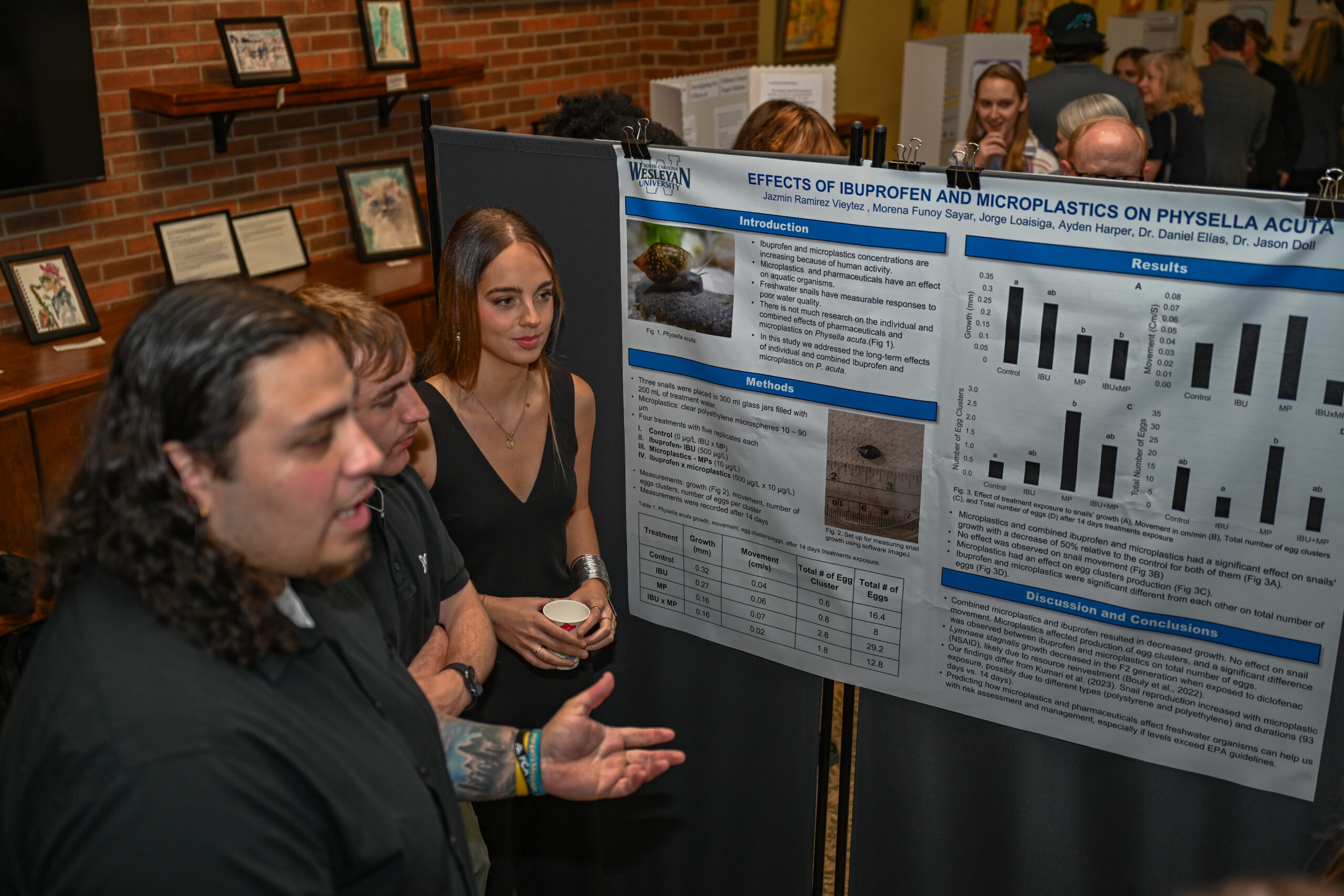
A highlight of this collaboration will be Dr. Li Jiarui, CEO of Innatrix, serving as a featured speaker at NCWU’s annual Student Symposium in April. This event provides students in environmental sciences and other majors with a platform to present their research across a wide range of academic fields. The Symposium has become a showcase for undergraduate scholarships, with many students achieving remarkable outcomes. For example, every student who completed the BIO325 Environmental Science course at NCWU in Spring 2022, 2023, and 2024 has had their research published, demonstrating the University’s commitment to rigorous, hands-on scientific research. Their work includes studies on the effects of pharmaceuticals and microplastics on freshwater snails, several of which have appeared or will soon appear in peer-reviewed scientific journals.
“This partnership represents a meaningful step forward for our students,” said NCWU Provost and Senior Vice President for Academic Affairs, Dr. Joe Lane. “By connecting academic study with hands-on experience in a cutting-edge industry, we are helping prepare our graduates for the demands of an evolving workforce.”
NCWU will continue to highlight Innatrix’s involvement through coordinated communications and collaborative initiatives, reinforcing the shared commitment to developing the next generation of scientific talent within the region.
“We’re excited about this partnership. Our scientists are committed to mentoring the next generation, giving them hands-on experience to develop solutions to the world’s pressing challenges,” said Innatrix CEO and President, Dr. Jiarui Li. “Together, we can make a greater impact on improving public health and feeding a growing population.”
Together, NCWU and Innatrix look forward to building a partnership that enriches student learning, strengthens the local workforce, and supports innovation in North Carolina’s growing biotechnology sector.
About Innatrix Inc.
Innatrix, Inc. (Research Triangle Park, NC) is redefining crop protection with a patented, target-based platform and over $4M in secured capital. Our environmentally friendly biologicals reach market faster, cut costs by up to 95% versus chemical pesticides, and reduce carbon footprint by 80–90%. By precisely targeting pathogens, we eliminate harmful off-target effects.
Senior VP for the NFL to Speak to NCWU Students
ROCKY MOUNT, NORTH CAROLINA – Dr. (h.c.) Constance Williams, Senior Vice President of Human Resources for the NFL, will be the next Resident Expert to offer her expertise to NCWU students. Through NC Wesleyan’s new Resident Expert Program (WES-R.E.P.), students are provided with an opportunity to work directly with industry leaders through mentoring and workshops. These professionals connect with students to share their industry knowledge via on-site and virtual opportunities. Williams will join Dr. Katrina Sweet’s Human Resources class (BUS 314) via Zoom on Friday, October 28 for a Q&A session that allows students the opportunity to learn about the HR field.

Williams is a seasoned executive with nearly 30 years of progressive human resource and business experience, having contributed to the success of several blue-chip firms in diversified industry sectors. Prior to her role with the NFL, she served as the Senior Vice President and Head of Human Resources, Americas, Sony Music Entertainment in New York, NY where she led Sony Music’s talent acquisition and talent management functions. Her remarkable experience naturally lends itself to Dr. Constance Williams serving as NCWU’s Human Resources Expert in Residence.
“Constance possesses a wealth of knowledge to convey about the world of human resources and organizational development, which she has obtained through her work with multiple top-tier corporations,” stated President Dr. Evan D. Duff. “She is a strong advocate for Wesleyan and I’m very excited for our students to receive the wisdom she has to offer.”
In support of Wesleyan students’ future career exploration, Williams has provided rich developmental experiences including one-on-one mentorships, speaking engagements and comprehensive on-site job shadowing. She has been on the NCWU Board of Trustees since 2020. She was also a previous commencement speaker for the University and taught as an adjunct professor in Psychology, Business and Organizational Administration. A double Ivy League graduate, Dr. (h.c.) Williams holds an M.A. in Organization Psychology from Columbia University and a B.S. in Industrial and Labor Relations from Cornell University, as well as an honorary Doctorate of Fine Arts from North Carolina Wesleyan University. She also earned distinction having received Billboard Magazine’s 2018 Women in Music Award.
About North Carolina Wesleyan University
North Carolina Wesleyan University (NCWU) is a small, private Methodist-affiliated institution with a liberal arts-based core curriculum that prepares students for professional advancement, life-long learning and responsible participation in their communities. NCWU offers liberal arts, professional and graduate degree programs for traditional, transfer and working-adult students. The skills cultivated by faculty and built into the curriculum include critical thinking and reflection, communication, collaboration, and information technology. North Carolina Wesleyan University delivers education that is personal, practical and purpose-driven. Personal…through mentoring and the connections that are provided. Practical…by helping students develop lifelong skills. Purpose-driven…by helping them fulfill their purpose in life. With students from all over the United States and more than 40 different countries, the University has immense cultural diversity. To learn more, visit ncwu.edu and follow on Facebook, Twitter, LinkedIn, TikTok and Instagram.
