


North Carolina Wesleyan University (NCWU) has been awarded a four-year, $2.9 million Title III Strengthening Institutions Program (SIP) grant from the U.S. Departments of Education and Labor to support a comprehensive student success initiative known as COMPASS (Career and Opportunity Mentorship for Personal, Academic, and Student Success).
The federal grant will enable NCWU to expand student support services, strengthen retention and graduation outcomes, enhance career readiness programs, modernize technology infrastructure, and create innovative approaches to student success through the establishment of the new student support services hub featuring the COMPASS Center.
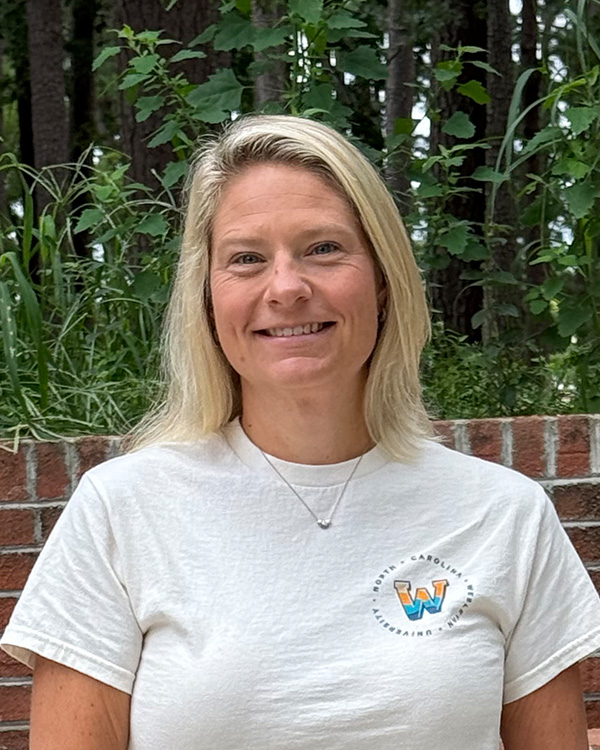
“This award represents a tremendous investment in our students and our future,” said Dr. Anne Aichele, Director of the COMPASS Center. “The COMPASS Center will create a more connected and comprehensive support system that helps students navigate their personal and academic journey, identify meaningful career pathways, and develop the skills necessary to thrive after graduation.”
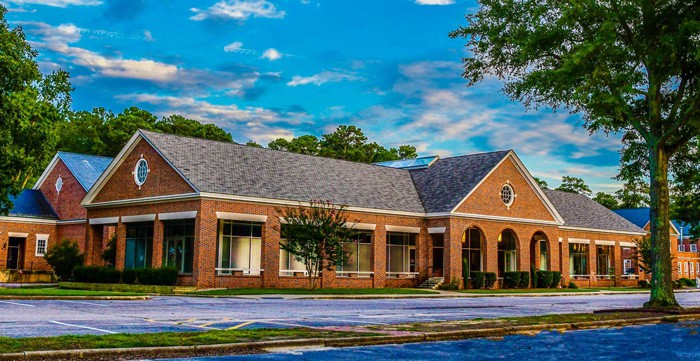
The COMPASS Center will serve as a centralized hub where students can access academic advising, tutoring, mentoring, accessibility services, career development resources, academic coaching, and retention support in one location. The project is designed to strengthen institutional capacity while improving outcomes for first-generation, low-income, and academically at-risk students.
Major project initiatives include:
- Renovating library space to create the COMPASS Center.
- Expanding first-year transition and orientation programming.
- Increasing peer mentoring and student engagement opportunities.
- Enhancing career coaching, experiential learning, and employer partnerships.
- Implementing advanced student success technologies and analytics tools.
- Providing faculty and staff professional development in student success and Life Design practices.
- Advancing artificial intelligence literacy and AI-enhanced student support services.
The project also aligns with national priorities related to innovation and emerging technologies in higher education. Through faculty, staff, and student development programs, NCWU will promote responsible and effective use of artificial intelligence while preparing graduates for a rapidly evolving workforce.
The initiative builds upon NCWU’s longstanding commitment to personalized education and student-centered learning. By integrating support services, strengthening academic and career planning, and leveraging technology to improve student outcomes, the University aims to create a sustainable framework for student success that will continue well beyond the grant period.
Funding for the project begins October 1, 2026, and continues through September 2031. The first year of funding totals approximately $1.66 million and will support renovation, technology modernization, staffing, professional development, and implementation of student success initiatives.
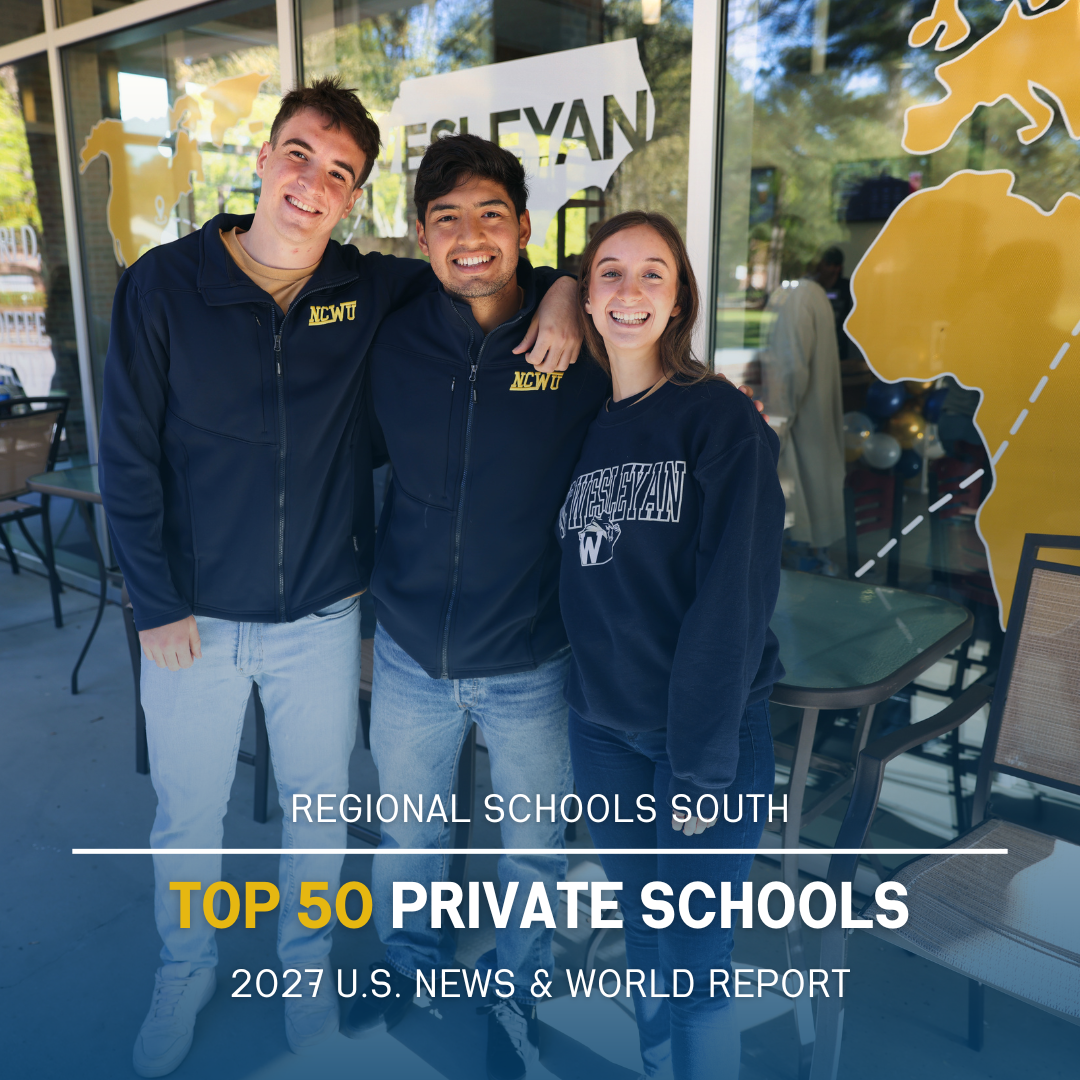
NC Wesleyan Earns Top 50 Ranking Among Private Universities in the South
North Carolina Wesleyan University has earned a spot among the Top 50 private universities in the South in the latest U.S. News & World Report Best Colleges rankings, ranking No. 6 among private universities in North Carolina in the Regional Universities South category.
The recognition is especially significant as NC Wesleyan enters the Regional Universities South category for the first time. The University’s growing number of graduate programs moved NCWU into a larger and more competitive classification, where it is now evaluated alongside universities with broader graduate-level offerings.
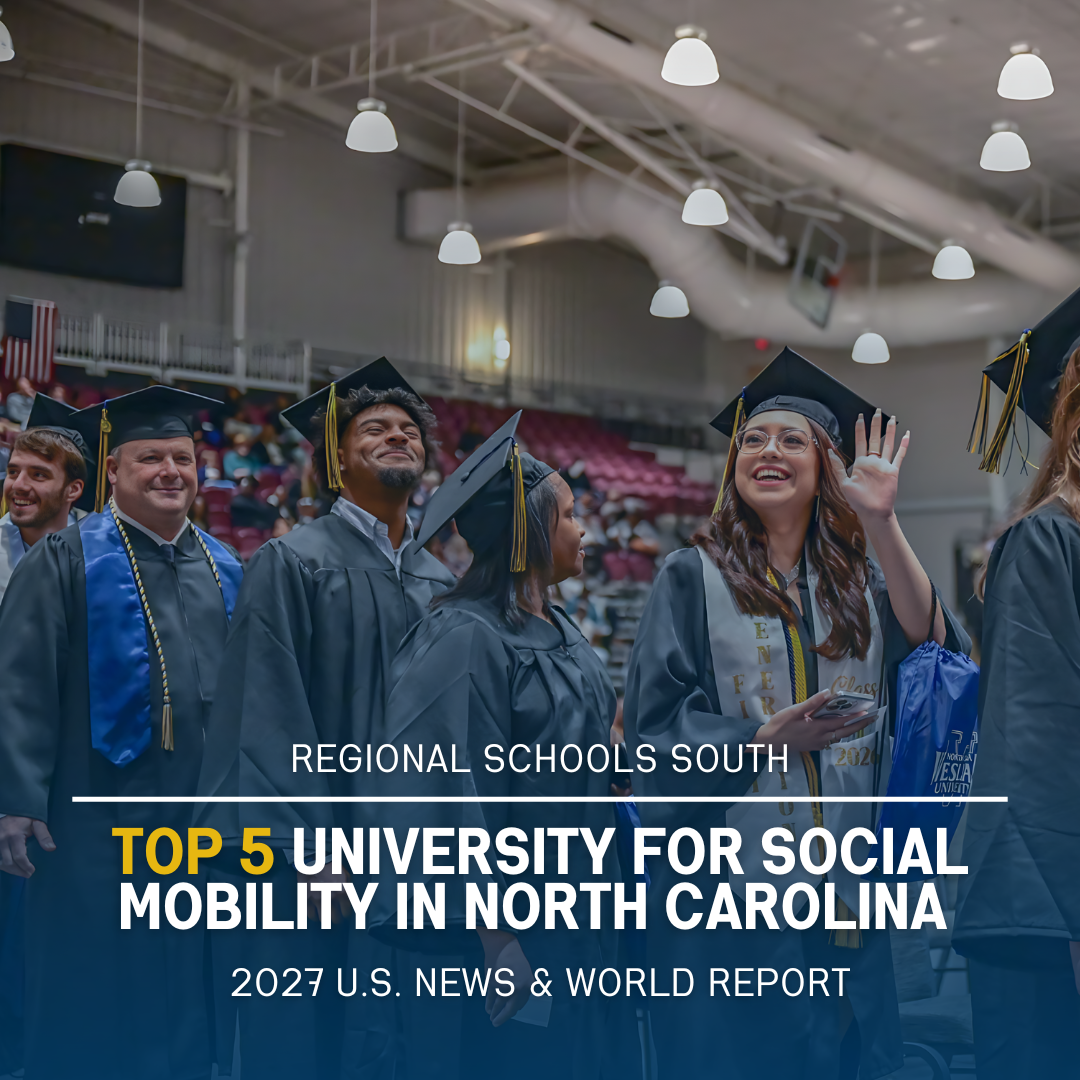
NC Wesleyan was also recognized as a Top 5 university in North Carolina for Social Mobility, reflecting the University’s impact in helping students from a wide range of backgrounds access and complete higher education.
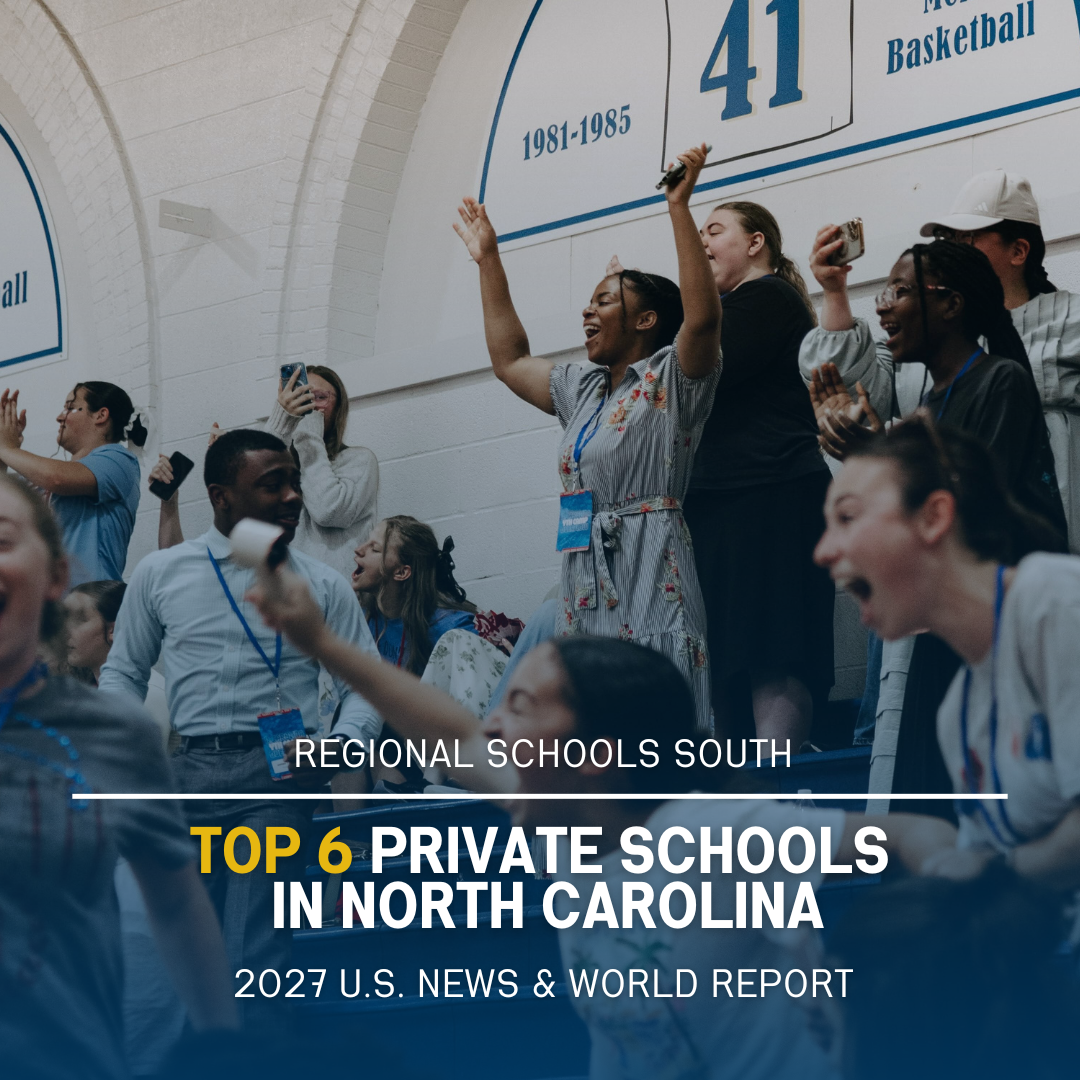
“These rankings reflect the growth of North Carolina Wesleyan while affirming what has always been central to our mission, creating opportunities for students to achieve their goals,” said NCWU President Dr. Evan D. Duff. “We are proud to be recognized among the leading private universities in the South and especially proud of the impact our students and graduates continue to make.”
The latest recognition builds on NC Wesleyan’s continued momentum in academic growth, student outcomes and national recognition as the University approaches its 70th anniversary.
CIS 210 Students Bring Computer Hardware Concepts to Life
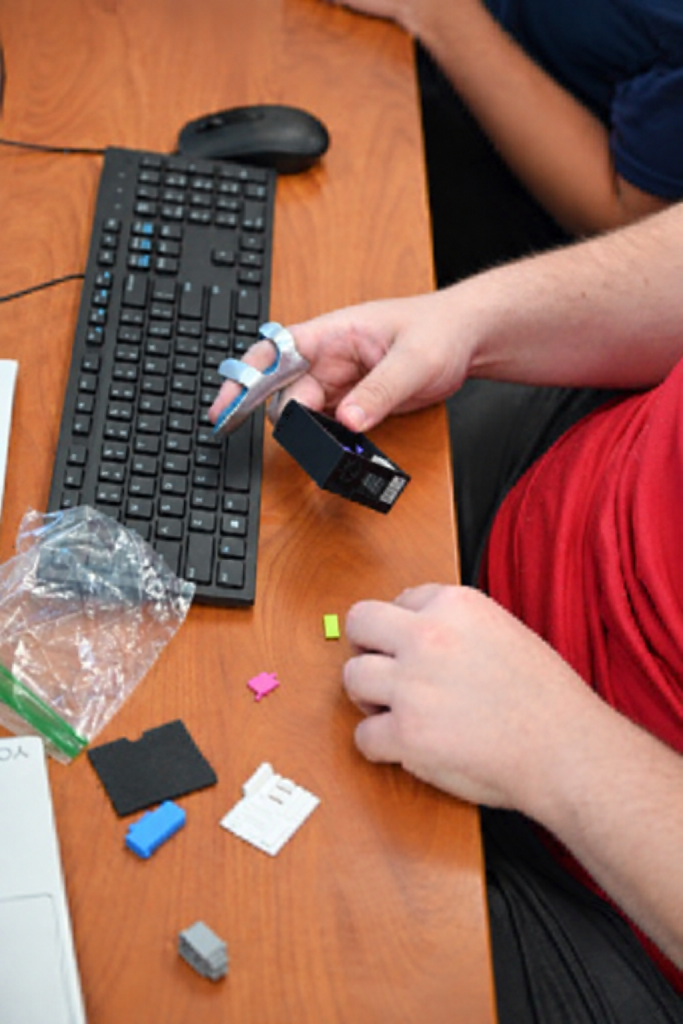
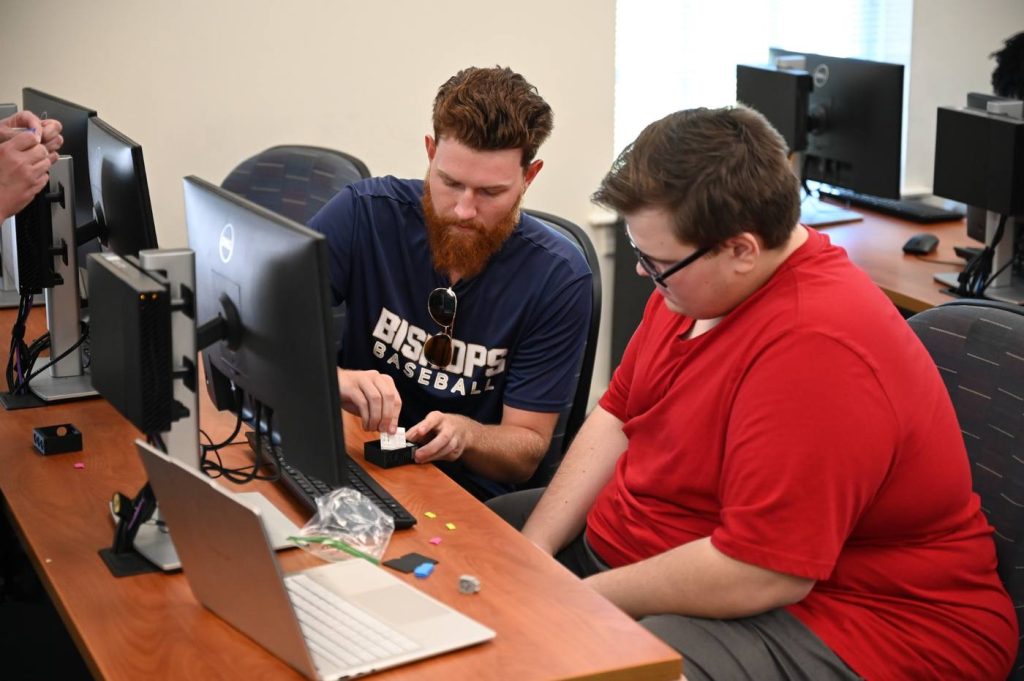
Students in NC Wesleyan University’s Computer Information Systems (CIS210) course recently took a hands-on approach to learning computer hardware by assembling miniature, 3D-printed desktop computer models.
The activity gave students the opportunity to move beyond diagrams and terminology and physically explore how major computer components—including the motherboard, memory, storage, graphics card, cooling system and power supply—fit together within a computer.
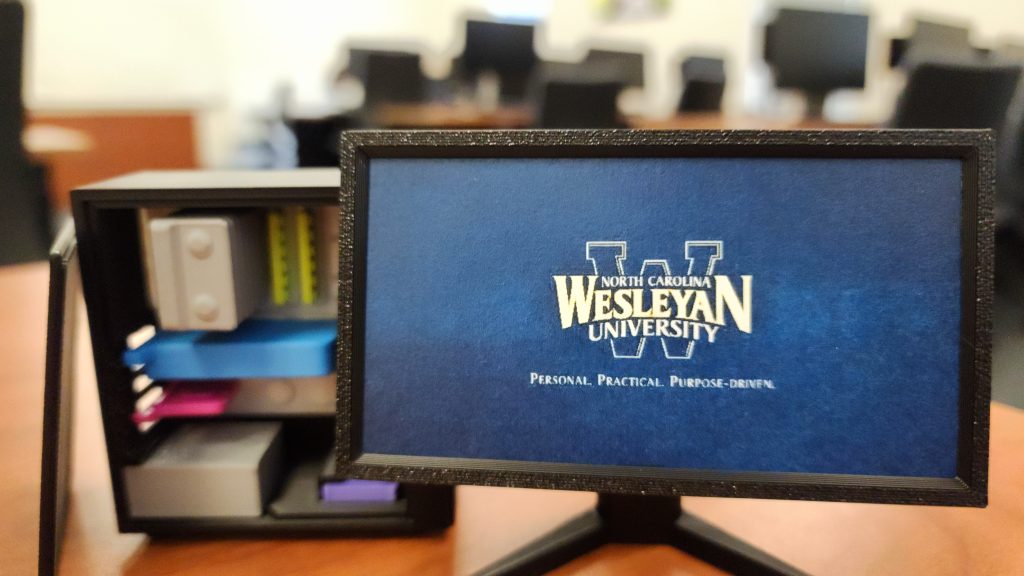
Designed as a low-risk introduction to computer assembly, the project allowed students to manipulate and assemble components without the complexities of working with full-size hardware. The hands-on experience supported tactile learning while encouraging curiosity, discussion and peer collaboration.
Beyond reinforcing technical concepts, the project helped students build confidence as they prepare to work with actual computer hardware. Students also received their miniature computers as keepsakes they can display, reassemble or use to share what they learned with friends and family.
The project is one example of how experiential learning in the classroom can make technical concepts more approachable, engaging and memorable.
NC Wesleyan Correctional Institutions Class Welcomes Guest Speaker from Nash Correctional Institution
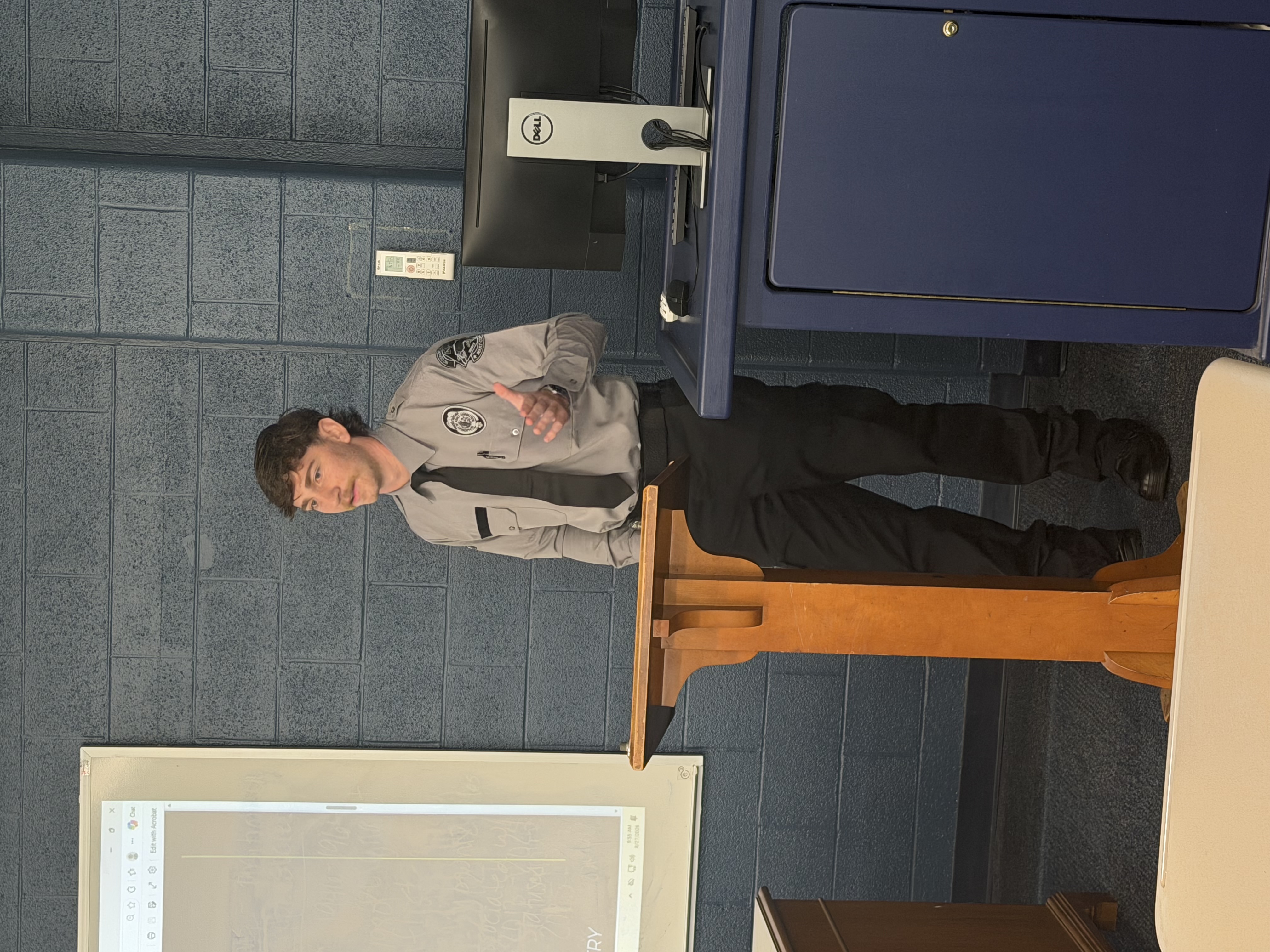
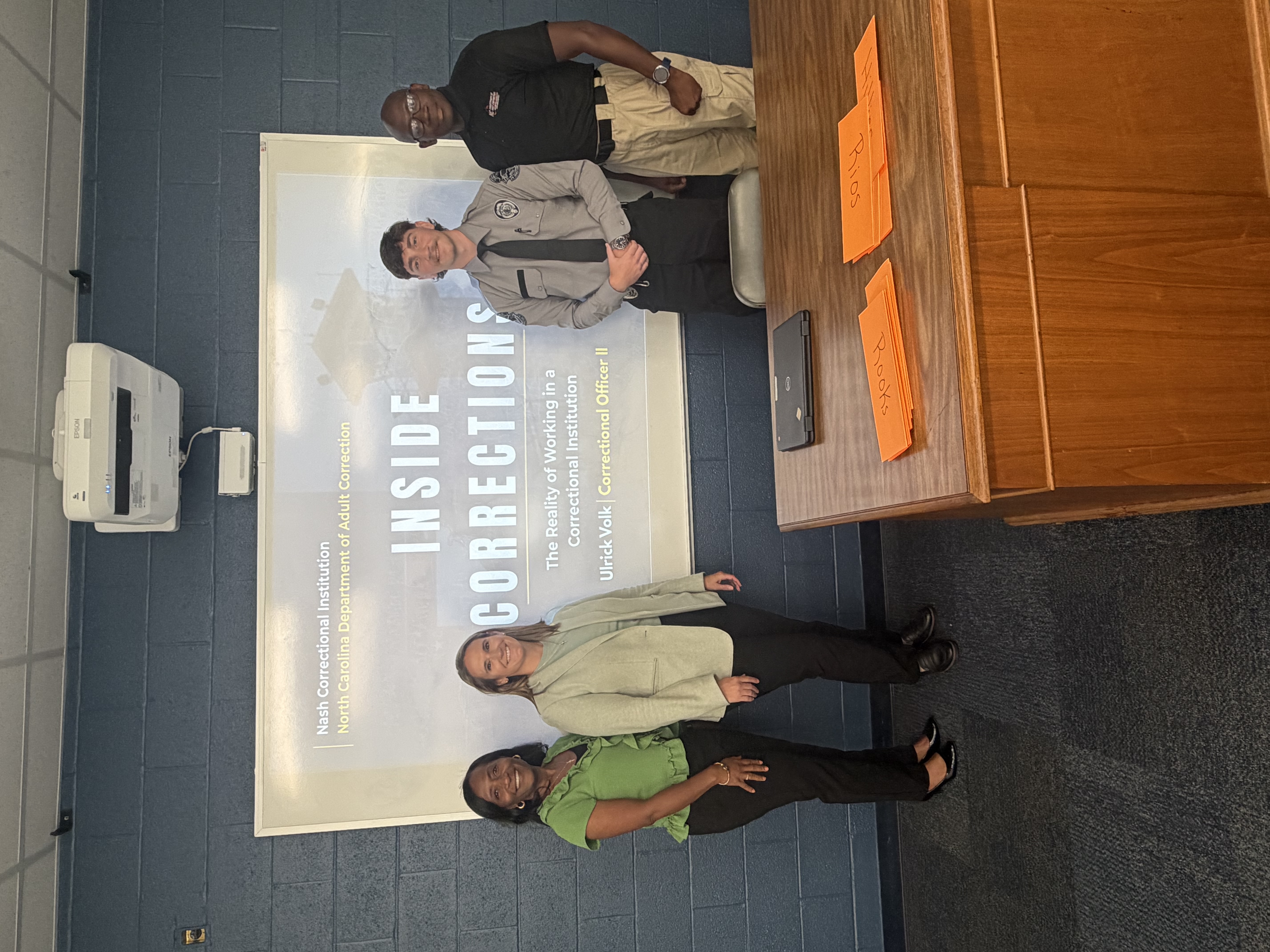
Students in North Carolina Wesleyan University’s Correctional Institutions class received an inside look at the realities of working in corrections when current NCWU psychology student and newly appointed Correctional Officer Ulrick Volk visited the class as a guest speaker.
Officer Volk, a former student of Professor Florence R. Jones, shared his experiences transitioning from college student to correctional officer at Nash Correctional Institution. He was escorted by Warden Talena Lee, who also spoke with students about careers, professional advancement, and opportunities within corrections.
Dressed in his professionally pressed correctional officer uniform, Officer Volk presented “Inside Corrections: The Reality of Working in a Correctional Institution.” His presentation covered a variety of topics, including why he chose corrections, his expectations versus the realities of the profession, the role and responsibilities of a correctional officer, direct supervision, de-escalation, prevention and response, contraband prevention, and lessons he has learned since entering the field.
About Officer Volk
Officer Volk’s journey into corrections began in April 2026, near the end of the Spring semester, when he contacted Professor Jones to express his interest in pursuing a career in corrections. Recognizing his potential and commitment, Professor Jones contacted Warden Lee, who assisted in supporting his transition into the profession.
Officer Volk went on to attend Correctional Officer Basic Training, where he distinguished himself among his peers. He graduated at the top of his class in firearms training, placed second on the final examination, and was selected to serve as the class speaker at graduation.
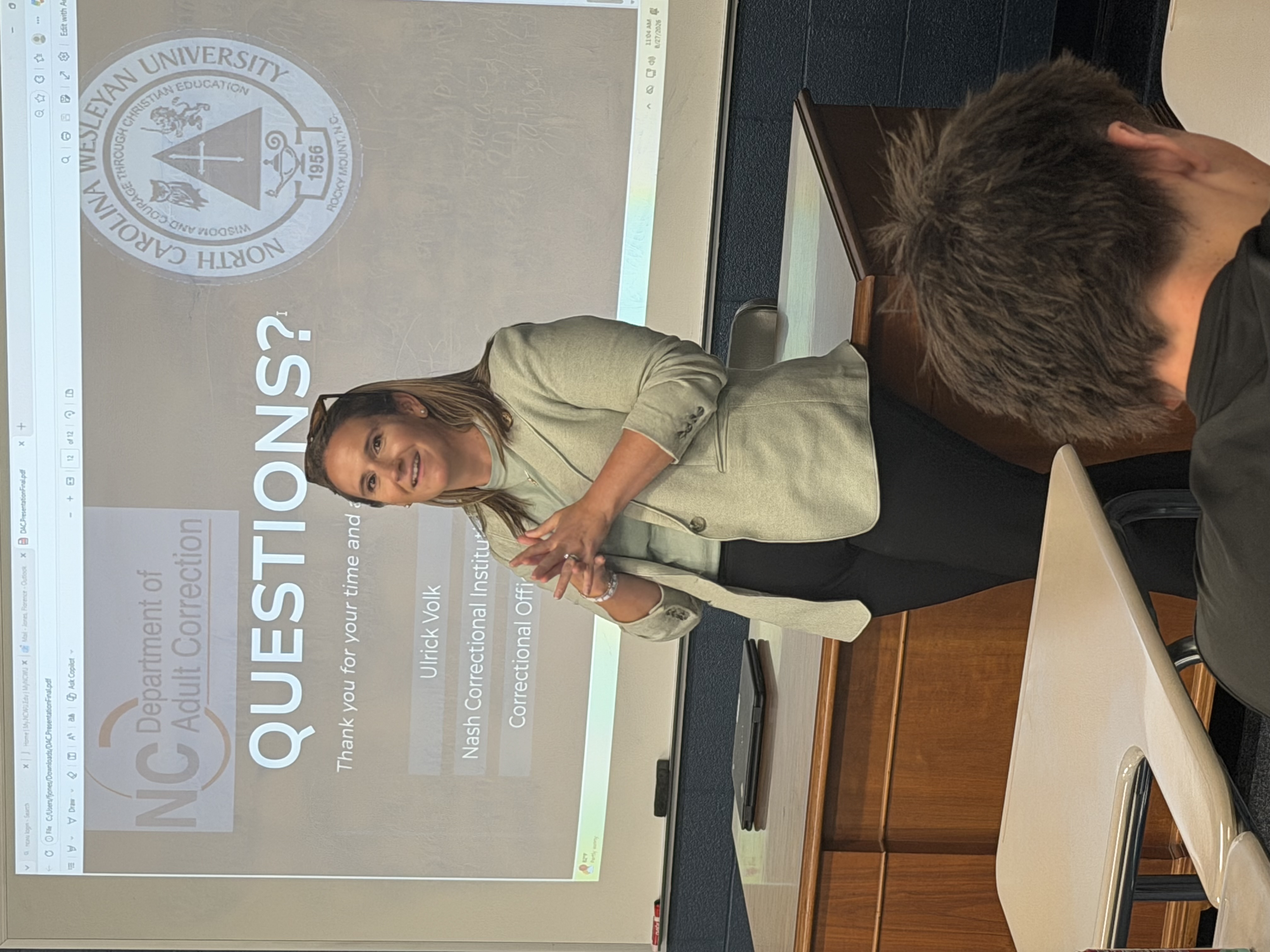
His presentation generated considerable interest and discussion among the students. Class members asked thoughtful questions about his fears and experiences, daily job responsibilities, balancing college with full-time employment, safety, and the challenges of working in a correctional environment. His professional and candid responses provided students with a realistic perspective on the profession and sparked interest in corrections as a potential career path for several students.
Warden Lee also engaged with the class, sharing her own experiences in corrections, discussing career advancement and promotional opportunities, and providing students with additional information about Nash Correctional Institution. Students eagerly took advantage of the opportunity to ask questions and learn from her extensive experience as a correctional leader.
Mr. Lance Woodard also accompanied Officer Volk and Warden Lee. Warden Lee introduced him and provided students with additional insight into his background and experience in corrections, as well as his professional access and connection to Nash Correctional Institution.
Criminal Justice at NCWU
The visit provided students with an invaluable opportunity to connect classroom instruction with real-world correctional experiences. Rather than simply learning about corrections from a textbook, students were able to hear directly from professionals working within the field and gain a better understanding of the responsibilities, challenges, opportunities, and rewards associated with a career in corrections.
On behalf of Dr. Gail Marsal, Associate Professor and Program Coordinator for Criminal Justice; Professor Florence R. Jones; and North Carolina Wesleyan University, we extend our sincere appreciation to Officer Ulrick Volk, Warden Talena Lee, and Mr. Lance Woodard for taking the time to visit the Correctional Institutions class and share their knowledge, experiences, and professional insight with our students.
Their willingness to invest in the next generation of criminal justice professionals made this an educational and memorable experience for the class.
NC Wesleyan Offers Nursing Students a Path Forward Amid Regional Program Changes
As nursing students across Eastern North Carolina navigate changes in regional nursing education, North Carolina Wesleyan University is highlighting both the strength of its growing nursing programs and the impact its graduates are making throughout the region.
Great 100 Nurses

One example is NC Wesleyan University alumna Celina Hawkins ‘24, BSN, RN, who has been named one of the Great 100 Nurses of North Carolina for 2026.
Hawkins, who serves as Education Coordinator at ECU Health Edgecombe Hospital, was selected among 100 nurses statewide recognized for their professional excellence, dedication to the nursing profession and contributions to their communities.
The Great 100 Nurses of North Carolina has recognized nurses across the state since 1989. Each year, thousands of nominations are submitted by patients, healthcare professionals, friends and family members, with 100 nurses ultimately selected for the honor.
Hawkins began her nursing education at Edgecombe Community College, earning her associate degree in nursing before continuing her education at North Carolina Wesleyan University, where she earned her Bachelor of Science in Nursing. Our RN to BSN program for registered nurses can be completed 100% online and has one of the lowest tuition rates in the state.
She has spent 14 years with ECU Health, beginning her career in the Surgical Unit at ECU Health Edgecombe Hospital before moving into nursing education. In her current role, Hawkins supports professional development, clinical excellence and lifelong learning among nursing staff.
Her recognition comes at a time when prospective and current nursing students throughout the region may be reassessing their educational options following recent changes to regional nursing programs.
NC Wesleyan’s Accredited Nursing Programs
North Carolina Wesleyan is prepared to help students explore their next steps.
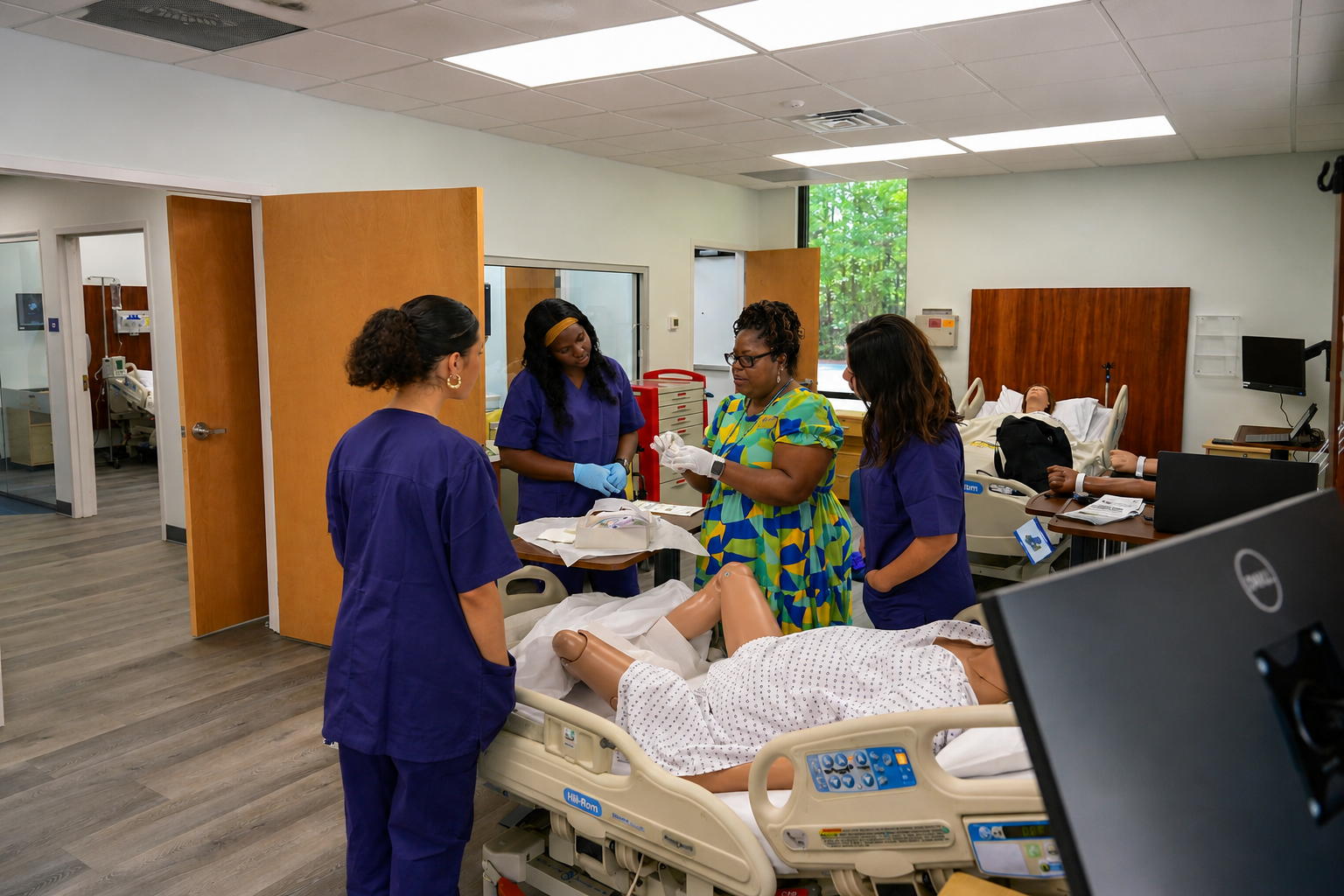
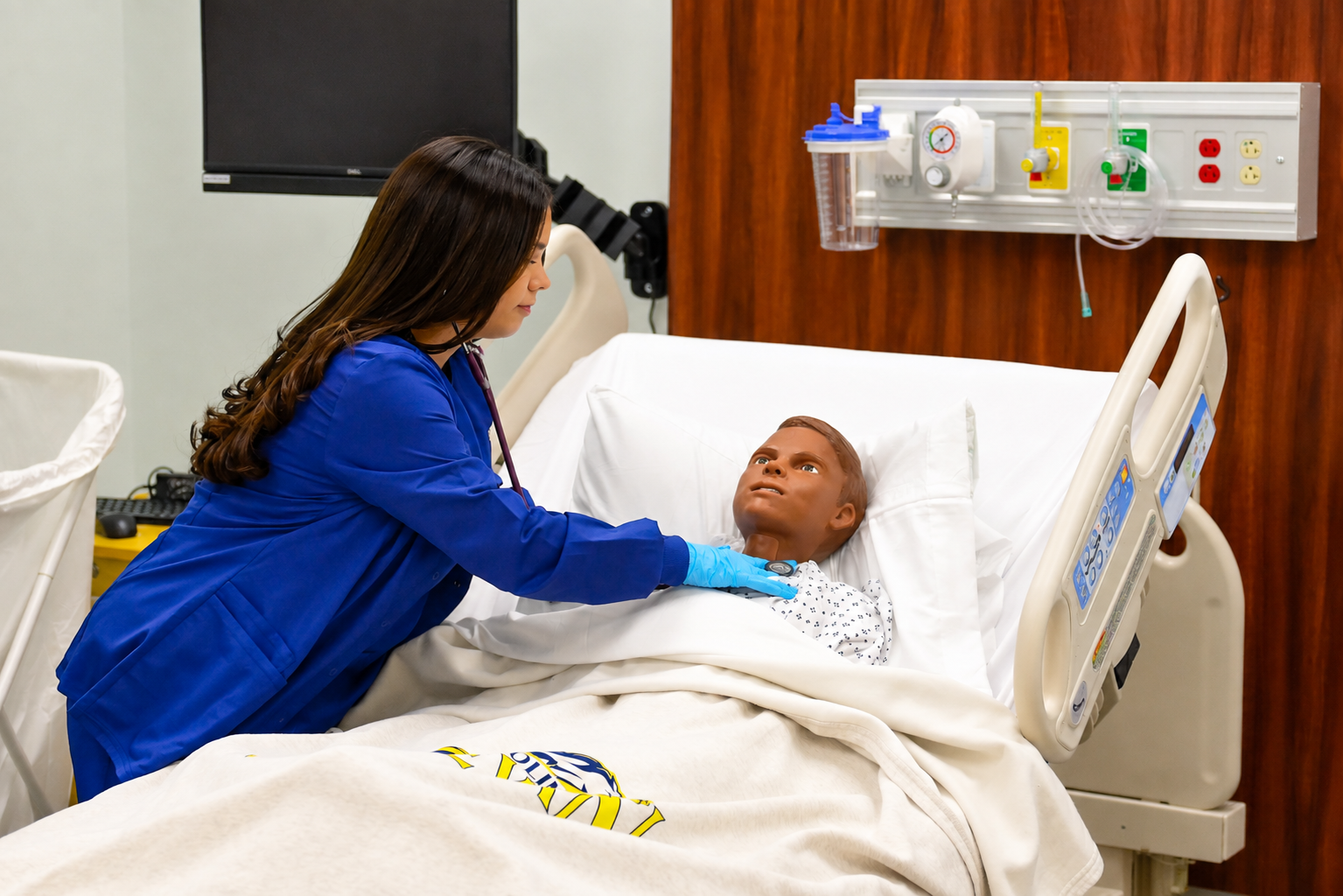
The university offers a growing prelicensure Bachelor of Science in Nursing program, along with an established RN-to-BSN program for registered nurses seeking to complete their bachelor’s degree. NC Wesleyan’s RN-to-BSN program is accredited by the Commission on Collegiate Nursing Education.
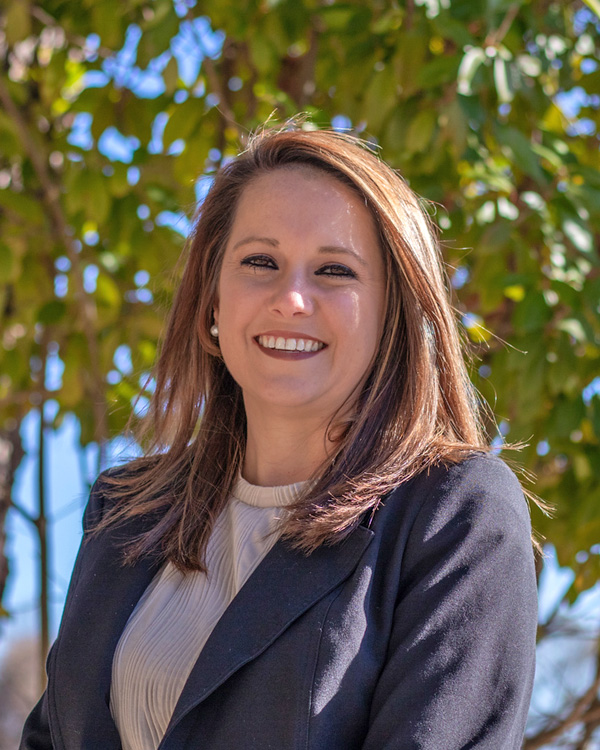
“We want students pursuing nursing to know that there are options available to them,” said Dr. Crystal Ostheim, Director of Nursing Programs and Initiatives. “Our goal is to provide students with a strong educational foundation and the support they need to build successful careers in nursing and make a difference in their communities.”
NC Wesleyan recently welcomed 29 students into its prelicensure BSN program, marking another milestone in the university’s growing commitment to nursing education.
For students who are reconsidering their nursing education plans, NC Wesleyan encourages prospective students to connect with its admissions and nursing teams to discuss their individual circumstances, academic backgrounds and potential pathways.
“Every student’s situation is different,” said Dr. Ostheim. “We’re here to listen, answer questions and help students understand what their options may be.”
Hawkins’ recognition as one of North Carolina’s Great 100 Nurses provides a powerful example of where a Wesleyan nursing education can lead. From earning her BSN at NC Wesleyan to becoming a nursing educator and now being recognized among the state’s Great 100 Nurses, Hawkins continues to make an impact on the healthcare profession and the communities she serves.
For students considering nursing or exploring a change in their educational plans, NC Wesleyan is ready to help them take the next step.
Our Fall 2027 BSN Nursing Program Application will OPEN on September 15, 2026 in order to accommodate the growing demand for our nursing program. APPLY first using our Traditional Admissions process.
NOTE: The Nursing Program (BSN) application is for students who have met all requirements and desire to apply to the Nursing program. Students MUST apply to Traditional admissions first and then be accepted to NC Wesleyan BEFORE they complete the BSN Application.
NCWU’s New Applied Reproductive Biology Certificate Attracts Students Nationwide
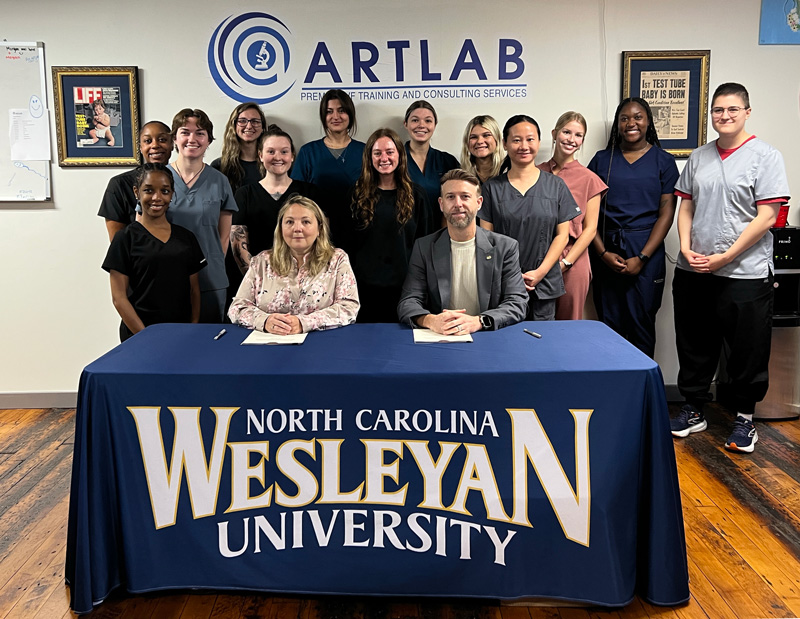
North Carolina Wesleyan University’s new Applied Reproductive Biology Certificate, offered in partnership with ARTLAB IVF Training and Research Center, is already making a national impact. Following the successful launch of its inaugural cohort this summer, the innovative workforce–focused program is attracting students from across the United States and building strong momentum for its next cohort.
The inaugural 10-week certificate program welcomed 11 students representing North Carolina, Texas, Georgia, Indiana, Nebraska, Tennessee, Virginia, and Oklahoma, highlighting the growing national demand for specialized training in assisted reproductive technology (ART).
Dr. Eva Schenkman, Founder and Chief Science Officer of ARTLAB, expressed her gratitude to the inaugural cohort for helping launch a first-of-its-kind educational partnership.
“I want to thank all of you for taking a leap of faith with us and helping establish this program,” said Schenkman. “Your willingness to be part of our inaugural class is laying the foundation for future students while helping address a critical need for highly trained professionals in reproductive medicine.”
The Student’s Perception
Among those students is Courtney Agurs of Charlotte, North Carolina, who began her journey toward becoming an embryologist after earning a bachelor’s degree in biology from High Point University. After discovering the program through TikTok, Agurs said she knew it was the opportunity she had been searching for.
“What excites me most about the program is we are able to be hands-on; we are able to be involved in the process of someone starting their family,” said Agurs. “This is something that is vital to a lot, a lot of people.”
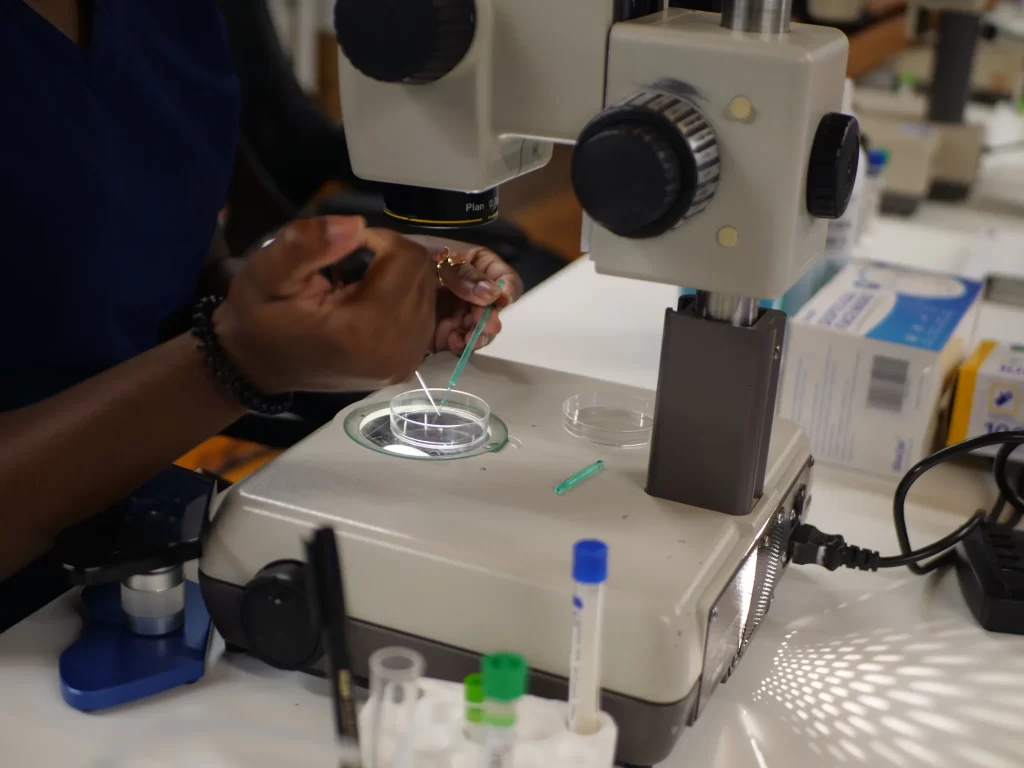
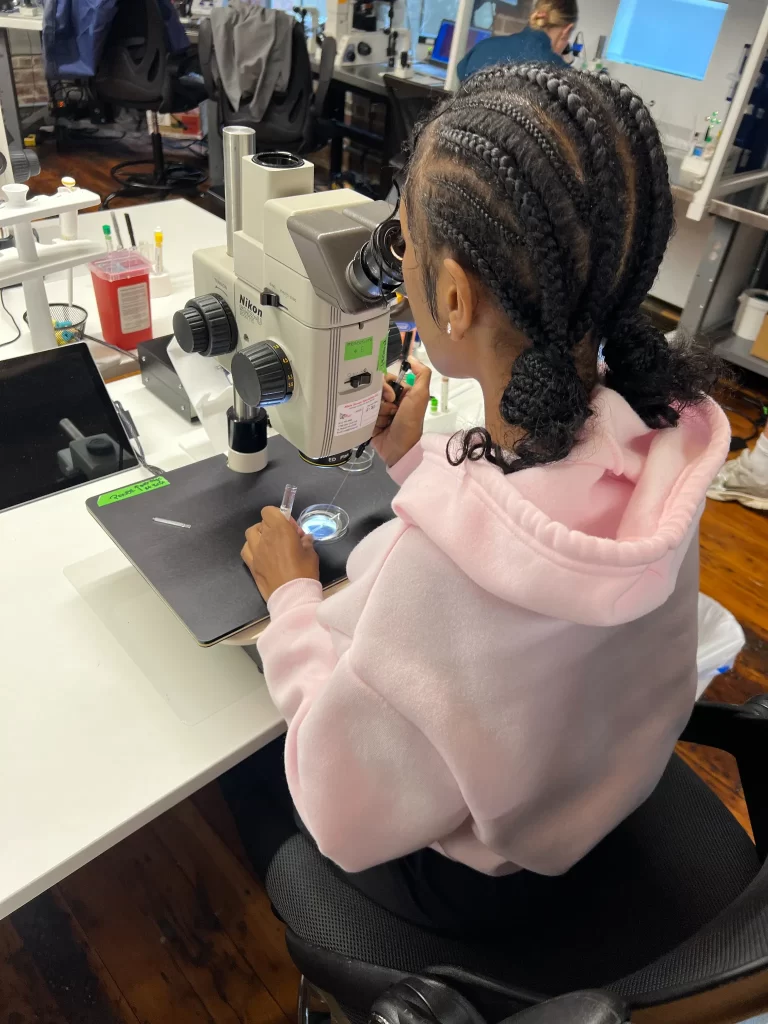
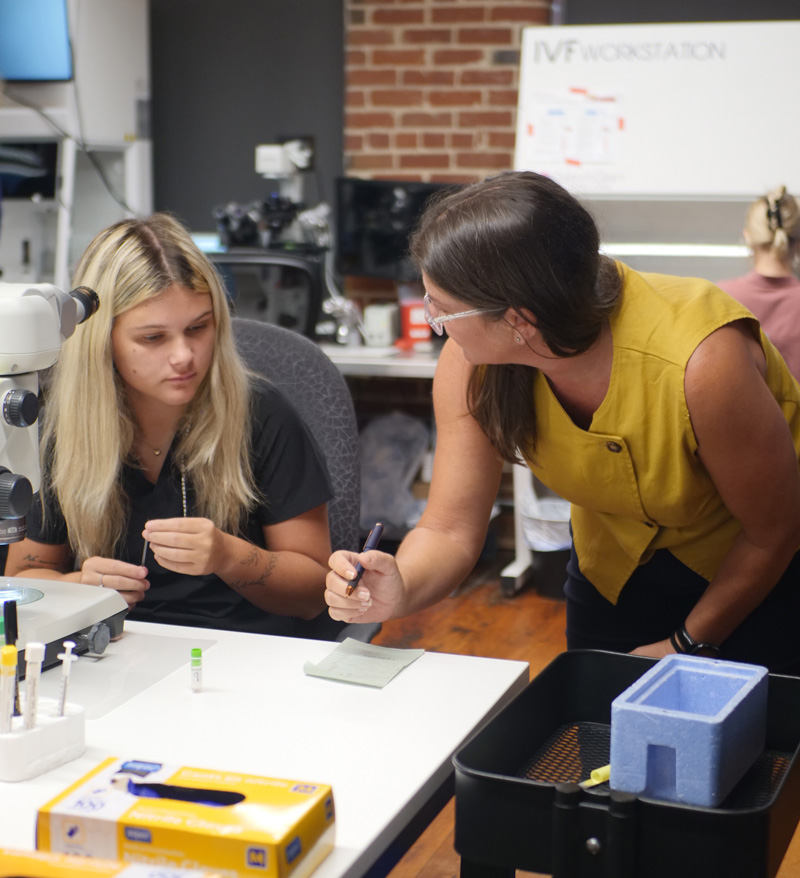
Developed through a first-of-its-kind collaboration between NC Wesleyan and ARTLAB, the world’s largest IVF training center, the Applied Reproductive Biology Certificate addresses the increasing workforce demand for highly trained professionals in fertility and reproductive laboratories. The intensive four-course, 10-week program combines university-level instruction with immersive laboratory training to prepare graduates for immediate employment in assisted reproductive technology laboratories.
Students receive comprehensive instruction in andrology and embryology laboratory procedures through daily hands-on training, faculty-led lectures, and competency-based assessments. Upon successful completion, participants earn 16 post-baccalaureate credit hours and are prepared to sit for the American Board of Registry (ABOR) certification examinations in Andrology Laboratory Science and Embryology Laboratory Science.
For Agurs, the hands-on experience has been one of the program’s greatest strengths.
“Honestly it sounds so simple, but hand control,” she said when asked what has surprised her most about the experience. “We almost have to be like surgeons. Our skill control and hand stability for learning the freezing and thawing of embryos and sperm has been the biggest learning experiences.”
She encourages others with a passion for science and laboratory work to consider the field.
“Do it,” Agurs said. “If you are a person that likes hands-on experience, you have a lot of patience, and you have lab experience, it will carry you far.”
What’s next?
Interest in the program continues to accelerate. The January 2027 cohort already has 16 accepted students, with more than 35 additional applicants currently in the admissions pipeline and new applicants arriving daily. The expanding applicant pool now includes prospective students from California, Pennsylvania, Massachusetts, Texas, and several other states, demonstrating the program’s rapidly growing national reach.
“Seeing students travel from across the country to attend this program affirms the need for accessible, high-quality training in reproductive biology,” said Katie Farrell, Interim Dean of Enrollment. “Our partnership with ARTLAB allows us to provide a unique educational experience that equips graduates with the specialized skills employers are actively seeking.”
The program was designed in response to the growing need for qualified embryologists and reproductive laboratory professionals as demand for fertility treatment continues to increase. Graduates receive personalized career support, including resume development and employer connections, contributing to an impressive 95% job placement rate within 60 days through ARTLAB’s established training programs.
The Applied Reproductive Biology Certificate is open to qualified post-baccalaureate applicants with degrees in laboratory sciences, as well as NC Wesleyan biology majors who have completed at least 90 credit hours. Students benefit from an immersive educational experience that emphasizes technical excellence, quality assurance, ethical practice, and the professional standards required in modern ART laboratories.
With growing enrollment, expanding geographic reach, and strong workforce outcomes, NC Wesleyan and ARTLAB are establishing the program as a premier destination for advanced reproductive biology education and training.
For more information about the Applied Reproductive Biology Certificate, visit ncwu.edu or contact the North Carolina Wesleyan University Office of Admissions.
NCWU Named to PTK’s 2026 Transfer Honor Roll
North Carolina Wesleyan University (NCWU) has been named to the 2026 Pi Theta Kappa (PTK) Transfer Honor Roll, placing the University among just 275 four-year colleges and universities nationwide recognized for excellence in serving community college transfer students.
The Transfer Honor Roll recognizes institutions that have demonstrated exceptional success in helping transfer students earn bachelor’s degrees through strong academic pathways, student support services, financial assistance, and campus engagement.
Why This Matters for Bishops
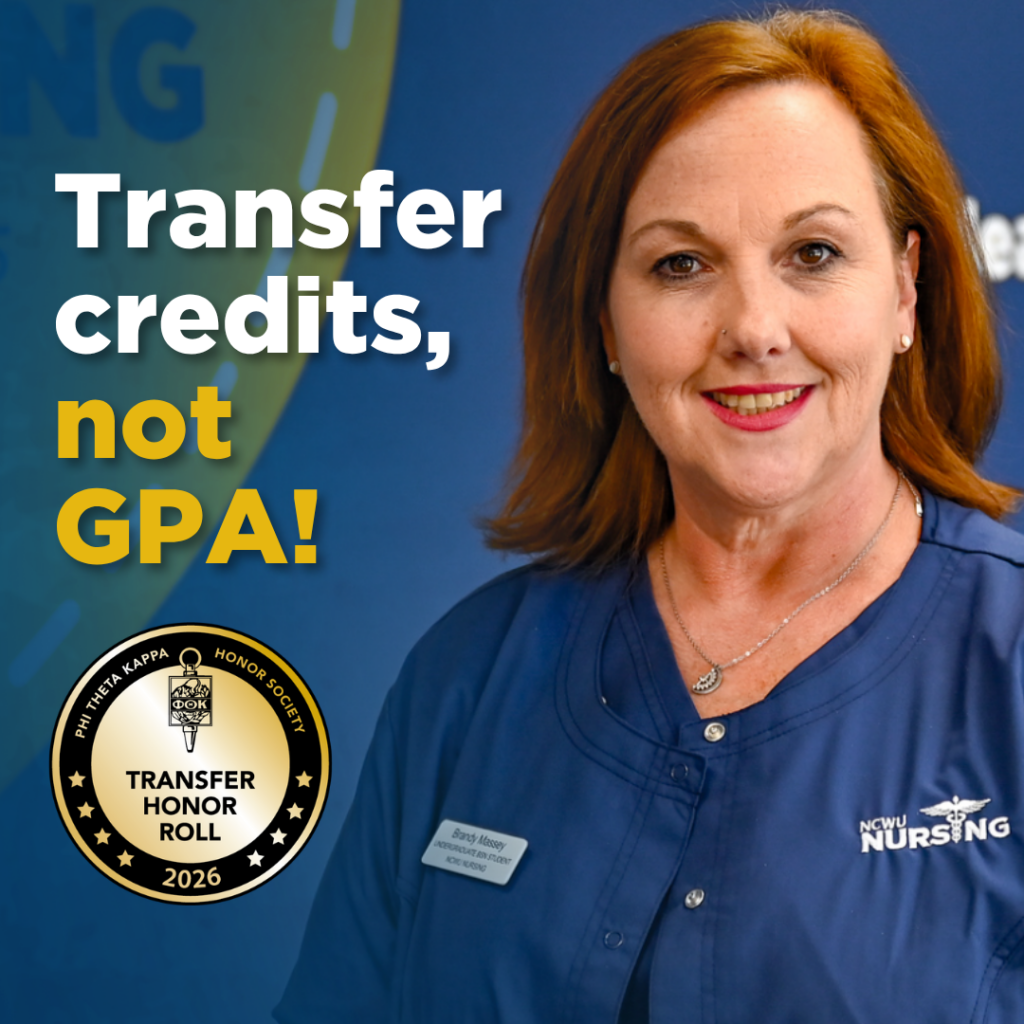
At NC Wesleyan, transfer students are more than just a growing population; they are a priority. The university has intentionally designed flexible transfer pathways that help students maximize previously earned credits and complete their degrees efficiently.
One of NCWU’s most distinctive transfer initiatives is its 75-hour transfer pathway, which allows eligible students to transfer up to 75 credit hours towards a bachelor’s degree. The pathway is designed to accommodate students from nearly every educational background, making it easier than ever for those who have attended community colleges or other institutions to continue their education without losing momentum.
In addition to traditional college coursework, NNCWU recognizes the value of learning that takes place beyond the classroom. The university awards academic credit for eligible professional licenses, certificates, military training, and other approved prior learning experiences, helping students receive credit for the knowledge and skills they have already earned through their careers.
“At NC Wesleyan, we understand that every transfer student’s journey is unique,” said Katie Farrell, Interim Dean of Enrollment. “Whether a student is transferring from a community college, another university, or returning to finish a degree after gaining professional experience, our goal is to remove barriers and create a clear pathway to graduation. This national recognition reflects our commitment to meeting students where they are and helping them reach where they want to be.”
Phi Theta Kappa evaluates institutions across five key areas that contribute to transfer student success:
- Transfer student success outcomes
- Credit mobility and degree applicability
- Financial support for transfer students
- Recruitment and admission practices
- Campus engagement and student support
Rather than measuring a single outcome, the Honor Roll recognizes colleges and universities that have intentionally created policies and practices that help transfer students thrive from admission through graduation.
“The recognition is about much more than transfer agreements,” said Dr. Lynn Tincher-Ladner, President and CEO of Phi Theta Kappa. “Successful transfer happens when institutions intentionally design policies, practices, and campus cultures that help students thrive when they arrive. These colleges have demonstrated that transfer student success is not accidental. It is strategic priority.”
NCWU’s personalized advising, small class size, flexible course delivery, and career-focused academic programs ensure that transfer students receive individualized support throughout their educational journey. Combined with generous transfer credit evaluations and recognition of prior learning, the university continues to make earning a bachelor’s degree more accessible for students from all backgrounds.
Students interested in transferring to North Carolina Wesleyan University can learn more about transfer pathways, credit evaluations, scholarships, and academic programs by visiting https://ncwu.edu/academics/adult-professional-studies/adult-transfer-students/ or contacting the Office of Admissions.
About North Carolina Wesleyan University
North Carolina Wesleyan University (NCWU) is a small, private Methodist-affiliated institution with a liberal arts-based core curriculum that prepares students for professional advancement, life-long learning and responsible participation in their comma unities. NCWU offers liberal arts, professional and graduate degree programs for traditional, transfer and working-adult students.
NCWU offers a best-in-class value and a personally tailored private higher education experience. We invest in each and every student we accept by providing individualized awards, scholarships and grants. Wesleyan is YOUR hometown University that is Personal. Practical, and Purpose-Driven. With students from all over the United States and more than 40 different countries, the University has immense cultural diversity. In addition to its educational mission, NCWU serves as a vital economic engine for the region, contributing over $209 million to the local economy.
To learn more, visit ncwu.edu and follow on Facebook, LinkedIn, TikTok and Instagram.
About Phi Theta Kappa
Phi Theta Kappa Honor Society recognizes the academic achievement of students at associate degree-granting colleges and helps them grow as scholars and leaders. Recognized by the American Association of Community Colleges as the official honor society for two-year colleges, PTK also serves as the nation’s largest honor society in higher education, with more than 4.5 million members and nearly 1,200 chapters in 11 countries, including approximately 220,000 active members in colleges today. Through scholarships, leadership development, and transfer and career pathways, PTK helps students turn their potential into opportunity. Learn more at ptk.org.
NC Wesleyan Faculty Member Helps Shape New National Standard for Physical Fitness
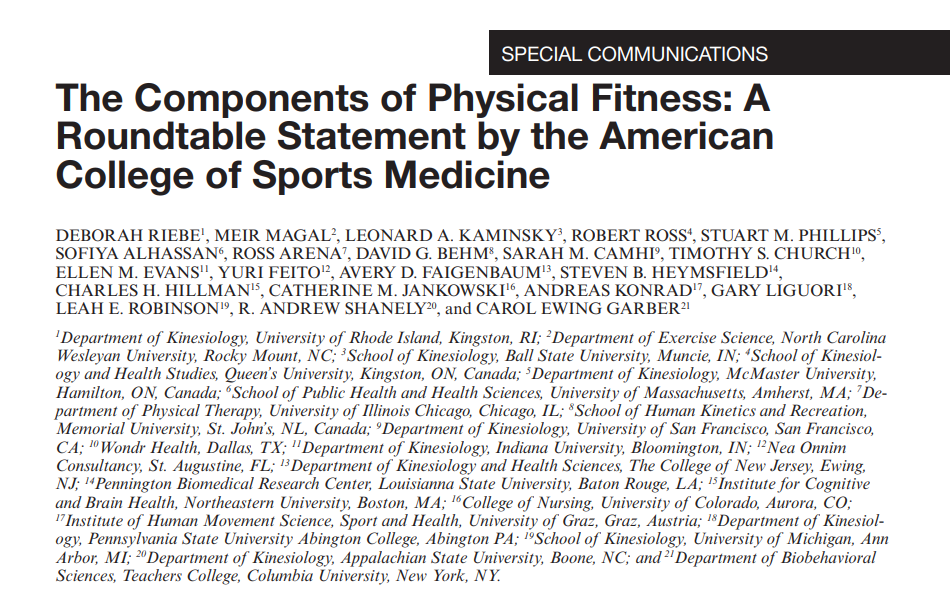
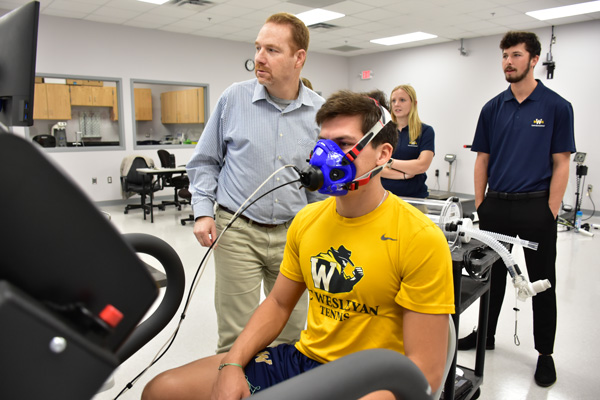
North Carolina Wesleyan University (NCWU) is proud to announce that Dr. Meir Magal, Program Director, Inaugural Souza Professor of Exercise Science, and Chair of the School of Health Sciences, is recognized as the second author of a newly published American College of Sports Medicine (ACSM) consensus statement that redefines the components of physical fitness for the modern era.
Published in Medicine & Science in Sports & Exercise, the ACSM’s peer-reviewed flagship journal, widely recognized for top-tier multidisciplinary research in sports medicine and exercise science, The Components of Physical Fitness presents an updated, evidence-based framework that reflects decades of scientific advancement. The consensus statement identifies five interconnected components of physical fitness: cardiorespiratory fitness, muscular fitness, body composition, neuromotor fitness, and flexibility.
About the Publication
The publication replaces the longstanding distinction between “health-related” and “skill-related” fitness with a more comprehensive model that better reflects current research and supports individualized assessment across adulthood.
“This project took nearly five years to complete, and I am honored to have collaborated with leading experts in our field as the second author on this publication,” said Dr. Magal. “I believe this publication not only advances the field but also enhances the university’s visibility and reputation.”
Consensus statements published by ACSM are developed by nationally and internationally recognized experts and serve as important references for educators, researchers, clinicians, and exercise professionals. The updated framework is expected to influence how physical fitness is taught, assessed, and applied in academic, clinical, and performance settings.
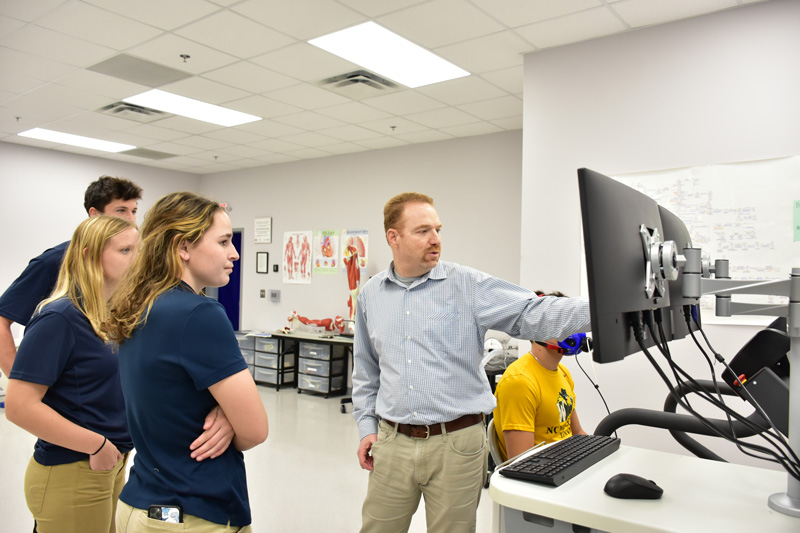
“Dr. Magal’s contribution to this landmark publication reflects the caliber of scholarship and leadership found within our School of Health Sciences,” said NCWU President Dr. Evan D. Duff. “Having one of our faculty members help shape national conversations in exercise science reinforces our commitment to academic excellence and provides our students with the opportunity to learn from leaders who are actively advancing their profession.”
Why this matters for Wesleyan
As Chair of the School of Health Sciences, Dr. Magal brings decades of experience in exercise physiology, human performance, and research. His involvement in this international initiative further strengthens North Carolina Wesleyan University’s growing reputation for excellence in health sciences education and research.
NCWU continues to invest in innovative academic programs that prepare students to become leaders in healthcare, human performance, and related fields. Faculty scholarship such as this ensures students benefit from instruction grounded in the latest scientific discoveries while contributing to the advancement of their disciplines.
For more information about North Carolina Wesleyan University’s School of Health Sciences, visit ncwu.edu.
NCWU Expands Global Reach Through New Philippines Partnership
North Carolina Wesleyan University (NCWU) has strengthened its commitment to global education through a newly established international partnership with Benguet State University (BSU) in the Philippines. The two institutions recently formalized their collaboration by signing a Memorandum of Understanding (MOU) that will foster academic cooperation, research, cultural exchange, and international learning opportunities.
The agreement establishes a framework for collaboration in academics, research, skills development, and other initiatives designed to enhance the educational experience for students, faculty, and researchers at both universities. Through the partnership, NCWU and BSU will explore opportunities for faculty, researcher, and student exchanges, as well as the sharing of academic resources through both in-person and virtual formats.
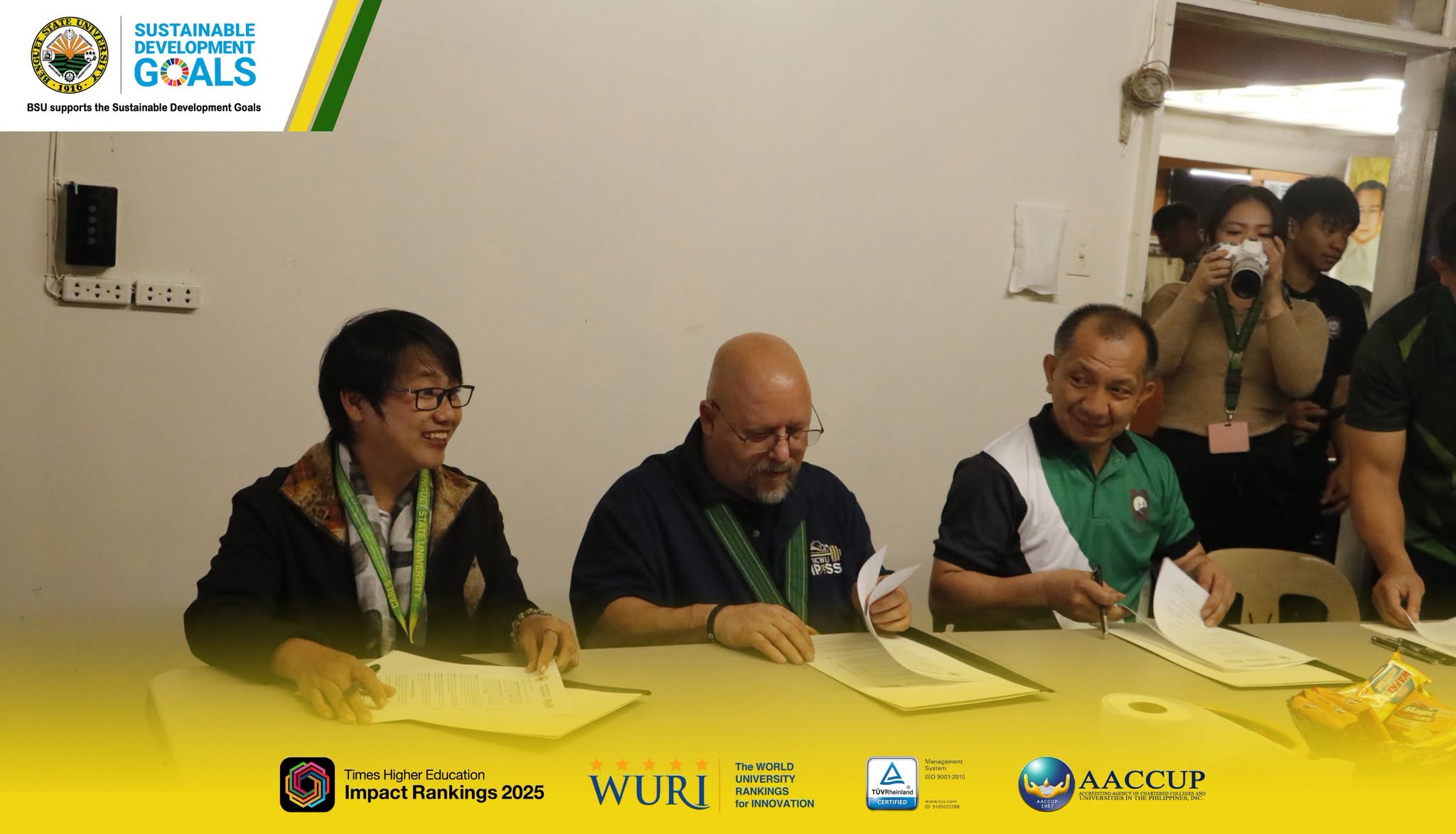
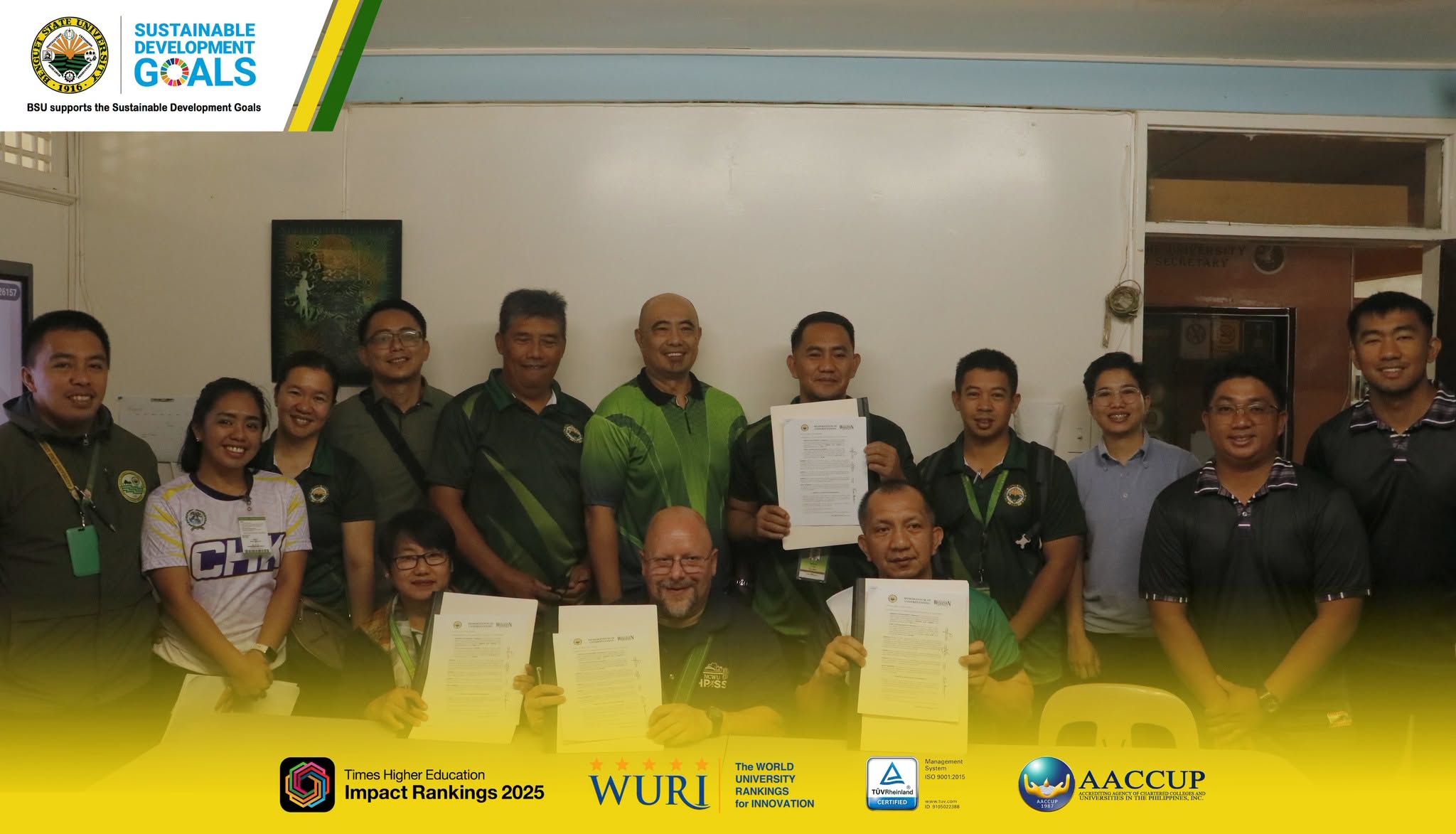
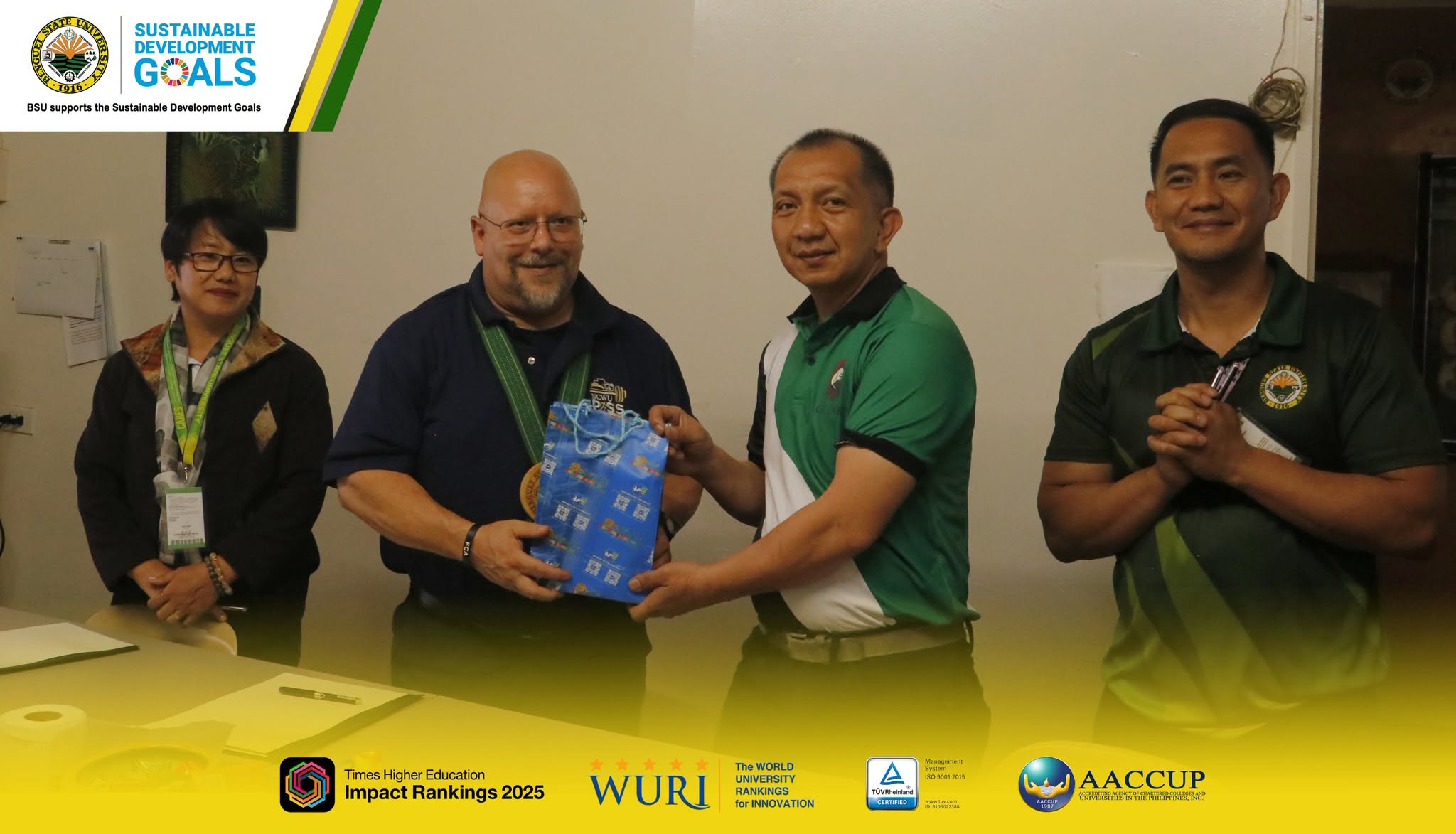
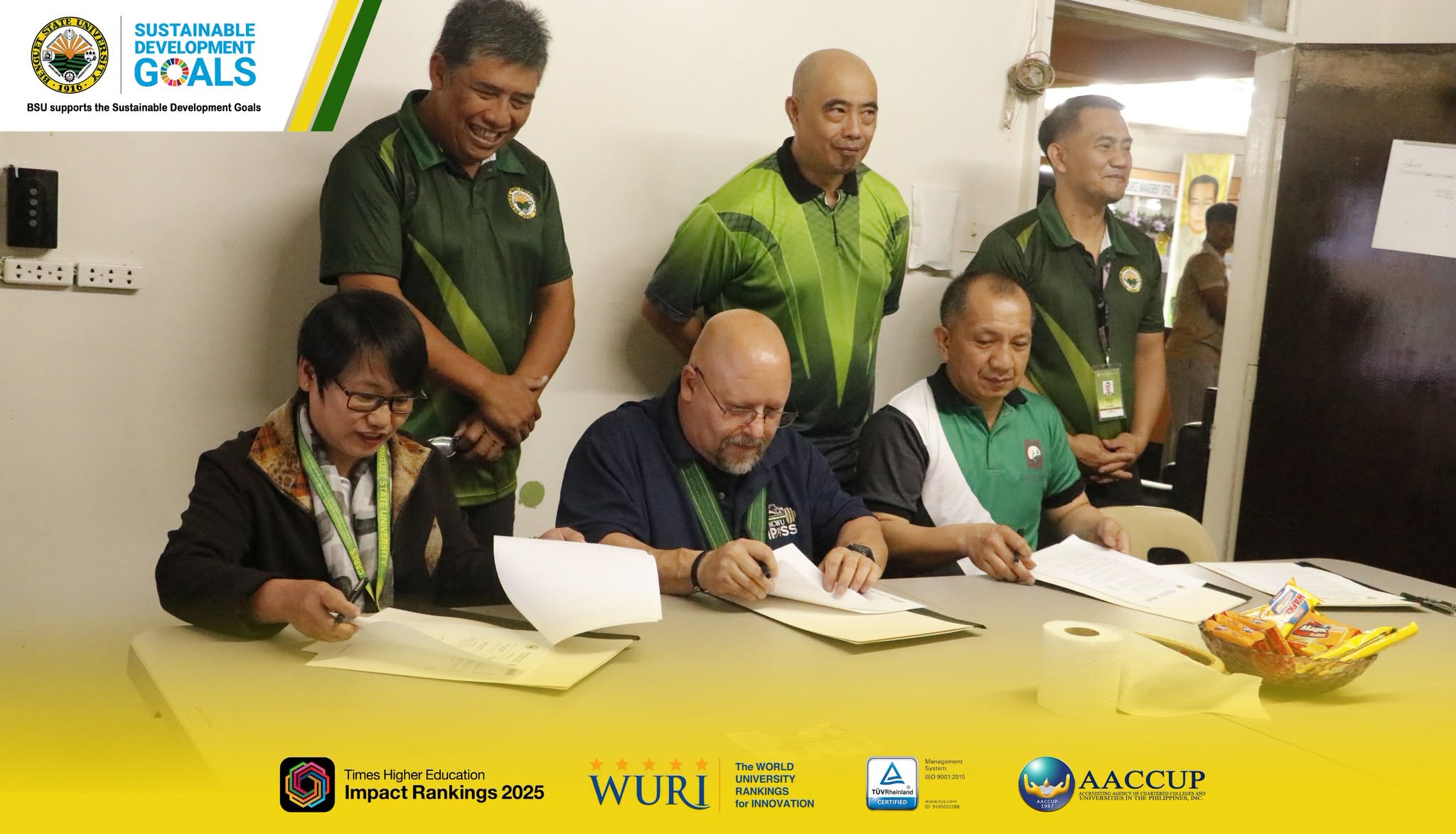
NCWU President Dr. Evan Duff, a signatory to the agreement, was represented at the signing ceremony by Dr. Tim Dornemann, Associate Professor of Exercise Science. During the visit, Dr. Dornemann met with BSU President Dr. Kenneth Alip Laruan to discuss future initiatives that extend beyond the provisions of the MOU, reinforcing both institutions’ shared vision for meaningful international collaboration.
“Our partnership with Benguet State University represents an exciting opportunity to expand the global experiences available to our students and faculty,” said Dr. Duff. “By working together across cultures and disciplines, we can create meaningful educational opportunities, strengthen research collaborations, and prepare our students to thrive in an increasingly interconnected world.”
The discussions provided university leaders with the opportunity to learn more about each institution’s academic programs, strategic priorities, and ongoing developments. The exchange highlighted a mutual commitment to academic excellence, innovation, and international engagement while identifying areas where collaboration can create lasting benefits for both universities.
Through this partnership, NCWU and BSU will combine their expertise and resources to develop collaborative programs that enrich teaching, research, and student learning. The agreement is expected to support joint research projects, academic exchanges, professional development opportunities, and initiatives that promote intercultural understanding and global citizenship.
As North Carolina Wesleyan University continues to expand its international partnerships, the collaboration with Benguet State University reflects the University’s dedication to providing students with transformative educational experiences that extend beyond the classroom and across the globe.
NC Wesleyan Earns Clean Fifth-Year Accreditation Review from SACSCOC
What is SACSCOC?
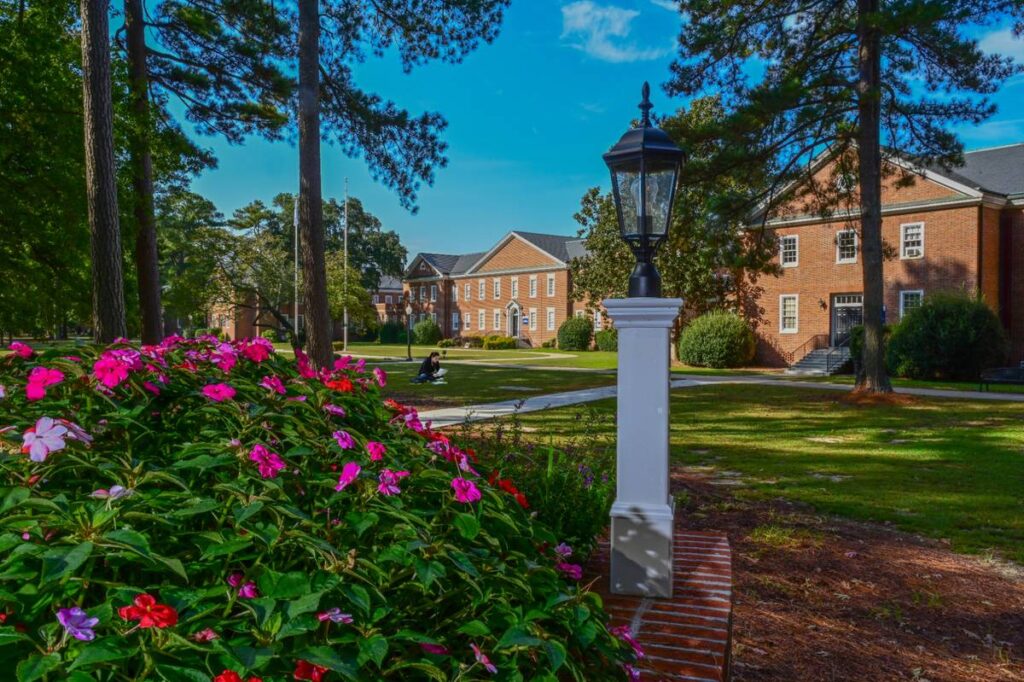
North Carolina Wesleyan University (NCWU) is proud to announce it has successfully completed its Southern Association of Colleges and Schools Commission on Colleges (SACSCOC) Fifth-Year Interim Committee Review, receiving a completely clean audit, full compliance across all reviewed standards with no follow-up reports, no referrals, and no additional monitoring required. It will formally go to the SACSCOC Board of Trustees in June for approval.
The SACSCOC Fifth-Year Interim Review is a rigorous evaluation that takes place midway through an institution’s 10-year accreditation cycle. The review assesses continued compliance with key accreditation standards and evaluates the progress and effectiveness of the institution’s Quality Enhancement Plan (QEP), a long-term initiative designed to improve student learning and success.
During the review, SACSCOC evaluated NCWU’s compliance with 22 specific core requirements and standards, including areas such as faculty qualifications and adequacy, student achievement, academic program quality, student support services, distance education policies, transparency, and institutional effectiveness.
In addition, NCWU submitted its Quality Enhancement Plan Impact Report, which was reviewed and accepted by the SACSCOC committee. “Dr. Daniel Elias (Associate Professor of Environmental Science/Program Coordinator, Environmental Science) provided extraordinary leadership in preparing NCWU’s Quality Enhancement Plan,” said Dr. Joe Lane, Provost and Senior Vice President of Academic Affairs.
Contributions & Recognitions
“This is an extraordinary milestone for North Carolina Wesleyan University,” said Dr. Evan D. Duff, President of NCWU. “Successfully completing the SACSCOC Fifth-Year Interim Review with a completely clean audit is a tremendous accomplishment and a powerful affirmation of the quality, integrity, and dedication that defines Wesleyan. Our faculty and staff don’t simply prepare for accreditation, they live our standards every day, ensuring our students receive an exceptional educational experience.”
A clean Fifth-Year Interim Review is an achievement reached by only a small percentage of institutions, making the outcome a significant validation of NCWU’s commitment to excellence and continuous improvement.
The successful review reflects the work of the University’s Institutional Effectiveness team, along with strong collaboration across academic and administrative departments.
Dr. Duff specifically recognized the leadership of Dr. Jarrod Kelly, Associate Provost for Institutional Effectiveness and Accreditation, and Scott Marsigli, Institutional Effectiveness Analyst and Administrative Assessment Coordinator, who played key roles in coordinating the review process and preparing the comprehensive report submitted to SACSCOC. The Provost’s Office was also acknowledged for its coordination and oversight to ensure academic programs and student outcomes were thoroughly documented and aligned with accreditation expectations.
In reflection, Dr. Jarrod Kelly shares, “Having the SACSCOC Review Committee raise zero questions or concerns about our report speaks to the dedication and commitment of faculty and staff, particularly the team who spent over a year working on the report. To my knowledge, NCWU has never had a completely clean review with no committee findings. I believe that this reflects positively on our approach since our last reaffirmation to better educate and inform the campus community about the goals and importance of accreditation processes for maintaining quality and building a culture of continuous improvement.”
“This accomplishment is a reflection of the collective excellence of our entire campus community,” Dr. Duff added. “It reinforces that North Carolina Wesleyan University is not only meeting expectations, but we are exceeding them. We are on strong footing as we continue toward our next full reaffirmation, and I could not be prouder of the team that makes this institution so special.”
NC Wesleyan remains committed to providing a high-quality educational experience that supports student success, strengthens academic programs, and serves the broader community with integrity and purpose.
