


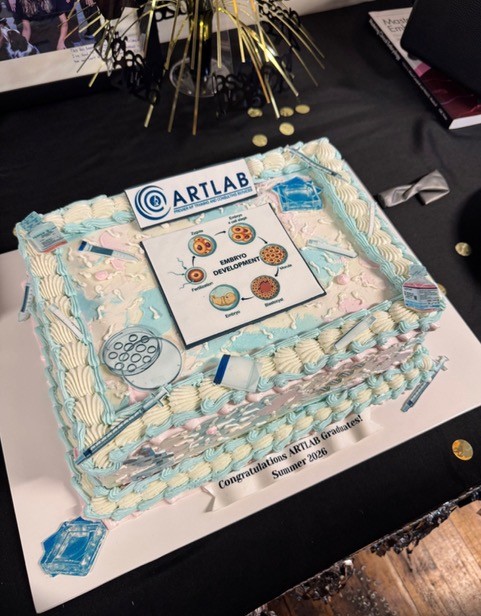
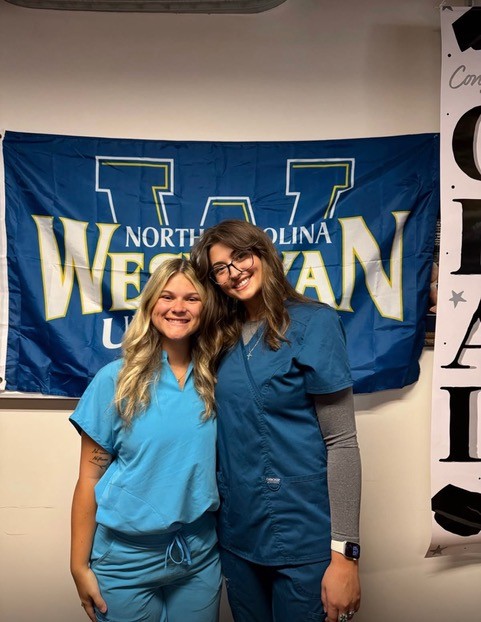
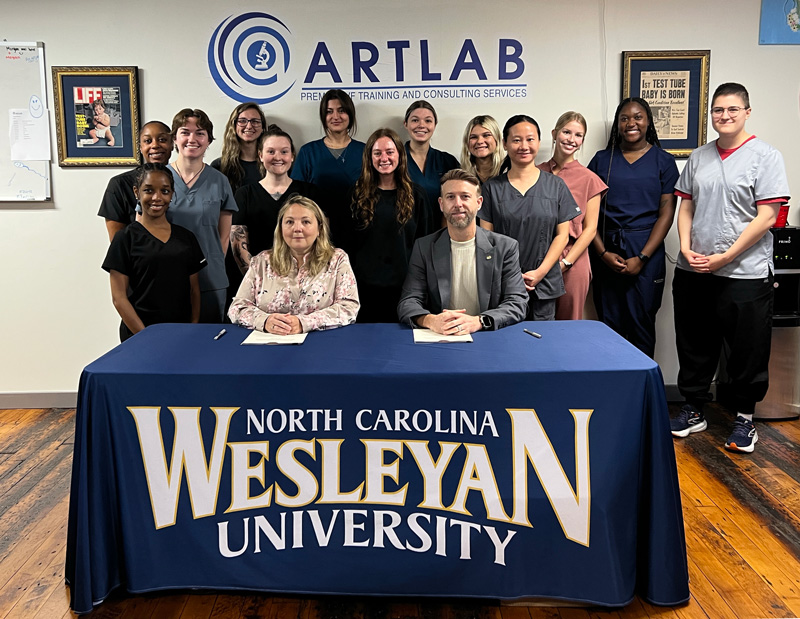
North Carolina Wesleyan University is celebrating a milestone in its growing academic offerings and its commitment to workforce development with the completion of its inaugural Applied Reproductive Biology Laboratory (ARTLAB) cohort.
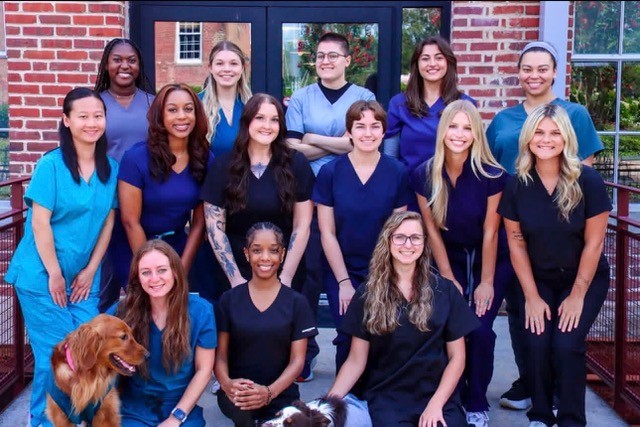
The first cohort of 11 students has completed NC Wesleyan’s Applied Reproductive Biology certificate program, designed to prepare students for careers in the rapidly growing field of assisted reproductive technology and in vitro fertilization (IVF) laboratory science.
And the results are already translating into careers.
Of the 11 students in the inaugural cohort, seven have confirmed job offers in the field, while the remaining four are currently in various stages of the interview process. Based on the progress of those students, the program projects 100% employment placement within the next month.
For NC Wesleyan, that early success represents more than the completion of a first class. It demonstrates the potential of ARTLAB to connect specialized education directly to workforce demand while creating new career opportunities for students and contributing to economic development in a growing industry.
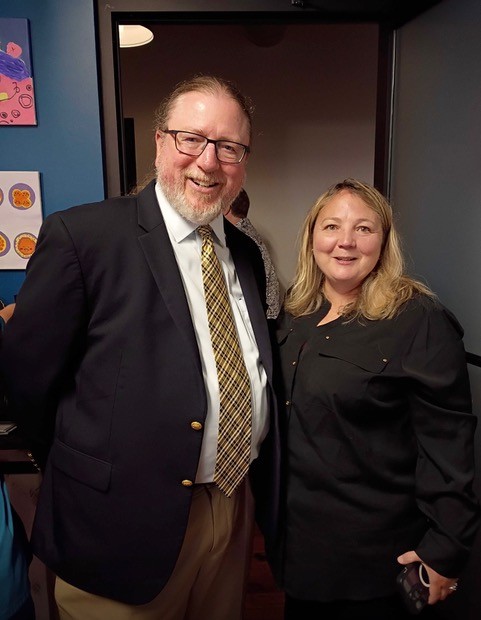
“This is the first class — the first of many — to complete the nation’s finest training for positions in IVF labs across the nation under the auspices of North Carolina Wesleyan,” said Dr. Joe Lane, Provost and Senior Vice President for Academic Affairs at NC Wesleyan University. “We look forward to working with Dr. Schenkman and her colleagues to continue growing this program and to launching new programs in related fields.”
The Applied Reproductive Biology certificate is an accelerated, specialized program that provides students with hands-on training and academic preparation aligned with the needs of assisted reproductive technology laboratories. Students are prepared to pursue opportunities within IVF laboratories and related reproductive science settings.
The program was developed under the leadership of Dr. Eva Schenkman and her colleagues, whose expertise has helped establish NC Wesleyan as an emerging destination for specialized training in reproductive biology.
The inaugural cohort’s career outcomes underscore the value of that industry-focused approach.
Building a Workforce for a Growing Industry
The demand for professionals trained in assisted reproductive technology continues to create opportunities for individuals interested in laboratory science and reproductive health. NC Wesleyan’s ARTLAB program is designed to help meet that demand by providing focused training for students seeking a pathway into this specialized field.
For the University, the program also represents a broader commitment to creating educational opportunities that have a direct impact beyond the classroom.
Students gain specialized skills. Employers gain access to trained talent. And communities benefit when graduates are able to transition into meaningful careers.
The inaugural cohort provides an early example of that workforce-development model in action.
With seven students already holding confirmed positions and the remaining four actively interviewing, the first ARTLAB cohort is poised to achieve a 100% placement rate shortly after completing the program.
Applications Open for 2027 Cohorts
With the success of its first cohort, NC Wesleyan is preparing to welcome the next group of students interested in entering the field of applied reproductive biology.
Applications are now being accepted for two 2027 cohorts:
- Spring 2027 Cohort: January 18 – March 26, 2027
- Summer 2027 Cohort: May 24 – July 30, 2027
The University encourages individuals interested in pursuing careers in IVF laboratory science and applied reproductive biology to learn more about the program and apply for an upcoming cohort.
The first cohort may have been the beginning, but NC Wesleyan sees it as just that, the beginning.
As the University continues to expand its offerings in applied reproductive biology and related fields, ARTLAB is positioned to become an important part of NC Wesleyan’s commitment to innovative education, career preparation and workforce development.
To learn more about NC Wesleyan’s Applied Reproductive Biology program or apply for an upcoming cohort, visit ncwu.edu.
NCWU’s New Applied Reproductive Biology Certificate Attracts Students Nationwide
North Carolina Wesleyan University’s new Applied Reproductive Biology Certificate, offered in partnership with ARTLAB IVF Training and Research Center, is already making a national impact. Following the successful launch of its inaugural cohort this summer, the innovative workforce–focused program is attracting students from across the United States and building strong momentum for its next cohort.
The inaugural 10-week certificate program welcomed 11 students representing North Carolina, Texas, Georgia, Indiana, Nebraska, Tennessee, Virginia, and Oklahoma, highlighting the growing national demand for specialized training in assisted reproductive technology (ART).
Dr. Eva Schenkman, Founder and Chief Science Officer of ARTLAB, expressed her gratitude to the inaugural cohort for helping launch a first-of-its-kind educational partnership.
“I want to thank all of you for taking a leap of faith with us and helping establish this program,” said Schenkman. “Your willingness to be part of our inaugural class is laying the foundation for future students while helping address a critical need for highly trained professionals in reproductive medicine.”
The Student’s Perception
Among those students is Courtney Agurs of Charlotte, North Carolina, who began her journey toward becoming an embryologist after earning a bachelor’s degree in biology from High Point University. After discovering the program through TikTok, Agurs said she knew it was the opportunity she had been searching for.
“What excites me most about the program is we are able to be hands-on; we are able to be involved in the process of someone starting their family,” said Agurs. “This is something that is vital to a lot, a lot of people.”
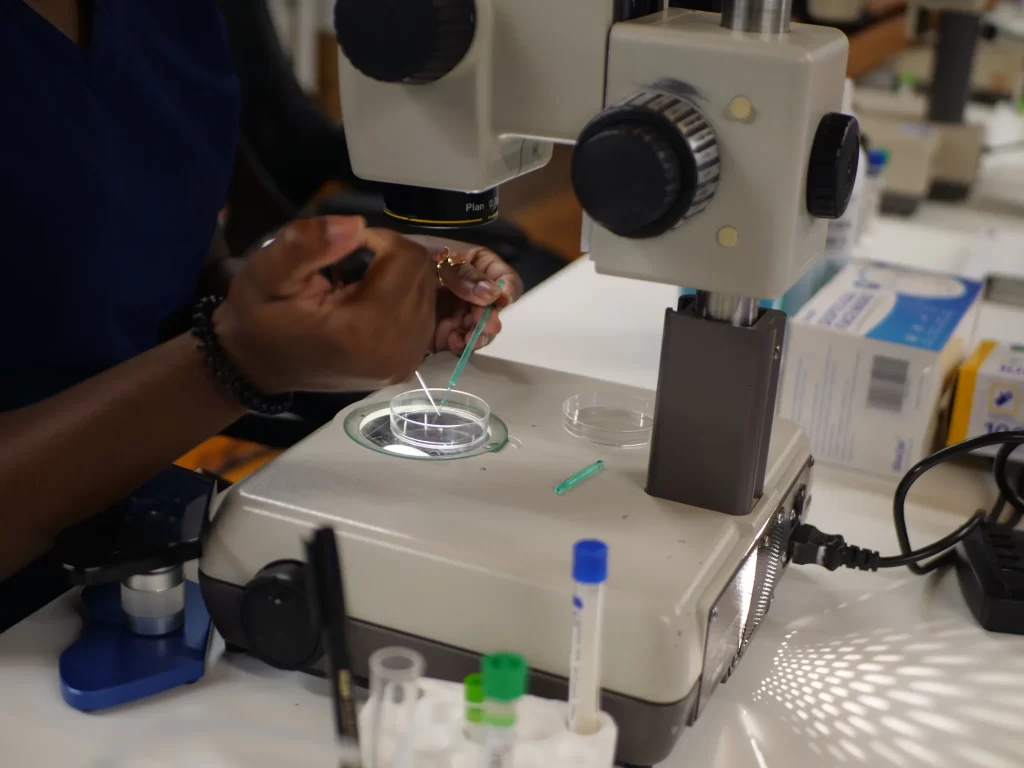
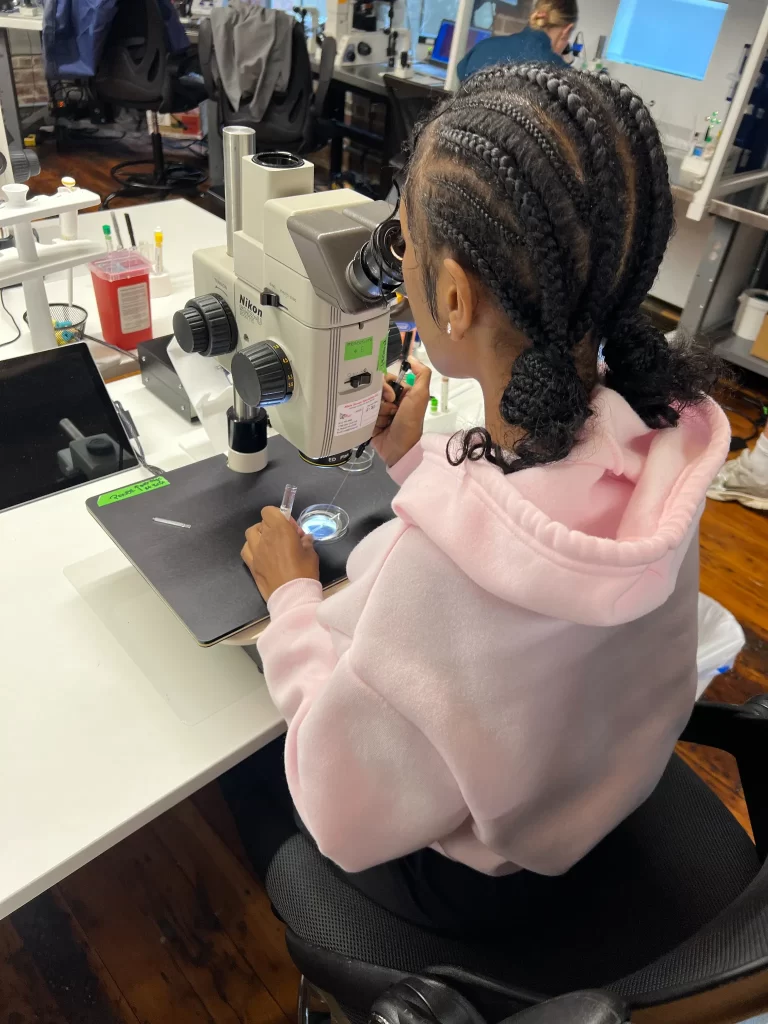
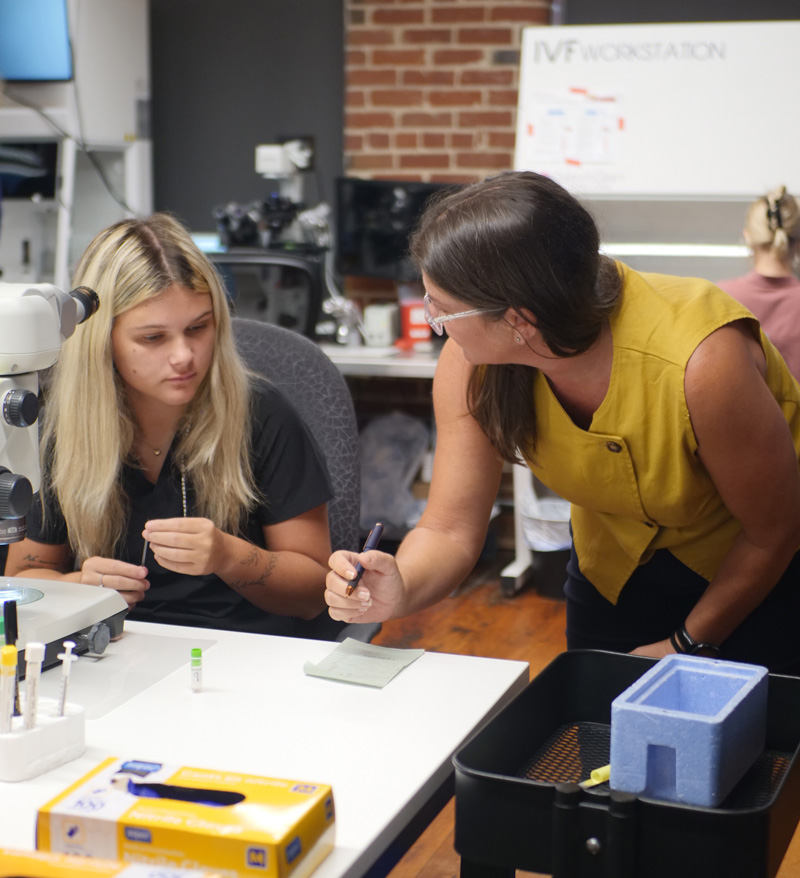
Developed through a first-of-its-kind collaboration between NC Wesleyan and ARTLAB, the world’s largest IVF training center, the Applied Reproductive Biology Certificate addresses the increasing workforce demand for highly trained professionals in fertility and reproductive laboratories. The intensive four-course, 10-week program combines university-level instruction with immersive laboratory training to prepare graduates for immediate employment in assisted reproductive technology laboratories.
Students receive comprehensive instruction in andrology and embryology laboratory procedures through daily hands-on training, faculty-led lectures, and competency-based assessments. Upon successful completion, participants earn 16 post-baccalaureate credit hours and are prepared to sit for the American Board of Registry (ABOR) certification examinations in Andrology Laboratory Science and Embryology Laboratory Science.
For Agurs, the hands-on experience has been one of the program’s greatest strengths.
“Honestly it sounds so simple, but hand control,” she said when asked what has surprised her most about the experience. “We almost have to be like surgeons. Our skill control and hand stability for learning the freezing and thawing of embryos and sperm has been the biggest learning experiences.”
She encourages others with a passion for science and laboratory work to consider the field.
“Do it,” Agurs said. “If you are a person that likes hands-on experience, you have a lot of patience, and you have lab experience, it will carry you far.”
What’s next?
Interest in the program continues to accelerate. The January 2027 cohort already has 16 accepted students, with more than 35 additional applicants currently in the admissions pipeline and new applicants arriving daily. The expanding applicant pool now includes prospective students from California, Pennsylvania, Massachusetts, Texas, and several other states, demonstrating the program’s rapidly growing national reach.
“Seeing students travel from across the country to attend this program affirms the need for accessible, high-quality training in reproductive biology,” said Katie Farrell, Interim Dean of Enrollment. “Our partnership with ARTLAB allows us to provide a unique educational experience that equips graduates with the specialized skills employers are actively seeking.”
The program was designed in response to the growing need for qualified embryologists and reproductive laboratory professionals as demand for fertility treatment continues to increase. Graduates receive personalized career support, including resume development and employer connections, contributing to an impressive 95% job placement rate within 60 days through ARTLAB’s established training programs.
The Applied Reproductive Biology Certificate is open to qualified post-baccalaureate applicants with degrees in laboratory sciences, as well as NC Wesleyan biology majors who have completed at least 90 credit hours. Students benefit from an immersive educational experience that emphasizes technical excellence, quality assurance, ethical practice, and the professional standards required in modern ART laboratories.
With growing enrollment, expanding geographic reach, and strong workforce outcomes, NC Wesleyan and ARTLAB are establishing the program as a premier destination for advanced reproductive biology education and training.
For more information about the Applied Reproductive Biology Certificate, visit ncwu.edu or contact the North Carolina Wesleyan University Office of Admissions.
ARTLAB and NC Wesleyan University Partner to Launch New Embryology and Andrology Education Programs
In recognition of National Infertility Awareness Week (NIAW), ARTLAB and North Carolina Wesleyan University (NCWU) are highlighting a major step forward in reproductive science education with the launch of a new academic credential designed to strengthen the future workforce of fertility laboratory professionals. The partners are proud to announce the first stage in their strategic collaboration: a post-baccalaureate certificate in Applied Reproductive Biology, launching in Summer 2026. The first cohort will start July 6 – Sept 11, 2026.
This 16-credit (10-week) certificate program is now accepting applications from candidates who have completed a B.S. in a laboratory science or who will complete such a degree in May 2026. To inquire or apply for the first cohort, contact Dr. Eva Schenkman at eva@artlabconsulting.com.
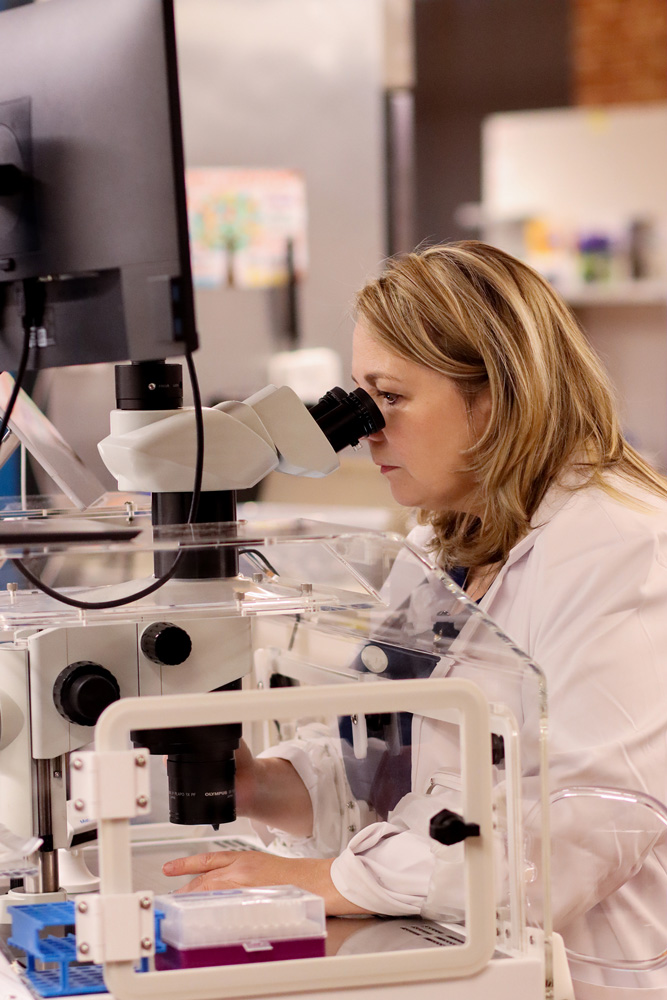
Designed to meet the growing workforce demands of assisted reproductive technology (ART) laboratories across the United States, the program combines academic rigor with applied training. ARTLAB, currently the largest IVF training center in the world, brings extensive reproductive laboratory expertise and real-world industry experience to the curriculum.


“As one of the few academically affiliated programs in embryology, this collaboration with North Carolina Wesleyan University brings together training taught by globally recognized leaders with a commitment to standardization in a historically unregulated field,” said Dr. Eva Schenkman, MS, PhD, Founder of ARTLAB. “As fertility rates decline and demand for assisted reproductive technologies increases worldwide, the need for highly skilled embryologists has become increasingly urgent. Together, ARTLAB and NC Wesleyan are setting a new standard for the field.”
“We are excited to launch our first certificate program with ARTLAB. This is one example of our commitment to deliver career-focused programs that reflect our Personal, Practical, Purpose-driven Education promise,” said Dr. Joe Lane, Provost and Senior Vice President for Academic Affairs at North Carolina Wesleyan University. “We are especially excited about the opportunities this certificate will provide to our biology students seeking new professional pathways in this highly specialized and rapidly growing field. We also look forward to welcoming new students into the Wesleyan community as they come to Rocky Mount to complete this ten-week professional program.”
NCWU President Dr. Evan D. Duff added, “This partnership with ARTLAB and Dr. Eva Schenkman represents exactly where higher education needs to go—aligning academic rigor with real-world, high-demand careers that change lives. By launching one of the few academically grounded programs in embryology and andrology, North Carolina Wesleyan is not only expanding opportunity for our students but also helping to build the future workforce of reproductive medicine professionals. We are proud to lead in a space where science, purpose, and human impact intersect in such a profound way.”
Through this partnership, ARTLAB and NCWU will continue to develop both credit-bearing and professional training courses to support professionals entering and advancing within the field.
Students pursuing the post-baccalaureate certificate may be eligible for federal financial aid, student loans, and grant opportunities. Formalizing this program under the auspices of North Carolina Wesleyan University significantly expands access to advanced education in reproductive science.
Additional details regarding admissions requirements, program structure, and enrollment timelines will be available in the coming days.
Learn More >
NCWU Graduate to Ph.D. at Texas A&M University
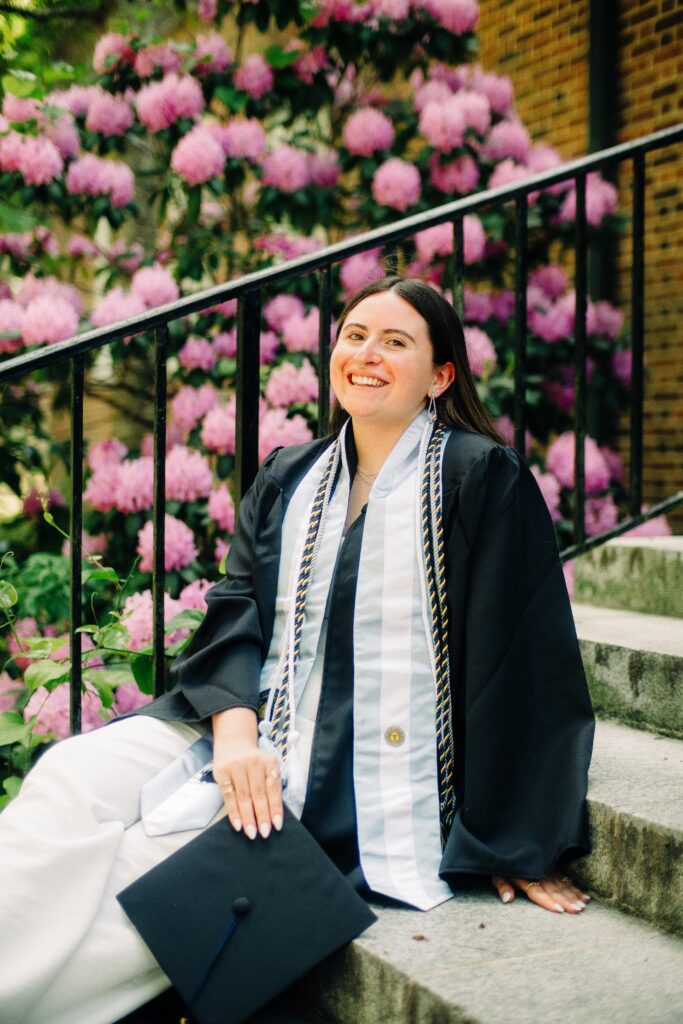
Andy Rizzo, a standout graduate of North Carolina Wesleyan University’s Class of 2025, has dual-earned Bachelor of Science degrees in Biology and Environmental Science. Hailing from Buenos Aires, Argentina, Andy chose NCWU for its small, welcoming campus and strong support for international students.
“I felt it would make my transition as an international student easier,” Andy said. “But what made me stay was the community – the friends, faculty, and staff who made my college journey truly amazing.”
Andy’s time at Wesleyan was marked by involvement and leadership. She served as RA and Head RA, led both the Student Entertainment & Activities Team (S.E.A.T.) and the International Bishop Association, and was active in multiple honor societies and student organizations. Her dedication was recognized with several awards, including the Algernon Sydney Sullivan Award, Environmental Science Award, Internship Award for her work at Pfizer, and being crowned Homecoming Princess in 2023 and Homecoming Queen in 2024.
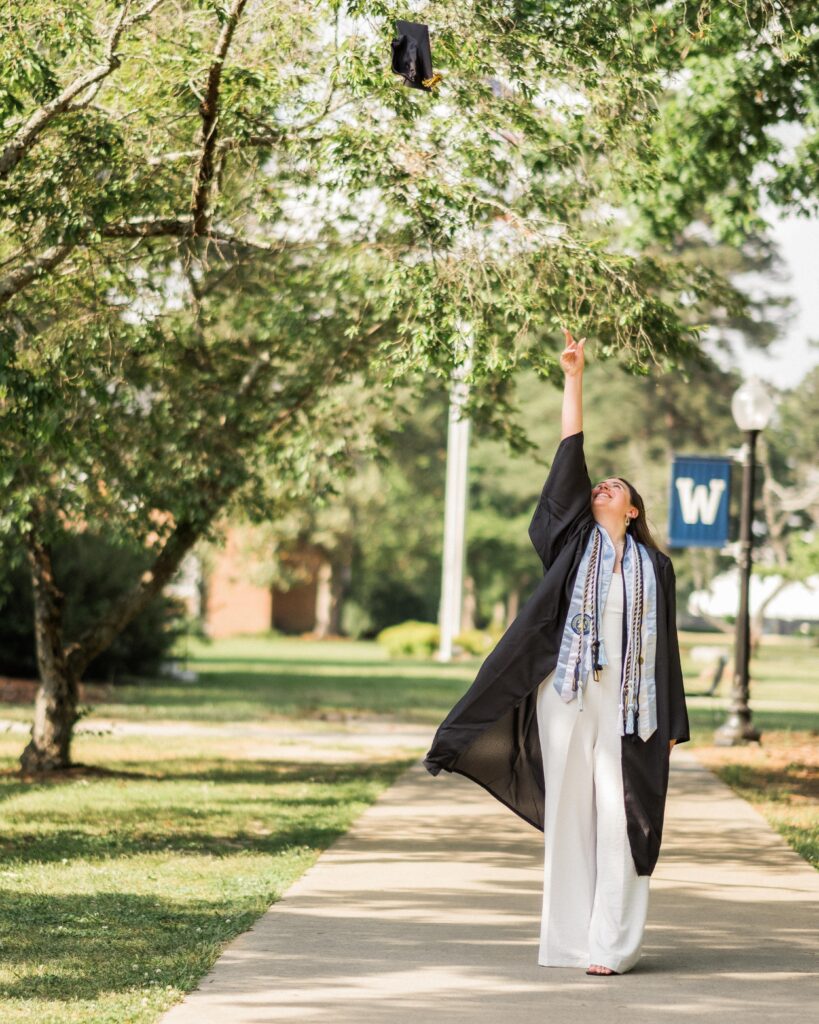
One of her biggest academic influences was Dr. Daniel Elias, under whom Andy conducted research on environmental pollutants. Dr. Elias reflected, “Watching Andy grow as a researcher has been one of the most rewarding parts of my work. Through her leadership on projects studying PFAS, salinity, microplastics, and predatory cues in Physa acuta, her presentations at multiple conferences, and her mentorship through the NSF GeoPath program, Andy showed true academic growth, resilience, and responsibility. Beyond the lab, she also helped lead outreach efforts, native planting projects, and citizen science initiatives. I could not be prouder of her journey and everything still ahead.”
Now, Andy is heading to Texas A&M University-Corpus Christi to pursue her Ph.D. in Marine Biology, backed by a teaching assistantship with Dr. Seemann. She’ll be researching the effects of environmental pollutants on fish – continuing the meaningful work she started at Wesleyan.
“I’m very grateful for my journey at Wesleyan,” she said. “None of my accomplishments would have been possible without the support of my parents, my friends from home and at Wesleyan, Mrs. Dawn Turner, and Dr. Daniel Elias.”
NCWU Biology Students are Published
North Carolina Wesleyan University (NCWU) proudly celebrates the continued success of its Biology Department students, who are gaining recognition in the scientific community through published research. Every student who completed BIO325 in Spring 2022, 2023, and 2024 has been published or is under review for publication, showcasing their hands-on experience in experimental design and scientific writing. This practical approach equips students with real-world research skills and prepares them for future scientific endeavors.
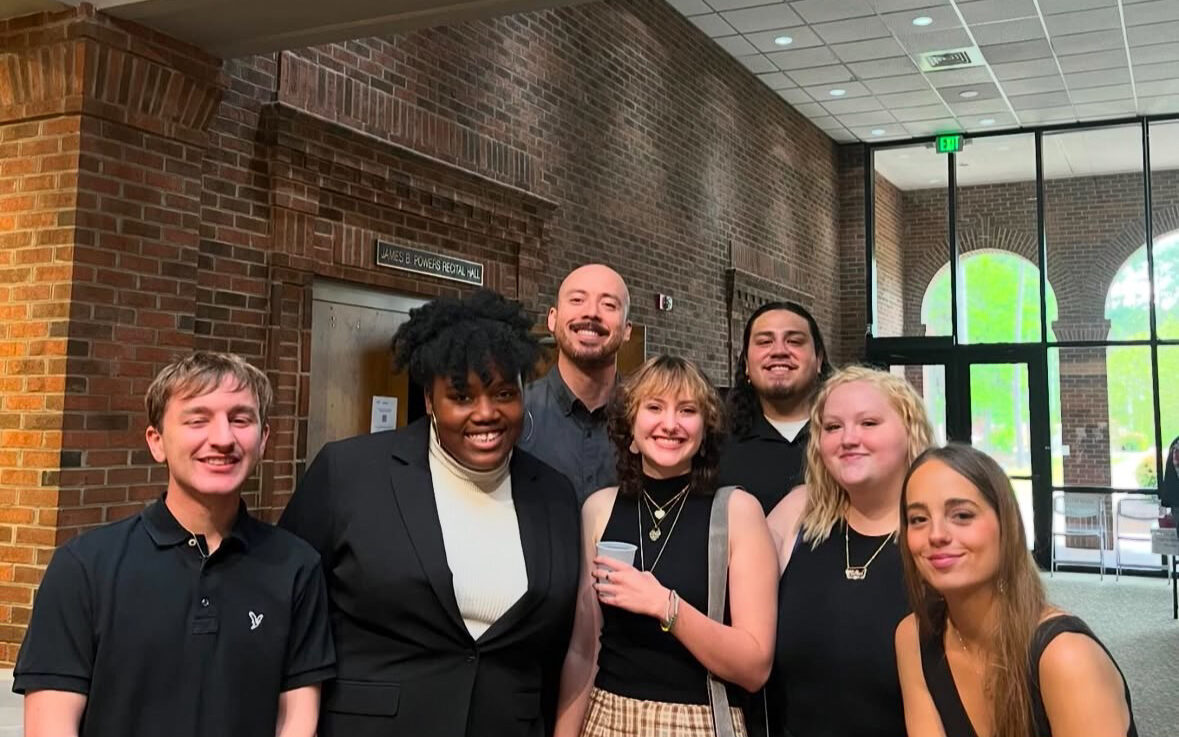
“Our new undergraduate coauthors have achieved remarkable success, and we’re excited to see what they do next,” said Dr. Joe Lane, Provost and Vice President for Academic Affairs. “Undergraduate research is a cornerstone of the Wesleyan experience, and our faculty are among the best at guiding students to produce meaningful work.”
Most recently, seven students coauthored two studies on the effects of pharmaceuticals and microplastics on Physella acuta, a freshwater snail. These studies were conducted in the BIO325 Environmental Science Lab:
- Effects of Ibuprofen and Microplastics on Movement, Growth, and Reproduction in Physella acuta – Published in Frontiers. Authors: Elías, D., Ramirez Vieytez, J., Funoy Sayar, M., Loaisiga, J., Harper, A., and Doll, J.
- Impact of Acetaminophen and Microplastic Exposure on Physa acuta – To be published in Biologia. Authors: Elias, D., Lynch, C., Minchew, K., Van Norden, C., and Doll, J.
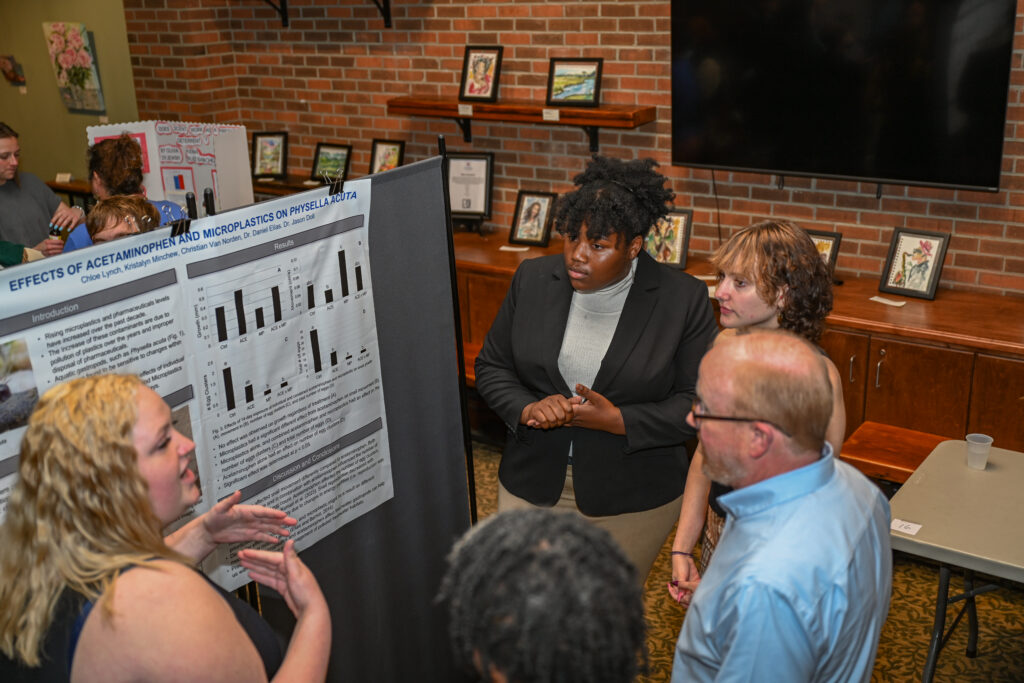
“Watching students grow into published researchers is incredibly rewarding,” said Dr. Daniel Elias, Associate Professor and Program Coordinator of Environmental Science. “Every group since 2022 has contributed valuable insights to the field.”
For the students, this experience is more than just an academic achievement—it’s an opportunity to make a lasting impact.
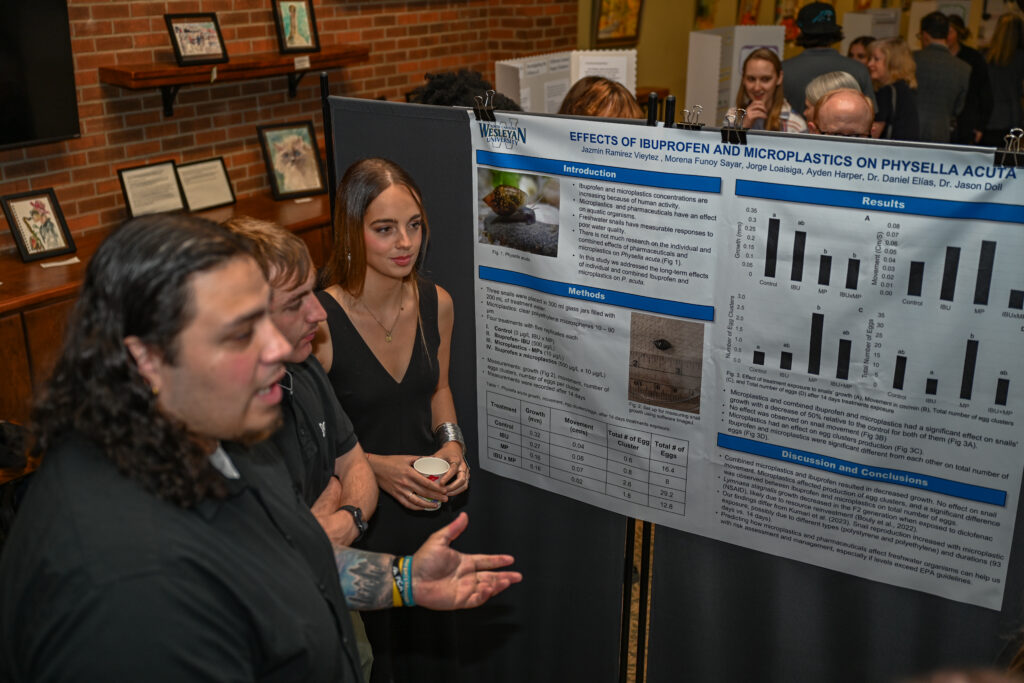
“This paper being published means a lot for my future career and my passion for understanding possible human risks from environmental contaminants,” said Morena Funoy Sayar, a 2025 graduate. “I hope this article inspires other scientists to continue researching the effects of microplastics and pharmaceuticals on both the environment and human health.”
Chloe Lynch, a 2026 graduate, echoed this sentiment: “The most rewarding part of this project was having the opportunity to grow as a researcher and contribute to science. Getting my work published was validation of all the time and effort we put into it. It’s exciting to know our research could spark further discussions and future studies.”
These publications reflect NCWU’s unwavering commitment to fostering scientific discovery and empowering students to achieve meaningful success in research and beyond.
