



Elevate Your Career with our Applied Reproductive Biology Certificate
Industry‑Aligned Training for the Future of Reproductive Science
Designed to meet the growing workforce demand in Assisted Reproductive Technology (ART) laboratories across the United States, this Applied Reproductive Biology Certificate program combines academic rigor with intensive, hands‑on training.
Students are invited to enroll in the Applied Reproductive Biology Certificate, offered jointly through a unique collaboration between NC Wesleyan University and ARTLAB IVF Training and Research Center. This intensive, four‑course, 10‑week program is designed to prepare students for immediate entry into reproductive laboratory careers.
Program at a Glance:
- Duration: 10 weeks
- Format: Lecture + hands‑on lab
- Exams: Weekly competency + ABOR certification
- Pass Requirement: 80%
- Job Placement: 95% within 60 days

The curriculum covers all core procedures in both the andrology and embryology laboratory and includes:
- Daily hands‑on laboratory training sessions
- Comprehensive instruction in basic and advanced reproductive techniques
- Faculty‑led lectures grounded in current clinical and laboratory practice
Through this partnership, students benefit from the expertise of ARTLAB, currently the world’s largest IVF training center, which brings extensive real‑world industry experience and reproductive laboratory excellence directly into the curriculum.
As one of the few academically affiliated programs in embryology, this collaboration unites university‑level instruction with training led by globally recognized leaders in reproductive laboratory science. The program emphasizes consistency, quality, and professional standards in a field that has historically lacked regulation.
As fertility rates decline worldwide and demand for assisted reproductive technologies continues to rise, the need for highly skilled embryologists has never been more urgent. Together, ARTLAB and North Carolina Wesleyan University are helping to meet this demand—setting a new standard for education, training, and excellence in ART laboratories.
Enroll Today!
Why Choose a Certificate in Applied Reproductive Biology?
A Certificate in Applied Reproductive Biology offers focused, practical training for students interested in careers related to reproductive science, fertility, animal science, biotechnology, and laboratory research. Designed with workforce readiness in mind, this certificate helps students build real‑world skills in a high‑demand scientific field—without the time commitment of a full degree program.
Science with Real‑World Impact
Reproductive biology plays a critical role in healthcare, agriculture, conservation, and research. This certificate allows students to contribute to meaningful work that improves health outcomes, supports food systems, and advances scientific discovery.
Hands‑On, Career‑Focused Training
The certificate emphasizes applied skills such as laboratory techniques, reproductive physiology, sample handling, and data collection—preparing students for immediate entry into technical and support roles.
Multiple Career Pathways
Graduates are prepared for opportunities in:
- Fertility and reproductive health clinics
- Animal reproduction and breeding operations
- Agricultural and veterinary support services
- Research laboratories and biotechnology companies
The certificate is flexible and relevant across both human and animal reproductive sciences.
Short‑Term Credential with Long‑Term Value
This certificate can be completed faster than a traditional degree, making it ideal for:
- Career changers
- Working professionals
- Students seeking to quickly enter the workforce
- Individuals exploring advanced education options
Skills Employers Look For
Students gain practical, in‑demand skills including:
- Laboratory safety and sterile technique
- Reproductive cycles and hormone regulation
- Biological sample collection and processing
- Accurate record‑keeping and compliance practices
Program Format & Learning Experience
Our program is designed to deliver a progressive, immersive training experience that builds both foundational knowledge and real‑world laboratory skills.
- Weeks 1–2: Lecture‑focused instruction covering core concepts in reproductive biology
- Weeks 3–10: Primarily hands‑on laboratory training in andrology and embryology techniques
- Guest Lecturers: Learn from industry experts and professionals in assisted reproductive technology
Assessment & Progress
- Weekly exams and hands‑on competency assessments (held on Fridays)
- Students must achieve a minimum 80% passing score
- Additional support is available during scheduled flex time
Attendance Policy
Daily attendance is required to ensure skill mastery. Any missed time must be made up. Attendance Requirement: 90%.
Certification & Board Exam Preparation
At the conclusion of the program, students are prepared to take certification exams administered by the American Board of Registry (ABOR).
Exams are completed on campus and include:
- Andrology Laboratory Science (ALS)
- Embryology Laboratory Scientist (ELS)
This preparation ensures graduates are ready to meet professional standards in ART laboratories.
Supplies & Requirements
- All laboratory materials and supplies are provided by the program
- Students are required to purchase scrubs, which must be worn during lab sessions


From Scientific Knowledge to Laboratory Practice
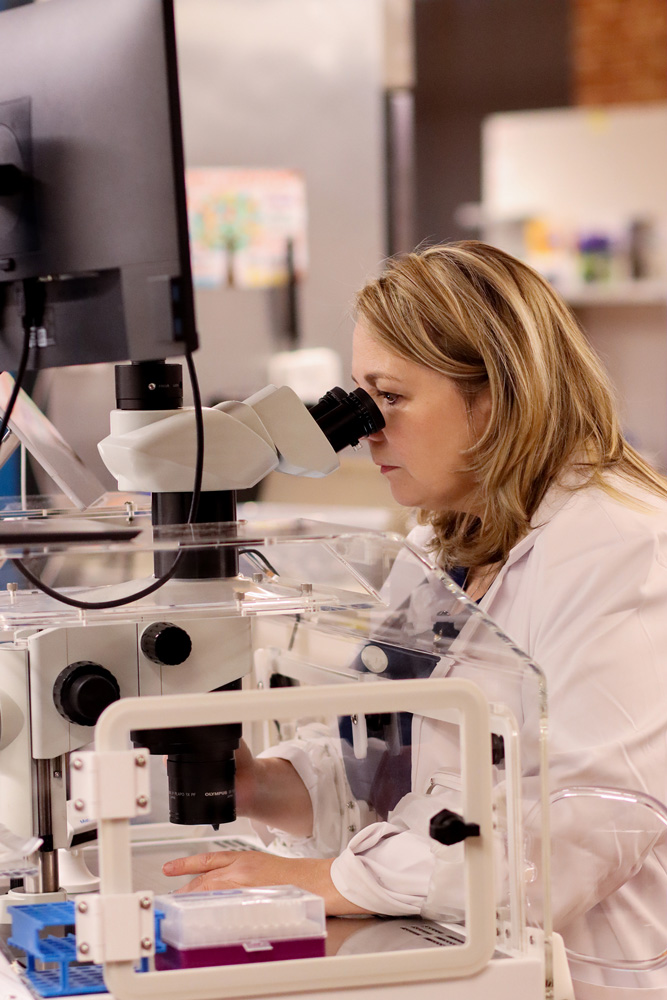
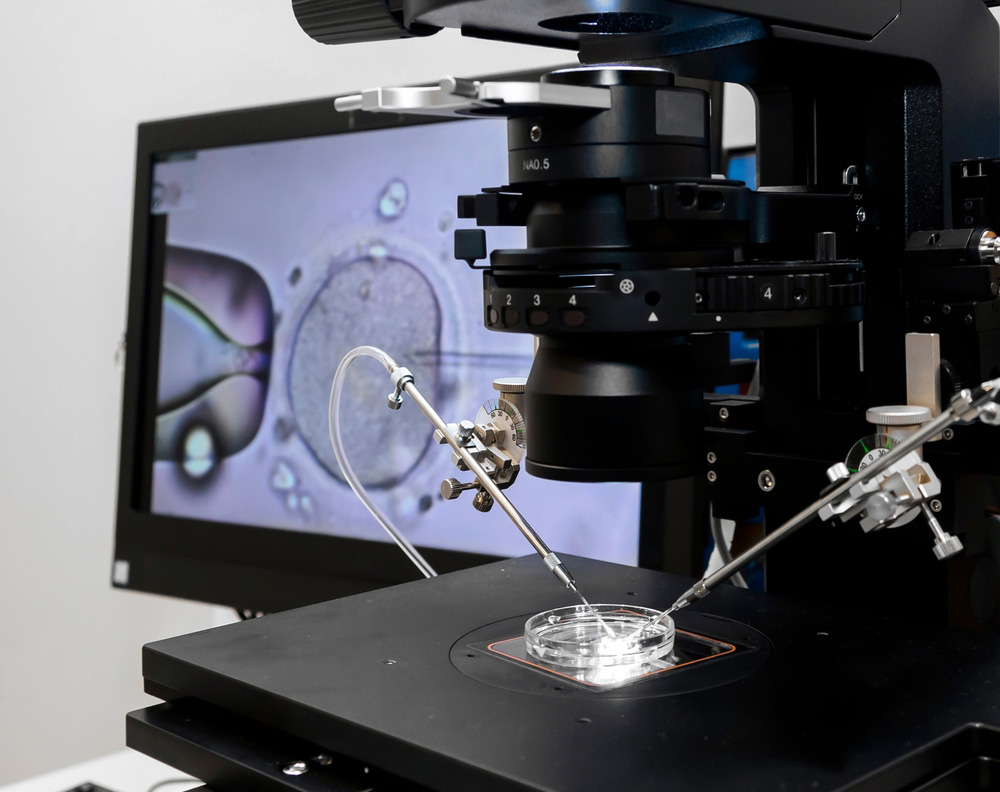
Working in reproductive science requires more than understanding biological concepts. Laboratory professionals must be able to apply that knowledge while following precise procedures, documenting their work and maintaining consistent quality standards. The Applied Reproductive Biology Certificate gives students repeated opportunities to connect scientific principles with the day-to-day practices used in andrology and embryology laboratories.
As students move from lecture-based instruction into hands-on laboratory training, they work with techniques related to semen analysis, embryo culture, cryopreservation, vitrification, quality control and other areas of assisted reproductive technology. This progression helps students understand not only how laboratory procedures are performed, but also why accuracy, consistency and careful documentation matter in a clinical environment.
For students coming from biology, laboratory science or related academic backgrounds, the program provides a setting where previous scientific coursework can be applied to specialized reproductive laboratory work.
About the Program
Graduates will demonstrate competency in IVF lab techniques, Andrology Techniques cryopreservation and Vitrification Skills. They will understand IVF Laboratory Quality Control and Quality Assurance as well as regulatory compliance, preparing them for clinical ART laboratory roles. Upon Completion, students will receive a Certificate of Completion for the course and 16 post-graduate Credit hours.
Key Training Areas
Oocyte Retrievals, Stripping, Culture, oocyte/embryo grading, Transfers, ICSI, Embryo Biopsy, Semen Analysis, Semen Cryopreservation, Morphology, Viability, Semen Processing, Oocyte/Embryo cryopreservation, Vitrification/Warming, lab safety, QA/QC, regulatory compliance, Clinical Bioethics, and patient interactions.
Structure
Duration: 10 Weeks | Format: Lectures, Hands-on Labs, Independent Practice, Journal Clubs
- 17% (Career Growth)
- $80K Median Salary
- 16 credit hours
- 1 semester (10-weeks)
Career Fields for an Applied Reproductive Biology Certificate
An Applied Reproductive Biology Certificate prepares graduates for hands‑on roles in reproductive science, fertility, animal breeding, agriculture, and laboratory research. Career options vary depending on whether the program focuses on human health, animal science, agriculture, or laboratory techniques.
Below are common career fields and job paths associated with this certificate.
Human Reproductive & Clinical Careers
Fertility & Assisted Reproductive Technology (ART)
Support roles in fertility clinics and reproductive medicine:
- IVF clinic technician
- Andrology technician (sperm analysis)
- Embryology lab assistant
- Reproductive endocrinology clinic assistant
Additional training or degrees may be required for advancement.
Reproductive & Women’s Health Support
Entry‑level or assistant roles in healthcare and research:
- Clinical research assistant (reproductive health)
- Family planning clinic technician
- Reproductive health program aide
Animal & Agricultural Careers
Animal Reproduction & Breeding
Hands‑on roles working with livestock or animals:
- Artificial insemination (AI) technician
- Animal breeding technician
- Embryo transfer technician
- Livestock reproduction specialist
Common employers include farms, ranches, breeding operations, and agricultural research facilities.
Veterinary & Animal Health Support
Support positions in veterinary and animal care settings:
- Veterinary assistant (licensure may be required)
- Reproductive veterinary technician
- Laboratory animal technician
Laboratory & Research Careers
Biological & Reproductive Science Technician
Lab‑based roles supporting research and testing:
- Research laboratory technician
- Laboratory assistant
- Cryopreservation technician (sperm, eggs, embryos)
- Sample processing technician
Work settings include universities, hospitals, biotech companies, and government labs.
Biotechnology & Biomedical Support
Careers in applied lab science and manufacturing:
- Biomanufacturing technician
- Quality control (QC) lab technician
- Cell culture or tissue handling technician
Education, Outreach & Industry Roles
Agricultural Extension & Technical Sales
Science‑focused roles with communication or training components:
- Reproductive technology sales representative
- Technical support specialist (biotech or agriculture)
- Breeding or farm operations coordinator
Education & Training Support
Entry-level education and outreach roles:
- Laboratory teaching assistant
- Animal science program assistant
- Science outreach or extension aide
Common Career Pathways & Next Steps
Many certificate holders use this credential as a stepping stone, pursuing:
- Bachelor’s degrees in Biology, Animal Science, or Biotechnology
- Veterinary or Veterinary Technician programs
- Graduate study in Reproductive Biology or Embryology
- Professional certifications (AI technician, lab safety, vet tech)
Requirements for Admission:
- Complete our FREE application
- Resume
- Statement of Purpose
- Official Transcript
- Photo ID – A valid color photo ID (state, federal or passport) WILL BE required after completion of formal admissions application
Prerequisites
Students must have a minimum of a BS/BA in a biological, chemical, clinical, genetic, medical laboratory science, or medical technology from an accredited institution or the equivalent.
Please Contact the Program Director: Eva Schenkman, MS, PhD, CC/ALD/ELD/HCLD (ABB) at: eva@artlabivf.com for more information.
Program Eligibility & Admissions Overview
We offer the Certificate in Applied Reproductive Biology as an advanced undergraduate program designed for students nearing completion of their academic training, as well as for qualified post‑baccalaureate applicants.
Undergraduate Students
If you are a Biology major at North Carolina Wesleyan University, you may complete this certificate as part of your undergraduate degree. To be eligible, you must have completed at least 90 credit hours, and most NCWU students enroll in the certificate during their final semester.
Post‑Baccalaureate Students
We also welcome post‑baccalaureate applicants who have earned a B.S. degree in a laboratory science and have completed coursework that aligns with CLIA guidelines. In general, applicants should hold:
- A bachelor’s degree in a laboratory science field
- Appropriate undergraduate coursework consistent with CLIA recommendations
- The specialized laboratory training provided by this certificate
Individual courses may satisfy these requirements, but applicants must demonstrate adequate preparation for intensive laboratory study.
Admission Priority & Review Process
NCWU Biology majors with senior standing (90+ credits) and recent NCWU graduates with a minimum 3.0 GPA receive preferential admission. These applicants are typically admitted upon application, provided they meet the program’s published priority deadlines.
If the priority deadline is missed, applicants may still be considered as space allows. If a cohort is full, qualified applicants may be deferred to a future term.
Applicants from other institutions who hold a B.S. in a laboratory science must apply by the priority deadline. Admission decisions are based on credential review and space availability for the upcoming term.
Application Evaluation Criteria
For applicants who meet the priority deadline, we may consider the following during the review process:
- Completion of prerequisite coursework, including a B.S. in a laboratory science and recommended CLIA‑aligned coursework
- Overall academic performance, with a general expectation of a 3.0 GPA or higher
- Review of résumé, work experience, and internships to assess readiness for an intensive program
- Quality and alignment of the personal statement
- Completion of an interview (typically conducted remotely via video conference), if requested by the program coordinator or admissions committee
Applicants who meet all prerequisites but are not admitted due to capacity constraints may be deferred to a later term.
Additional Requirements & Notifications
Applicants who do not meet GPA expectations or who lack key coursework aligned with CLIA guidelines may be asked to:
- Submit supplemental materials demonstrating preparation, or
- Complete additional prerequisite coursework prior to enrollment
Applicants can expect to receive one of the following shortly after the priority deadline:
- An offer of admission
- Waitlist notification
- A request for additional information or prerequisites
- A denial of admission
We may review applications using unofficial transcripts, but all admitted students must submit official undergraduate transcripts no later than the first day of the term to confirm enrollment.
Important Policies
Any misrepresentation of academic records may result in rescission of admission. All tuition and fees for the Applied Reproductive Biology Certificate must be paid before the first day of class OR a confirmed payment plan/loans established at least 2-weeks before classes start.
Currently there are two cohorts scheduled per year. Students are encouraged to apply as soon as possible. Applications are accepted four weeks before each session starts.
NOTE:
- If cohort does not fill up and/or you have missed the priority deadline, applicants may still be considered as space allows (applications will be accepted after the 4-week deadline).
- If a cohort is full, qualified applicants may be deferred to a future term.
SCHEDULED COURSE DATES
2027 Spring Cohort:
January 18 – March 26, 2027
2027 Summer Cohort:
May 24 – July 30, 2027
Students must have a minimum of a BS/BA in a biological, chemical, clinical, genetic, medical laboratory science, or medical technology from an accredited institution or the equivalent. More details to come.
This Intensive 4 Course 10-week training program covers all procedures in the andrology and embryology laboratory. This intensive course includes daily hands-on training sessions as well as basic/advanced lecture materials.
Courses Highlights:
- BIO 450 Reproductive Embryology & IVF Lab Techniques (4 credits)
- BIO 451: Clinical Andrology & Male Reproduction Technology (4 credits)
- BIO 452: Cryobiology & Preservation of Gametes and Embryos (4 credits)
- BIO 453: IVF Laboratory Quality, Regulation and Ethics (4 credits)
Career Outcomes & Job Placement
We are committed to helping students successfully transition into the workforce.
Career Support
- Personalized résumé development assistance
- Direct connections to employers in your preferred geographic area
- Ongoing guidance from faculty and industry professionals
Placement Success
- 95% job placement rate within 60 days of program completion
- Over 200 graduates trained through ARTLAB programs in the past five years
- Laboratory directors actively recruit graduates, frequently contacting ARTLAB to fill open positions
Note: Availability of positions may vary by location. Students may need geographic flexibility depending on regional demand.
Request More Information
*Stand-alone, credit-based courses that lead to a certificate that improves competency in areas specific to a student’s career choice. Students can use financial aid for these certificate programs, and these certificate credits can be applied to formal degree programs at the undergraduate and graduate level. Learning outcomes may qualify students to apply/test for specific certifications not administered by NC Wesleyan University.
