


North Carolina Wesleyan University (NCWU) is proud to announce that its Teacher Education program has once again achieved a 100% pass rate on the edTPA portfolio assessment, a nationally scored and required evaluation used by accredited teacher preparation programs across the country.
A total of 13 NCWU students have successfully submitted and passed the edTPA since the North Carolina Department of Public Instruction required that the item be used as the singular portfolio option for accredited Teacher Education programs beginning Fall 2025. Most recently, three additional students received passing scores, including one traditional student and two Adult and Professional Study (APS) students.
Quotes from NCWU Faculty & Staff
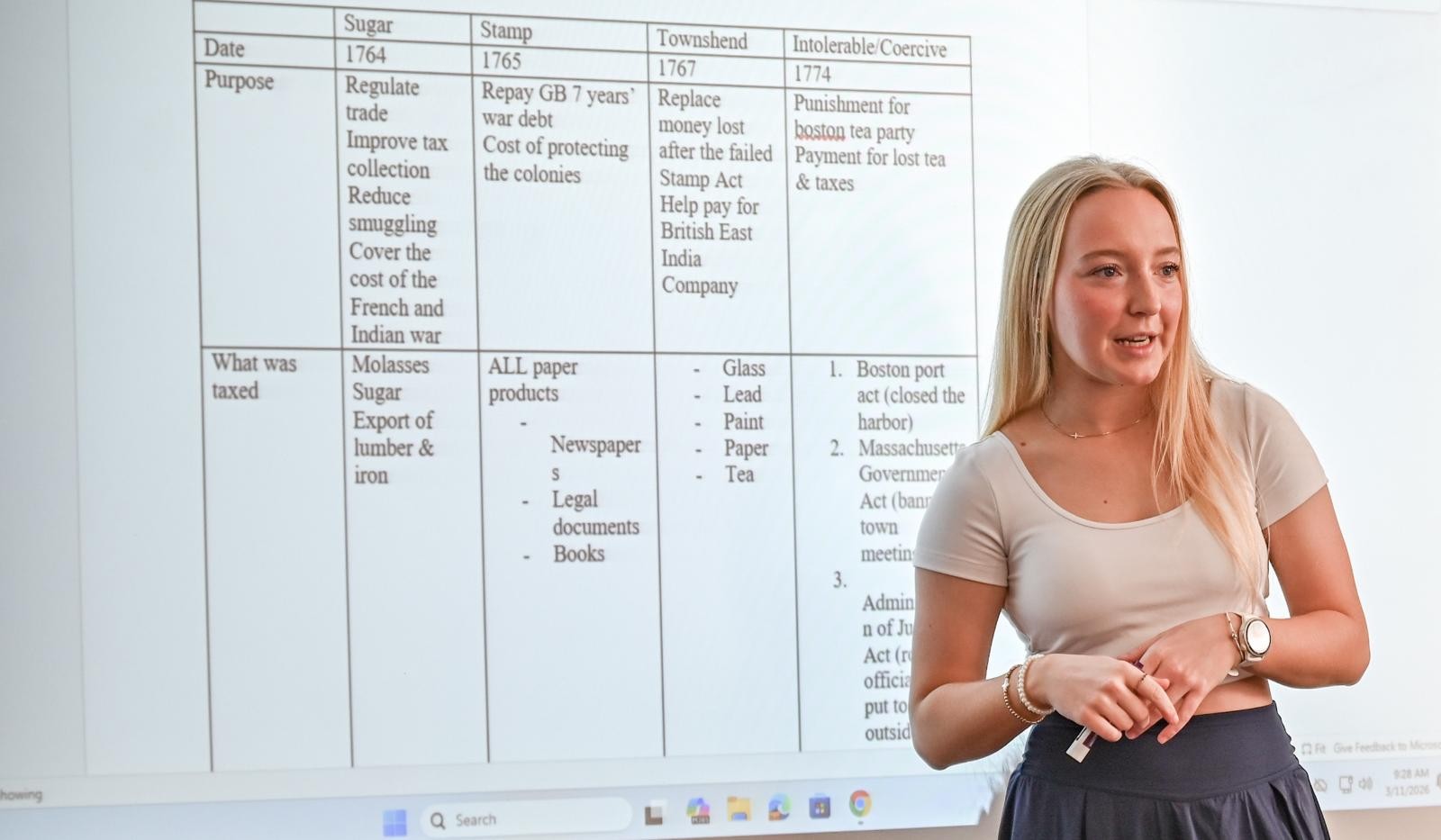
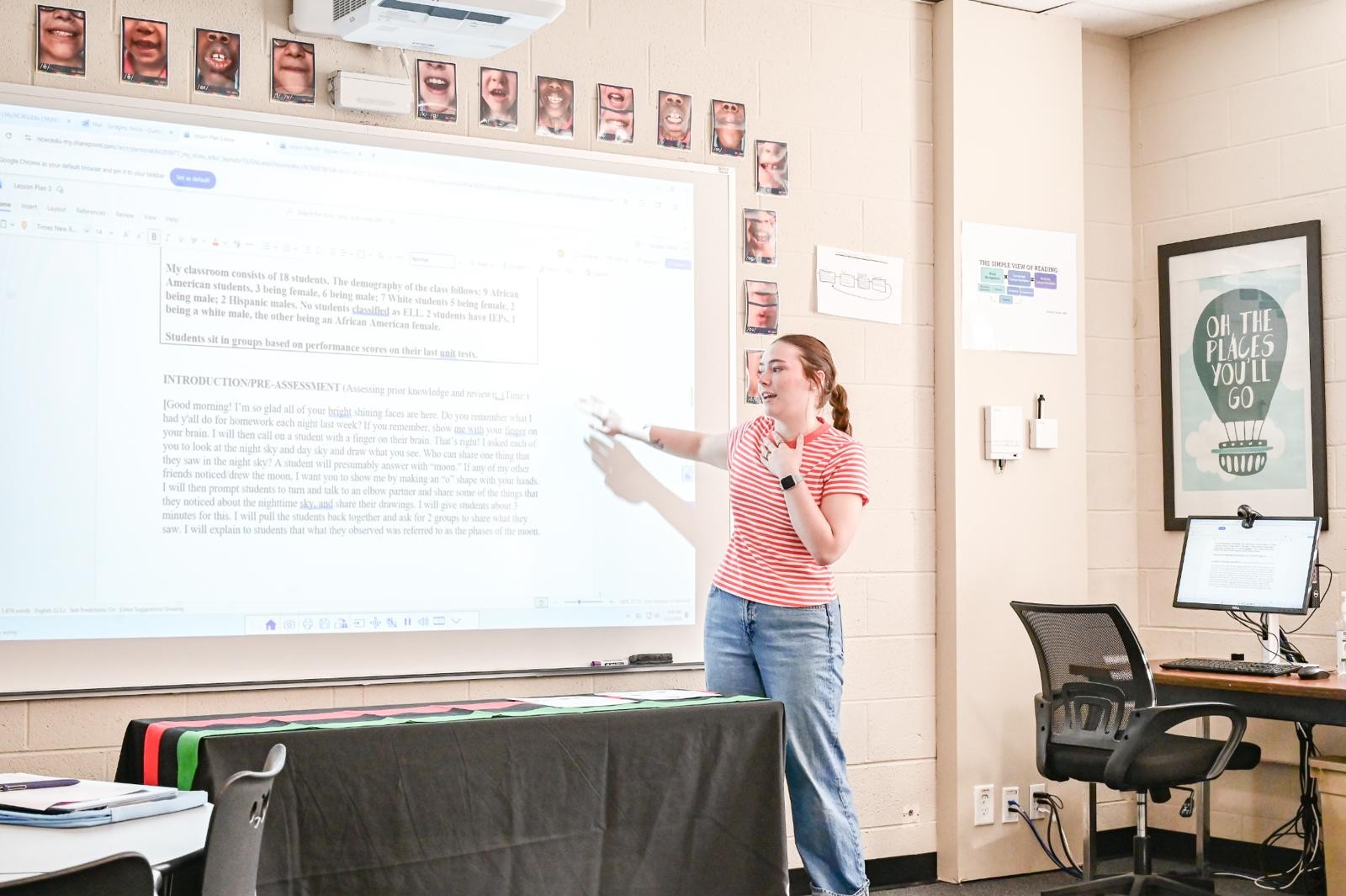
“This is a tremendous accomplishment for our students and our faculty,” said Kelvin L. Spragley, Ph.D., Associate Professor of Education and Director of Teacher Education. “The edTPA is a rigorous assessment that requires significant preparation, support, and dedication. To maintain a 100% pass rate reflects the strength of our program and the commitment of our instructors to student success.”
Spragley also recognized the work of the program’s faculty, specifically highlighting Dr. Hart and Dr. Collins for their leadership and support of students throughout the semester in EDU 415.
“The guidance and encouragement provided in EDU 415 played an essential role in helping our teacher candidates complete this important milestone as they finalize their North Carolina teaching licenses,” Spragley said. “And it’s important to note teachers are licensed, not certified.”
Dr. Joseph H. Lane, Jr., Provost and Senior Vice President for Academic Affairs, praised the Teacher Education program for its continued success and commitment to preparing highly qualified educators.
“Maintaining a 100% pass rate on a nationally scored assessment like the edTPA is a remarkable achievement,” Lane said. “It reflects the academic excellence of our Teacher Education program and the dedication of our faculty to ensuring that NC Wesleyan graduates are fully prepared to serve and lead in today’s classrooms. We are incredibly proud of our students and the faculty members who support them.”
The Student Experience
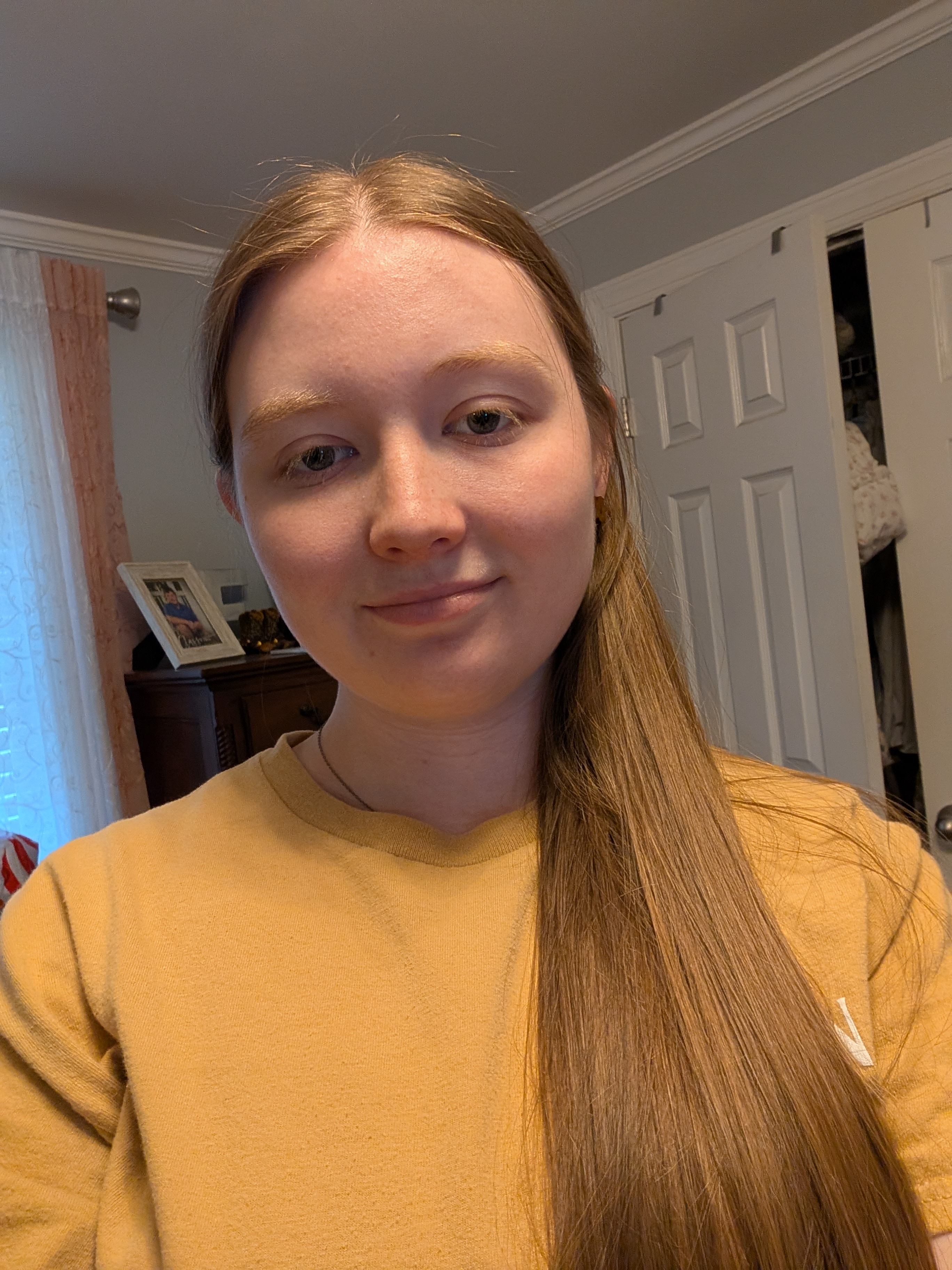
One of the students who recently passed the edTPA is Emily Mason, an Elementary Education major in the Fall 2026 graduating class. Mason said the process strengthened her ability to create meaningful lessons that support every learner.
“The edTPA experience taught me about the importance of planning your lessons and using knowledge of students to create the best possible lessons so that every student can learn,” Mason said. “It taught me to look at my students and figure out how to plan my lessons to fit and meet all my students’ needs.”
Mason added that completing the portfolio is an exciting step toward her future career in education.
“Completing this licensure requirement makes me feel excited for what’s to come in my student teaching and beyond,” she said. “It also allows me to breathe a bit easier. I feel a lot more relaxed and prepared for what is to come.”
As she looks ahead, Mason said her goal is to create a classroom environment where students feel supported emotionally and academically.
“I want to make sure that every student who walks in my room feels heard and understood,” she said. “I want to make sure to meet my students where they are emotionally and academically.”
Mason also offered encouragement to future teacher candidates preparing for the edTPA.
“Take your time and manage your time,” she said. “Look at your handbooks and listen to the feedback provided by your professor. Most of all—you’ve got this!”
Why it matters…
Maintaining state and regional accreditation standards, while also preparing students to succeed on licensure assessments such as edTPA, requires extensive faculty effort and resources. Spragley emphasized that achieving these results within a small liberal arts institution makes the accomplishment even more significant.
“To maintain high pass rates on licensure tests and performance portfolios as a small program within a small liberal arts university is a juggernaut of a task,” he said. “While we may not have the resources that many larger institutions possess, we continue to meet the challenge and achieve exceptional outcomes.”
NCWU’s Teacher Education program continues to prepare future educators through rigorous coursework, hands-on field experiences, and strong faculty mentorship ensuring graduates are equipped to lead and succeed in today’s classrooms.
NCWU Students Present at SETAC Conference

Six North Carolina Wesleyan University (NCWU) students recently attended the Society of Environmental Toxicology and Chemistry (SETAC) Carolinas Conference, a regional scientific meeting that brings together researchers, professionals, and students working in environmental science and ecotoxicology. NCWU students presented original research posters, gaining hands-on experience sharing scientific findings with experts in the field.
The Carolinas SETAC Conference serves as an important venue for environmental scientists to share research, receive professional feedback, and stay current on emerging environmental challenges. For students, the conference also provides valuable exposure to the professional scientific community and offers an opportunity to develop confidence in public speaking and research communication.


The students attended as part of BIO325 (Ecotoxicology), a course designed around independent student research that develops into a manuscript for publication and a professional presentation. Students prepared throughout the semester by developing research questions, designing experiments, collecting and analyzing data, and creating professional scientific posters. They also practiced presenting their findings and answering questions to prepare for conference discussions.
The students presented two posters focused on the environmental impacts of fluoxetine, a commonly prescribed antidepressant, and microplastics on freshwater snails.
Poster presentations included:
Poster 1: Ecotoxicological Effects of Fluoxetine on a Freshwater Bioindicator Snail, Physa acuta
Ben Sellers, Ayden Harper, Dr. Jason Doll, and Dr. Daniel Elías
Poster 2: Individual and Combined Effects of Fluoxetine and Microplastics on Physa acuta
Ben Sellers, Andrea Elaez Miranda, Kayla Atkins, Lauren Martin, Jadyn Smith, Christian Thompson, Dr. Jason Doll, Dr. Daniel Elías
To conduct their research, students completed controlled laboratory experiments using freshwater snails as a model organism. Methods included exposing snails to fluoxetine and microplastics, measuring biological responses such as movement, egestion, and reproduction, and analyzing data using statistical software.
Students received strong feedback and thoughtful questions from conference faculty, scientists, and professionals, which helped them strengthen their work and expand their understanding of the research process.
Dr. Daniel Elías, who helped guide the student research, said the experience of bringing students to a professional scientific conference is especially rewarding. “Students get to see how other undergraduate and graduate researchers present their work, and they also learn about emerging topics where science is currently focused,” Elías said. “It broadens their perspective and gives them an opportunity to interact with professionals in the field. At the same time, they build confidence in their presentation skills and begin expanding their professional network for future career or graduate opportunities.”
The conference experience directly aligns with the goals of BIO325, which emphasizes applied research and professional-level communication. The objective of the course is for students to complete independent research that leads to both publication-ready writing and a formal presentation of results.
NC Wesleyan supports undergraduate research opportunities through funding for supplies and conference attendance, helping ensure students can participate in meaningful, real-world academic experiences.
EasyFlyers Establishes Annual Scholarship at North Carolina Wesleyan University
North Carolina Wesleyan University (NCWU) is pleased to announce the creation of the EasyFlyers Annual Scholarship, established through the generosity of EasyFlyers, a global company recognized for its work in transportation and logistics solutions. The scholarship will be awarded each year to a Wesleyan student majoring in Supply Chain Management and Logistics.
As a leader in the movement of goods, materials, and critical shipments, EasyFlyers Logistics understands firsthand the growing demand for professionals who are well‑educated in supply chain systems, distribution strategies, and logistics technology. By supporting students in this field, the company is helping prepare future industry leaders who will drive efficiency, innovation, and reliability across global transportation networks.
“Supporting students pursuing supply chain management is a natural extension of what we do,” Nichol Ally, President of EasyFlyers USA shared. “Today’s logistics environment requires talent with strong analytical skills, practical problem‑solving abilities, and a commitment to continuous improvement. We believe Wesleyan students will help shape the future of our industry.”
At North Carolina Wesleyan University, scholarships are typically created with the long‑term goal of growing the fund through additional contributions, ensuring that students can rely on ongoing support throughout their academic journey. The EasyFlyers Annual Scholarship will follow this model. Recipients will be selected each fall in the academic year, however contributions to the scholarship fund are welcomed year‑round in order to expand the award’s impact.


Vice President of Institutional Advancement, Mark Hinson, noted, “Scholarships like this do more than reduce financial barriers – they open doors for students to enter high‑demand career fields that power our regional and national economy. We are grateful to EasyFlyers for investing in our students and their futures.”
EasyFlyers Annual Scholarship
The University looks forward to celebrating future scholarship recipients and strengthening its partnership with EasyFlyers in the years ahead. If you would like to contribute to the EasyFlyers Annual Scholarship, visit our dedicated scholarship funding website or you can also give at ncwu.edu/donate and follow link to our GiveCampus Donation website, type “EasyFlyers” in the designation field to select the scholarship fund.
ARTLAB and NC Wesleyan University Partner to Launch New Embryology and Andrology Education Programs
In recognition of National Infertility Awareness Week (NIAW), ARTLAB and North Carolina Wesleyan University (NCWU) are highlighting a major step forward in reproductive science education with the launch of a new academic credential designed to strengthen the future workforce of fertility laboratory professionals. The partners are proud to announce the first stage in their strategic collaboration: a post-baccalaureate certificate in Applied Reproductive Biology, launching in Summer 2026. The first cohort will start July 6 – Sept 11, 2026.
This 16-credit (10-week) certificate program is now accepting applications from candidates who have completed a B.S. in a laboratory science or who will complete such a degree in May 2026. To inquire or apply for the first cohort, contact Dr. Eva Schenkman at eva@artlabconsulting.com.
Designed to meet the growing workforce demands of assisted reproductive technology (ART) laboratories across the United States, the program combines academic rigor with applied training. ARTLAB, currently the largest IVF training center in the world, brings extensive reproductive laboratory expertise and real-world industry experience to the curriculum.

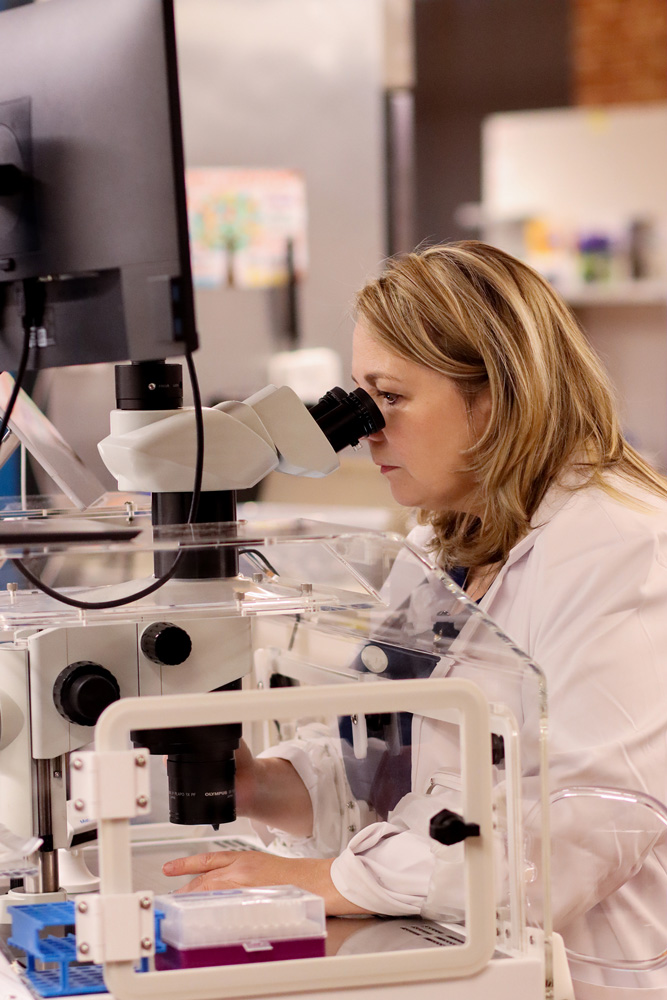

“As one of the few academically affiliated programs in embryology, this collaboration with North Carolina Wesleyan University brings together training taught by globally recognized leaders with a commitment to standardization in a historically unregulated field,” said Dr. Eva Schenkman, MS, PhD, Founder of ARTLAB. “As fertility rates decline and demand for assisted reproductive technologies increases worldwide, the need for highly skilled embryologists has become increasingly urgent. Together, ARTLAB and NC Wesleyan are setting a new standard for the field.”
“We are excited to launch our first certificate program with ARTLAB. This is one example of our commitment to deliver career-focused programs that reflect our Personal, Practical, Purpose-driven Education promise,” said Dr. Joe Lane, Provost and Senior Vice President for Academic Affairs at North Carolina Wesleyan University. “We are especially excited about the opportunities this certificate will provide to our biology students seeking new professional pathways in this highly specialized and rapidly growing field. We also look forward to welcoming new students into the Wesleyan community as they come to Rocky Mount to complete this ten-week professional program.”
NCWU President Dr. Evan D. Duff added, “This partnership with ARTLAB and Dr. Eva Schenkman represents exactly where higher education needs to go—aligning academic rigor with real-world, high-demand careers that change lives. By launching one of the few academically grounded programs in embryology and andrology, North Carolina Wesleyan is not only expanding opportunity for our students but also helping to build the future workforce of reproductive medicine professionals. We are proud to lead in a space where science, purpose, and human impact intersect in such a profound way.”
Through this partnership, ARTLAB and NCWU will continue to develop both credit-bearing and professional training courses to support professionals entering and advancing within the field.
Students pursuing the post-baccalaureate certificate may be eligible for federal financial aid, student loans, and grant opportunities. Formalizing this program under the auspices of North Carolina Wesleyan University significantly expands access to advanced education in reproductive science.
Additional details regarding admissions requirements, program structure, and enrollment timelines will be available in the coming days.
Learn More >
Transforming NCWU Classrooms with AI
North Carolina Wesleyan University (NCWU) is embracing artificial intelligence in a creative, hands-on way through its AI for Professionals Honors Class, taught by Dr. Jackie Lewis. Made up of a mix of sophomores and juniors from a wide variety of majors, the course encourages students to explore AI in ways that are both innovative and practical.
Dr. Lewis was inspired by the platform BoodleBox, a secure, FERPA-compliant, and collaborative AI tool that provides access to multiple AI models such as ChatGPT, Claude, and Gemini. She felt confident bringing it into the classroom because it allows her to set clear restrictions and boundaries for student use. Students shared that working with the platform has helped them better understand both the power and the limitations of AI, learning that while it offers endless possibilities, it also requires careful evaluation and responsible use.
With about 15 students in the class, creativity has been at the center of every project. Each student built their own AI “robot” for a specific purpose based on their personal goals, academic needs, or interests. In addition, the class worked in teams of four to design a unique class mascot. Students combined the traits they felt represented their group, entered those ideas into AI, and refined prompts until they generated images that truly captured their vision. The mascots ranged from a strong butterfly in a business suit and heels, symbolizing growth and empowerment, to a pack of fierce wolves, representing teamwork, strength, knowledge, and confidence.

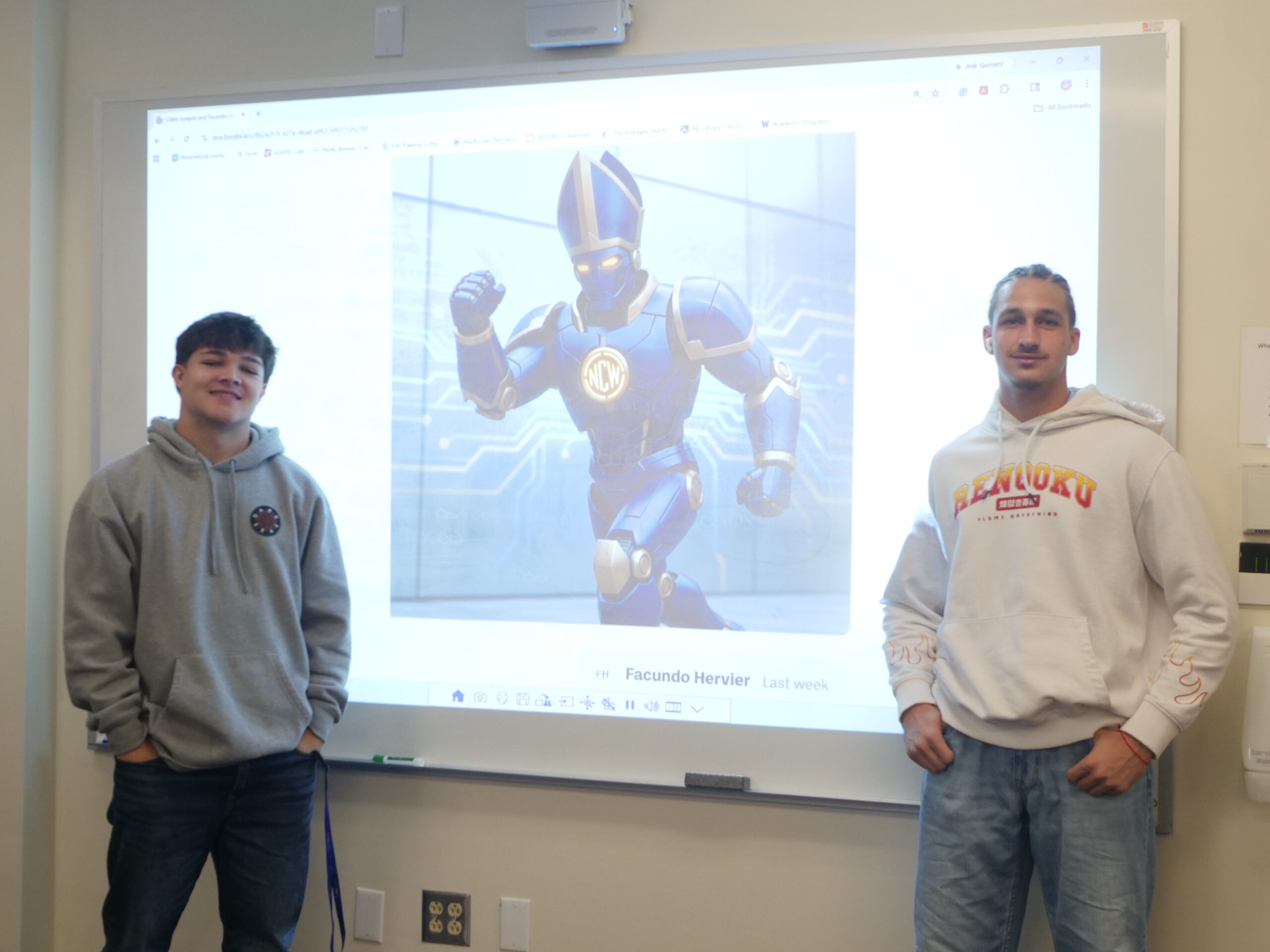

Throughout the semester, students have taken their projects even further by collaborating one-on-one with professors within their majors to make their bots more customized and effective. Their inspirations have varied widely. Some were motivated by dietary restrictions, others by fitness goals, and many connected their projects to their academic field such as IT, physics, marketing, or athletics. Others created bots based on personal hobbies like murder mystery games, hiking, climbing, or cars.
One student, Ksenia Goncharuk, works with NCWU’s Residence Life Office and designed her bot to simplify manuals and student handbook information. By uploading Residence Life documents into her bot’s knowledge base, she can ask questions such as, “What is allowed versus not allowed in the dorms?” She is also working to make it bilingual to better support Spanish-speaking students.

Val Disano created a bot called “College Sous-Chef,” which helps generate dorm-friendly recipes that fit her dairy-free diet. The bot is also trained to break down measurements and cooking terms to make recipes easier to follow.

Taking a fun and imaginative approach, Grace Walls built a bot that generates an interactive murder mystery game. The bot creates scenic locations, multiple characters to interview, and even includes red herrings to challenge the player. Once the user believes they’ve solved the case, they can prompt the bot with “I want to arrest this person,” and it will walk them through the clues and reveal whether they were correct.
Makenzie Thornton designed her bot to help her loved one who suffers from severe allergies. The bot can generate allergy-safe recipes and even pull from standard recipe PDFs to substitute ingredients that would make meals safe to eat.
To support organization and academic success, Caleb Allen created a bot that helps students manage a full course load. It can build sample syllabi, create calendars, assist with study planning, and even help students understand how their grades are weighted and how to best use their free time.
Joaquin Goldman, a soccer player, created a motivational bot inspired by coaching advice. The bot is restricted from giving medical guidance but can recommend foods, exercises, and routines to help users reach goals such as weight loss or muscle gain, all while keeping an encouraging tone.
Davis Wells, a Computer Information Systems major, built a bot designed to simplify coding language by breaking down acronyms, defining technical terms, and explaining concepts in beginner-friendly ways. Davis emphasized that the process requires constant reviewing and correcting to ensure the bot is accurately interpreting the data.
Zachariah Johnson, a Business Administration major, developed a bot to simplify the car-buying process for high school and college students. Unlike a traditional pushy salesman approach, his bot uses a welcoming and supportive tone. It asks questions about budget, seating needs, and whether the buyer wants a new or used vehicle, then generates options with explanations for why they may be a good fit.

Ivy Chelagat, a Physics student, worked closely with Dr. Allen to create a tutoring-style bot, especially helpful since the program currently has no tutors. The bot pulls strictly from uploaded course notes and is designed to guide students through problems using hints and questions before giving the final answer—helping students learn without being misled by inaccurate outside information.
Yubraj Bhandari, who named his bot “Mount Everest,” is using it to support his personal goal of climbing Mount Everest before turning 40. His bot analyzes research and advice from experienced climbers, including common mistakes and dangerous areas of the climb. His inspiration comes from his passion for hiking and climbing in his home country, Nepal.
Alex Rodriguez created a bot to assist with identifying coding errors for his Senior Seminar. His bot uses a Claude-based database and focuses on clear explanations and defining acronyms.
Arlando Neal, a marketing major, designed a bot that reads consumer reports and marketing databases to generate SWOT analyses, comparisons, charts, and written summaries, helping marketers better understand audience behavior and preferences.
Through this course, NCWU students are not only learning how to use AI, but they are also learning how to build with it, question it, refine it, and apply it responsibly. Their creativity and drive have turned the classroom into a space where innovation is thriving, and where students are preparing for the future in a truly hands-on way.
NC Wesleyan MPH Gains CEPH Applicant Status
North Carolina Wesleyan University (NCWU) is pleased to announce that its Master of Public Health (MPH) program has received approval of its initial application for accreditation from the Council on Education for Public Health (CEPH), the nationally recognized accrediting body for schools and programs of public health.
The application was reviewed and approved during CEPH’s April meeting, granting the NCWU MPH program official applicant status. This designation authorizes the program to advance to the next stage of the accreditation process, which includes completion of a comprehensive self-study aligned with CEPH accreditation criteria.
CEPH accreditation is widely recognized as a national mark of quality and serves as an assurance that public health programs meet rigorous educational and professional standards. Receiving applicant status represents an important milestone toward full accreditation and reflects the program’s progress in meeting CEPH eligibility requirements and demonstrating readiness for comprehensive evaluation.
“This is an exciting step forward for our MPH program and for North Carolina Wesleyan University,” said Dr. Shannon Crowley, Professor of Public Health and MPH Program Director. “Achieving CEPH applicant status demonstrates the strength of our program and our commitment to preparing future public health professionals with the knowledge and skills needed to make a difference in their communities.”
NCWU’s Master of Public Health program is designed to equip students with a strong foundation in public health principles, leadership, research, and applied practice. The program offers specialized concentrations in Physical Activity and Health and Social Epidemiology, distinguishing NCWU as the only institution in North Carolina to offer these MPH focus areas,Accreditationand aligns with the university’s mission to address critical health challenges through high‑quality, community‑focused graduate education.
The MPH program will now begin the formal self-study process and continue progressing through CEPH’s multi-step accreditation pathway.
For more information about NCWU’s Master of Public Health program, visit https://ncwu.edu/academics/graduate-programs/master-of-public-health/.
NCWU Recognized for Wellness by ACSM’s EIM® Program
North Carolina Wesleyan University (NCWU) is one of only 200 universities and colleges around the world to be honored by Exercise is Medicine® (EIM) for its efforts to create a culture of wellness on its campus. Faculty/Staff Personal Training, Wesleyan Wellness initiatives, the Walk with the President, the Health and Movement Science Club Pickleball Tournament, the Lunch and Learn Series for Health, and other physical activity events conducted by the NCWU Health and Movement Science Club helped NCWU earn a Silver-level designation from the Exercise is Medicine® On Campus (EIM-OC) program. Exercise is Medicine is a community-impact initiative of the American College of Sports Medicine.
“This is truly a team effort! The success of our Exercise Science program at NCWU is built on the strong and sustained support of the administration, particularly Dr. Duff; the leadership and engagement of the Health and Movement Science Club under Presidents Ava Lowry and Sam Colesano; the Lunch and Learn lecture series launched by Dr. Shannon Crowley; and the faculty and staff personal training program and Wesleyan Wellness program led by Kimla Brandt,” said Dr. Meir Magal, Program Director and Inaugural Souza Professor of Exercise Science and advisor to the Exercise is Medicine on Campus program.”
All Gold, Silver and Bronze universities and colleges will be officially recognized on May 29 at the EIM recognition ceremony at ACSM’s Annual Meeting in Salt Lake City, Utah.
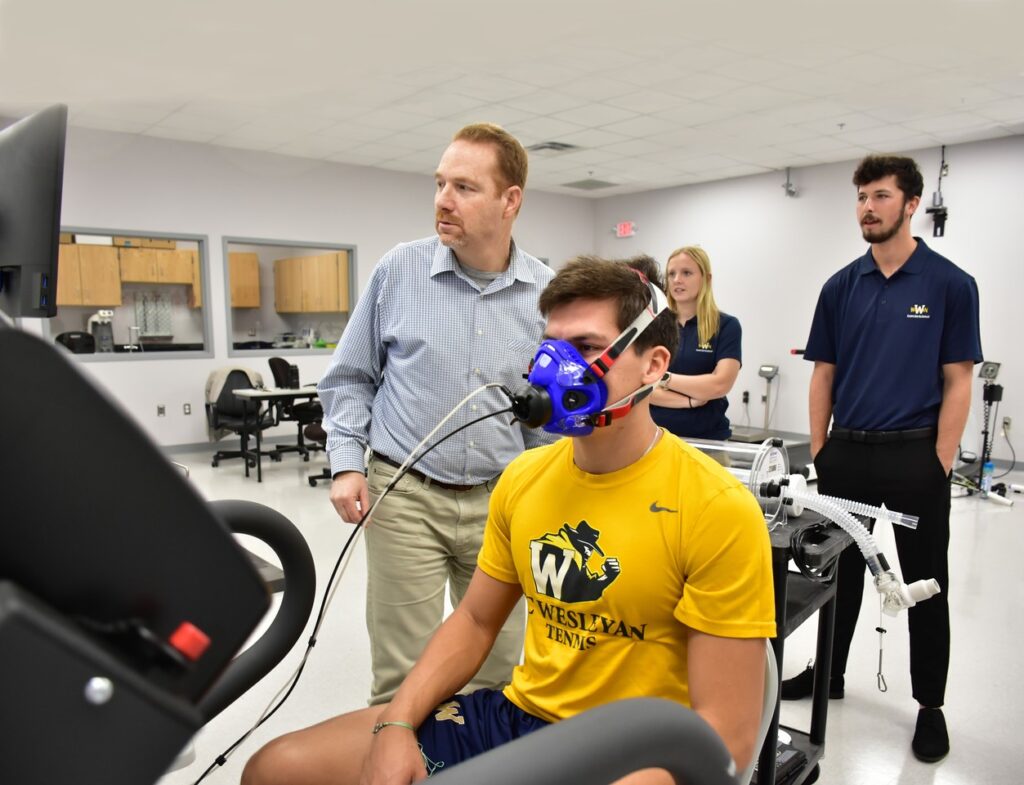
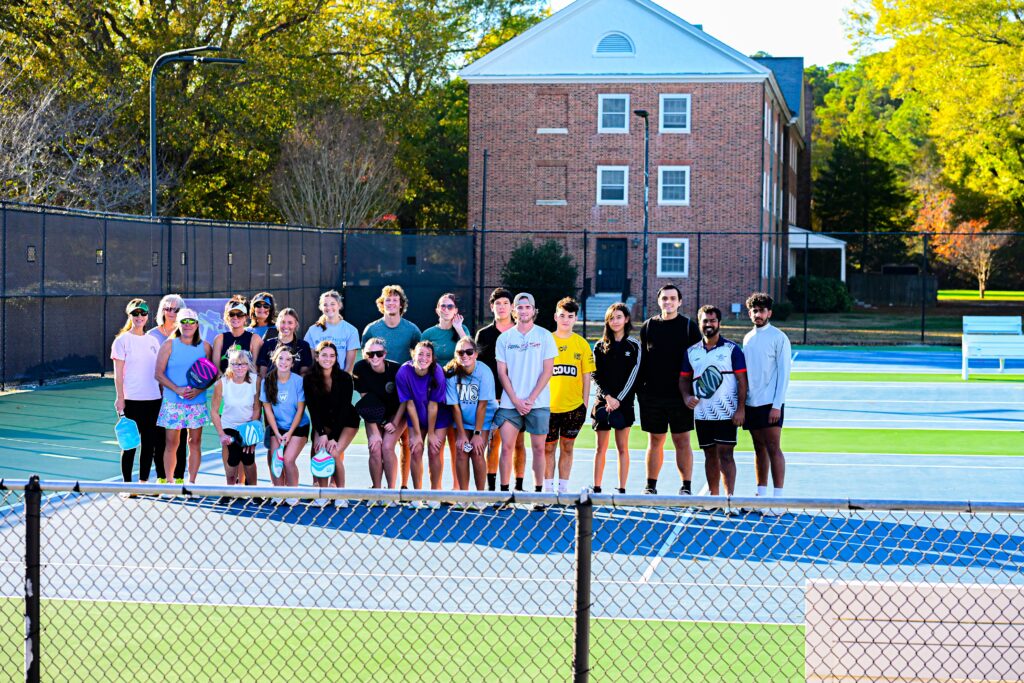
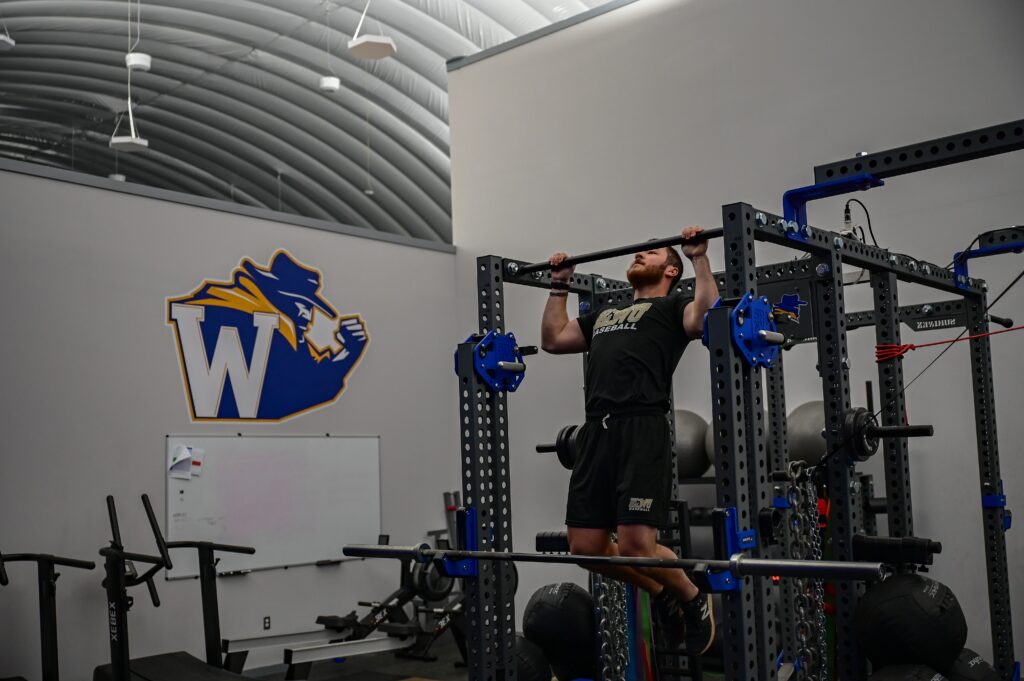
EIM-OC calls upon universities and colleges to promote physical activity as a vital sign of health and encourages faculty, staff and students to work together to improve the health and well-being of the campus community.
EIM-OC launched its recognition program in 2014 to honor campuses for their efforts to create a culture of wellness. Schools earn Gold, Silver or Bronze status based on their activities. Gold level campuses have created a referral system where campus health care providers assess student physical activity and refer students as necessary to a certified fitness professional as part of medical treatment. Silver campuses engage students, faculty and staff in education initiatives and make movement part of the daily campus culture while Bronze level campuses promote and generate awareness of the health benefits of physical activity.
This initiative demonstrates our shared commitment to the health of our university community. We believe that an active lifestyle is vital to our students’ success and overall well-being and together, students, faculty, and staff we foster a culture that prioritizes health, fitness and wellness.
About Exercise Is Medicine
The American College of Sports Medicine (ACSM) co-launched Exercise is Medicine® (EIM) in 2007 with the American Medical Association. ACSM continues to manage the global health initiative, which seeks to make physical activity assessment and promotion a standard in clinical care, connecting health care with evidence-based physical activity resources for people everywhere of all abilities. EIM is committed to the belief that physical activity promotes optimal health, is integral in the prevention and treatment of many medical conditions and should be regularly assessed and included as part of health care. Visit www.ExerciseisMedicine.org for additional information.
About the American College of Sports Medicine
The American College of Sports Medicine is the largest sports medicine and exercise science organization in the world. More than 50,000 international, national and regional members and certified professionals are dedicated to advancing and integrating scientific research to provide educational and practical applications of exercise science and sports medicine. More details at www.acsm.org.
NCWU Teacher Education Pinning Ceremony
North Carolina Wesleyan University (NCWU) hosted its annual Education Pinning Ceremony on March 30 in The Dunn Center, recognizing students as they officially entered the University’s Teacher Education Program. The ceremony marked an important milestone in each candidate’s academic journey as they received education pins and certificates symbolizing their commitment to the teaching profession.
The Pinning Ceremony serves as a meaningful rite of passage for future educators and highlights the high standards required for admission into the program. Candidates must successfully complete several requirements prior to being pinned, including passing the Praxis Core Pre-Professional Skills Test, maintaining a minimum 3.0 GPA, completing an interview with the Teacher Education Council, earning two positive recommendations, and submitting a written essay.
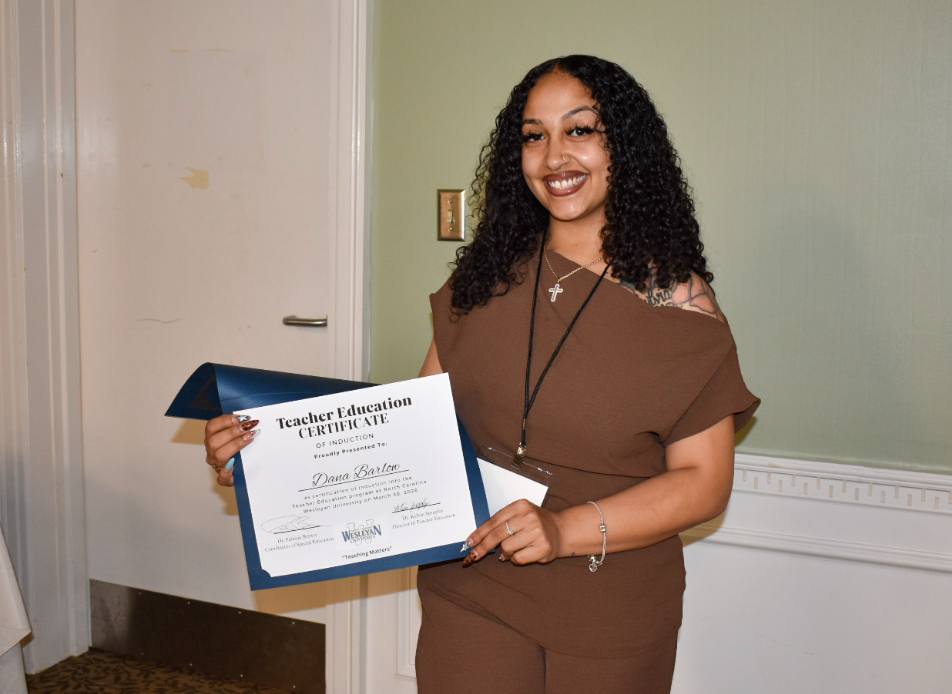
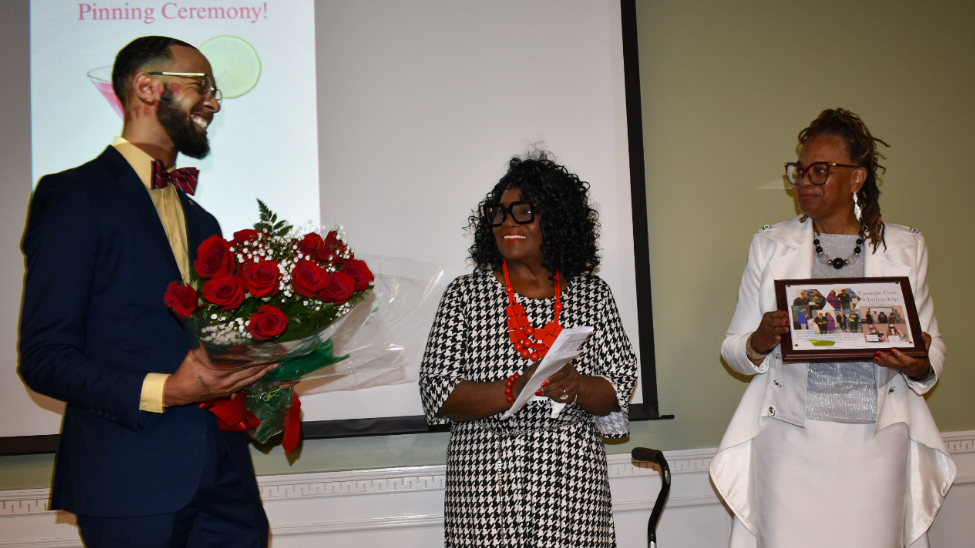
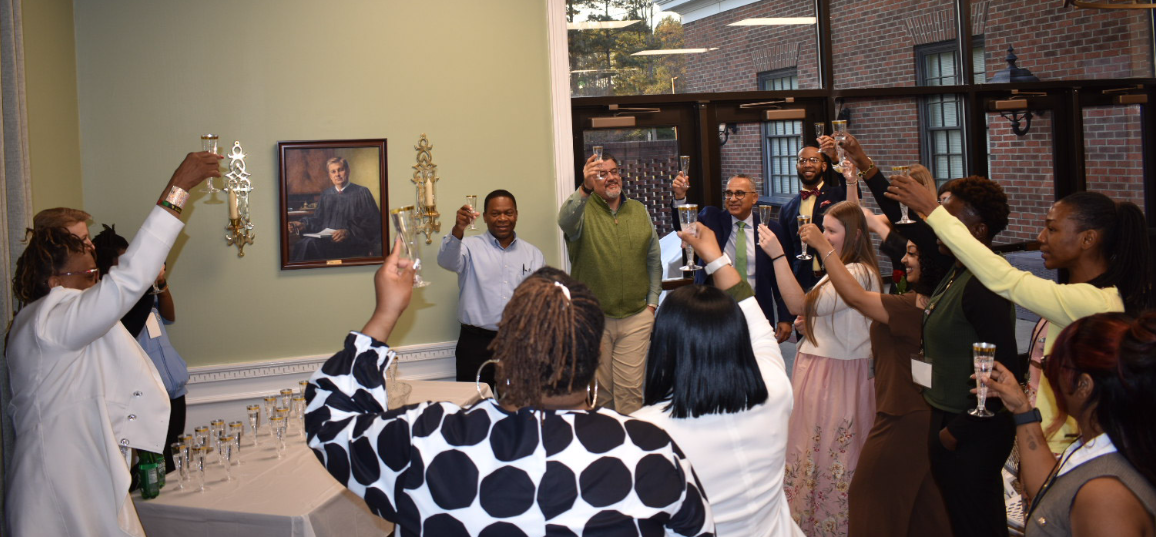
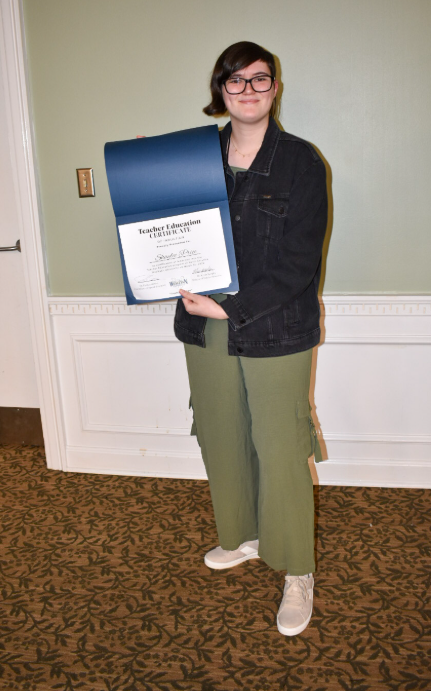
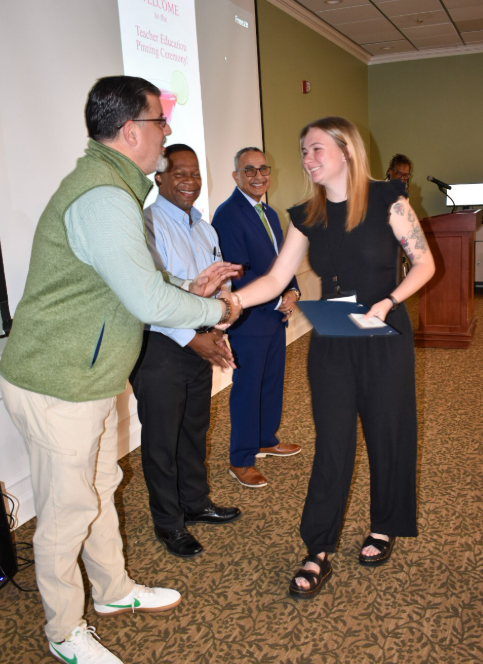
The ceremony included remarks and presentations from faculty, students, and special guests. Jordan Contreras delivered the invocation and shared brief remarks about NCWU’s award-winning Afterschool Program. Dr. Oscar Rodriguez, Dean of Traditional Enrollment, welcomed attendees, followed by an occasion address from Alexis Williams-Jackson, President of the Student North Carolina Association of Educators (SNCAE). Additional performances included “God is My Everything” presented by Willenscia Richardson-Hardy and a heartfelt poem titled Teaching Matters delivered by Ivy Chelagat.
Dr. Kelvin Spragley, Director of Teacher Education, introduced the keynote speaker, Dr. Thomas McGeachy, the 2025 Principal of the Year for Nash Early College and Nash County Schools.
The ceremony also included recognition of the Taunja Cox College Scholarship Foundation, established and sponsored by Glinda Williams in honor of her daughter, Taunja Cox. The foundation supports students majoring in special education at NCWU while also promoting extracurricular opportunities for individuals with developmental disabilities in Lenoir County. The scholarship award totals $1,500 and is presented annually to one selected student. This year’s recipient of the scholarship was Willenscia Richardson-Hardy, a double major in Elementary Education and Special Education.
The ceremony concluded with a closing prayer delivered by Alijah Battle.
The 2026 cohort of NCWU Education Candidates includes:
Ella Barfield, Dana Barlow, Brianna Clemons, Geovanni Dixon, Whitley Griffin, Emily Mason, Uniqua McDowell, Amiyah Murphy, Jermonta Powell, Shaylee Price, Bethany Tant, Krystal Taybron, Lashaniqua Vines, Felicia Wilkerson, and Alexis Jackson Williams.
These candidates represent the next generation of educators—prepared to serve with dedication, compassion, and purpose. North Carolina Wesleyan University is proud to support these future teachers as they begin a profession that shapes lives, strengthens communities, and inspires lifelong learning.
University Celebrates 2026 Honors Convocation
Rocky Mount, NC – April 2, 2026 – North Carolina Wesleyan University proudly hosted its annual Honors Convocation, celebrating the exceptional achievements of its students. The event, held at the Dunn Center for the Performing Arts, recognized students who have demonstrated outstanding leadership, academic excellence, community service, and contributions to the university.
The ceremony included the presentation of various awards from each school within the university:
- School of Math and Sciences: Awards for outstanding achievements in disciplines such as Biology, Chemistry, Environmental Science, and Mathematics.
- School of Business & Professional Studies: Recognized excellence in fields like Accounting, Marketing, Computer Information Systems, and Organizational and Sports Administration.
- School of Education and Social Sciences : Honored students who have demonstrated exceptional dedication and skill in teaching, educational leadership, History, Political Science, Psychology and Criminal Justice.
- School of Health Sciences: Recognized excellence in fields like Exercise Science, Nursing, Public Health, Sports Science and more.
- School of Humanities: Awards for outstanding achievements in disciplines such as Writing, Religious Studies, English and more.
Students were selected for these prestigious honors by a panel of faculty and staff, based on their leadership, academic achievement, community service, contributions to the university, and good citizenship. There is no doubt that these students will go on to accomplish great things.
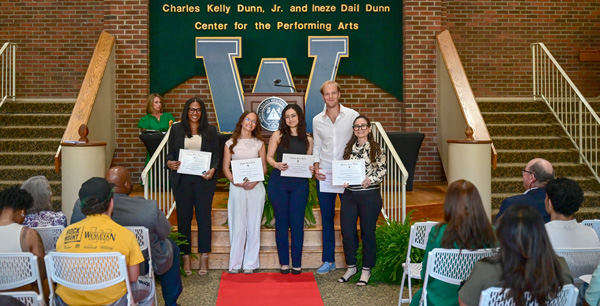
Provost Dr. Joe Lane expressed his pride in the students’ accomplishments, stating, “Our awardees and honor society members have displayed outstanding contributions both inside and outside the classroom. Their dedication and hard work are truly commendable, and we are confident that they will continue to excel in their future endeavors.”
North Carolina Wesleyan University remains committed to fostering an environment of academic excellence and leadership, and the Honors Convocation is a testament to the university’s dedication to recognizing and celebrating student achievements.
When you see these students, please take a moment to congratulate them.
To view entire 2026 honors list and photos from event, visit ncwu.edu/academics/academic-honors
NCWU Hosts 2026 Omnium Conference
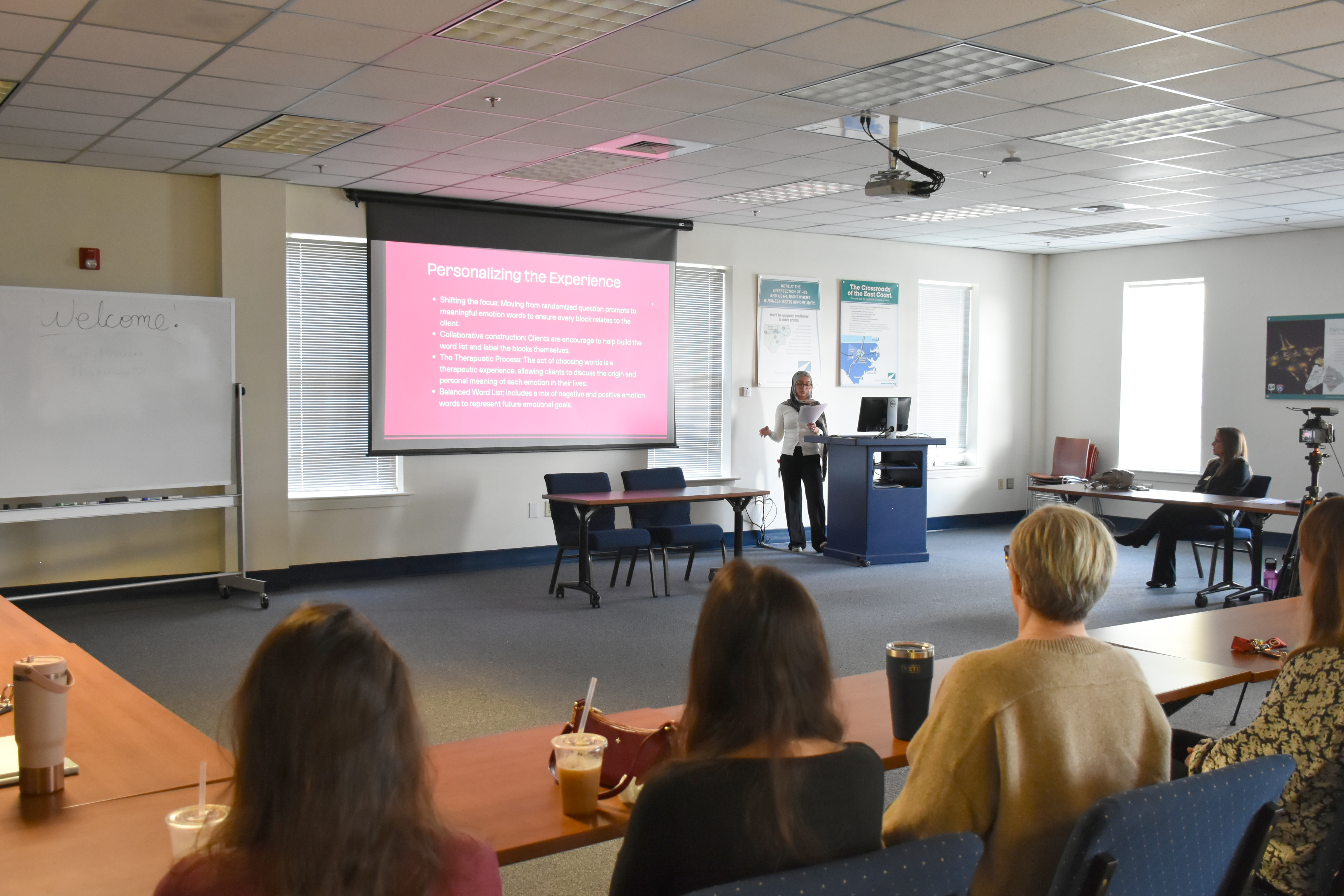
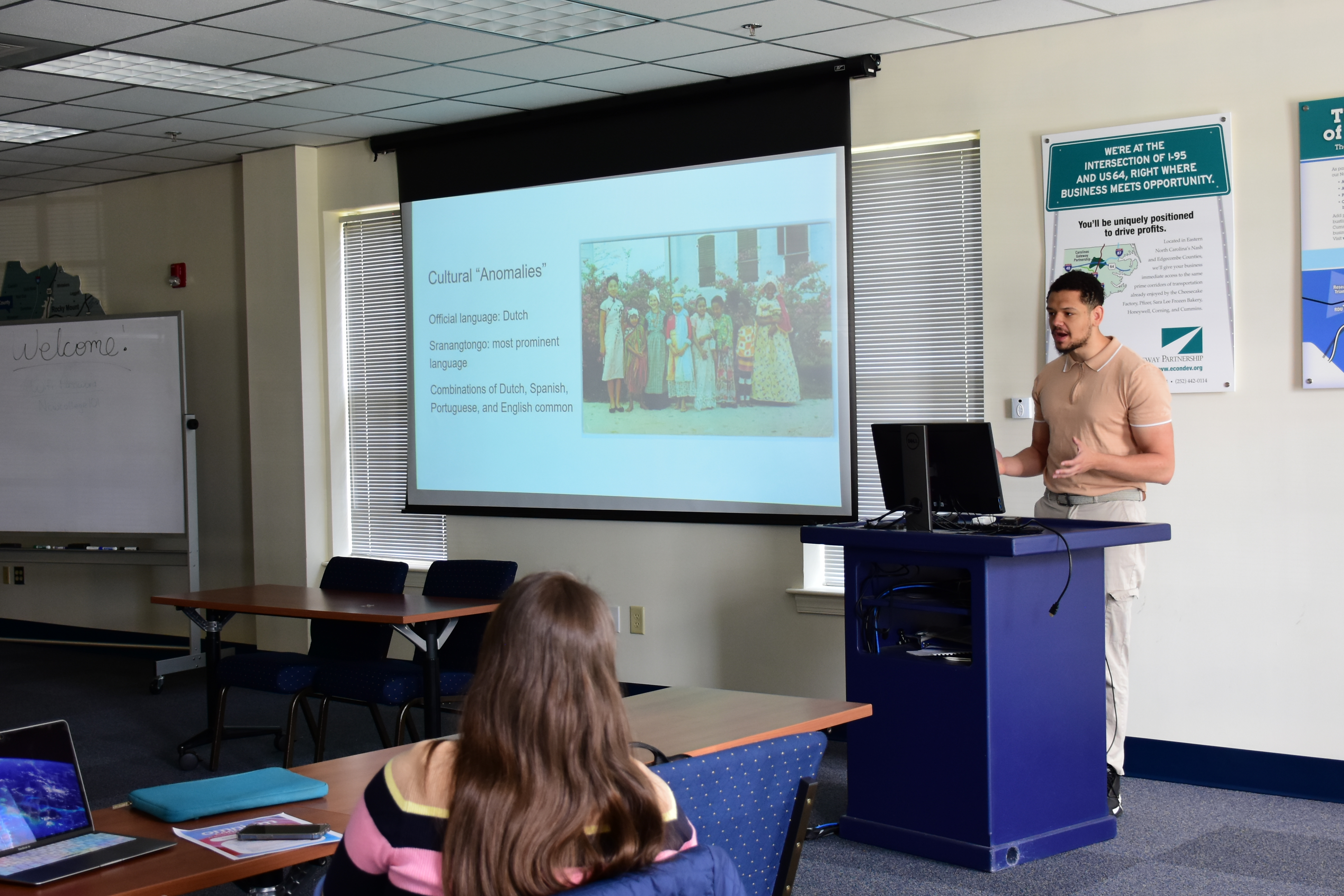
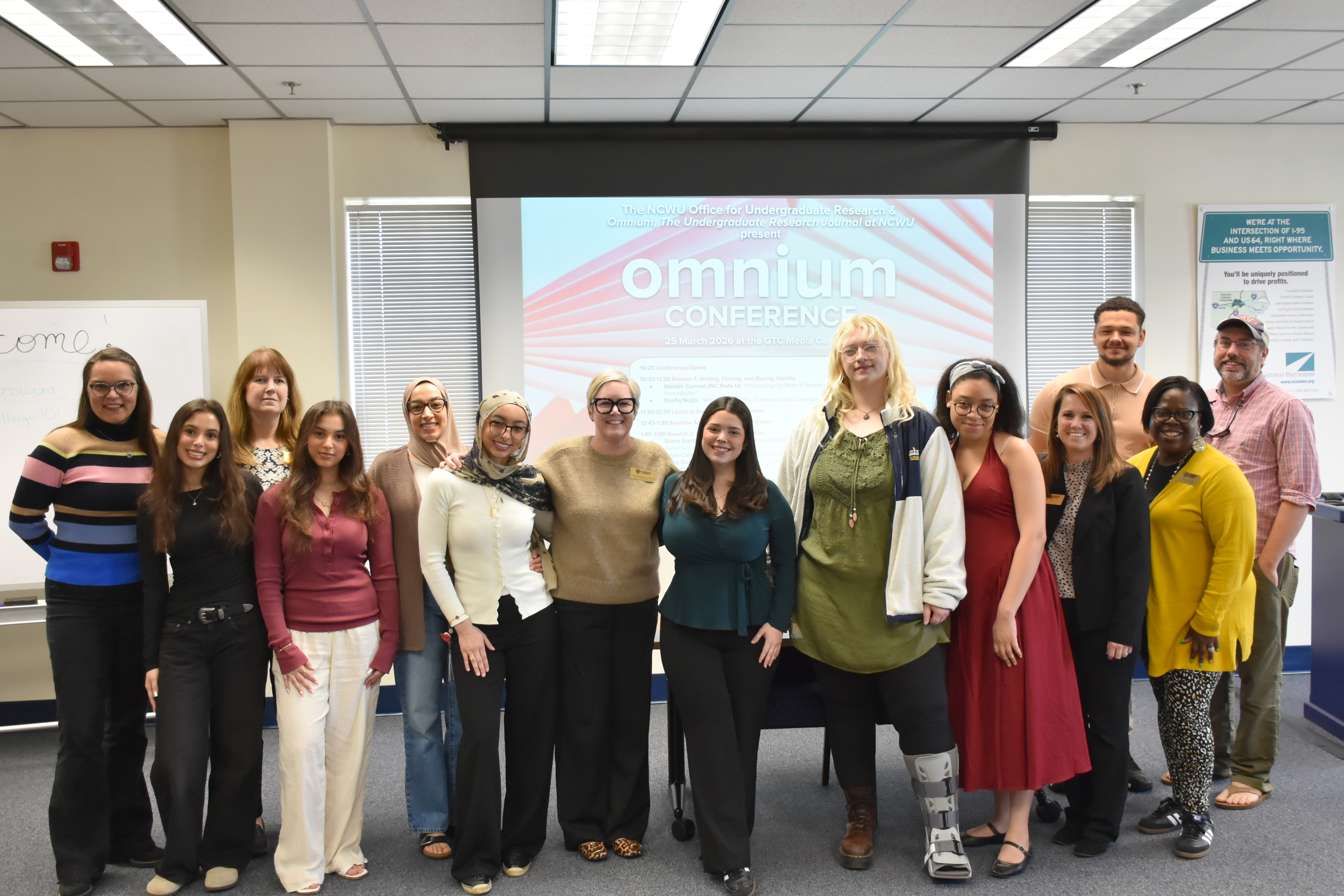
North Carolina Wesleyan University (NCWU) held the second annual Omnium Conference on Wednesday, March 25 at the Gateway Technology Center on campus. The event spotlighted undergraduate research and celebrated scholarly achievement across disciplines.
What is The Omnium Conference?
The Omnium Conference is a formal presentation of student research papers in affiliation with Omnium: The Undergraduate Research Journal at NCWU. Omniumis a Latin word meaning “everything”, and the journal provides students with the opportunity to explore major genres of academic writing, join in scholarly conversations, share their ideas, perform original research, and see their work published in a professional venue. Now in its eighth year, Omnium was established in 2019 by Dr. Doreen Thierauf, Associate Professor of English and General Education Program Coordinator. Dr. Thierauf serves as the journal’s editor and as conference co-organizer, joined by Dr. Shane Thompson, Associate Professor of Bible and the Ancient Near East and Director of the Office of Undergraduate Research.
“Omnium provides a professional platform for students to engage in original research, participate in academic dialogue, and see their work published,” said Dr. Thierauf. “It also serves as a teaching tool for faculty at NCWU and other institutions, with articles reflecting the academic growth of students at every stage of their college careers from first-year composition essays to projects created in senior seminars and honors theses”.
2026 Conference Details
The 2026 conference featured six student presentations, organized into two thematic sessions followed by interactive panel discussions:
- Session 1: Writing, Filming, and Buying Identity
- Alastair Cannon (NC State U): “Disproving the Myth of Simplicity in Anatolian Hieroglyphs”
- Shafiq Nuijts: “Wan Pipel: Identity, Tolerance, and Coexistence in Suriname”
- Session 2: Healing Our Communities
- Niana Gunther: “Lessons Learned from Unexpected Results: Investigating Herbal Remedies and Probiotic Growth”
- Kayla Collins: “Stress, Sleep, and Mental Wellbeing among NCWU Students”
- Maya Dari: “Building Resilience: One Jenga Block at a Time”
- Maria Gabriela Salazar: “Factors Influencing the Development of Cultural Competence in Nurses”
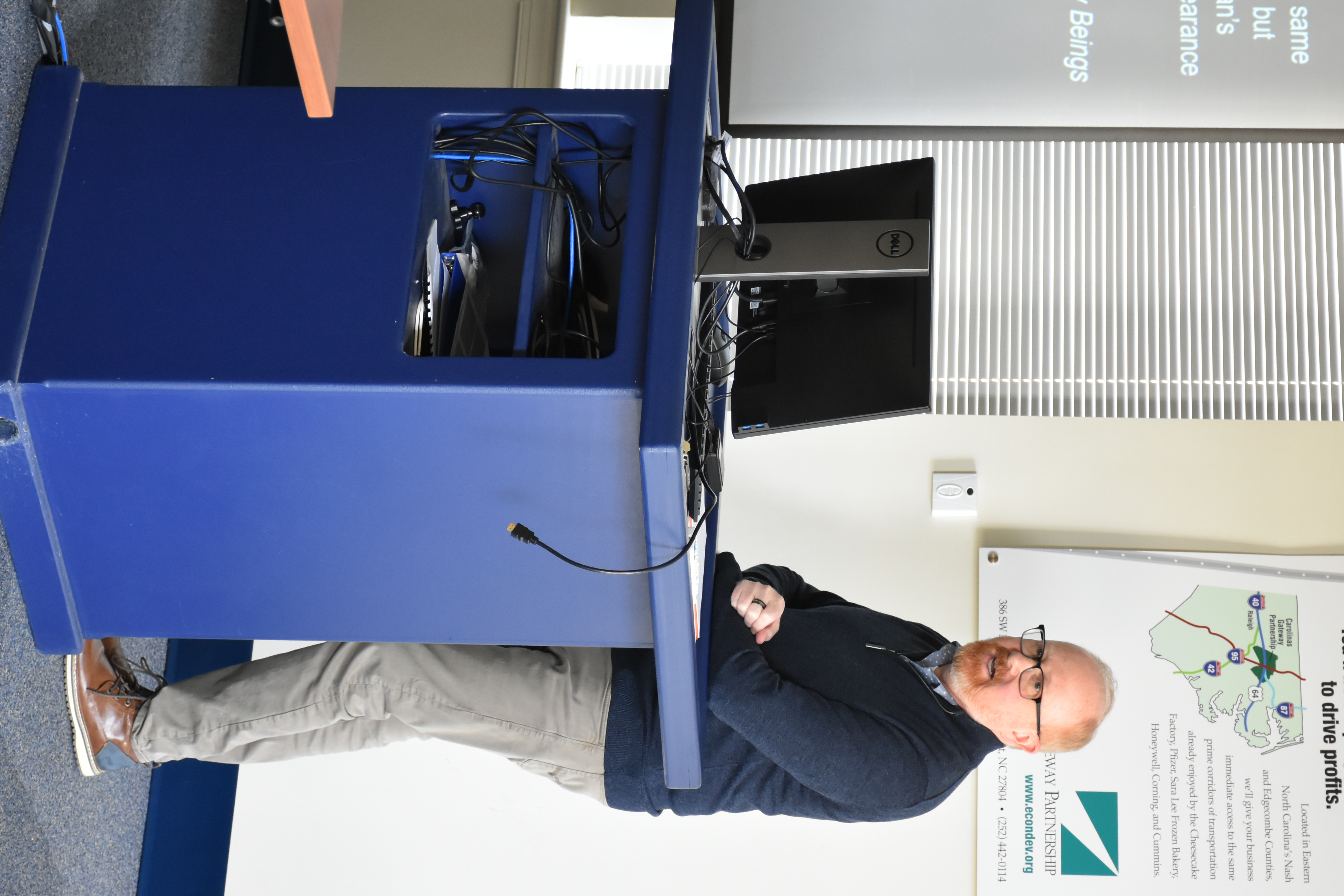
This year’s keynote address was delivered by Dr. Lee Templeton, Professor of English and Chair of the School of Humanities. His presentation was titled “The Dragons of Higher Education.”
The 2026 conference marked an ongoing collaboration between Dr. Thierauf and Dr. Shane Thompson. Together, they aim to expand Omnium’s mission to highlight the exceptional work being produced by NCWU undergraduates across all disciplines. The organizers were thrilled to feature a student from North Carolina State University, Alastair Cannon, in the conference lineup and hope to attract more students from regional campuses to the conference in the years to come.
Photos from this event can be viewed: Omnium Research Conference 03/25/26 – ncwesleyan
