


Across higher education, recent federal developments have prompted important conversations—particularly among Minority Serving Institutions (MSIs). New guidance and decisions from the U.S. Department of Justice and the Department of Education signal changes to how certain discretionary federal grant programs will operate moving forward. Many of these programs have historically provided mission-critical support to both MSIs and the students they serve.
For many colleges and universities, these shifts raise understandable questions. Federal funding has long played a role in helping institutions expand access, support students through challenges, and respond to workforce needs. When the funding landscape changes, institutions must take a step back and thoughtfully consider what comes next.
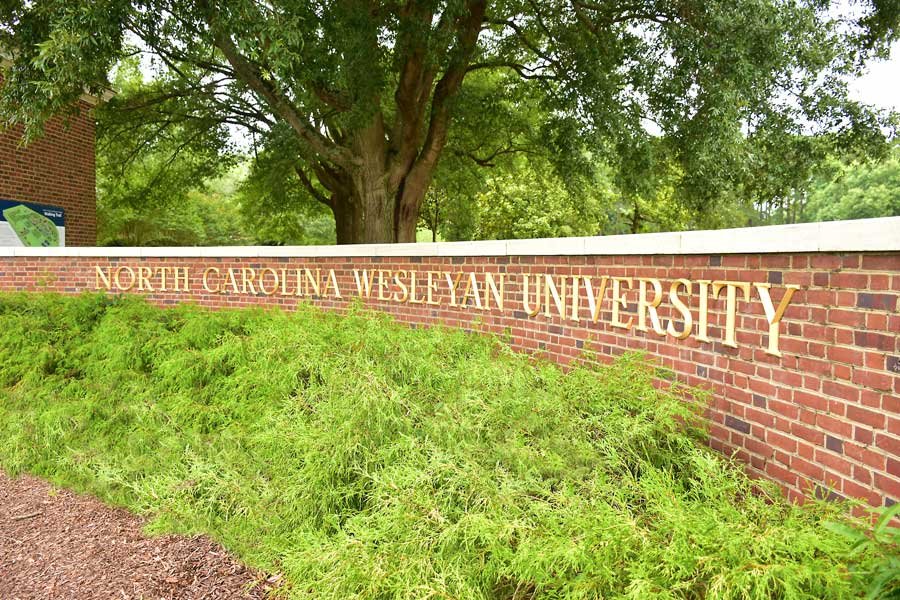
For North Carolina Wesleyan University, a proud Minority Serving Institution, this moment reinforces the importance of planning ahead, diversifying support, and strengthening partnerships that ensure long-term stability for our students and our mission.
“Higher education is constantly evolving, and moments like this remind us that adaptability and community support are essential,” said Dr. Evan D. Duff, President of North Carolina Wesleyan University. “Our responsibility is to continue serving students with excellence, regardless of shifts in the external environment.”
Understanding the Broader Context
Two recent federal actions have contributed to growing discussion within the MSI community:
One involves increased federal scrutiny of certain programs that previously provided targeted support to Minority Serving Institutions. These changes leave many institutions facing questions about the future funding availability and compliance requirements. Another includes the Department of Education’s decision to discontinue specific discretionary grant programs tied to MSI designation.
While these decisions are rooted in legal and regulatory considerations, their ripple effects are being felt across higher education. Institutions that serve large numbers of first-generation students, adult learners, Pell Grant recipients, and students from rural or economically challenged regions must now plan amid greater uncertainty.
As leaders across the country reflect on these changes, a common question emerges: How do institutions continue to deliver opportunity and access when traditional funding streams become less predictable?
What This Means for Minority Serving Institutions
Minority Serving Institutions play a critical role in the higher education ecosystem. They often serve students with significant potential and determination, many of whom balance academics with work, family responsibilities, and financial constraints. Federal support has historically helped MSIs:
- Reduce financial barriers for first-generation students and students from economically challenged households
- Build and sustain academic programs
- Provide tutoring, mentoring, and career readiness resources
- Strengthen workforce pipelines in education, healthcare, business, and public service
When funding becomes less certain, institutions must work harder to preserve these supports. Program growth may slow, student services can feel stretched, and workforce pathways that communities rely on may face added pressure.
At the same time, institutions like NC Wesleyan remain deeply committed to innovation, student success, and regional impact even as they navigate these challenges.
NC Wesleyan’s Ongoing Commitment
North Carolina Wesleyan University has long focused on providing a personalized, practical, and purpose-driven education, particularly for students from central and eastern North Carolina. As an MSI, the University places student potential at the center of everything it does, preparing graduates not only for careers but for lives of leadership and service.
“Our students come to us with ambition, resilience, and a desire to make a difference,” said Dr. Joseph Lane, Provost and Senior Vice President for Academic Affairs. “Our role is to meet them where they are, support their growth, and ensure they have access to the resources needed to succeed.”
Maintaining this level of support in a shifting funding environment calls for new approaches, thoughtful stewardship, and strong relationships beyond federal sources.
Why Private Support Matters More Than Ever
Private philanthropy, whether from individuals, foundations, corporations, or community partners, has always been an important part of NC Wesleyan’s story. Today, it plays an even more critical role.
Private support helps the University:
- Provide emergency and retention funding when students face unexpected challenges
- Create new academic programs and realign existing programs with evolving workforce needs and expectations
- Offer scholarships that reduce financial strain and increase access
- Strengthen career preparation, advising, and student success initiatives
Simply put, philanthropy helps ensure that opportunity does not pause when circumstances change.
In recent years, private philanthropy has played a stabilizing role for many institutions navigating change. Philanthropists such as MacKenzie Scott, who has made significant unrestricted gifts to colleges and universities across North Carolina and beyond, and Bloomberg Philanthropies, which has invested nationally in strengthening nursing and healthcare education, illustrate how private support can reinforce institutional capacity. Similarly, historic gifts like the more than $370 million pledged to Cornell University to endow and name its College of Engineering show how visionary donors can expand research, teaching, and student opportunity at scale across the higher education landscape.
Where Philanthropy Makes a Difference
Support for NC Wesleyan can take many forms, each with meaningful impact:
- Scholarships and endowed funds for first-generation students, adult learners, and career changers
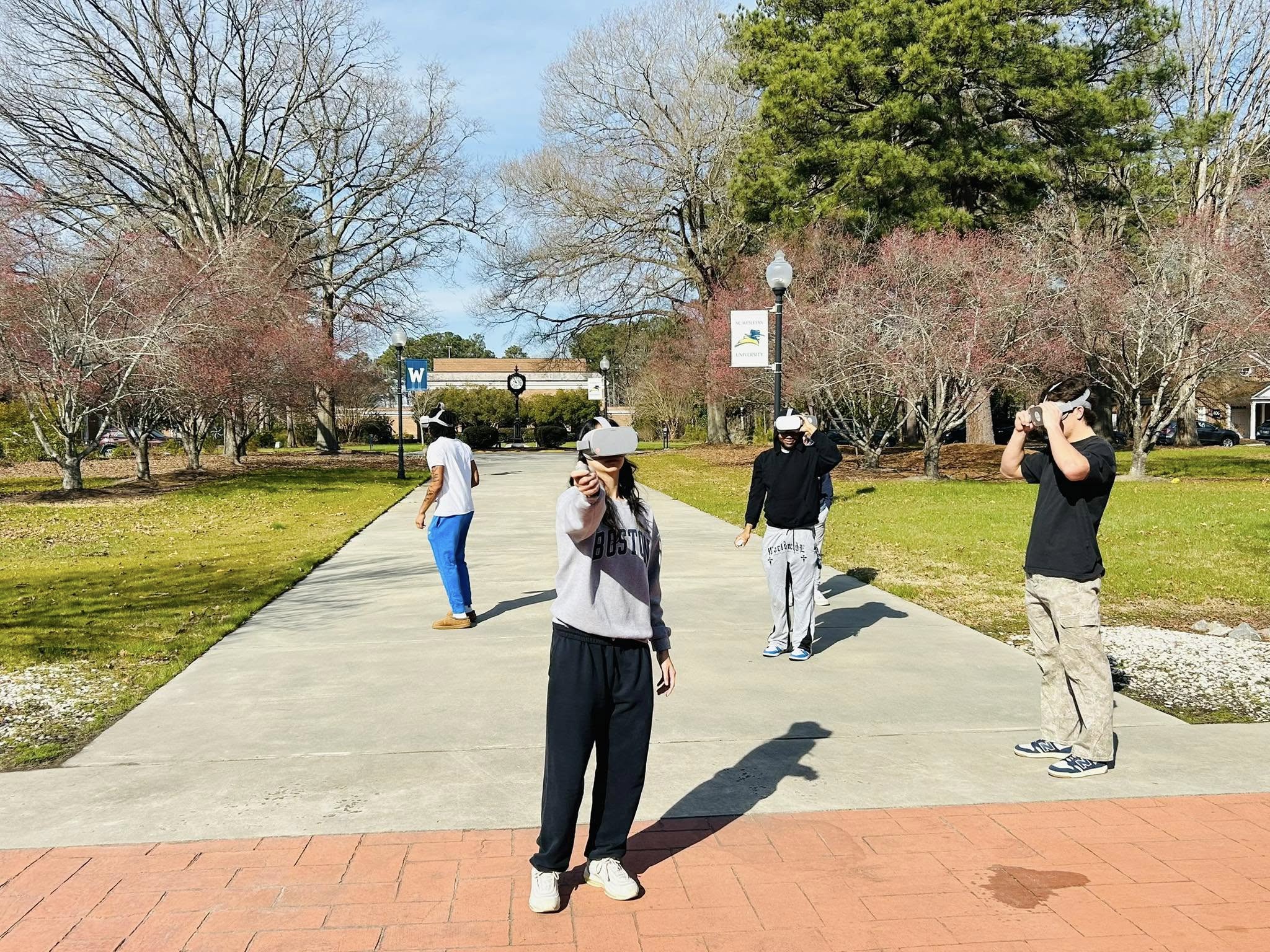
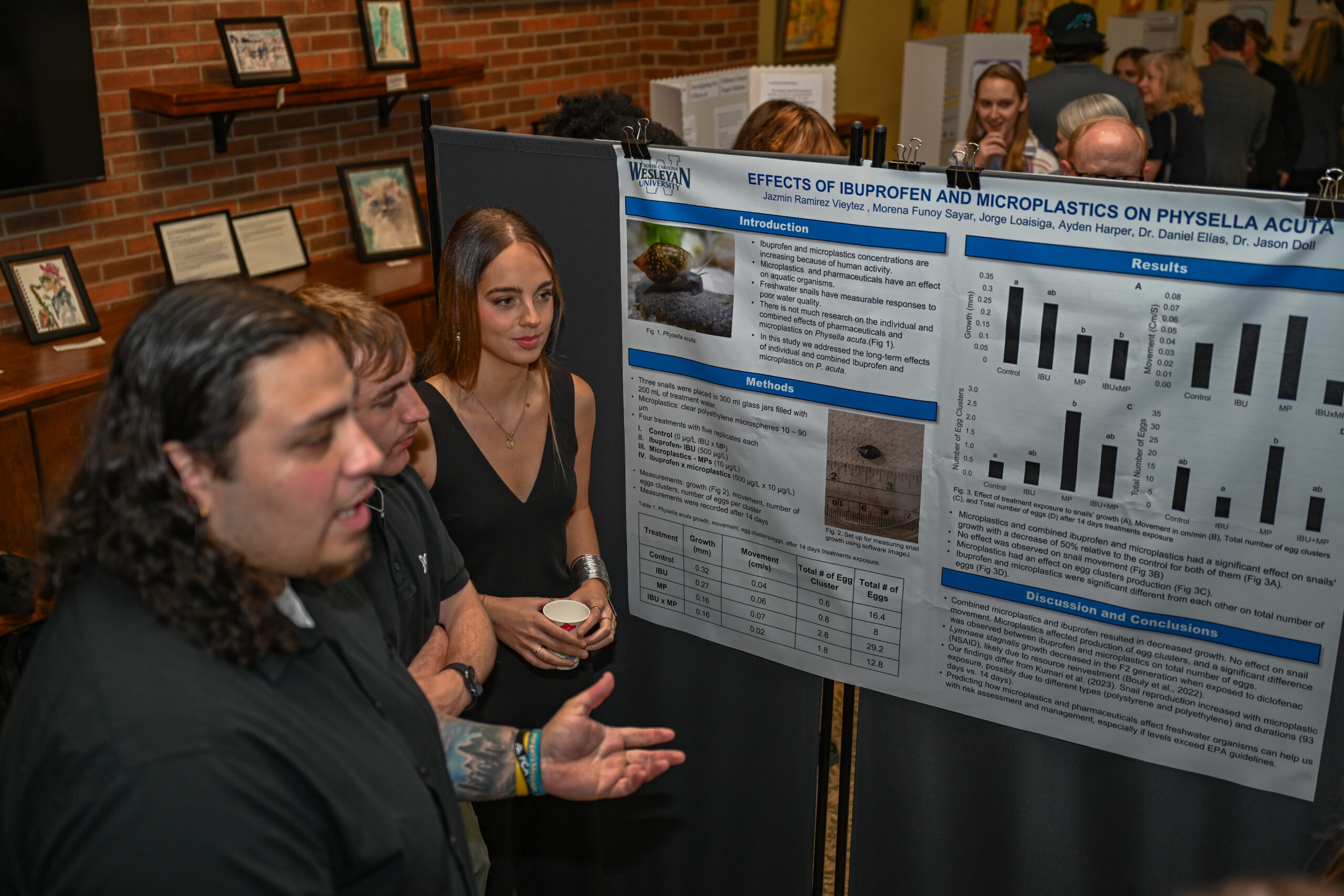
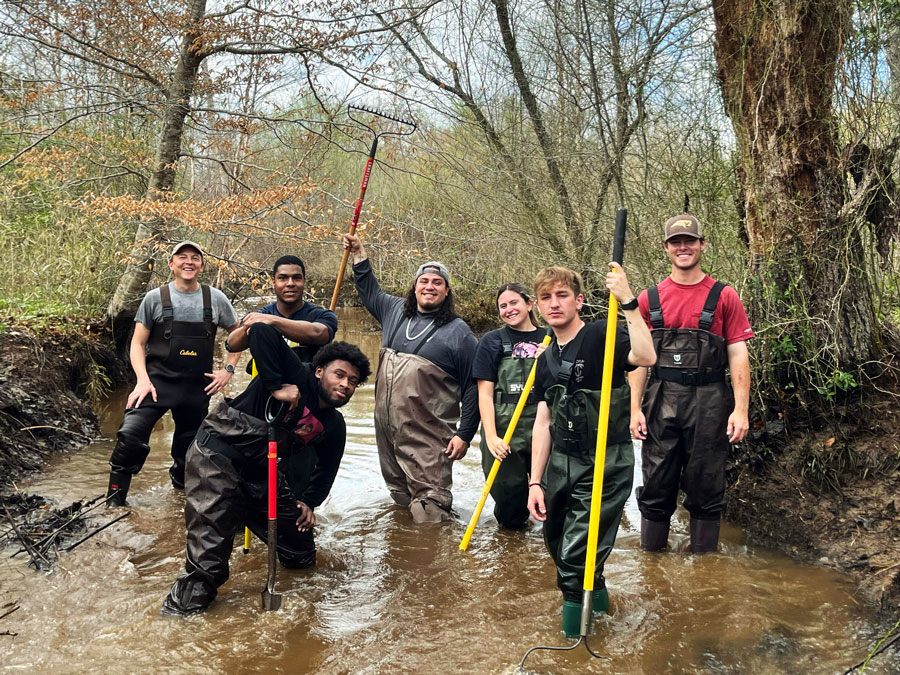
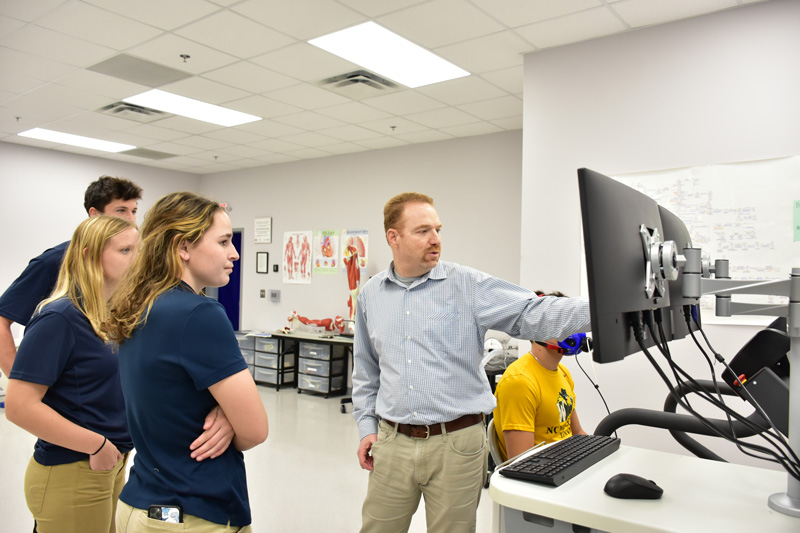
- Program innovation that opens new academic pathways and created opportunities for hands-on learning
- Student success initiatives including enhanced advising, mentorship programs, internships, and practica to foster career readiness
- Community partnerships that strengthen regional education, healthcare, and workforce development
These investments don’t just support individual students, they strengthen families, employers, and communities throughout the region.
Looking Ahead, Together
Federal policy changes serve as a reminder that higher education thrives best when it is supported by a broad and engaged community. For NC Wesleyan, this moment is both a challenge and an opportunity: a chance to deepen partnerships, invite new voices into the conversation, and ensure the University remains strong for generations to come.
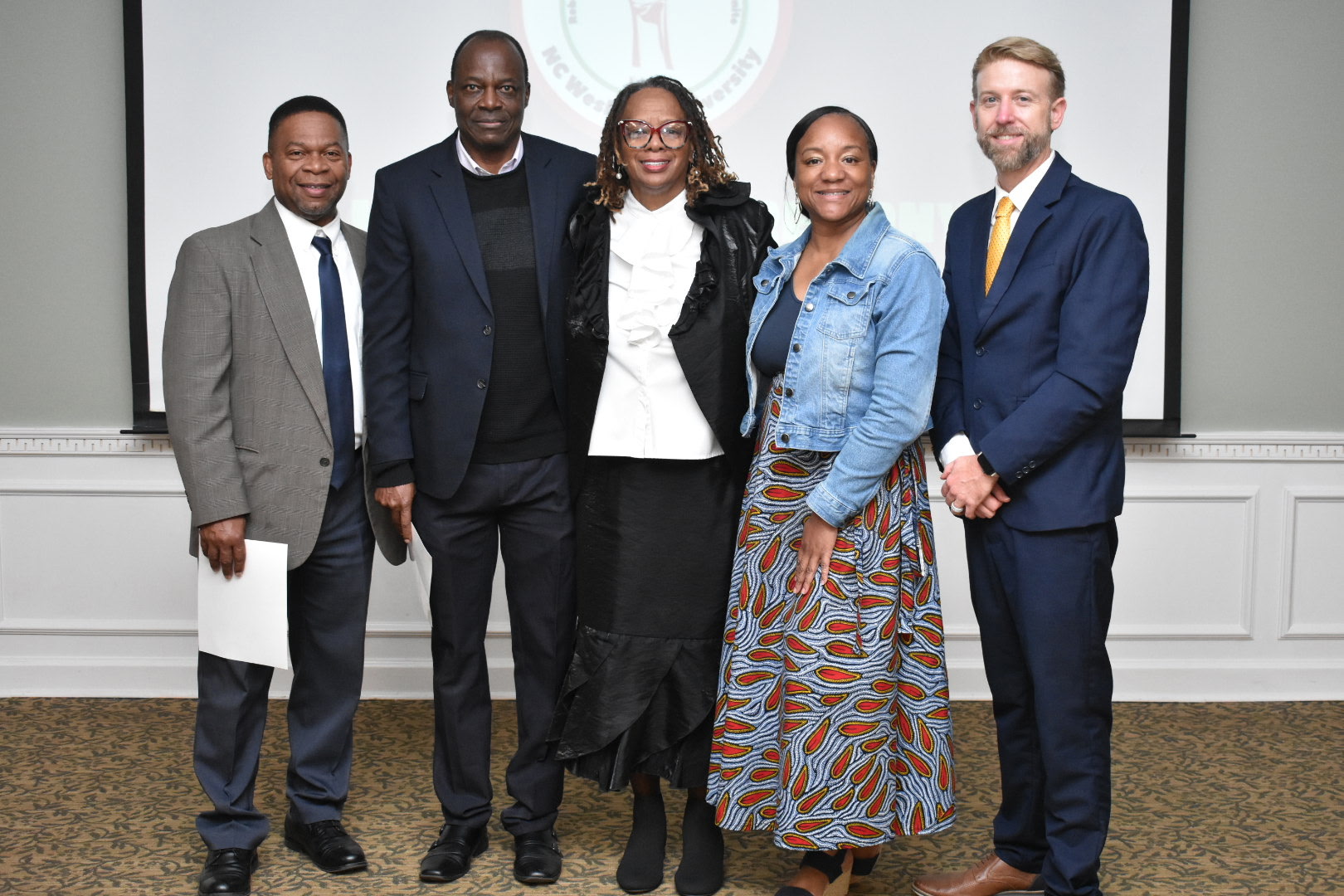
“Our mission has always been about opening doors,” Tammy Robinson, Director of Donor Engagement, shared. “With the support of our partners and supporters, we will continue to do just that, creating pathways to success for students and strengthening the communities we serve.”
NC Wesleyan’s students are ready to lead. With stability, opportunity, and shared investment, they will continue to do so—across North Carolina and beyond.
First in the Family: Wesleyan Students Breaking Barriers
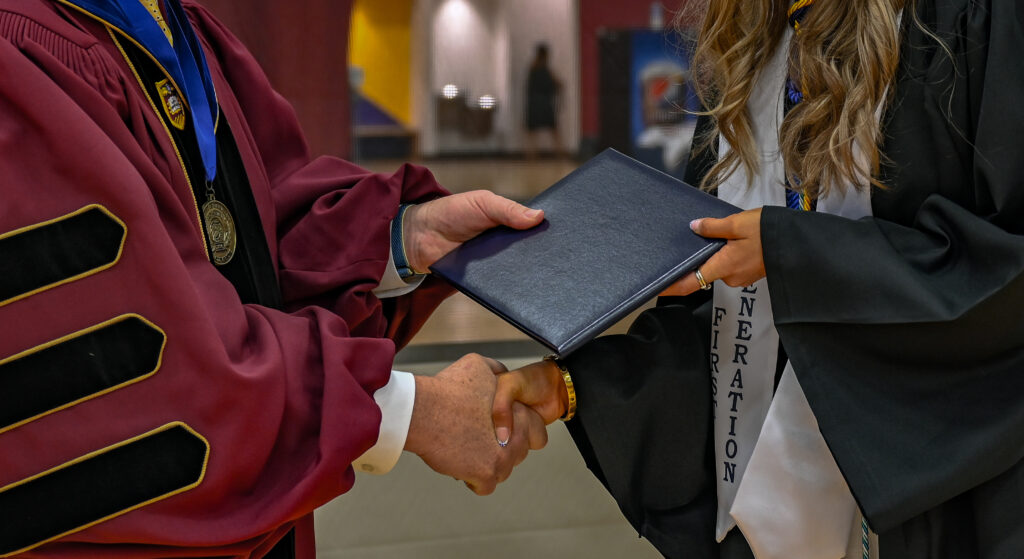
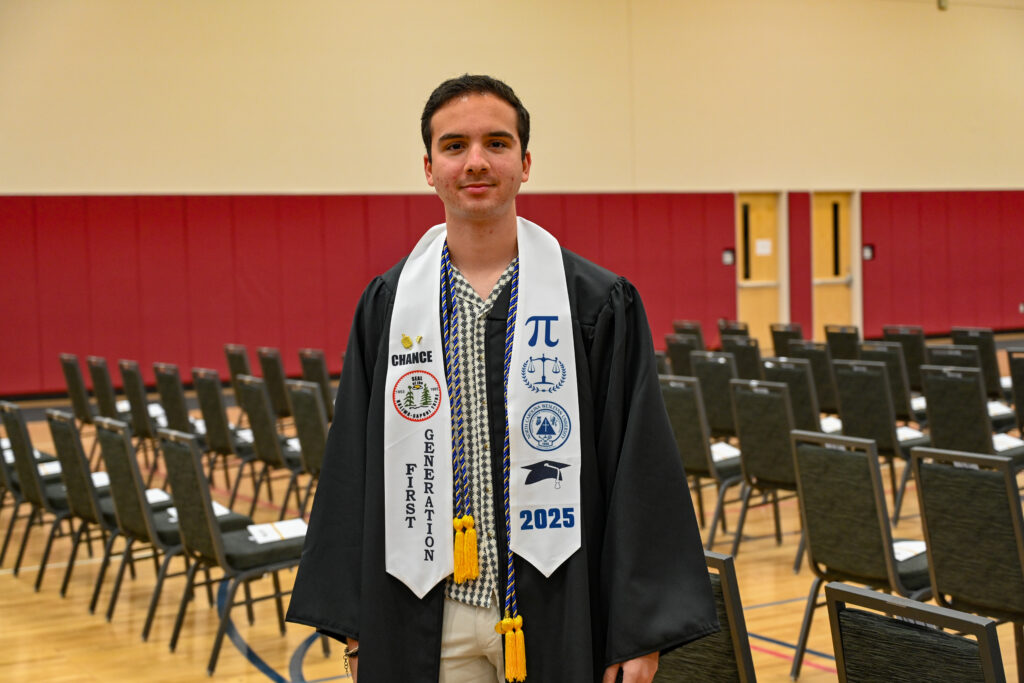
When Matthew Tiller walked across the stage at North Carolina Wesleyan University’s commencement in May 2025, he carried more than his own dreams. As a first-generation college student, he carried the hopes of his entire family.
“Being the first in my family to attend college means breaking a barrier and opening a door that was never there before, “Tiller shared. “It feels like I’ve paved a new way for my family, not just for myself.”
Tiler, who double-majored in English and Psychology, admitted that the journey was not easy. His family, though proud, did not know how to help navigate applications, deadlines, or financial aid. “Honestly, they didn’t really know how to support me, so college became a learning environment for both me and my family,” he said.
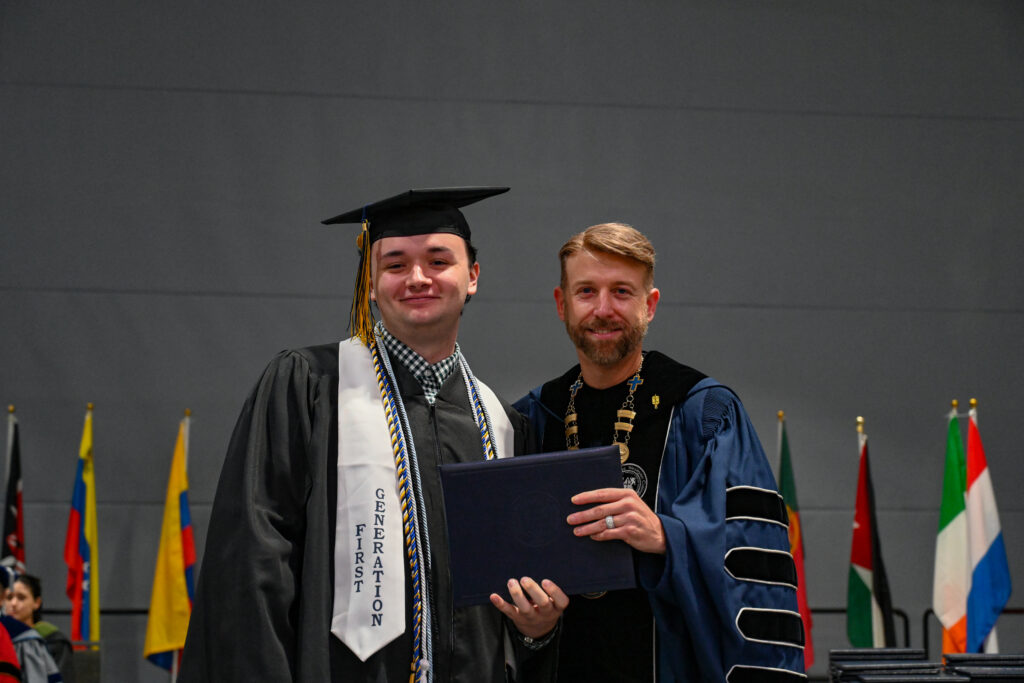
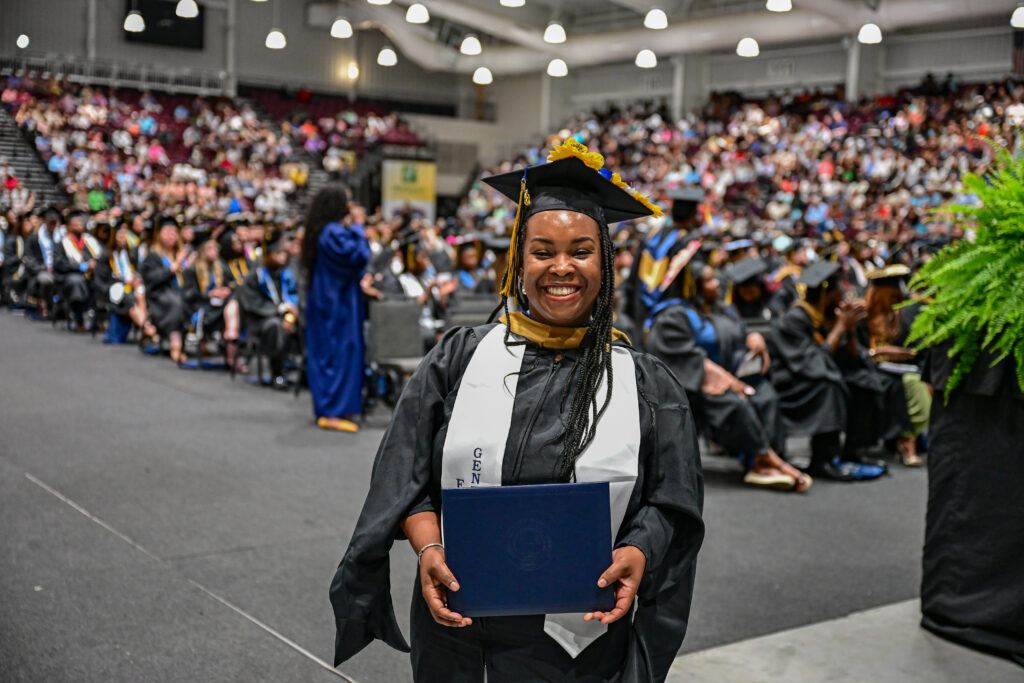
He isn’t alone. For fellow first-generation student Tamiya Rooks, a Biomedical Science major with a focus in Pre-Veterinary Medicine, the experience has also been about perseverance. “For me, being a first-generation college student means that I have managed to beat the odds,” Rooks said. “To my parents, it means that they did an amazing job with raising their children and get to see her grow more. Making them immensely proud.”

At Wesleyan, Tiller found mentors who guided him through. Professors in the English program offered academic and personal support, while supervisors in the Financial Aid office helped him grow into a leader. “Working there was more than a paycheck, it was mentorship,” he said. ‘I know I would not be the leader I am without their guidance.”
Rooks echoed that feeling of support. “Being the first in my family to go to college, I wanted a community that believed in my potential and would give me the resources to succeed, and Wesleyan offered that,” she said.
Faculty and staff play a vital role in this culture. Paige Wells, Director of the Campus Experience, knows the challenges first-generation students face because she lived them herself. “As someone who was a first-generation college student, I fully believe my personal experiences have uniquely equipped me to support students from similar backgrounds with greater empathy and intentionality,” she said. “To me, this work is more than just a job—it’s a personal mission.” Wells also notes that misconceptions about the financial side of college often discourage families. “It’s not because they don’t care—it’s simply a lack of information and familiarity with the process. That’s why it’s so important to create welcoming spaces where students and families feel safe asking questions and getting honest guidance.”
That sense of belonging doesn’t end with graduation. Wesley Mercer, now a Helpdesk Technician at NCWU, once stood where today’s first-generation students do. “I feel like a lot of people are overwhelmed or scared of the idea of going to college. When I first started as a student, the staff and faculty were much more helpful than I originally thought,” he reflected.
Today, Mercer is proud to be part of the institution that helped him succeed. “I am excited that I get to be a ‘piece of the pie’ that is Wesleyan. It is amazing to be on the other side of the institution that meant so much to me as a student. It is almost surreal to see things from the other side.”
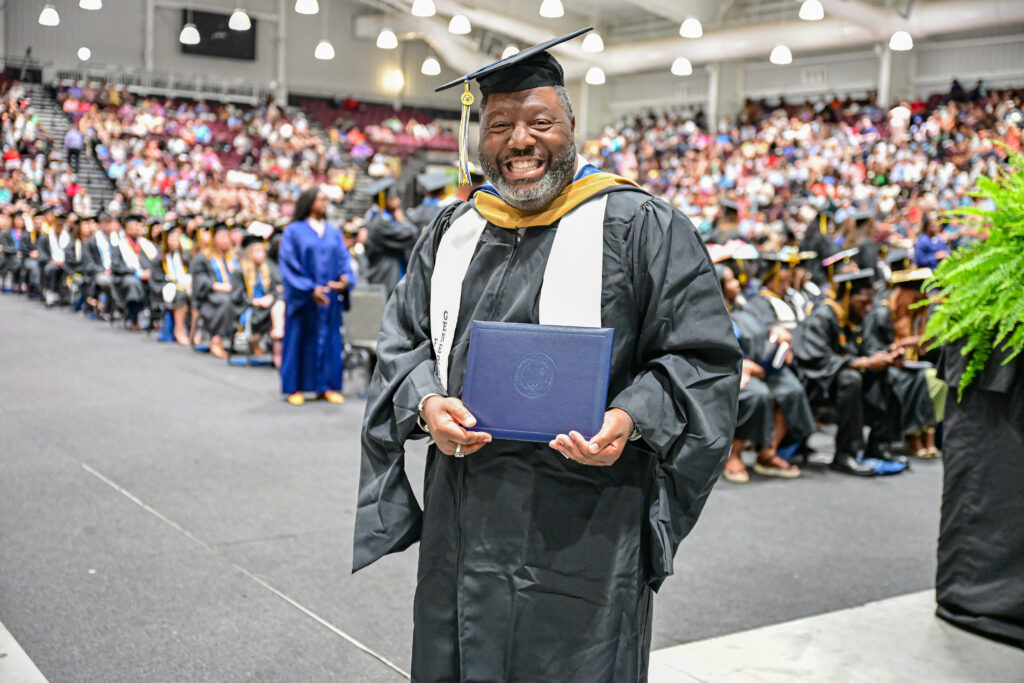
For Mercer, the highlight of his journey remains graduation. “Knowing that I finally did it is still my proudest moment,” he said. “Even as a staff member, I always really enjoy getting to go to graduation and seeing students get their diplomas.”
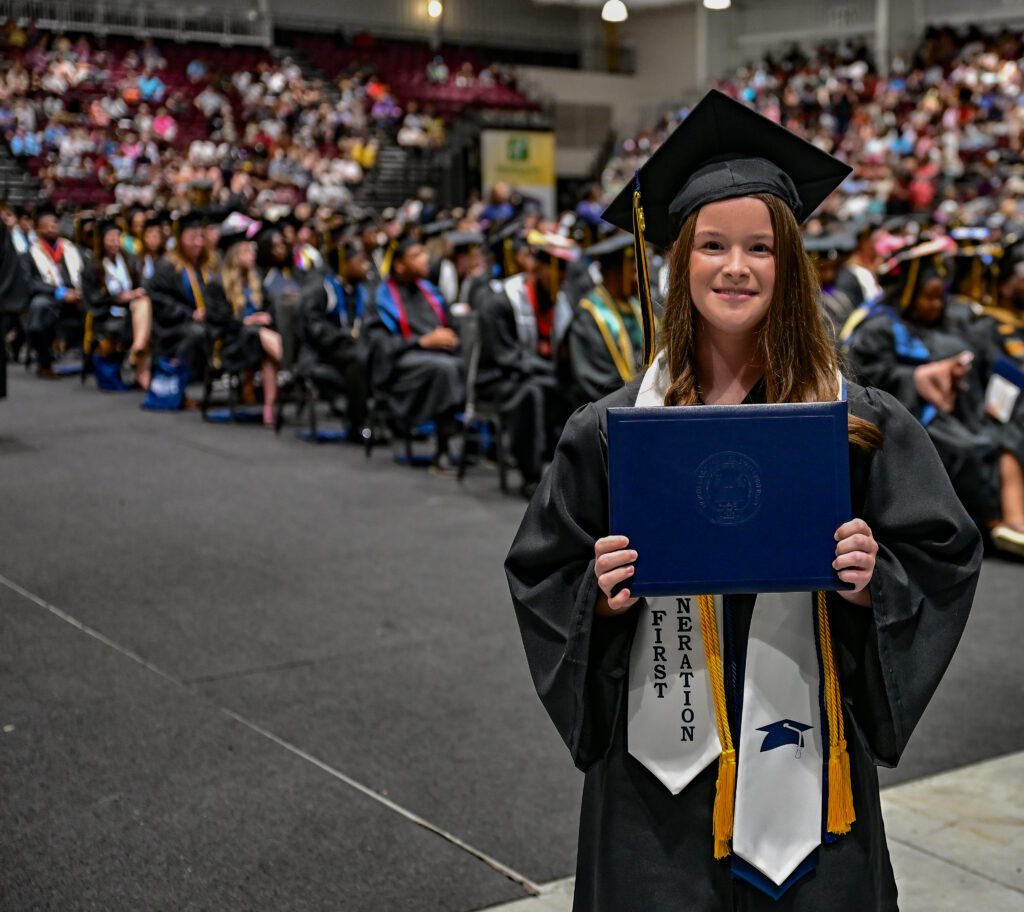
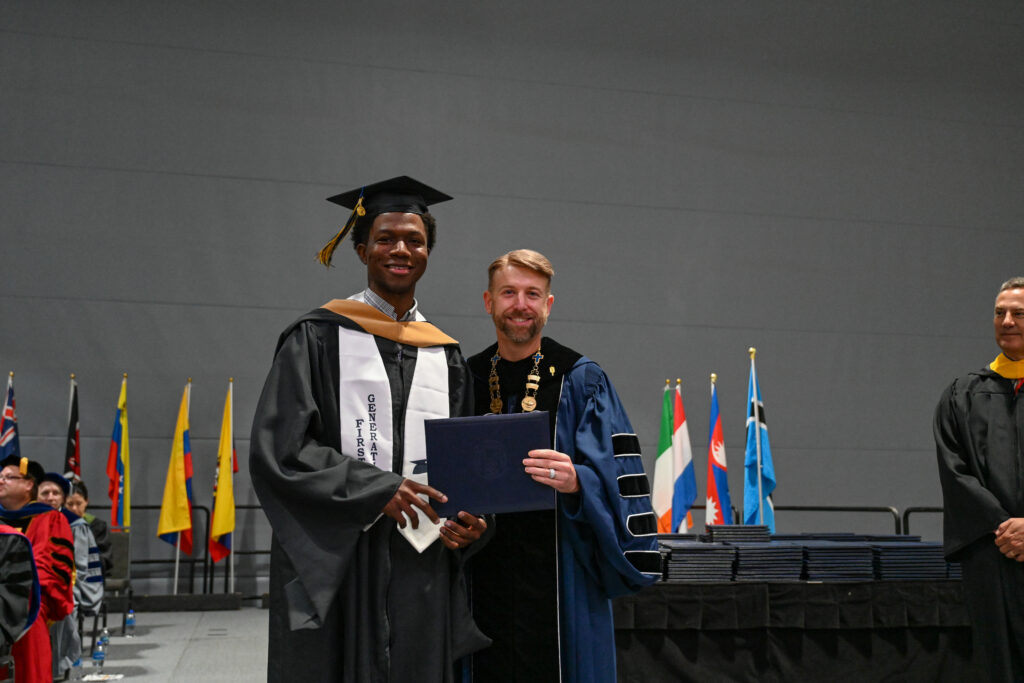
Both Tiller and Rooks admit the challenges were real. For Tiller, it meant forging ahead without a roadmap. For Rooks, it meant leaving home and stepping into the unknown. “Applying to college was the easy part really, but preparing for it was the most difficult,” she reflected. “It’s never easy to leave your home and family to go to a new place, even if it is for your benefit.”
Despite the obstacles, each points to proud milestones. Tiller cites leadership awards and internships. Rooks highlights completing her first year and joining the lacrosse team, something she had dreamed of for years. “I’ve made so many new friends who are really like family to me now, and that means so much,” she said.
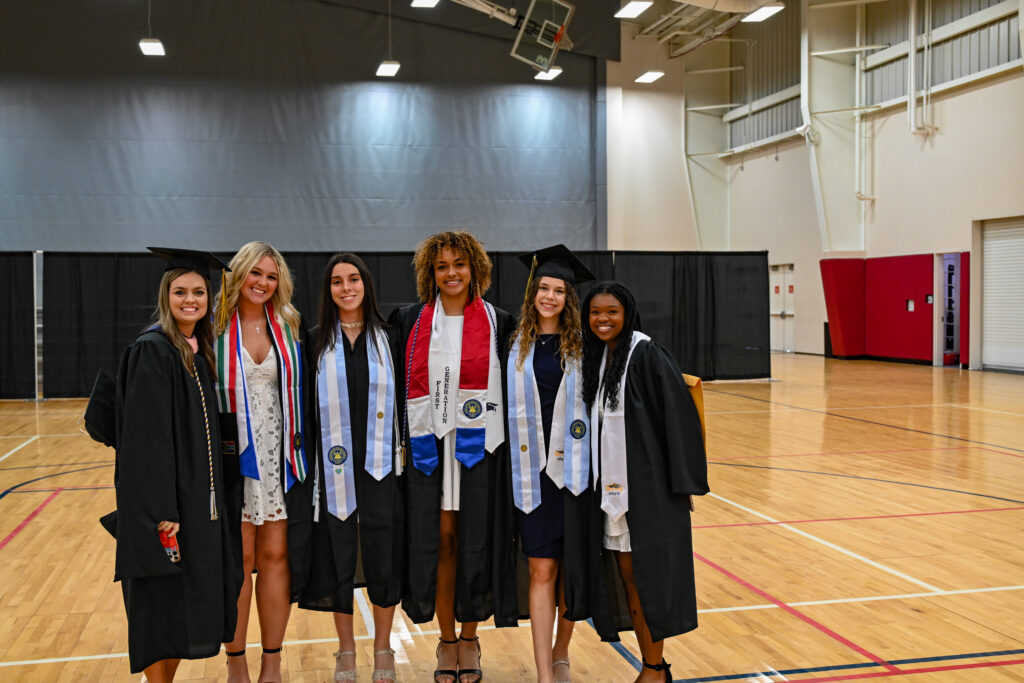
Nearly 45% of Wesleyan’s student population are first-generation college students. Many faculty and staff were once first-generation themselves, making them uniquely able to mentor students like Tiller and Rooks. Wells notes that one of the biggest barriers is simply understanding the process. “One of the biggest misconceptions about college is the financial aspect, especially from the perspective of families who haven’t navigated the process before,” she said. “Many families don’t fully understand the true cost of attendance or know what questions to ask when comparing schools, which can unintentionally limit the options they consider. It’s not because they don’t care, it’s simply a lack of information and familiarity with the process. For any student, especially a first-generation student, the process can be overwhelming, and that’s why it’s so important to create welcoming spaces where students and their families feel comfortable and safe asking questions and getting honest, clear guidance.”
Looking ahead, Rooks hopes to become a veterinarian, serving her community by protecting and healing animals. “I want to show my family that dreams can be reached with dedication, and I hope to make them proud by turning my passion into a way to help others,” she said.
Supporting first-generation students is not just part of Wesleyan’s mission. It is woven into the fabric of who the university is. With nearly half its students blazing new trails, every diploma represents resilience, mentorship, and opportunity.
As Tiller puts it: “Take that leap! Do it! Be brave! The challenges are worth it, and you will always come out on top.”
