


North Carolina Wesleyan University is proud to recognize the extraordinary generosity and vision of Judith “Judi” Vilagos Parsons ’75, whose commitment to education and service continues to create life-changing opportunities for students.
In 2024, Judi established the Howard Parsons Biomedical Endowed Scholarship in memory of her late husband, Howard T. Parsons ’74, honoring the role Wesleyan played in shaping their lives, careers, and shared commitment to helping others. Through that gift, students pursuing degrees in biomedical science and related fields have gained access to resources that support their academic success and professional aspirations.
Double the Scholarships
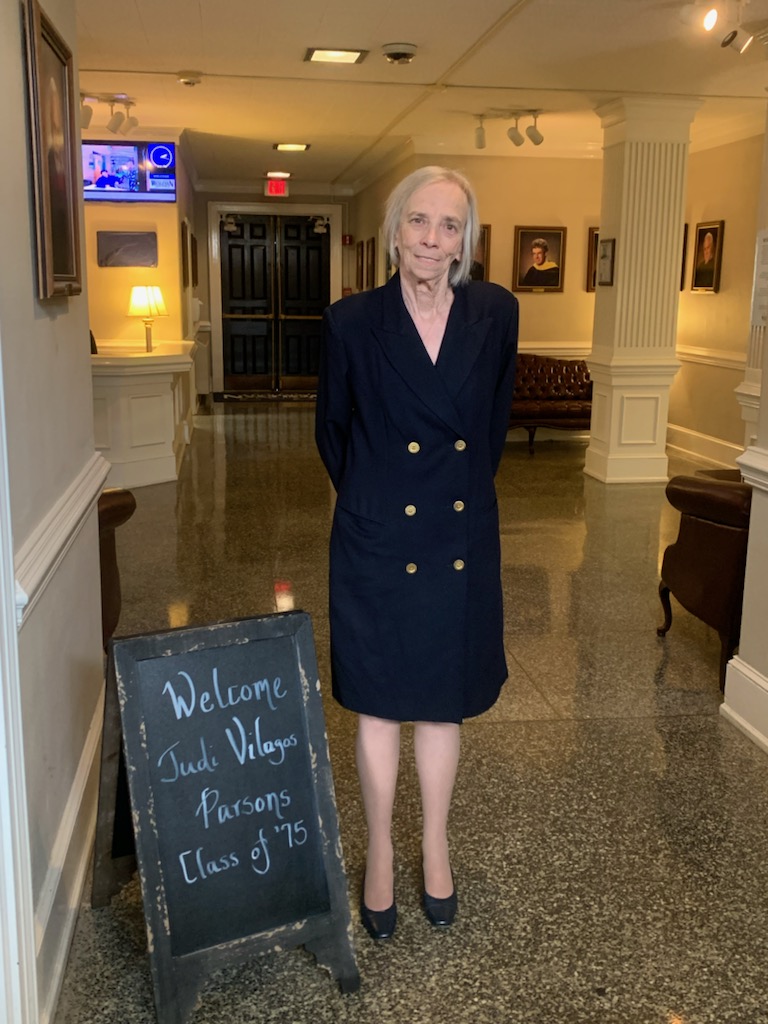
Now, just two years later, Judi has expanded her legacy of philanthropy by establishing both the Vilagos Social Services Annual Scholarship and the Vilagos Social Services Endowed Scholarship. While her previous scholarship honored Howard’s memory, these new scholarships celebrate Judi’s own journey and the path she began when she arrived at Wesleyan as a student.
As a member of the Class of 1975, Judi understands firsthand the transformative power of education. Her latest gifts are designed to support students pursuing degrees in Psychology, Sociology, and programs within the School of Education and Social Sciences, fields dedicated to improving the lives of individuals, families, and communities. Preference is given to junior-year students who demonstrate strong academic achievement, good character, and a commitment to their studies.
By creating both an annual scholarship that provides immediate support and an endowed scholarship that will benefit students for generations to come, Judi has ensured that her impact extends far beyond her own time on campus.
The Gift that Keeps on Giving
In addition to establishing these scholarships, Judi has further demonstrated her commitment to North Carolina Wesleyan by including the University in her estate plans. Through this legacy gift, she is helping secure Wesleyan’s future while creating opportunities for generations of students who will follow in her footsteps.
“Giving back to Wesleyan is a way of investing in students who are striving to create positive change,” said Judi. “Wesleyan provided me with the education and opportunities that made a rewarding career possible, and for that I will be forever grateful. Creating these scholarships and including Wesleyan in my estate plans are ways for me to pay it forward and help students pursue their own paths of service, leadership, and impact.”
Judi’s generosity serves as a powerful example of how alumni can transform lives through philanthropy.
For North Carolina Wesleyan University, the Vilagos Social Services Annual Scholarship, Vilagos Social Services Endowed Scholarship, and Howard Parsons Biomedical Endowed Scholarship stand as lasting reminders of the profound difference one alumna can make when she chooses to invest in the future of others.
NC Wesleyan Correctional Institutions Class Welcomes Guest Speaker from Nash Correctional Institution
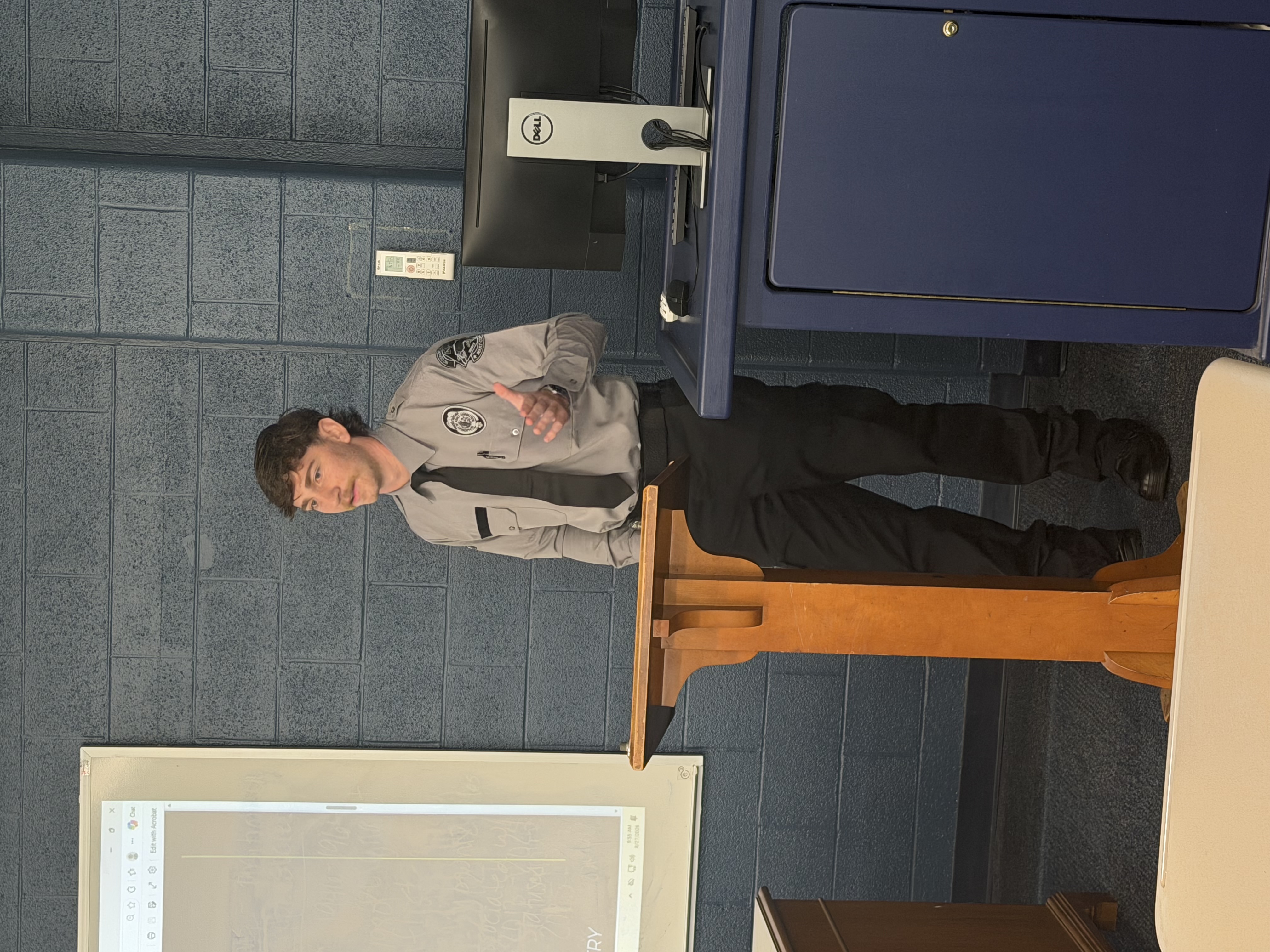
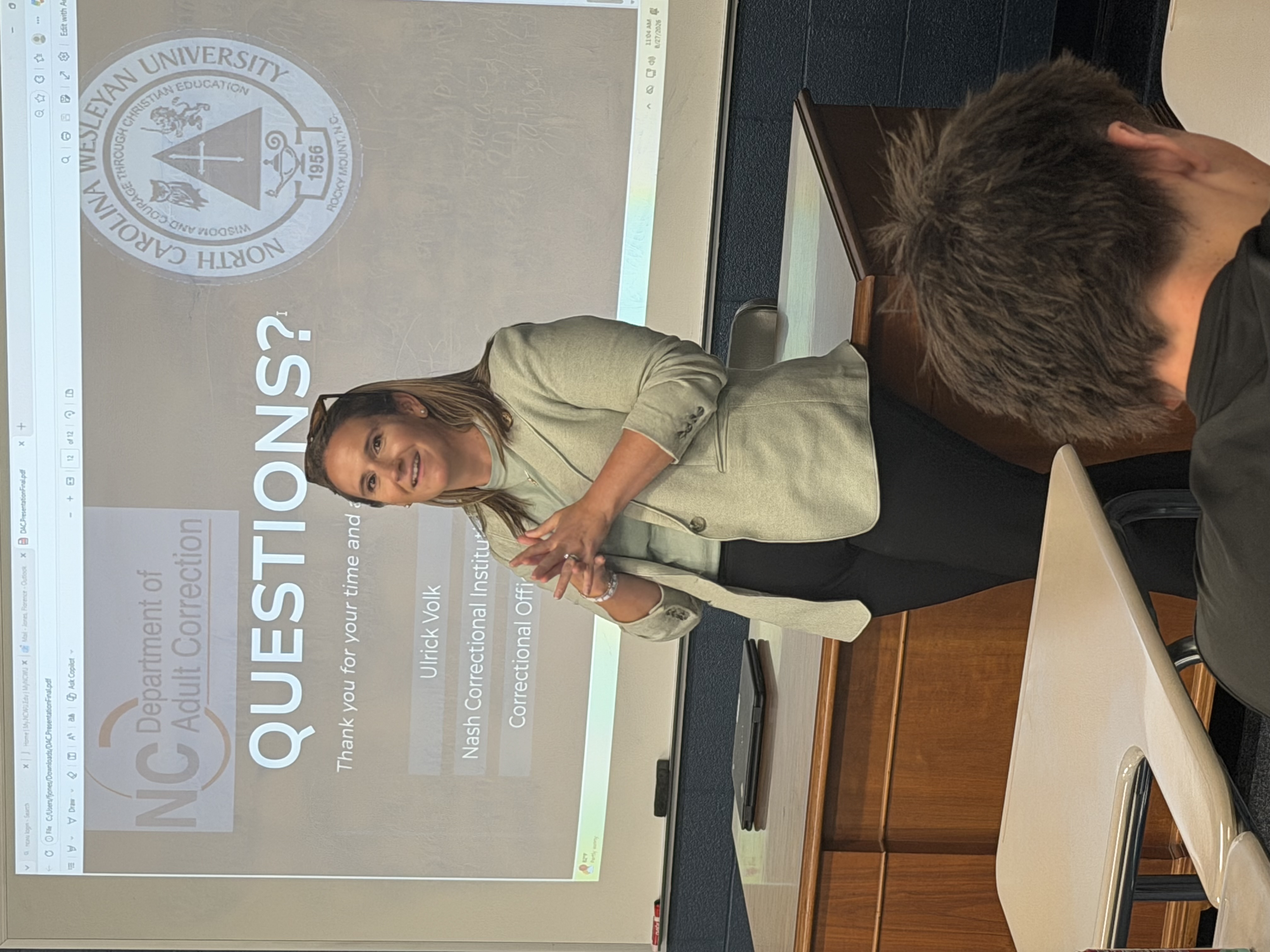
Students in North Carolina Wesleyan University’s Correctional Institutions class received an inside look at the realities of working in corrections when current NCWU psychology student and newly appointed Correctional Officer Ulrick Volk visited the class as a guest speaker.
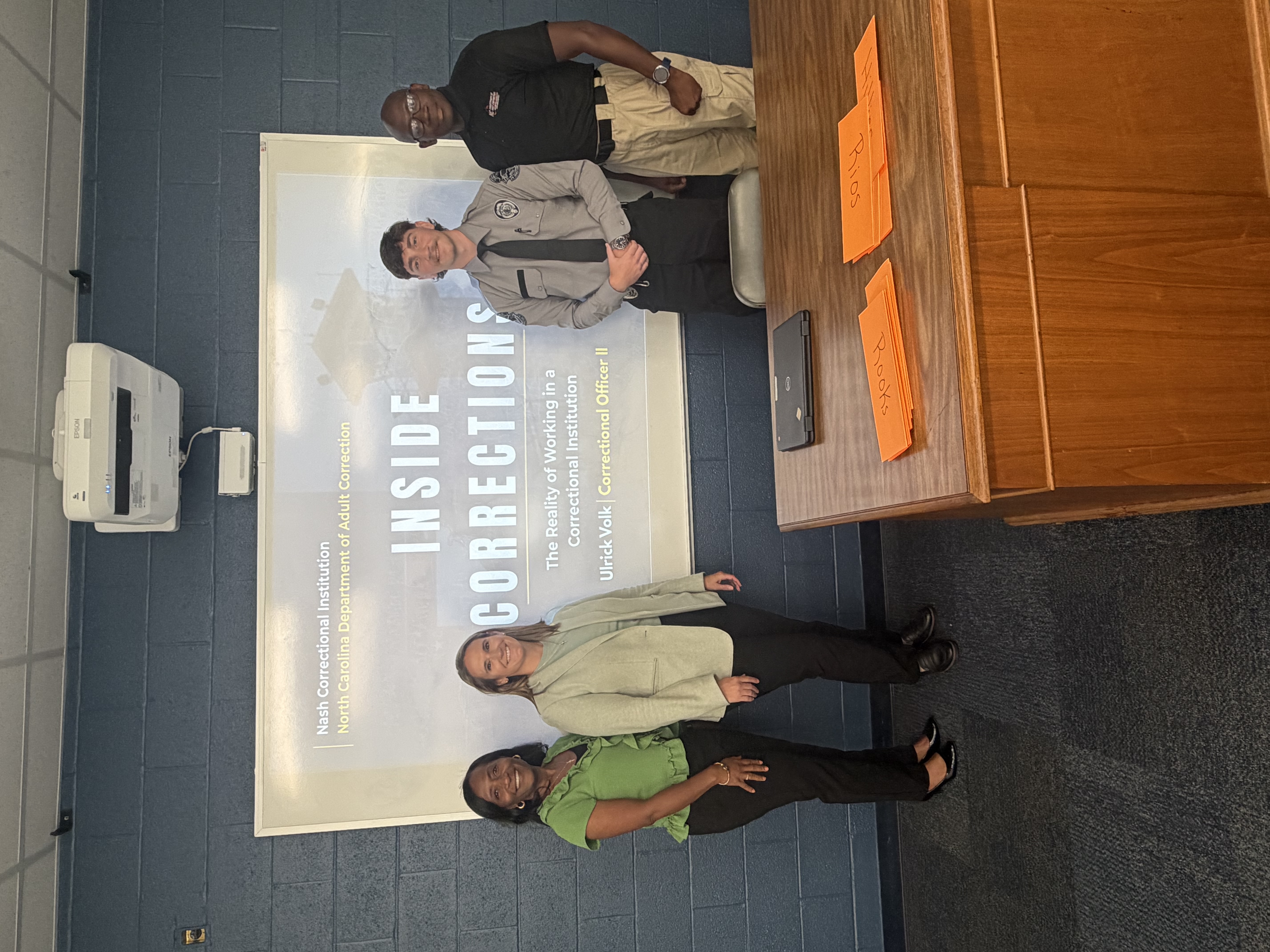
Officer Volk, a former student of Professor Florence R. Jones, shared his experiences transitioning from college student to correctional officer at Nash Correctional Institution. He was escorted by Warden Talena Lee, who also spoke with students about careers, professional advancement, and opportunities within corrections.
Dressed in his professionally pressed correctional officer uniform, Officer Volk presented “Inside Corrections: The Reality of Working in a Correctional Institution.” His presentation covered a variety of topics, including why he chose corrections, his expectations versus the realities of the profession, the role and responsibilities of a correctional officer, direct supervision, de-escalation, prevention and response, contraband prevention, and lessons he has learned since entering the field.
About Officer Volk
Officer Volk’s journey into corrections began in April 2026, near the end of the Spring semester, when he contacted Professor Jones to express his interest in pursuing a career in corrections. Recognizing his potential and commitment, Professor Jones contacted Warden Lee, who assisted in supporting his transition into the profession.
Officer Volk went on to attend Correctional Officer Basic Training, where he distinguished himself among his peers. He graduated at the top of his class in firearms training, placed second on the final examination, and was selected to serve as the class speaker at graduation.
His presentation generated considerable interest and discussion among the students. Class members asked thoughtful questions about his fears and experiences, daily job responsibilities, balancing college with full-time employment, safety, and the challenges of working in a correctional environment. His professional and candid responses provided students with a realistic perspective on the profession and sparked interest in corrections as a potential career path for several students.
Warden Lee also engaged with the class, sharing her own experiences in corrections, discussing career advancement and promotional opportunities, and providing students with additional information about Nash Correctional Institution. Students eagerly took advantage of the opportunity to ask questions and learn from her extensive experience as a correctional leader.
Mr. Lance Woodard also accompanied Officer Volk and Warden Lee. Warden Lee introduced him and provided students with additional insight into his background and experience in corrections, as well as his professional access and connection to Nash Correctional Institution.
Criminal Justice at NCWU
The visit provided students with an invaluable opportunity to connect classroom instruction with real-world correctional experiences. Rather than simply learning about corrections from a textbook, students were able to hear directly from professionals working within the field and gain a better understanding of the responsibilities, challenges, opportunities, and rewards associated with a career in corrections.
On behalf of Dr. Gail Marsal, Associate Professor and Program Coordinator for Criminal Justice; Professor Florence R. Jones; and North Carolina Wesleyan University, we extend our sincere appreciation to Officer Ulrick Volk, Warden Talena Lee, and Mr. Lance Woodard for taking the time to visit the Correctional Institutions class and share their knowledge, experiences, and professional insight with our students.
Their willingness to invest in the next generation of criminal justice professionals made this an educational and memorable experience for the class.
First in the Family: Wesleyan Students Breaking Barriers
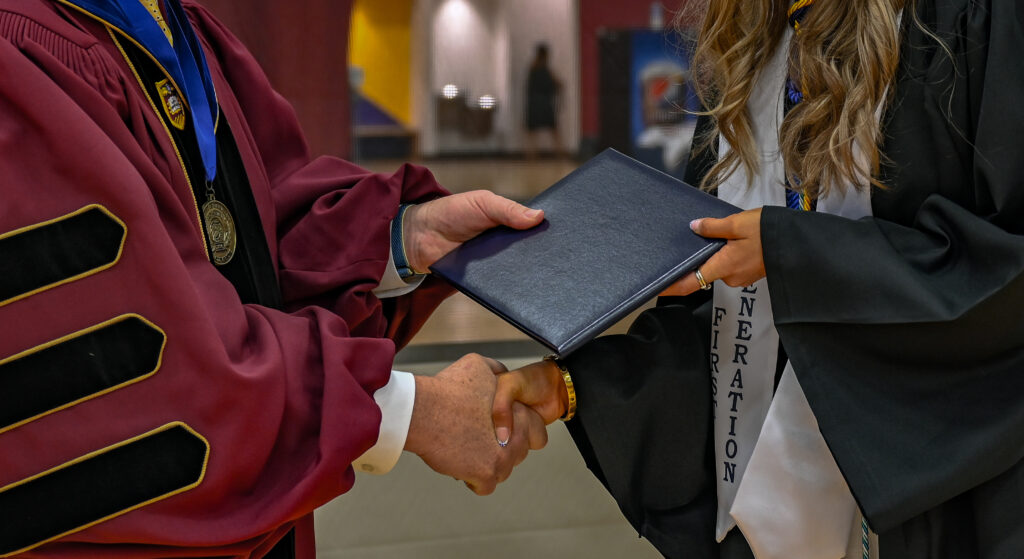
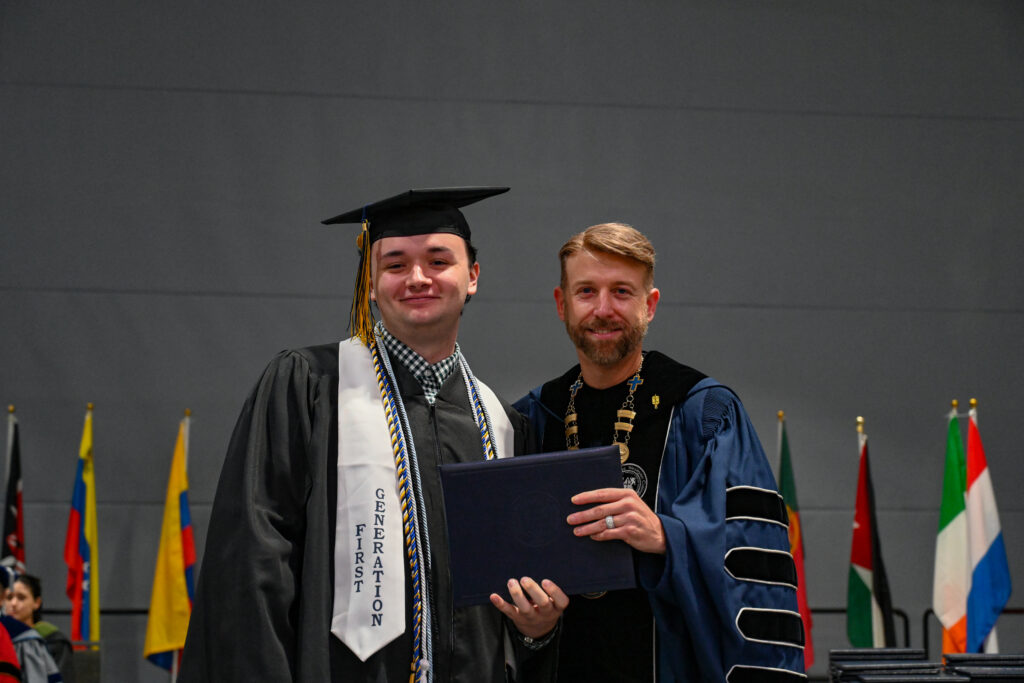
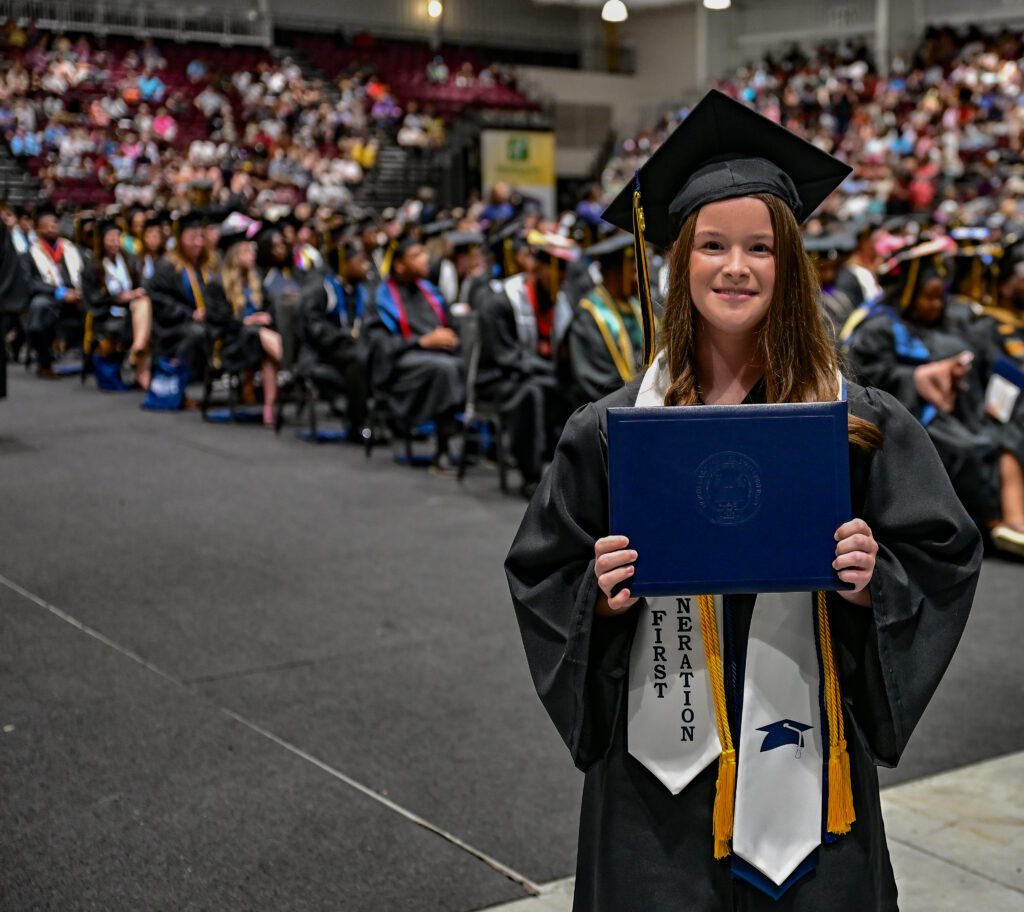
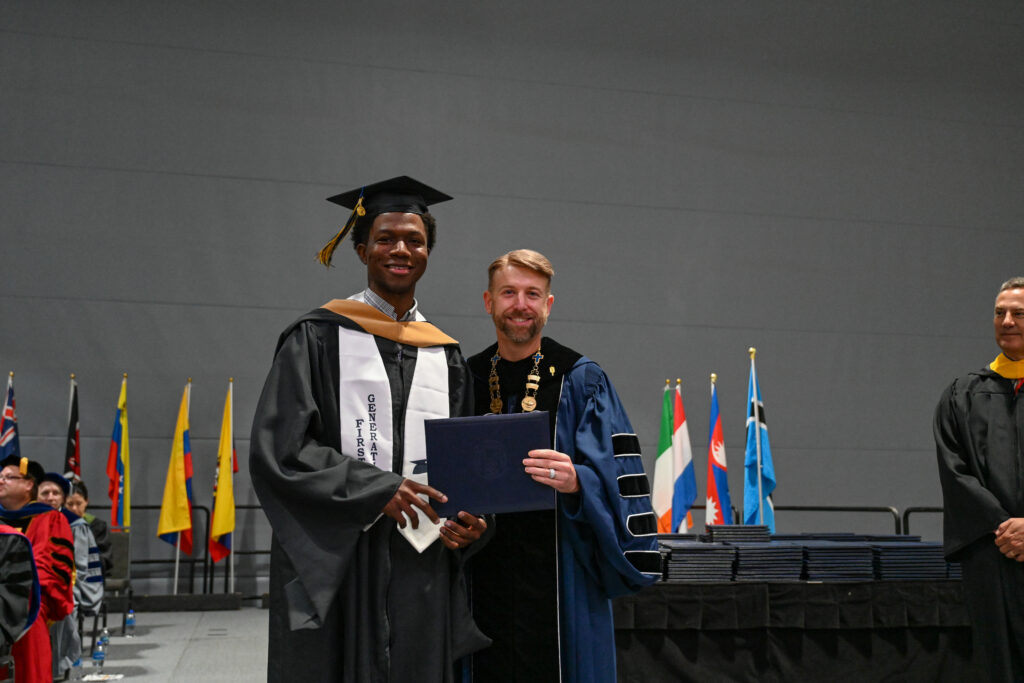
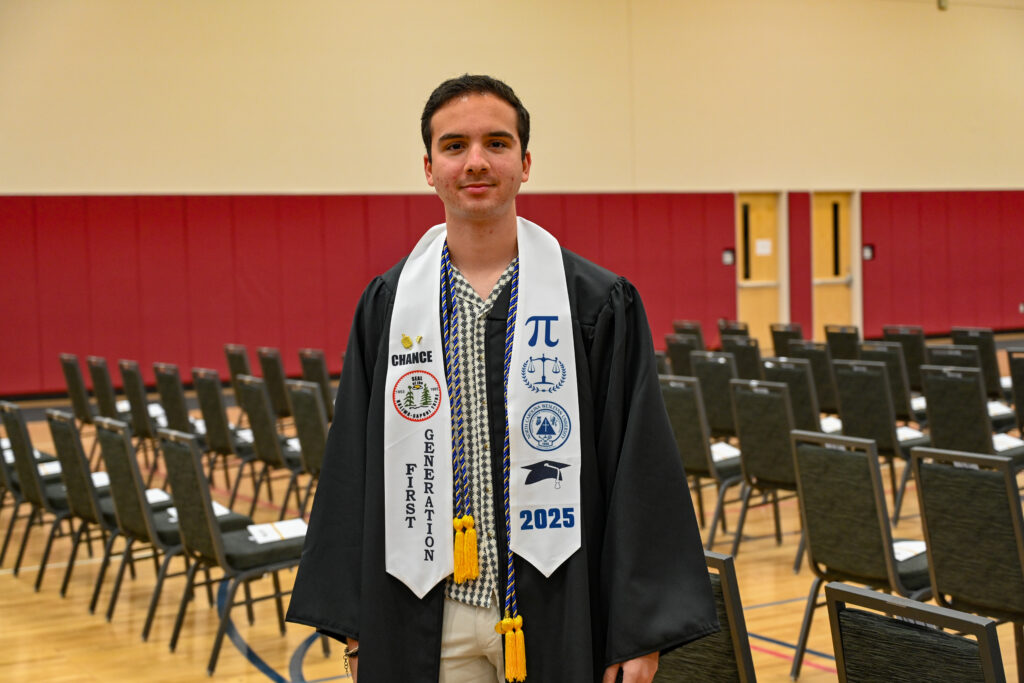
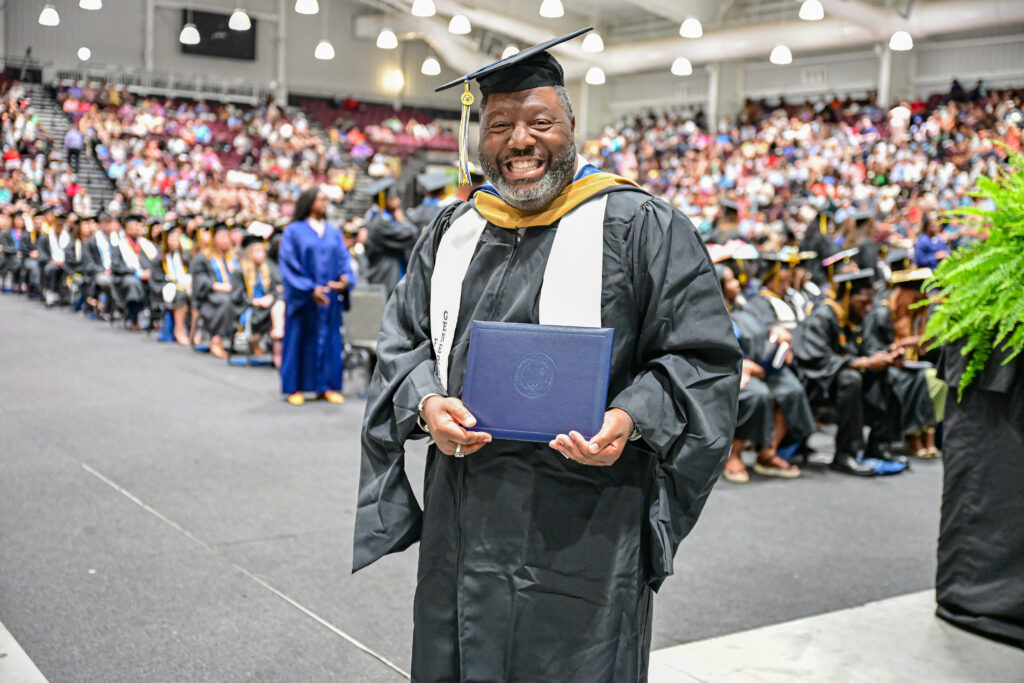
When Matthew Tiller walked across the stage at North Carolina Wesleyan University’s commencement in May 2025, he carried more than his own dreams. As a first-generation college student, he carried the hopes of his entire family.
“Being the first in my family to attend college means breaking a barrier and opening a door that was never there before, “Tiller shared. “It feels like I’ve paved a new way for my family, not just for myself.”
Tiler, who double-majored in English and Psychology, admitted that the journey was not easy. His family, though proud, did not know how to help navigate applications, deadlines, or financial aid. “Honestly, they didn’t really know how to support me, so college became a learning environment for both me and my family,” he said.
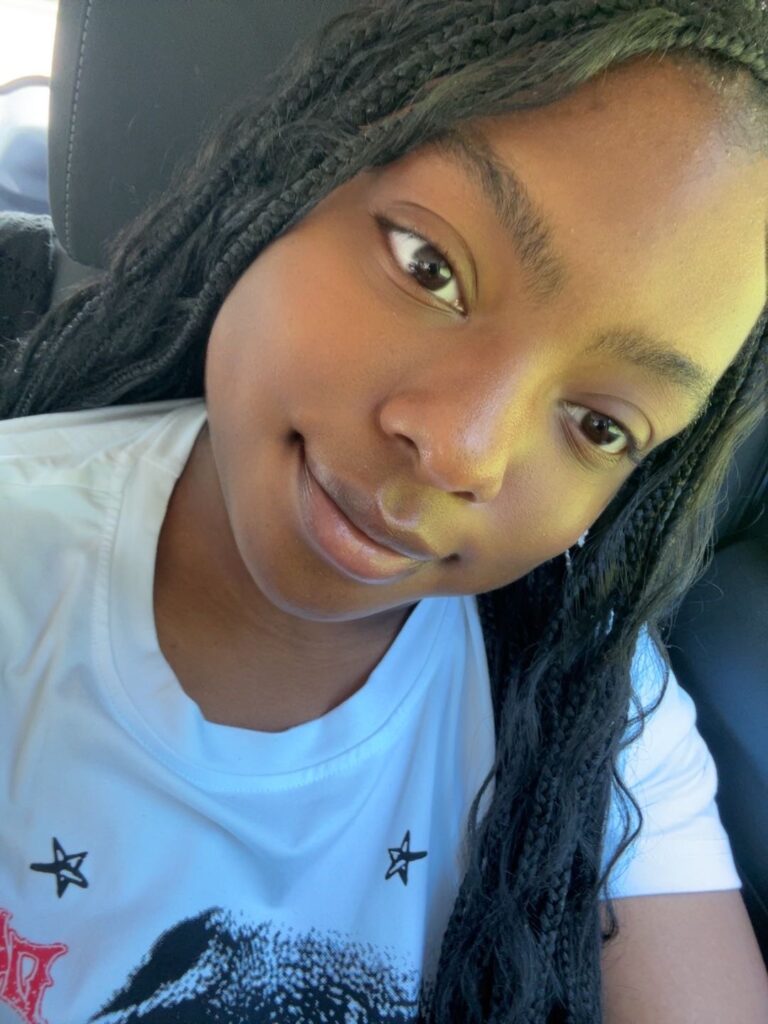
He isn’t alone. For fellow first-generation student Tamiya Rooks, a Biomedical Science major with a focus in Pre-Veterinary Medicine, the experience has also been about perseverance. “For me, being a first-generation college student means that I have managed to beat the odds,” Rooks said. “To my parents, it means that they did an amazing job with raising their children and get to see her grow more. Making them immensely proud.”
At Wesleyan, Tiller found mentors who guided him through. Professors in the English program offered academic and personal support, while supervisors in the Financial Aid office helped him grow into a leader. “Working there was more than a paycheck, it was mentorship,” he said. ‘I know I would not be the leader I am without their guidance.”
Rooks echoed that feeling of support. “Being the first in my family to go to college, I wanted a community that believed in my potential and would give me the resources to succeed, and Wesleyan offered that,” she said.
Faculty and staff play a vital role in this culture. Paige Wells, Director of the Campus Experience, knows the challenges first-generation students face because she lived them herself. “As someone who was a first-generation college student, I fully believe my personal experiences have uniquely equipped me to support students from similar backgrounds with greater empathy and intentionality,” she said. “To me, this work is more than just a job—it’s a personal mission.” Wells also notes that misconceptions about the financial side of college often discourage families. “It’s not because they don’t care—it’s simply a lack of information and familiarity with the process. That’s why it’s so important to create welcoming spaces where students and families feel safe asking questions and getting honest guidance.”
That sense of belonging doesn’t end with graduation. Wesley Mercer, now a Helpdesk Technician at NCWU, once stood where today’s first-generation students do. “I feel like a lot of people are overwhelmed or scared of the idea of going to college. When I first started as a student, the staff and faculty were much more helpful than I originally thought,” he reflected.
Today, Mercer is proud to be part of the institution that helped him succeed. “I am excited that I get to be a ‘piece of the pie’ that is Wesleyan. It is amazing to be on the other side of the institution that meant so much to me as a student. It is almost surreal to see things from the other side.”
For Mercer, the highlight of his journey remains graduation. “Knowing that I finally did it is still my proudest moment,” he said. “Even as a staff member, I always really enjoy getting to go to graduation and seeing students get their diplomas.”
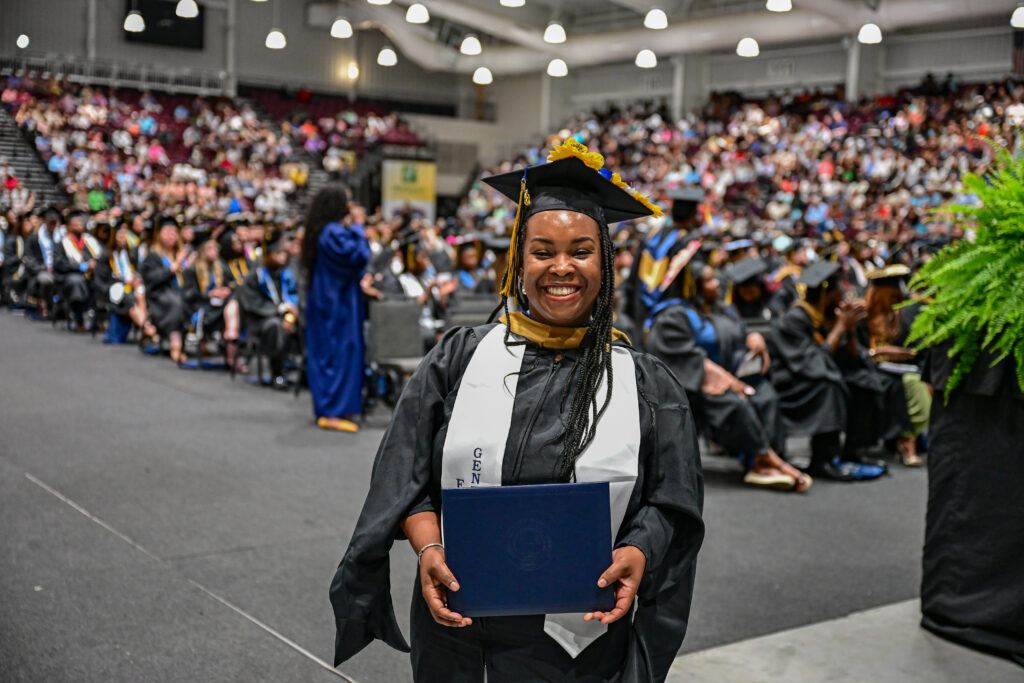
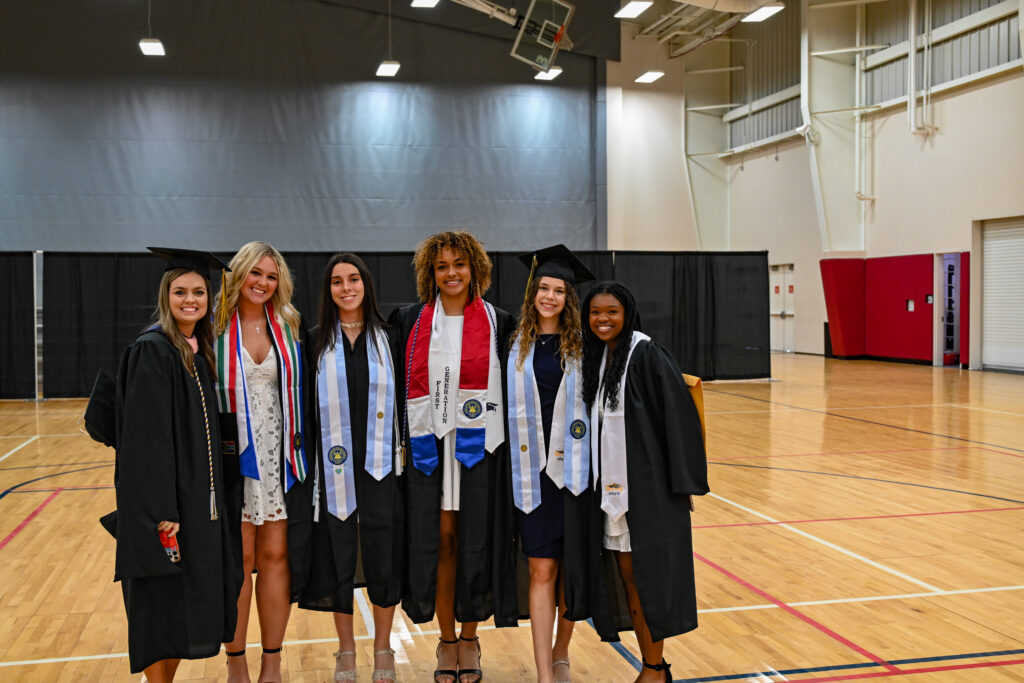
Both Tiller and Rooks admit the challenges were real. For Tiller, it meant forging ahead without a roadmap. For Rooks, it meant leaving home and stepping into the unknown. “Applying to college was the easy part really, but preparing for it was the most difficult,” she reflected. “It’s never easy to leave your home and family to go to a new place, even if it is for your benefit.”
Despite the obstacles, each points to proud milestones. Tiller cites leadership awards and internships. Rooks highlights completing her first year and joining the lacrosse team, something she had dreamed of for years. “I’ve made so many new friends who are really like family to me now, and that means so much,” she said.
Nearly 45% of Wesleyan’s student population are first-generation college students. Many faculty and staff were once first-generation themselves, making them uniquely able to mentor students like Tiller and Rooks. Wells notes that one of the biggest barriers is simply understanding the process. “One of the biggest misconceptions about college is the financial aspect, especially from the perspective of families who haven’t navigated the process before,” she said. “Many families don’t fully understand the true cost of attendance or know what questions to ask when comparing schools, which can unintentionally limit the options they consider. It’s not because they don’t care, it’s simply a lack of information and familiarity with the process. For any student, especially a first-generation student, the process can be overwhelming, and that’s why it’s so important to create welcoming spaces where students and their families feel comfortable and safe asking questions and getting honest, clear guidance.”
Looking ahead, Rooks hopes to become a veterinarian, serving her community by protecting and healing animals. “I want to show my family that dreams can be reached with dedication, and I hope to make them proud by turning my passion into a way to help others,” she said.
Supporting first-generation students is not just part of Wesleyan’s mission. It is woven into the fabric of who the university is. With nearly half its students blazing new trails, every diploma represents resilience, mentorship, and opportunity.
As Tiller puts it: “Take that leap! Do it! Be brave! The challenges are worth it, and you will always come out on top.”
