


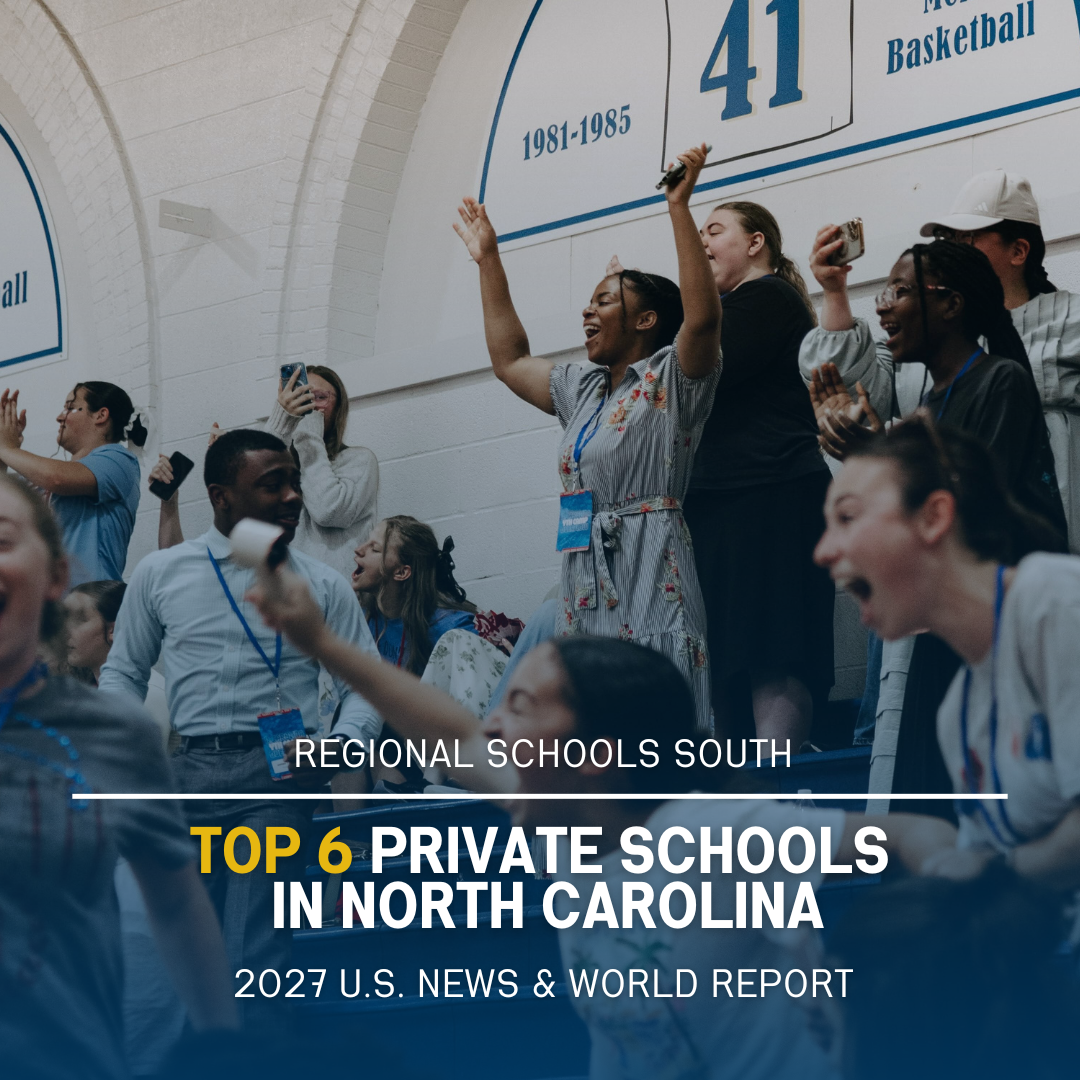
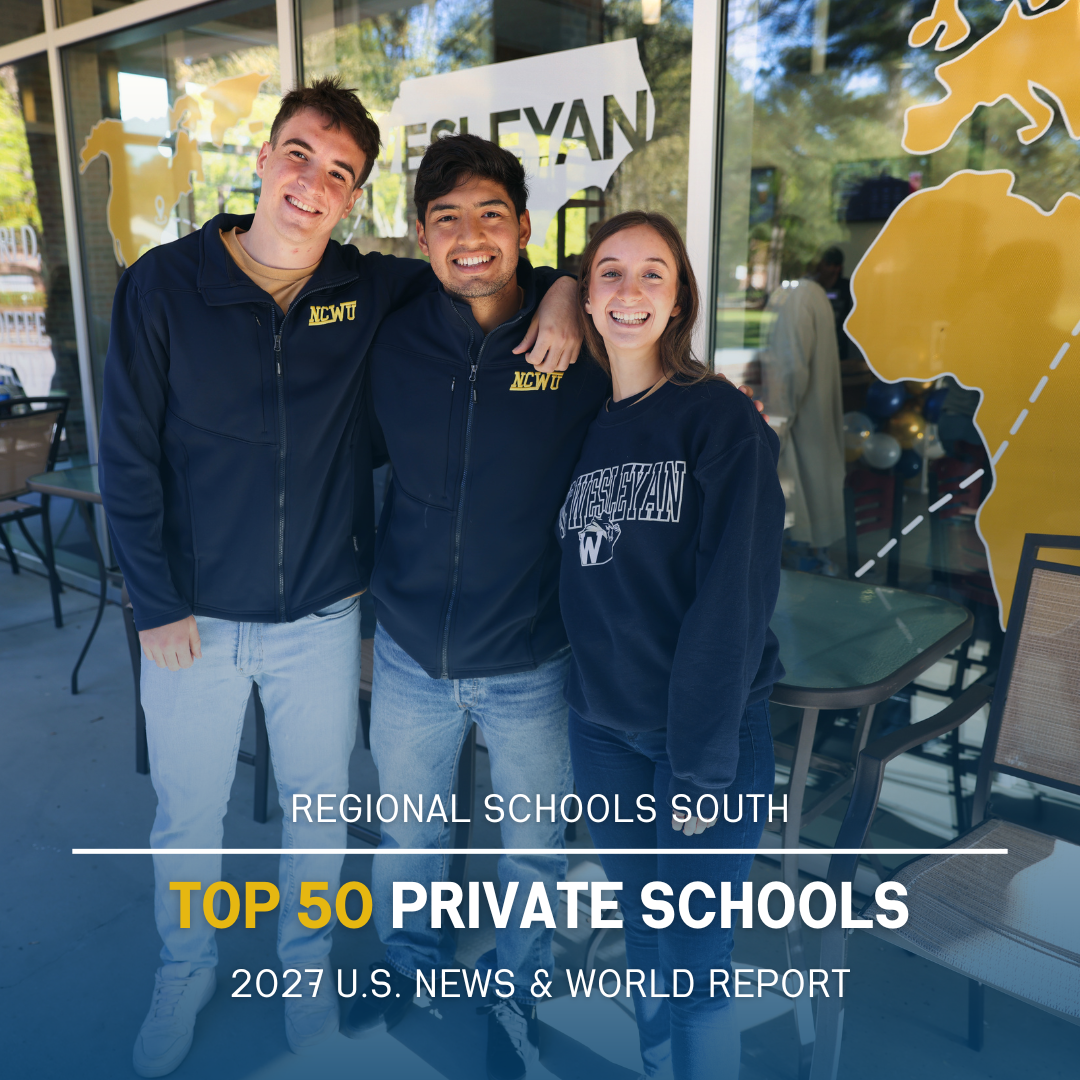
North Carolina Wesleyan University has earned a spot among the Top 50 private universities in the South in the latest U.S. News & World Report Best Colleges rankings, ranking No. 6 among private universities in North Carolina in the Regional Universities South category.
The recognition is especially significant as NC Wesleyan enters the Regional Universities South category for the first time. The University’s growing number of graduate programs moved NCWU into a larger and more competitive classification, where it is now evaluated alongside universities with broader graduate-level offerings.
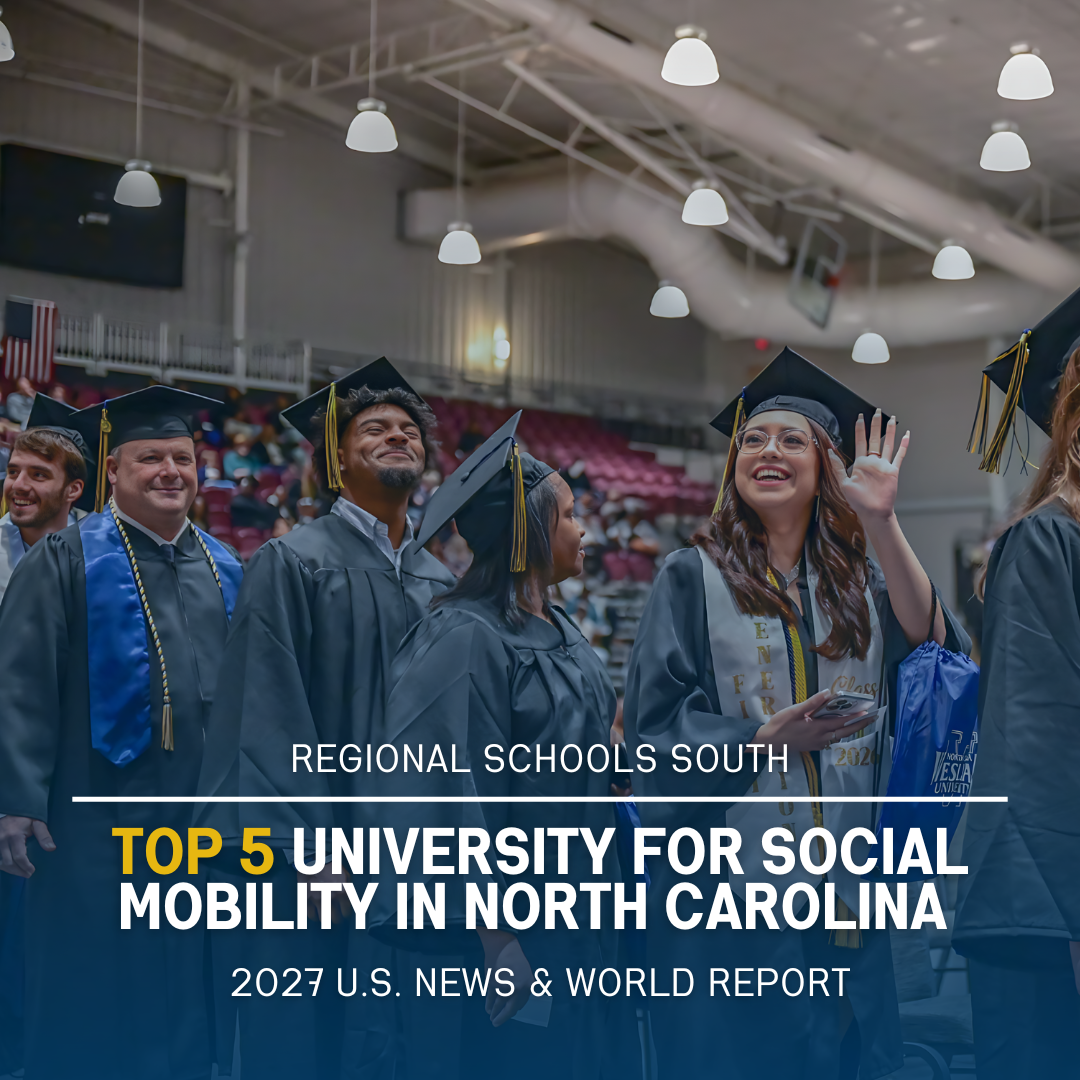
NC Wesleyan was also recognized as a Top 5 university in North Carolina for Social Mobility, reflecting the University’s impact in helping students from a wide range of backgrounds access and complete higher education.
“These rankings reflect the growth of North Carolina Wesleyan while affirming what has always been central to our mission, creating opportunities for students to achieve their goals,” said NCWU President Dr. Evan D. Duff. “We are proud to be recognized among the leading private universities in the South and especially proud of the impact our students and graduates continue to make.”
The latest recognition builds on NC Wesleyan’s continued momentum in academic growth, student outcomes and national recognition as the University approaches its 70th anniversary.
NC Wesleyan University to Add Women’s Flag Football Beginning Spring 2028
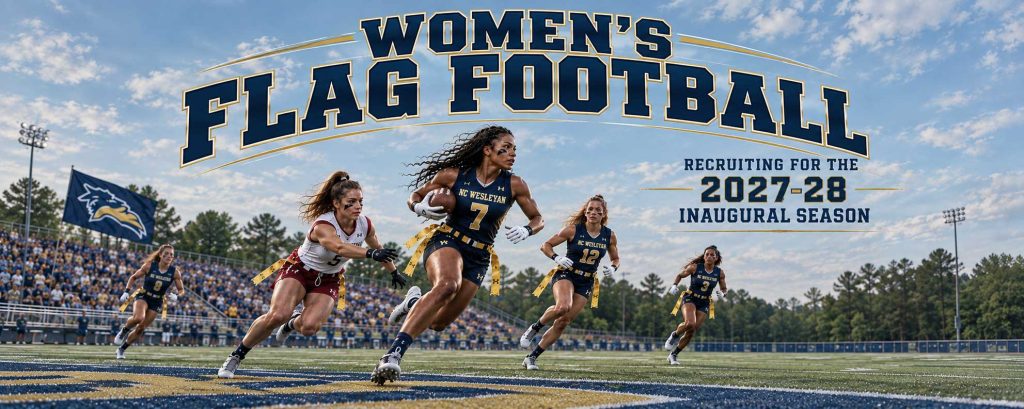
North Carolina Wesleyan University is expanding its athletic offerings with the addition of NCAA Women’s Flag Football, with the Battling Bishops set to begin competition in Spring 2028 as a member of the USA South Conference.
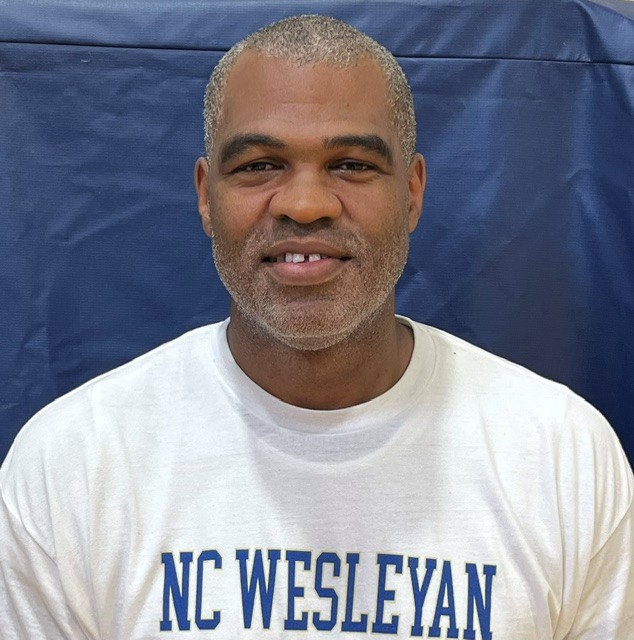
Kenny Inge has been named the inaugural coach of the Women’s Flag Football program. Wesleyan will begin recruiting student-athletes for the new program in Fall 2027, allowing the inaugural team to prepare for its first competitive season in Spring 2028.
“North Carolina Wesleyan is excited to announce that we will be starting a new athletic program, Women’s Flag Football, in Spring 2028,” said Wesleyan Director of Athletics John Thompson. “An emerging sport over the last several years, flag football is rapidly growing, and we believe the time is right to add to our sport offerings for women.”
Collegiate & National Growth
The addition of Women’s Flag Football at NC Wesleyan University comes as the sport continues to gain momentum at the collegiate and national levels. In January 2026, the NCAA officially added women’s flag football to its Emerging Sports for Women program. During the 2025-26 school year, 135 high schools across North Carolina had women’s flag football teams, reflecting the sport’s continued growth throughout the state.
As NC Wesleyan offers collegiate women’s flag football in eastern NC, they will join a growing group of North Carolina colleges and universities offering women’s flag football, including Meredith College, Guilford College, Wingate University, Barton College, Lees-McRae College, Catawba College and Lenoir-Rhyne University.
Within the USA South Conference, Meredith College is currently the only other member institution offering women’s flag football.
What’s Next?
“We are excited to bring this growing sport to North Carolina Wesleyan and to provide another opportunity for women student-athletes to compete at the collegiate level,” Thompson said. “We look forward to building a strong program and welcoming our inaugural student-athletes to Wesleyan.”
Recruiting for the inaugural Women’s Flag Football team will begin for student-athletes entering Wesleyan in Fall 2027. Additional information about recruiting opportunities and the program will be shared through Wesleyan Athletics.
For more information on the program, contact Coach John Thompson, Wesleyan Director of Athletics, at JThompson@ncwu.edu or call 252.985.5218.
@cuflag
@underthelights_triangle
@underthelightsflag
CIS 210 Students Bring Computer Hardware Concepts to Life
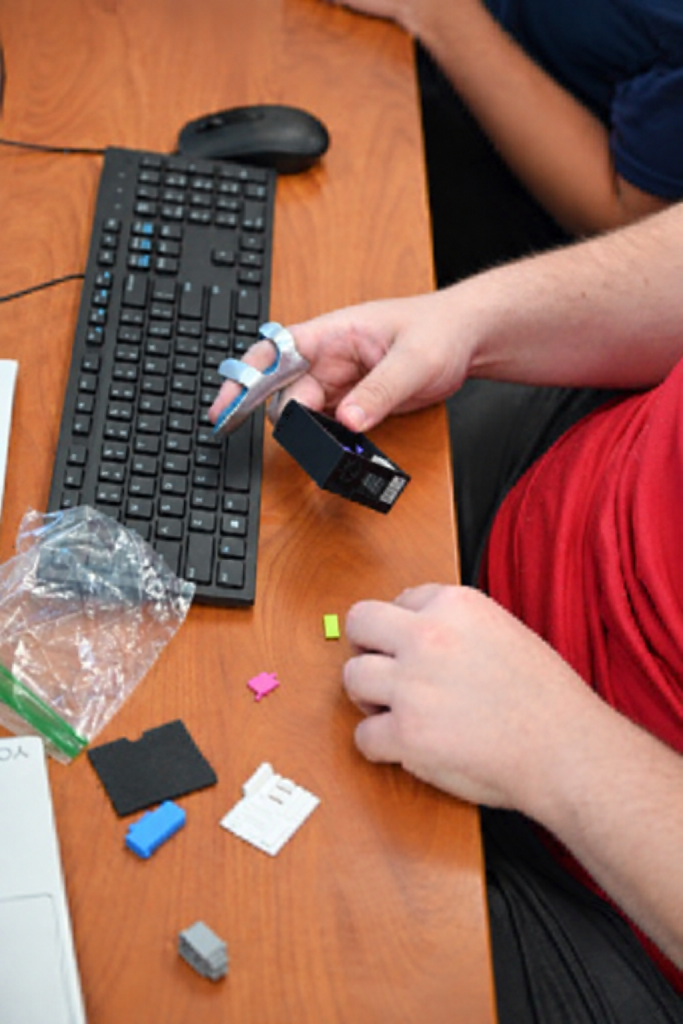
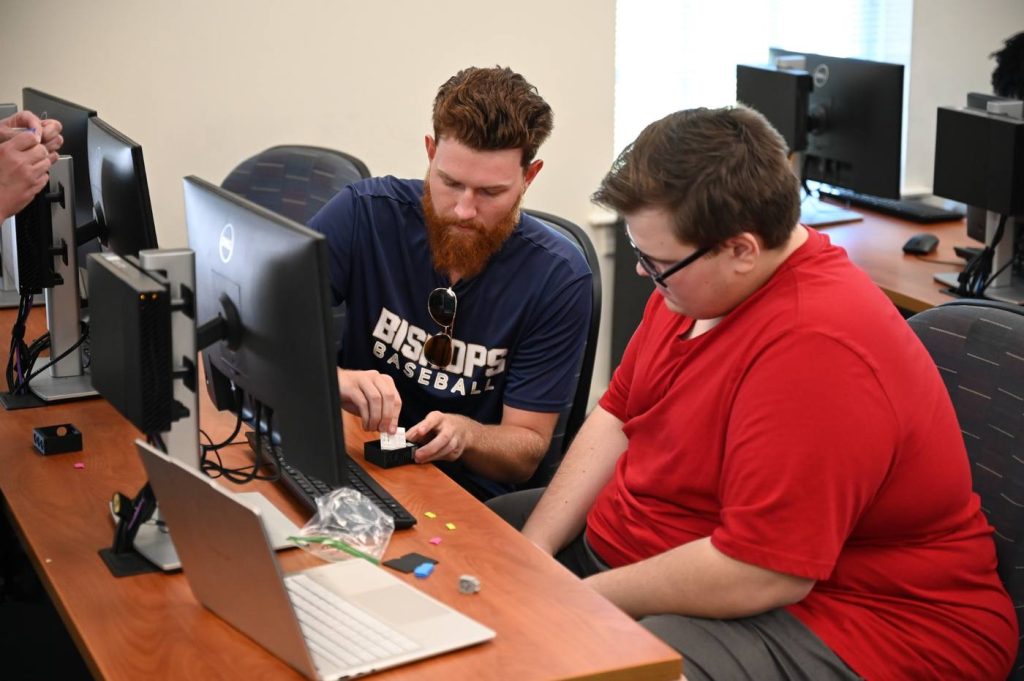
Students in NC Wesleyan University’s Computer Information Systems (CIS210) course recently took a hands-on approach to learning computer hardware by assembling miniature, 3D-printed desktop computer models.
The activity gave students the opportunity to move beyond diagrams and terminology and physically explore how major computer components—including the motherboard, memory, storage, graphics card, cooling system and power supply—fit together within a computer.
Designed as a low-risk introduction to computer assembly, the project allowed students to manipulate and assemble components without the complexities of working with full-size hardware. The hands-on experience supported tactile learning while encouraging curiosity, discussion and peer collaboration.
Beyond reinforcing technical concepts, the project helped students build confidence as they prepare to work with actual computer hardware. Students also received their miniature computers as keepsakes they can display, reassemble or use to share what they learned with friends and family.
The project is one example of how experiential learning in the classroom can make technical concepts more approachable, engaging and memorable.
NC Wesleyan Celebrates First Graduating Cohort of Applied Reproductive Biology Program with Strong Career Placement
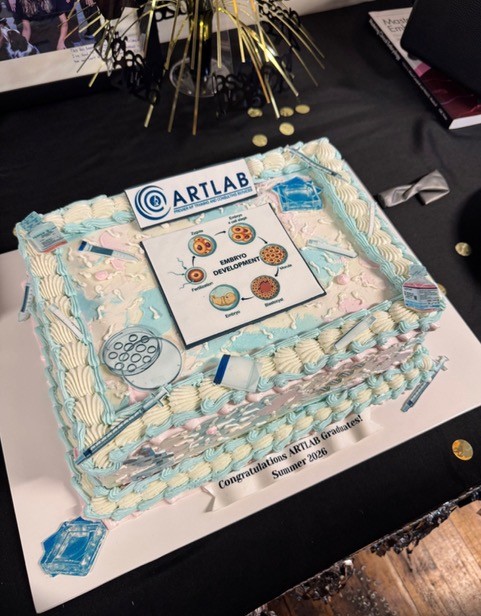
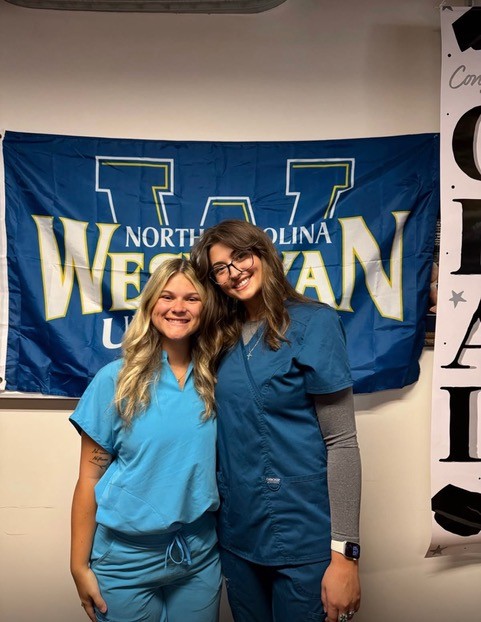
North Carolina Wesleyan University is celebrating a milestone in its growing academic offerings and its commitment to workforce development with the completion of its inaugural Applied Reproductive Biology Laboratory (ARTLAB) cohort.
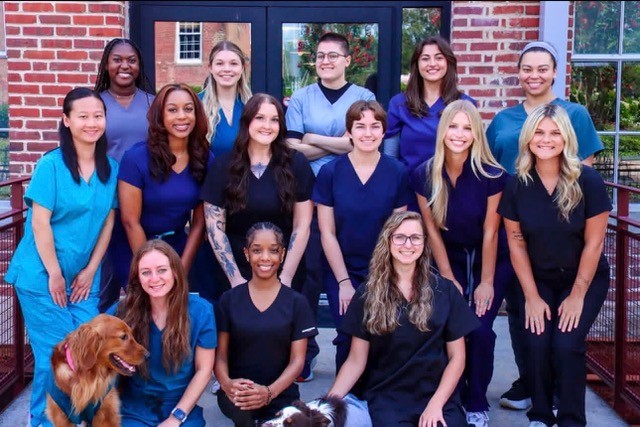
The first cohort of 11 students has completed NC Wesleyan’s Applied Reproductive Biology certificate program, designed to prepare students for careers in the rapidly growing field of assisted reproductive technology and in vitro fertilization (IVF) laboratory science.
And the results are already translating into careers.
Of the 11 students in the inaugural cohort, seven have confirmed job offers in the field, while the remaining four are currently in various stages of the interview process. Based on the progress of those students, the program projects 100% employment placement within the next month.
For NC Wesleyan, that early success represents more than the completion of a first class. It demonstrates the potential of ARTLAB to connect specialized education directly to workforce demand while creating new career opportunities for students and contributing to economic development in a growing industry.
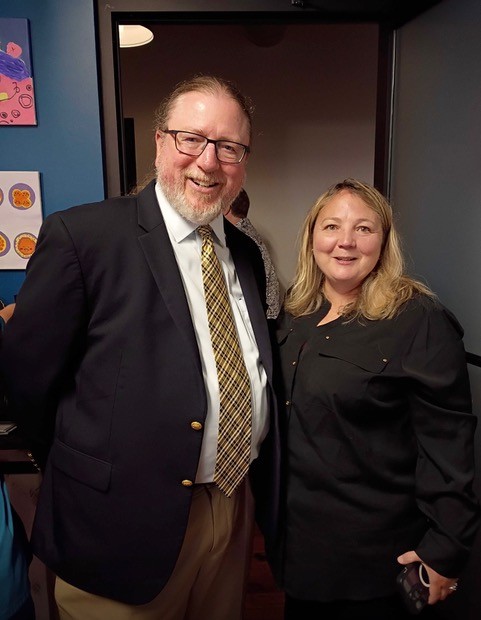
“This is the first class — the first of many — to complete the nation’s finest training for positions in IVF labs across the nation under the auspices of North Carolina Wesleyan,” said Dr. Joe Lane, Provost and Senior Vice President for Academic Affairs at NC Wesleyan University. “We look forward to working with Dr. Schenkman and her colleagues to continue growing this program and to launching new programs in related fields.”
The Applied Reproductive Biology certificate is an accelerated, specialized program that provides students with hands-on training and academic preparation aligned with the needs of assisted reproductive technology laboratories. Students are prepared to pursue opportunities within IVF laboratories and related reproductive science settings.
The program was developed under the leadership of Dr. Eva Schenkman and her colleagues, whose expertise has helped establish NC Wesleyan as an emerging destination for specialized training in reproductive biology.
The inaugural cohort’s career outcomes underscore the value of that industry-focused approach.
Building a Workforce for a Growing Industry
The demand for professionals trained in assisted reproductive technology continues to create opportunities for individuals interested in laboratory science and reproductive health. NC Wesleyan’s ARTLAB program is designed to help meet that demand by providing focused training for students seeking a pathway into this specialized field.
For the University, the program also represents a broader commitment to creating educational opportunities that have a direct impact beyond the classroom.
Students gain specialized skills. Employers gain access to trained talent. And communities benefit when graduates are able to transition into meaningful careers.
The inaugural cohort provides an early example of that workforce-development model in action.
With seven students already holding confirmed positions and the remaining four actively interviewing, the first ARTLAB cohort is poised to achieve a 100% placement rate shortly after completing the program.
Applications Open for 2027 Cohorts
With the success of its first cohort, NC Wesleyan is preparing to welcome the next group of students interested in entering the field of applied reproductive biology.
Applications are now being accepted for two 2027 cohorts:
- Spring 2027 Cohort: January 18 – March 26, 2027
- Summer 2027 Cohort: May 24 – July 30, 2027
The University encourages individuals interested in pursuing careers in IVF laboratory science and applied reproductive biology to learn more about the program and apply for an upcoming cohort.
The first cohort may have been the beginning, but NC Wesleyan sees it as just that, the beginning.
As the University continues to expand its offerings in applied reproductive biology and related fields, ARTLAB is positioned to become an important part of NC Wesleyan’s commitment to innovative education, career preparation and workforce development.
To learn more about NC Wesleyan’s Applied Reproductive Biology program or apply for an upcoming cohort, visit ncwu.edu.
NC Wesleyan and Rocky Mount Academy Establish Partnership to Expand Teacher Education Experiences
North Carolina Wesleyan University (NCWU) and Rocky Mount Academy (RMA) have entered into a new partnership that will provide NC Wesleyan teacher education students with expanded opportunities to gain hands-on experience in a private-school setting.
Through the agreement, NC Wesleyan students pursuing teacher education will have opportunities to participate in field placements, practicums and student teaching experiences at Rocky Mount Academy. Students may also engage in classroom observations, tutoring, mini-lessons and other educational activities alongside experienced educators.
The partnership represents a new dimension of experiential learning for NC Wesleyan’s Teacher Education Program. The university has previously established formal partnerships with traditional public-school systems and public charter schools, but this agreement marks an opportunity for teacher candidates to gain experience within a private-school environment.
“This MOU represents a creative and important partnership for both NC Wesleyan and Rocky Mount Academy that will allow our candidates for teacher education to gain valuable experience in the RMA classrooms and activities while strengthening our relationship to RMA,” said Dr. Joe Lane, Provost and Senior Vice President for Academic Affairs at NC Wesleyan University. “We look forward to strengthening these institutional connections as well as the many opportunities for our students to gain valuable experiences with RMA students and classes.”
Accreditation Specific
The agreement also provides NC Wesleyan students with the opportunity to learn from fully licensed teachers while experiencing the distinct instructional environment of a private school.
“While our program accreditation with the North Carolina State Board of Education and our national accreditation agency, AAQEP, both require official agreements with school systems and schools for pre-service teachers to gain experience, this one is different,” said Dr. Kelvin Spragley, Director of Teacher Education and Chief Diversity Officer at NC Wesleyan University.
“This agreement is with a private school, which provides a great opportunity since we do have graduates who will decide to teach at private, and not public, institutions upon graduation.”
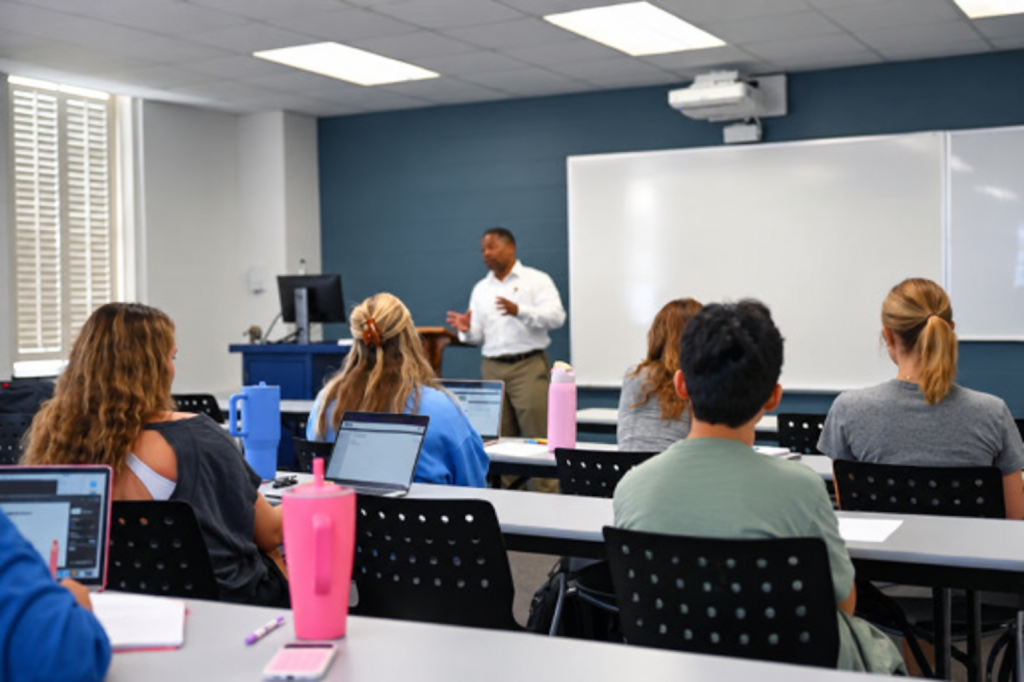
Under the agreement, NC Wesleyan teacher education students will be able to complete placement activities at Rocky Mount Academy while gaining experience through activities such as tutoring students, observing teachers and teaching mini-lessons. The agreement also establishes expectations for cooperating teachers, student teachers and college supervisors throughout the placement experience.
Meet Lily Taylor
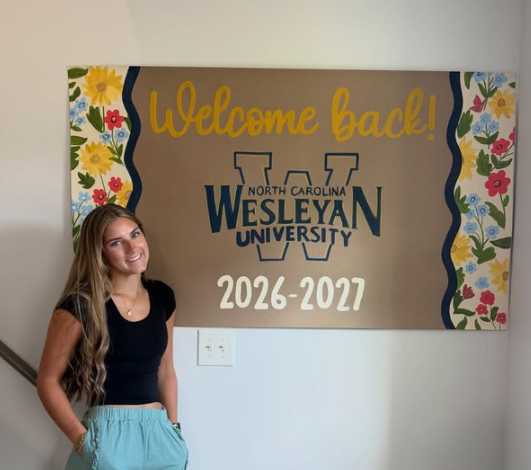
Lily Taylor, NCWU rising junior, is a Special Education major who is currently taking prerequisite Teacher Education courses prior to formally applying for entry into the program. She will be the first to participate in this opportunity.
April Whitehead, Director of Exceptional Children at RMA, shares “Rocky Mount Academy is excited to partner with North Carolina Wesleyan University to help enhance the educational experiences of future educators. We are thrilled to welcome Lily to RMA and provide her with the opportunity to apply the knowledge and skills she has gained through her coursework in a real classroom setting.
We are excited to watch Lily grow as an educator, build meaningful relationships with our students, and gain valuable hands-on experience. We are honored to have Lily learn alongside some of the best educators in the business and become part of the RMA community. We look forward to supporting her as she continues to develop the skills, confidence, and passion needed to make a difference in the lives of her future students.”
Program Distinction
For NC Wesleyan, the partnership adds another important perspective to the preparation of future educators.
“During my five-year stint at NC Wesleyan, we have only partnered with traditional public-school systems and public charter schools,” Spragley said. “This MOU provides an opportunity for our Teacher Education students to gain valuable experience in a high-quality private school. As a result, our students will be able to concretely compare and contrast their respective experiences between a traditional public, public charter and private school. To say I am excited is an understatement.”
The partnership reflects a shared commitment to connecting future educators with authentic classroom experiences while building stronger relationships between NC Wesleyan and the Rocky Mount community.
For NC Wesleyan students, the experience will offer an opportunity to broaden their understanding of the educational landscape and explore the different environments in which they may ultimately build their teaching careers.
NCWU Esports Joins $500,000 Scholarship Initiative at Game and Geek Expo
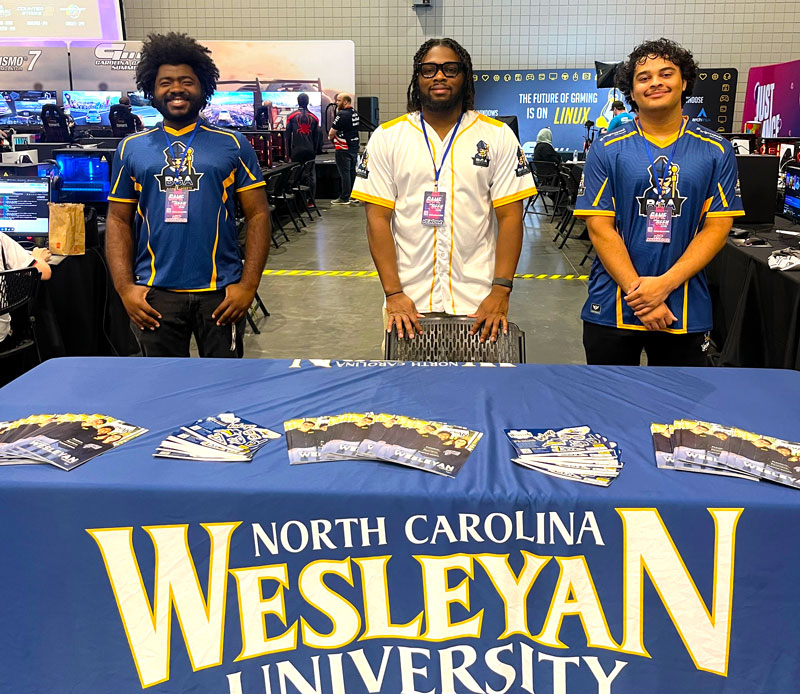
North Carolina Wesleyan University Esports is proud to announce its participation in a major scholarship initiative at the 2026 Game and Geek Expo in Raleigh, North Carolina. In partnership with Carolina Games Summit, Barton College, Louisburg College, and USC Upstate, more than $500,000 in esports scholarship opportunities were available to competitors across multiple tournaments.
The Game and Geek Expo, held September 5–6 at the Raleigh Convention Center, brought together gamers, families, colleges, industry professionals, and members of the gaming community for a weekend centered around competition, education, and opportunity.
Competitors participated in tournaments featuring titles including Counter-Strike 2, Super Smash Bros. Ultimate, Mario Kart, Forza 6, and Gran Turismo 7, creating an opportunity for talented players to showcase their skills while learning more about collegiate esports programs and scholarship opportunities.
NCWU Esports Delivers Strong Competitive Performances
North Carolina Wesleyan University Esports had a strong showing across multiple competitions throughout the weekend.
Lamont Taylor (SoulkingLJ) delivered an impressive performance in Super Smash Bros. Ultimate, placing 17th out of 74 competitors in Singles. Taylor also competed in Doubles, earning a 5th-place finish out of 14 teams.
Anthony Conner and Shafiq Nuijts also represented NCWU Esports in the Super Smash Bros. Ultimate Singles competition, with each finishing 49th in the 74-player bracket.
Nuijts expanded NCWU’s presence beyond Super Smash Bros. Ultimate by competing in the Mario Kart 8 Deluxe Singles Finals, where he secured an impressive 8th-place finish out of 60 competitors.
These results highlight the continued growth and competitive presence of NCWU Esports across multiple titles and demonstrate the dedication of Wesleyan’s student competitors on a regional stage.
Brightspeed Support Helps NCWU Esports Travel and Compete
The continued support of Brightspeed has played an important role in giving North Carolina Wesleyan University Esports student-athletes the opportunity to travel beyond campus and represent the University at major esports competitions.
Through Brightspeed’s investment in NCWU Esports, the program has been able to help cover important travel expenses, including transportation, lodging, and meals. This support allows NCWU competitors to focus on performing at their best while gaining valuable experience competing against players from other colleges and communities.

Brightspeed’s support has already helped NCWU Esports travel to competitions on larger stages, including previous events in Texas and South Carolina. That continued investment helps make opportunities such as the Game and Geek Expo possible for NCWU students and strengthens the program’s ability to compete throughout the region and beyond.
The partnership extends beyond travel. Brightspeed’s support has contributed to scholarships, equipment upgrades, esports program travel, technology, and expanded competitive opportunities. These resources help NCWU Esports provide students with experiences that connect competition with teamwork, leadership, broadcasting, content creation, technology, and career development.
For North Carolina Wesleyan University Esports, participating in the Game and Geek Expo represents more than competition. It reflects the program’s continued commitment to creating pathways for students who want to turn their passion for gaming, esports, technology, content creation, and digital media into meaningful educational and career opportunities.
Chantoni Grant, NCWU Director of Esports, shares, “North Carolina Wesleyan University Esports is focused on showing students that esports can be much bigger than just playing video games. It can create opportunities for education, leadership, content creation, broadcasting, technology, and future careers. Being part of an event offering more than $500,000 in scholarship opportunities allows us to connect directly with students and families and show them what is possible through collegiate esports.”
The 2026 event also marked the first year that representatives from all four participating colleges were present on the show floor, allowing prospective students and their families to speak directly with college representatives while experiencing the tournaments and activities throughout the weekend.
The partnership aligns with North Carolina Wesleyan University’s commitment to hands-on learning and providing students with practical experiences that prepare them for life beyond the classroom. NCWU Esports continues to build opportunities that connect gaming with education, professional development, leadership, media, technology, and community engagement.
About North Carolina Wesleyan University Esports
North Carolina Wesleyan University Esports provides students with opportunities to compete, create, lead, and develop professional skills through the rapidly growing esports industry. The program uses gaming as a platform for experiential learning while creating opportunities in competition, broadcasting, content creation, event production, technology, leadership, and community engagement.
Through partnerships, tournaments, scholarships, and educational initiatives, NCWU Esports is working to establish North Carolina Wesleyan University as a destination for students who want to pursue their passion for gaming while earning a college education.
About Brightspeed
Headquartered in Charlotte, N.C. and with assets and associated operations in 20 states, Brightspeed provides broadband and telecommunications services through a network platform capable of serving more than 7.3 million homes and businesses. Our 4,000 employees are committed to building a future where more communities benefit from a more connected life, deploying a state-of-the-art fiber network and a customer experience that makes being connected as simple as it should be. For more information, please visit www.brightspeed.com
NC Wesleyan Mourns the Passing of Longtime Trustee and Champion Marion Barnes
North Carolina Wesleyan University mourns the passing of Francis “Marion” Barnes, a longtime member of the University’s Board of Trustees, generous benefactor and devoted champion of Wesleyan and its students. Barnes passed away September 2, 2026, at the age of 81.
For Marion Barnes, Wesleyan was more than an institution he served, it was part of his family’s legacy. His father, Guy E. Barnes, was one of Wesleyan’s founders, and Marion carried that connection forward through decades of service, leadership and generosity to the University.
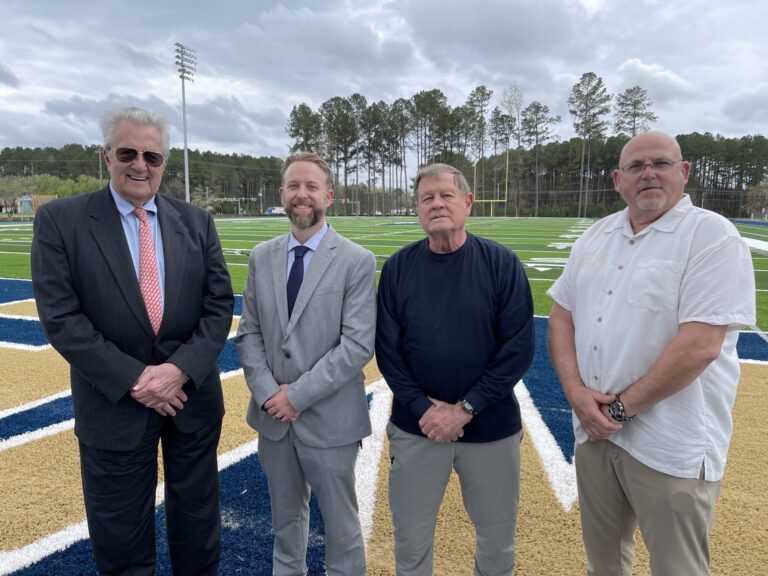
Barnes served on the NC Wesleyan Board of Trustees from 2012–2020 and again from 2023 until his passing in 2026. During his years of service, he served on numerous committees, including Athletics, Building & Grounds, the Executive Committee, Committee on Trustees, Development, Investment and Finance. He chaired the Investment Committee from 2019–2022, the Committee on Trustees from 2023–2025 and the Athletics Committee from 2025–2026.
“Marion Barnes understood that Wesleyan is a special place because of the people who believe in it and the students whose lives are changed here,” said Dr. Evan D. Duff, President of North Carolina Wesleyan University. “He carried a deep sense of responsibility for the University that came from his family’s history, but his commitment to Wesleyan was uniquely his own. He gave his time, his leadership, his resources and, most importantly, his heart to this University. We are deeply grateful for his service and friendship, and we will miss his presence on our campus and in our Wesleyan family.”
Barnes’ Passion
Barnes’ commitment to NC Wesleyan was especially visible through his support of athletics. A lifelong football enthusiast, he attended most home football games and took great pride in Wesleyan’s student-athletes. His leadership and fundraising efforts helped generate more than $2 million toward the University’s stadium expansion. His obituary notes that his efforts were instrumental in advancing the stadium project.
In recognition of his longstanding commitment to Wesleyan, the University has designated the future Marion Barnes Press Box, which will be part of Phase II of the stadium project once the project is fully funded and constructed. The naming recognizes Barnes’ many contributions to the University, including his years of dedicated service, personal contributions to the University, personal support of the stadium fundraising effort, leadership in raising more than $2 million toward the stadium project, and the longstanding Barnes family legacy at NC Wesleyan and throughout the Rocky Mount community.
Barnes’ generosity extended beyond athletics. In December 2025, he was the lead donor supporting Wesleyan’s “Angel Scholarships,” which provided financial assistance to working adult students during the Christmas season. The gift reflected his belief in removing barriers for students and helping them pursue their education and build a better future.
“He cared deeply about our students and understood that an investment in Wesleyan is an investment in the future,” Duff said. “Whether he was working to strengthen our athletics programs, helping advance a major campus project, supporting a working adult who needed a little extra help, or simply sitting in the stands cheering for our Battling Bishops, Marion was always showing up for Wesleyan.”
Barnes’ Legacy
Barnes’ connection to Wesleyan was part of a much larger legacy of service to the Rocky Mount community. His father, Guy E. Barnes, was among the University’s founders, and Marion continued the family’s commitment to the institution throughout his life. He was also a successful businessman, athlete, philanthropist and mentor whose influence extended throughout the region and beyond. His obituary notes his leadership in business, his football career at UNC-Chapel Hill, his military service and his extensive philanthropic contributions to education, athletics and health care.
At NC Wesleyan, however, his legacy will be remembered most personally through the students, student-athletes, colleagues and friends who experienced his generosity and enthusiasm firsthand.
From the Board room to the football stands, Barnes was a familiar and steadfast presence. He believed in Wesleyan’s mission, cared about its students and worked to help secure its future.
The future Marion Barnes Press Box will provide a lasting physical reminder of that commitment. His greater legacy, however, will live in the people he supported and in the University he worked so diligently to strengthen.
“Marion believed in Wesleyan’s future,” Duff said. “He wanted to see this University thrive, and he wanted our students to have every opportunity to succeed. We are honored to carry forward the legacy he helped build, and we are grateful that generations of Wesleyans will know his name and the difference he made.”
North Carolina Wesleyan University extends its deepest condolences to Barnes’ wife, Kate, his family and friends, and the many members of the Wesleyan and Rocky Mount communities who knew and loved him.
His legacy will remain an enduring part of NC Wesleyan.
NC Wesleyan Correctional Institutions Class Welcomes Guest Speaker from Nash Correctional Institution
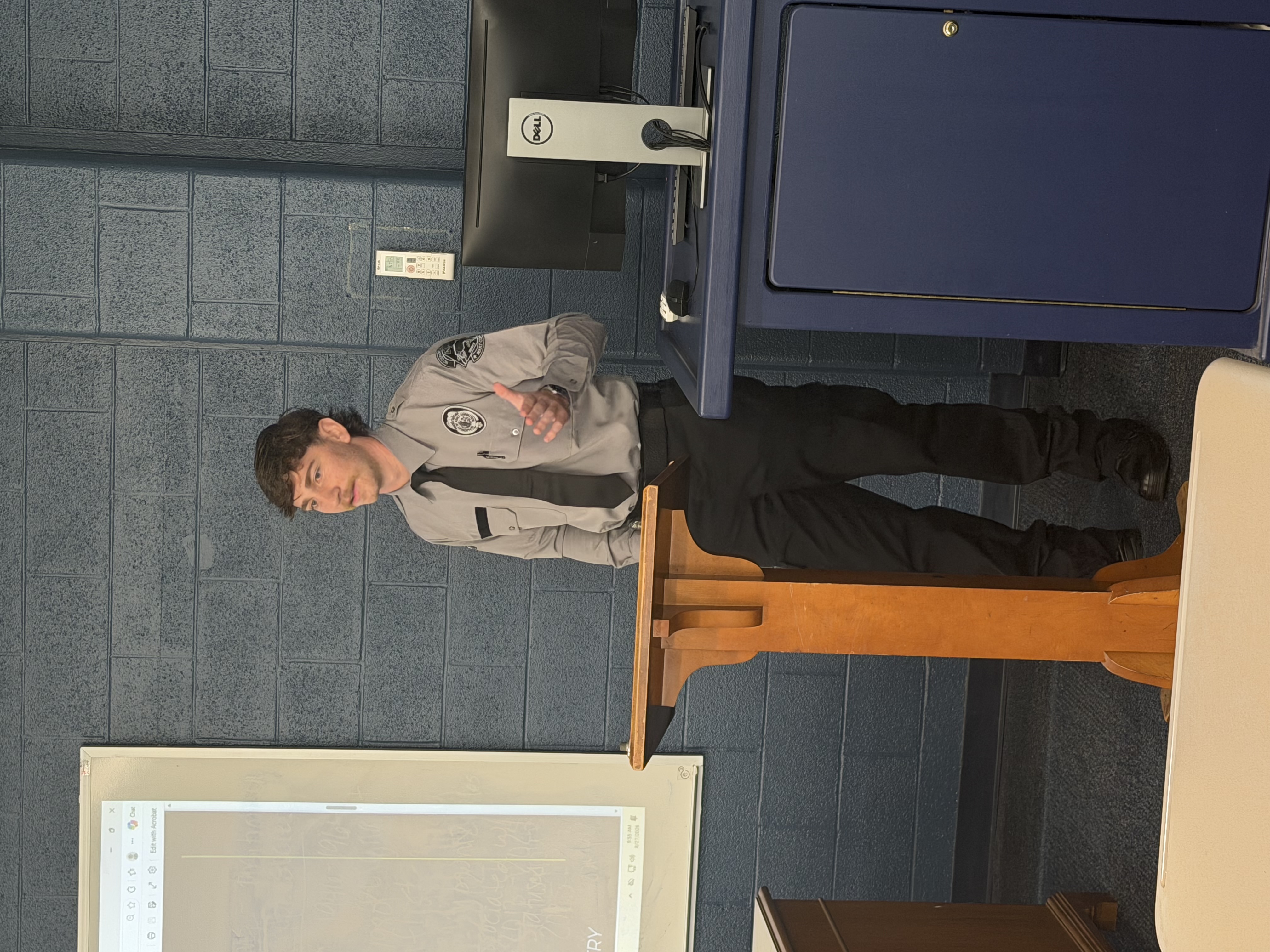
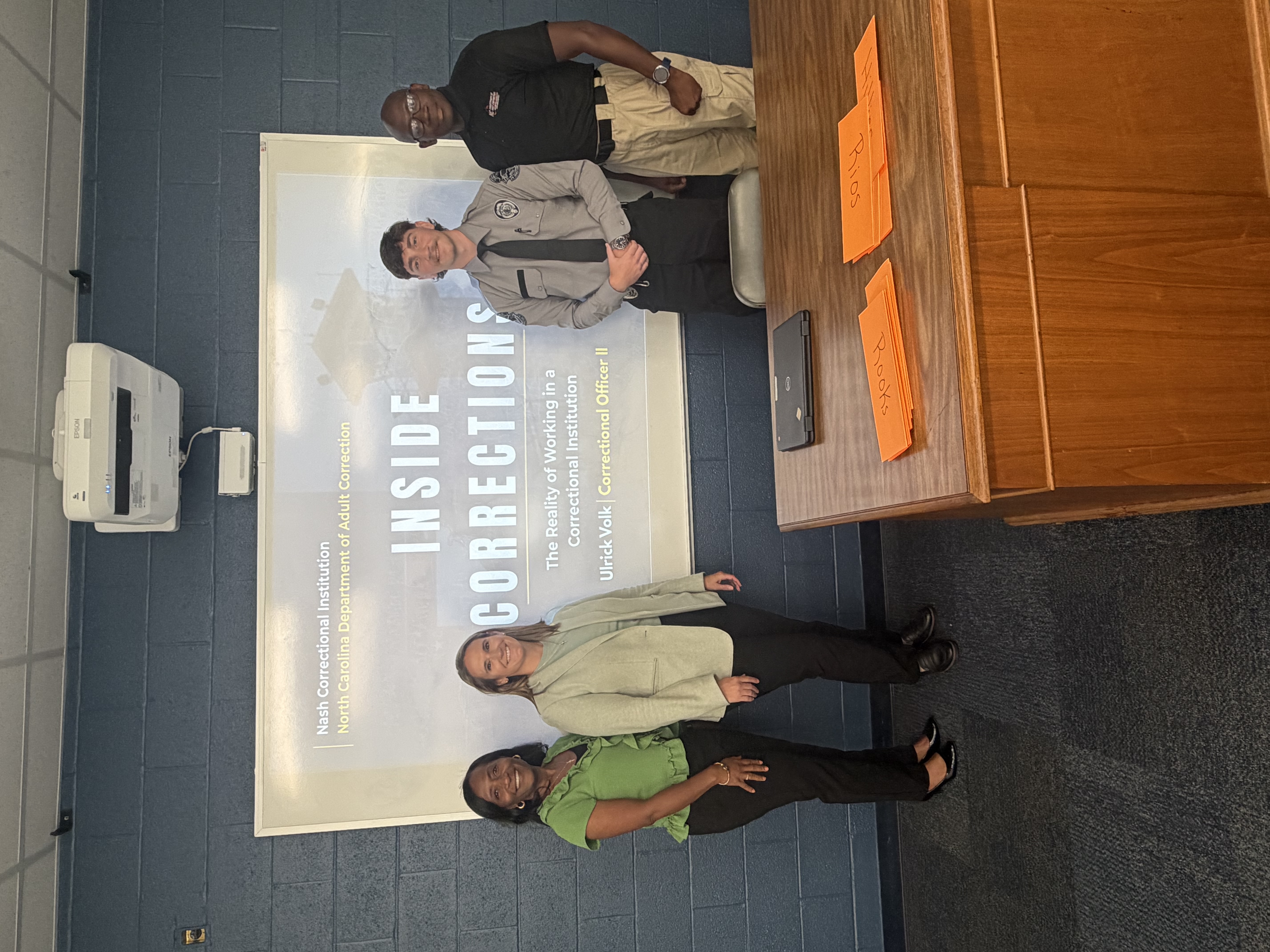
Students in North Carolina Wesleyan University’s Correctional Institutions class received an inside look at the realities of working in corrections when current NCWU psychology student and newly appointed Correctional Officer Ulrick Volk visited the class as a guest speaker.
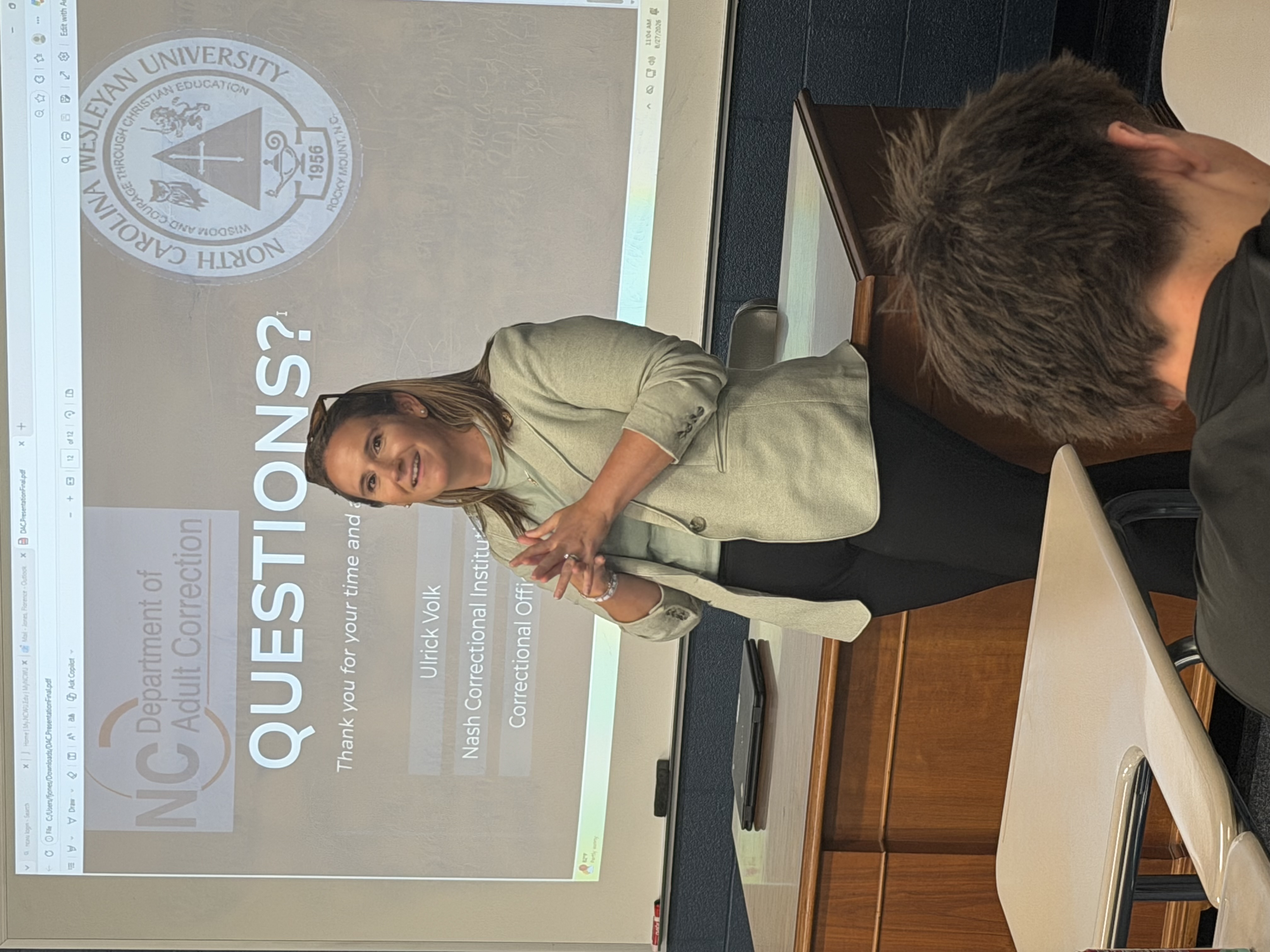
Officer Volk, a former student of Professor Florence R. Jones, shared his experiences transitioning from college student to correctional officer at Nash Correctional Institution. He was escorted by Warden Talena Lee, who also spoke with students about careers, professional advancement, and opportunities within corrections.
Dressed in his professionally pressed correctional officer uniform, Officer Volk presented “Inside Corrections: The Reality of Working in a Correctional Institution.” His presentation covered a variety of topics, including why he chose corrections, his expectations versus the realities of the profession, the role and responsibilities of a correctional officer, direct supervision, de-escalation, prevention and response, contraband prevention, and lessons he has learned since entering the field.
About Officer Volk
Officer Volk’s journey into corrections began in April 2026, near the end of the Spring semester, when he contacted Professor Jones to express his interest in pursuing a career in corrections. Recognizing his potential and commitment, Professor Jones contacted Warden Lee, who assisted in supporting his transition into the profession.
Officer Volk went on to attend Correctional Officer Basic Training, where he distinguished himself among his peers. He graduated at the top of his class in firearms training, placed second on the final examination, and was selected to serve as the class speaker at graduation.
His presentation generated considerable interest and discussion among the students. Class members asked thoughtful questions about his fears and experiences, daily job responsibilities, balancing college with full-time employment, safety, and the challenges of working in a correctional environment. His professional and candid responses provided students with a realistic perspective on the profession and sparked interest in corrections as a potential career path for several students.
Warden Lee also engaged with the class, sharing her own experiences in corrections, discussing career advancement and promotional opportunities, and providing students with additional information about Nash Correctional Institution. Students eagerly took advantage of the opportunity to ask questions and learn from her extensive experience as a correctional leader.
Mr. Lance Woodard also accompanied Officer Volk and Warden Lee. Warden Lee introduced him and provided students with additional insight into his background and experience in corrections, as well as his professional access and connection to Nash Correctional Institution.
Criminal Justice at NCWU
The visit provided students with an invaluable opportunity to connect classroom instruction with real-world correctional experiences. Rather than simply learning about corrections from a textbook, students were able to hear directly from professionals working within the field and gain a better understanding of the responsibilities, challenges, opportunities, and rewards associated with a career in corrections.
On behalf of Dr. Gail Marsal, Associate Professor and Program Coordinator for Criminal Justice; Professor Florence R. Jones; and North Carolina Wesleyan University, we extend our sincere appreciation to Officer Ulrick Volk, Warden Talena Lee, and Mr. Lance Woodard for taking the time to visit the Correctional Institutions class and share their knowledge, experiences, and professional insight with our students.
Their willingness to invest in the next generation of criminal justice professionals made this an educational and memorable experience for the class.
NC Wesleyan Launches Community Days to Give Students Time to Connect, Recharge and Grow
What happens when a university clears the academic calendar for a day and asks students to step away from their usual routines? At North Carolina Wesleyan University, the answer is Community Day.
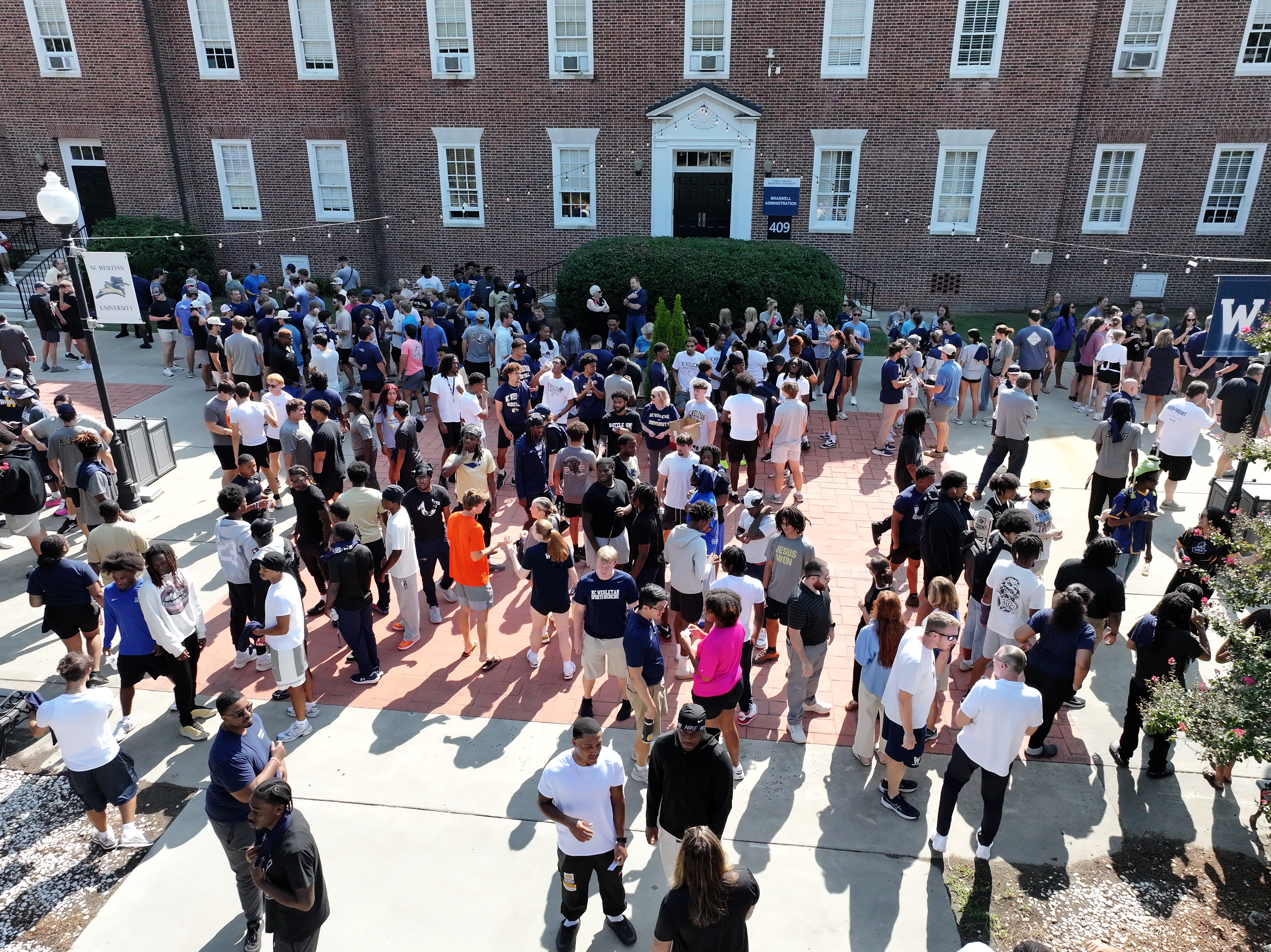
NCWU recently hosted its first Community Day of the academic year, giving students a break from classes and athletic practices while providing opportunities to connect with professors, explore career opportunities, participate in campus activities and take care of the “Bishop Business” that can be difficult to fit into a busy college schedule.
The university will host three Community Days during the fall semester and six throughout the academic year. While classes and practices are paused during the day, students are required to participate in one of numerous activities designed to promote connection, personal growth and engagement.
What is Community Day?
“Community Day is intentional time for our students to step away from the demands of their normal schedules and invest in themselves and their Wesleyan community,” said Dr. Joe Lane, Provost and Senior Vice President for Academic Affairs. “We want students to have the opportunity to connect with a professor, explore a career path, meet a mentor, try something new or simply take a breath. All of those experiences are important to a student’s success.”
The inaugural Community Day offered approximately 15 activities across campus, ranging from professional development and academic support to recreation and campus traditions.
Students could meet one-on-one with professors and Student Support staff, attend an intern and job fair hosted with STEP, connect with local professionals through the Bishop Mentoring Alliance, or participate in the Community Day Chapel Service. Other activities included a campus CommUNITY Walk, brunch at the Blue & Gold Café, a billiards tournament, disc golf tournament, Gateway Getaway featuring games and crafts, and a Bishop Gaming Association Game Day with mini esports competitions.
The day also provided student-athletes with an opportunity to participate in campus activities that can sometimes conflict with athletic schedules.
Wes Quest
Beyond creating a day of connection and engagement, Community Day is tied to WesQuest, NCWU’s co-curricular development initiative. Students earn points through the Suitable App by participating in activities, allowing them to track experiences and learning outcomes throughout their college careers.
WesQuest is designed to help students intentionally build the skills employers seek and document their development outside the classroom. Beginning with their freshman year, students can build a co-curricular record that showcases the experiences, competencies and connections they develop at Wesleyan.
“College is about more than what happens in a classroom,” Lane said. “Community Day gives us another way to make sure our students are taking advantage of the people, programs and opportunities around them while building experiences that will serve them well after graduation.”
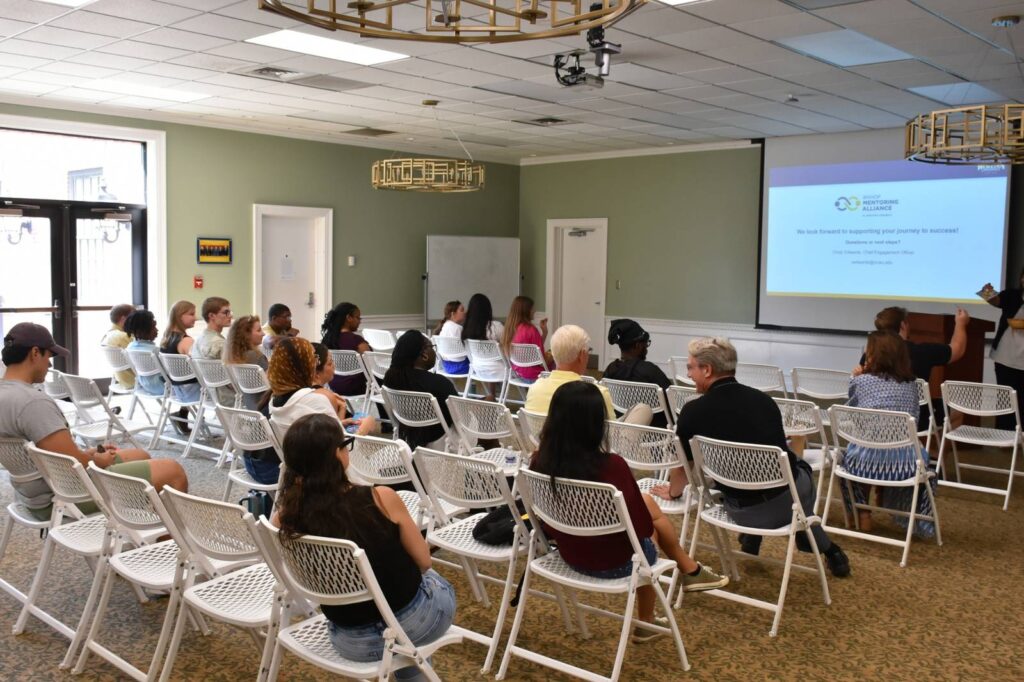
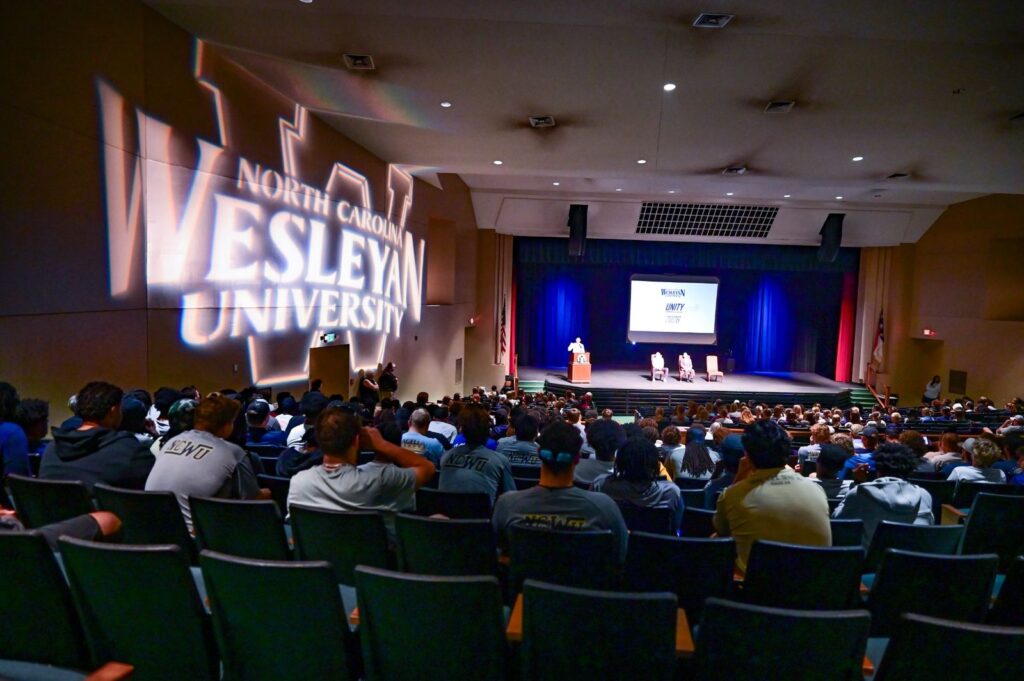
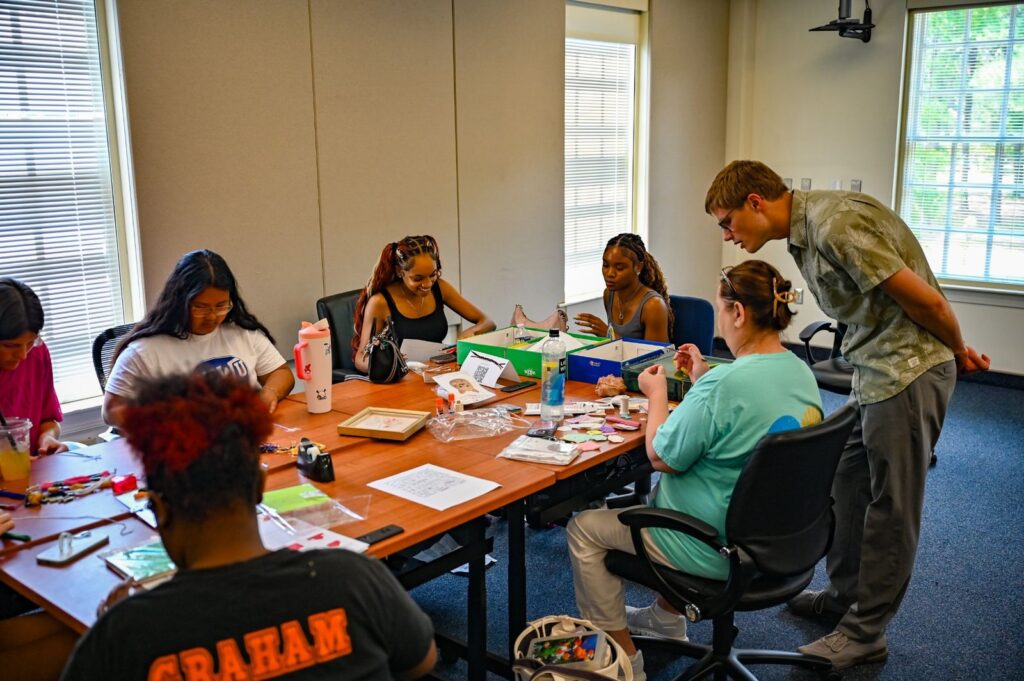
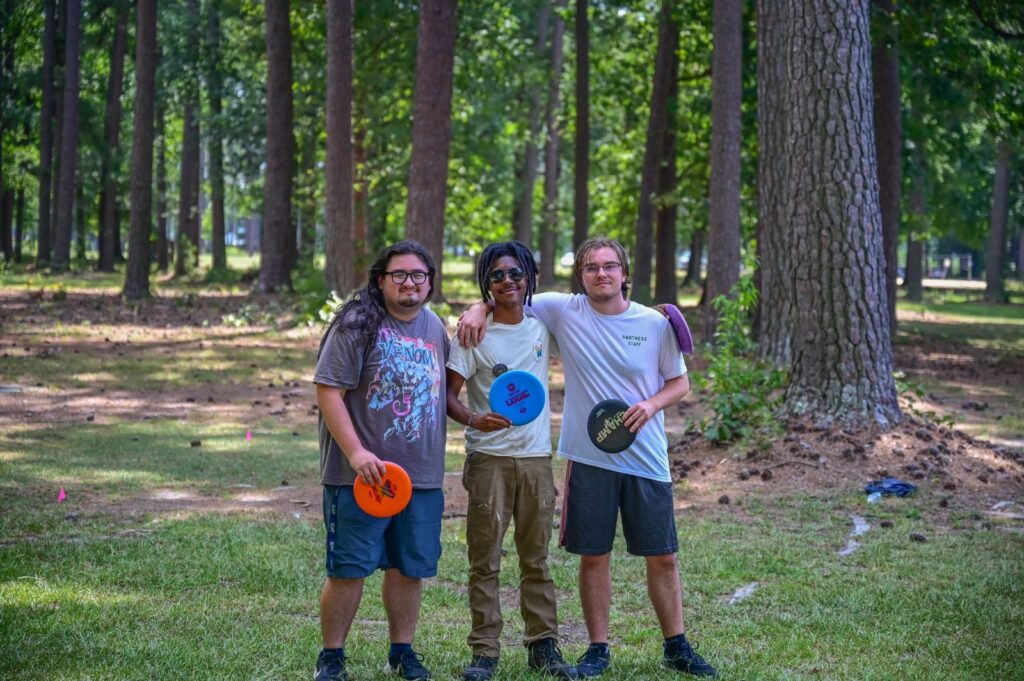
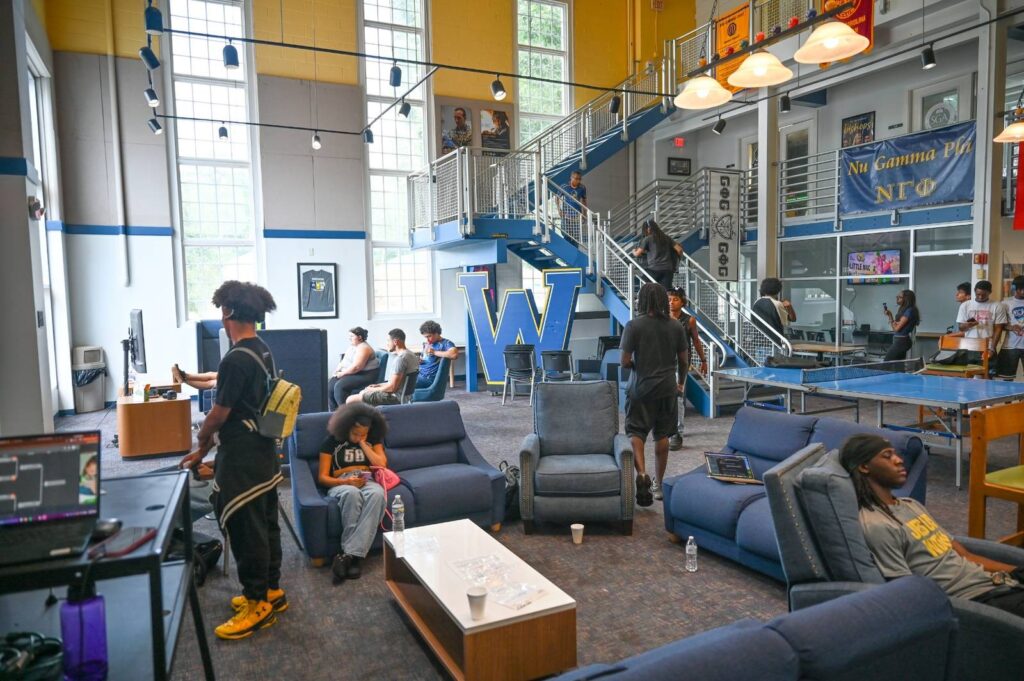
Community Days are planned by a committee of NCWU faculty and staff dedicated to strengthening the Bishop community and creating meaningful opportunities for students to connect with one another and the university.
NCWU’s next Community Day will take place Wednesday, Oct. 21, with additional and new activities planned for students.
Photos from Community Day can be viewed, downloaded for free, and shared by visiting https://photos.ncwc.edu/.
NC Wesleyan Offers Nursing Students a Path Forward Amid Regional Program Changes
As nursing students across Eastern North Carolina navigate changes in regional nursing education, North Carolina Wesleyan University is highlighting both the strength of its growing nursing programs and the impact its graduates are making throughout the region.
Great 100 Nurses

One example is NC Wesleyan University alumna Celina Hawkins ‘24, BSN, RN, who has been named one of the Great 100 Nurses of North Carolina for 2026.
Hawkins, who serves as Education Coordinator at ECU Health Edgecombe Hospital, was selected among 100 nurses statewide recognized for their professional excellence, dedication to the nursing profession and contributions to their communities.
The Great 100 Nurses of North Carolina has recognized nurses across the state since 1989. Each year, thousands of nominations are submitted by patients, healthcare professionals, friends and family members, with 100 nurses ultimately selected for the honor.
Hawkins began her nursing education at Edgecombe Community College, earning her associate degree in nursing before continuing her education at North Carolina Wesleyan University, where she earned her Bachelor of Science in Nursing. Our RN to BSN program for registered nurses can be completed 100% online and has one of the lowest tuition rates in the state.
She has spent 14 years with ECU Health, beginning her career in the Surgical Unit at ECU Health Edgecombe Hospital before moving into nursing education. In her current role, Hawkins supports professional development, clinical excellence and lifelong learning among nursing staff.
Her recognition comes at a time when prospective and current nursing students throughout the region may be reassessing their educational options following recent changes to regional nursing programs.
NC Wesleyan’s Accredited Nursing Programs
North Carolina Wesleyan is prepared to help students explore their next steps.
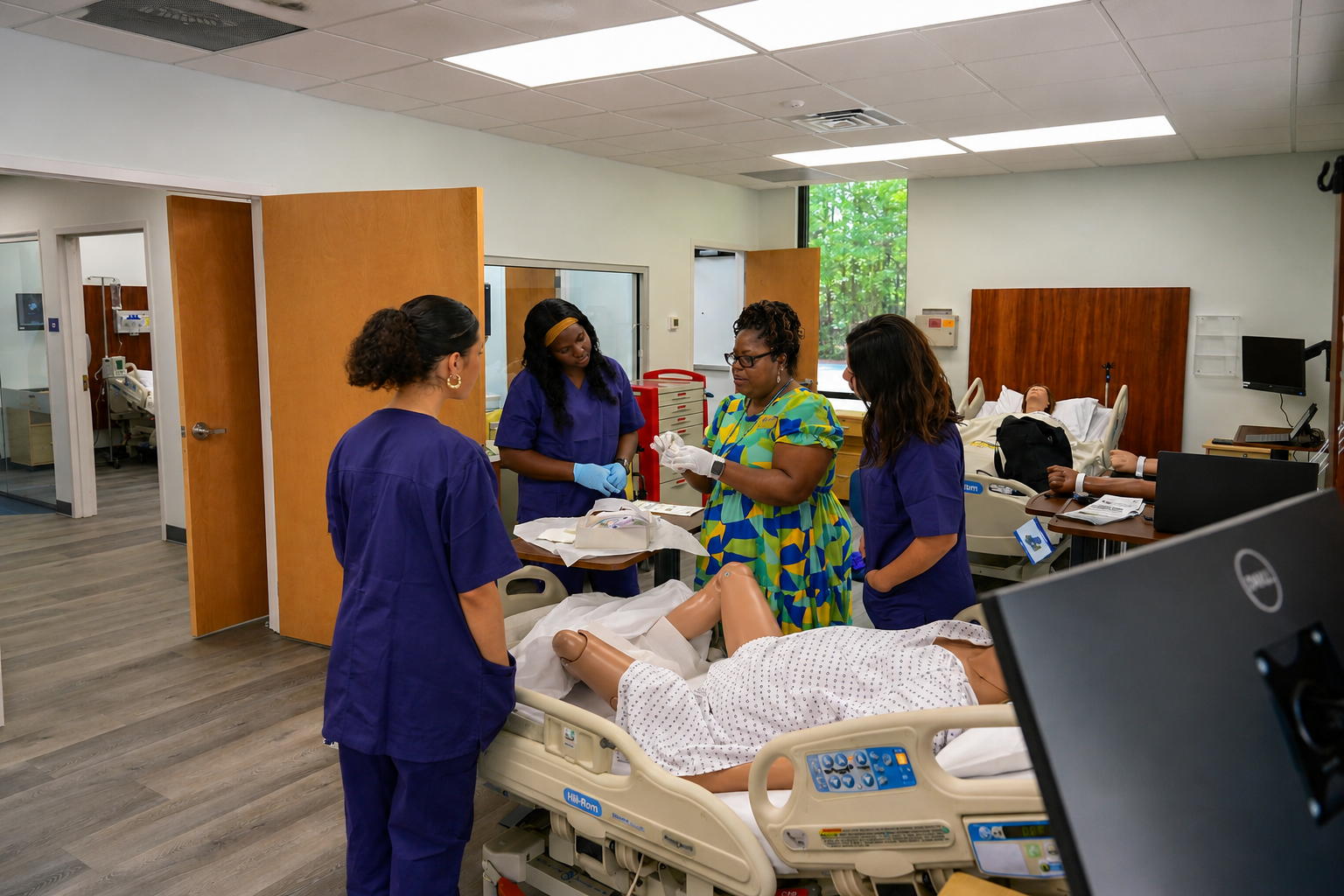
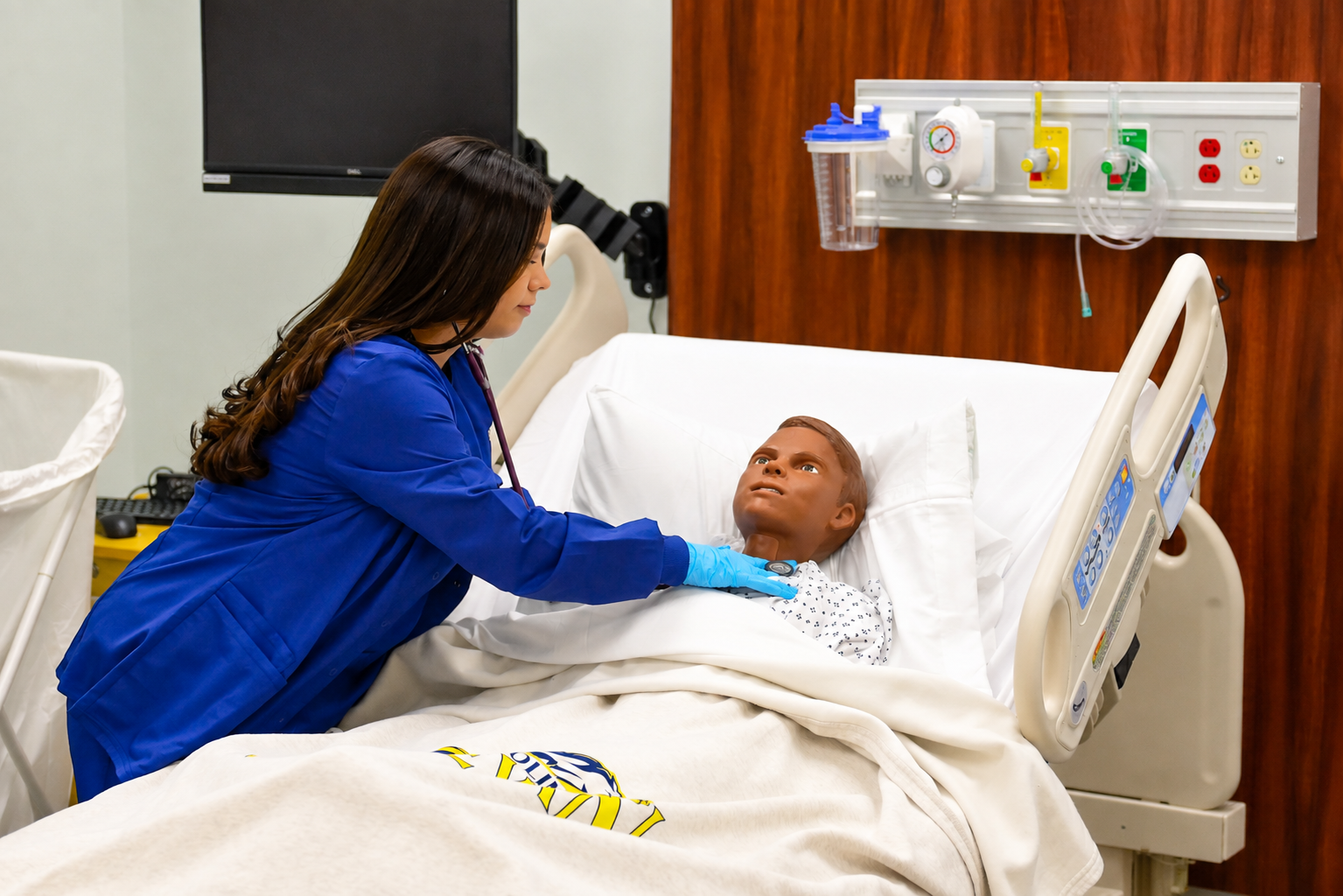
The university offers a growing prelicensure Bachelor of Science in Nursing program, along with an established RN-to-BSN program for registered nurses seeking to complete their bachelor’s degree. NC Wesleyan’s RN-to-BSN program is accredited by the Commission on Collegiate Nursing Education.
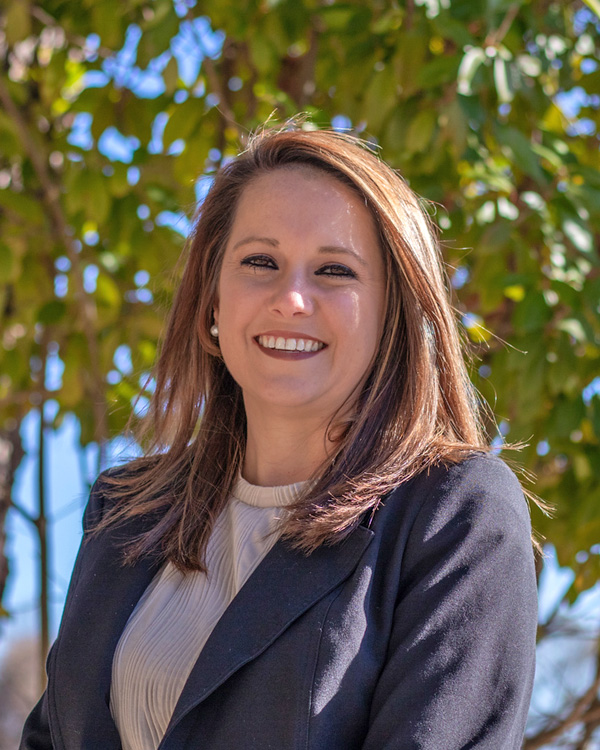
“We want students pursuing nursing to know that there are options available to them,” said Dr. Crystal Ostheim, Director of Nursing Programs and Initiatives. “Our goal is to provide students with a strong educational foundation and the support they need to build successful careers in nursing and make a difference in their communities.”
NC Wesleyan recently welcomed 29 students into its prelicensure BSN program, marking another milestone in the university’s growing commitment to nursing education.
For students who are reconsidering their nursing education plans, NC Wesleyan encourages prospective students to connect with its admissions and nursing teams to discuss their individual circumstances, academic backgrounds and potential pathways.
“Every student’s situation is different,” said Dr. Ostheim. “We’re here to listen, answer questions and help students understand what their options may be.”
Hawkins’ recognition as one of North Carolina’s Great 100 Nurses provides a powerful example of where a Wesleyan nursing education can lead. From earning her BSN at NC Wesleyan to becoming a nursing educator and now being recognized among the state’s Great 100 Nurses, Hawkins continues to make an impact on the healthcare profession and the communities she serves.
For students considering nursing or exploring a change in their educational plans, NC Wesleyan is ready to help them take the next step.
Our Fall 2027 BSN Nursing Program Application will OPEN on September 15, 2026 in order to accommodate the growing demand for our nursing program. APPLY first using our Traditional Admissions process.
NOTE: The Nursing Program (BSN) application is for students who have met all requirements and desire to apply to the Nursing program. Students MUST apply to Traditional admissions first and then be accepted to NC Wesleyan BEFORE they complete the BSN Application.
