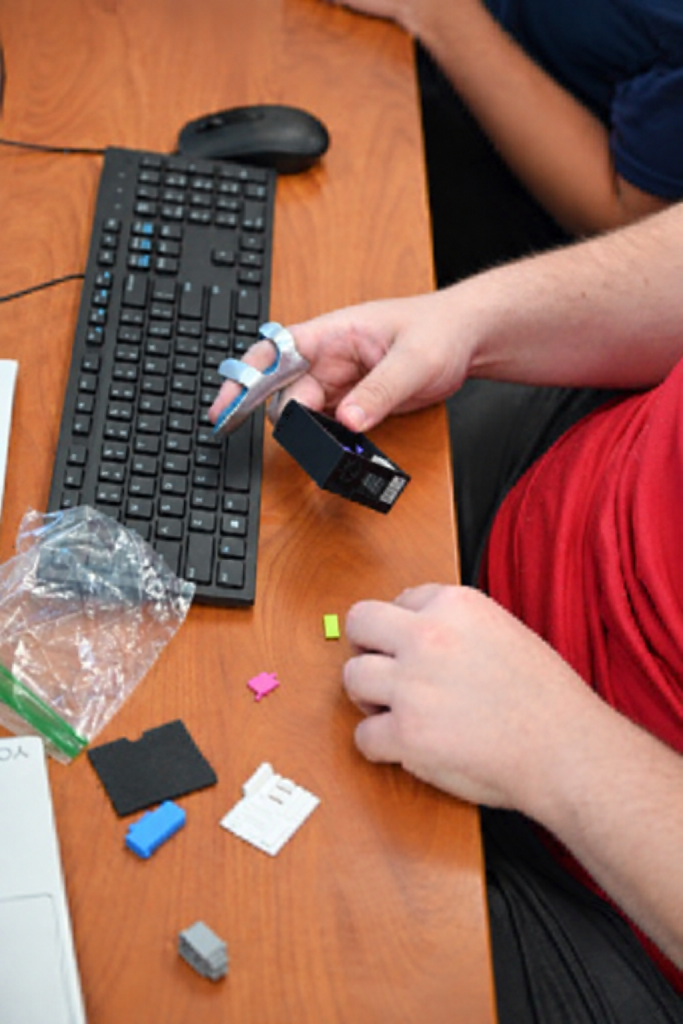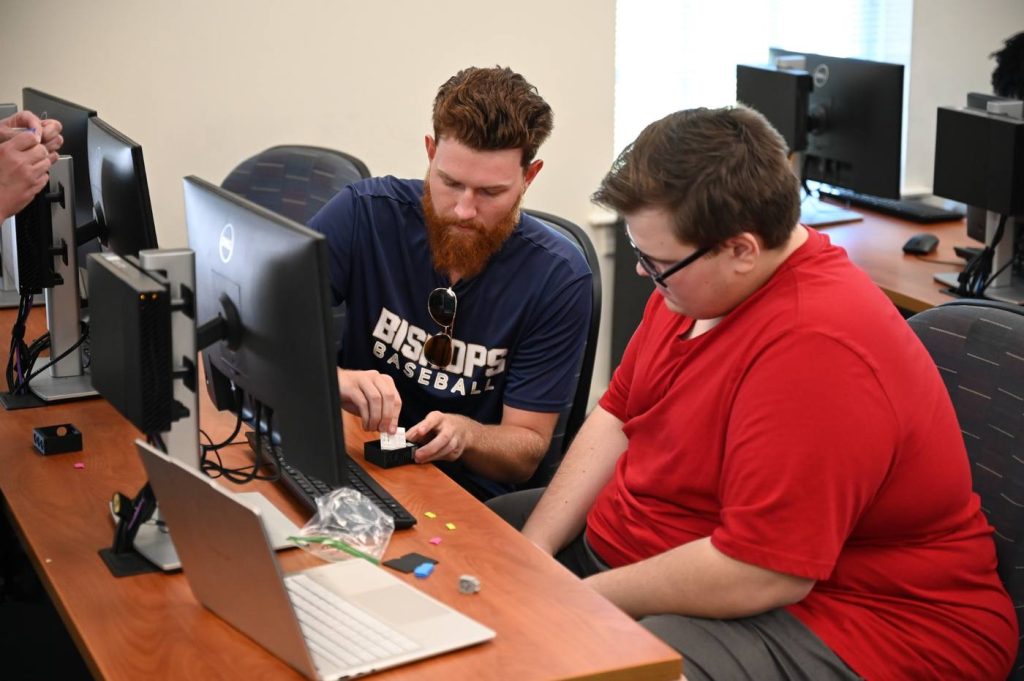
Students in NC Wesleyan University’s Computer Information Systems (CIS210) course recently took a hands-on approach to learning computer hardware by assembling miniature, 3D-printed desktop computer models.
The activity gave students the opportunity to move beyond diagrams and terminology and physically explore how major computer components—including the motherboard, memory, storage, graphics card, cooling system and power supply—fit together within a computer.
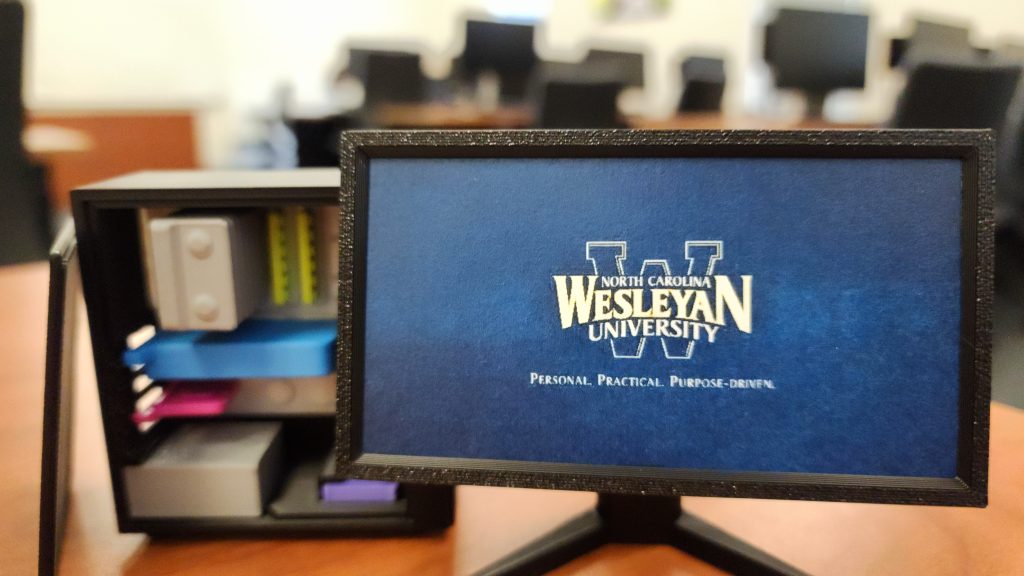
Designed as a low-risk introduction to computer assembly, the project allowed students to manipulate and assemble components without the complexities of working with full-size hardware. The hands-on experience supported tactile learning while encouraging curiosity, discussion and peer collaboration.
Beyond reinforcing technical concepts, the project helped students build confidence as they prepare to work with actual computer hardware. Students also received their miniature computers as keepsakes they can display, reassemble or use to share what they learned with friends and family.
The project is one example of how experiential learning in the classroom can make technical concepts more approachable, engaging and memorable.